
Introduction
In baking, it’s easy to focus on individual products.
How well they sell.
How much they cost.
How much profit they generate.
But in practice, no product exists on its own.
You’re working within limits:
- fridge and freezer space
- oven capacity and timing
- prep time and labor
- how many items can realistically be finished in a day
And within those constraints, your menu has to do more than just sell.
? It has to work.
Some products move quickly - but take time and space to produce.
Some are highly profitable - but don’t sell as often.
And some quietly make everything else easier by fitting smoothly into your workflow.
This is where product mix comes in.
Jump to:
- Introduction
- Quick Answer: What Is Product Mix in Baking?
- What Product Mix Actually Means in a Baking Operation
- Product Mix Is About Working Within Constraints
- The Role of Demand and Profit
- Building a Menu Intentionally
- Why Not Every Product Needs to Do Everything
- How Product Mix Connects to Your Workflow
- You Don’t Need a Large Menu
- A Simple Way to Evaluate Your Menu
- How This Connects to Profitability
- FAQ: Product Mix in Baking
- Related Guides
- Final Thoughts
- Pocket Baker Perspective
Quick Answer: What Is Product Mix in Baking?
Product mix refers to the range and combination of products a business offers.
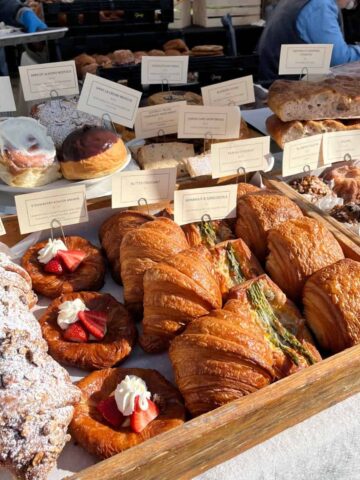
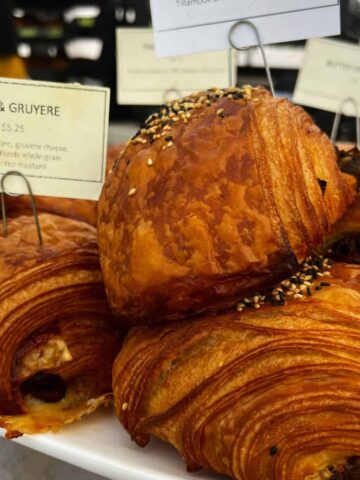
In baking, this includes the different types of items you sell - such as breads, pastries, cookies, or cakes - and how they are positioned in terms of price, demand, and profitability.
In theory, product mix is about what you offer. In practice, it’s about how those products work together.
What Product Mix Actually Means in a Baking Operation
In practice, product mix is more than just what you sell.
It’s how your products work together across your menu - within the limits of your space, time, and workflow.
Each product plays a role:
- some drive demand
- some support profitability
- some make production more efficient
? A strong product mix isn’t just a list of products.
? It’s a system designed to work together.
Product Mix Is About Working Within Constraints
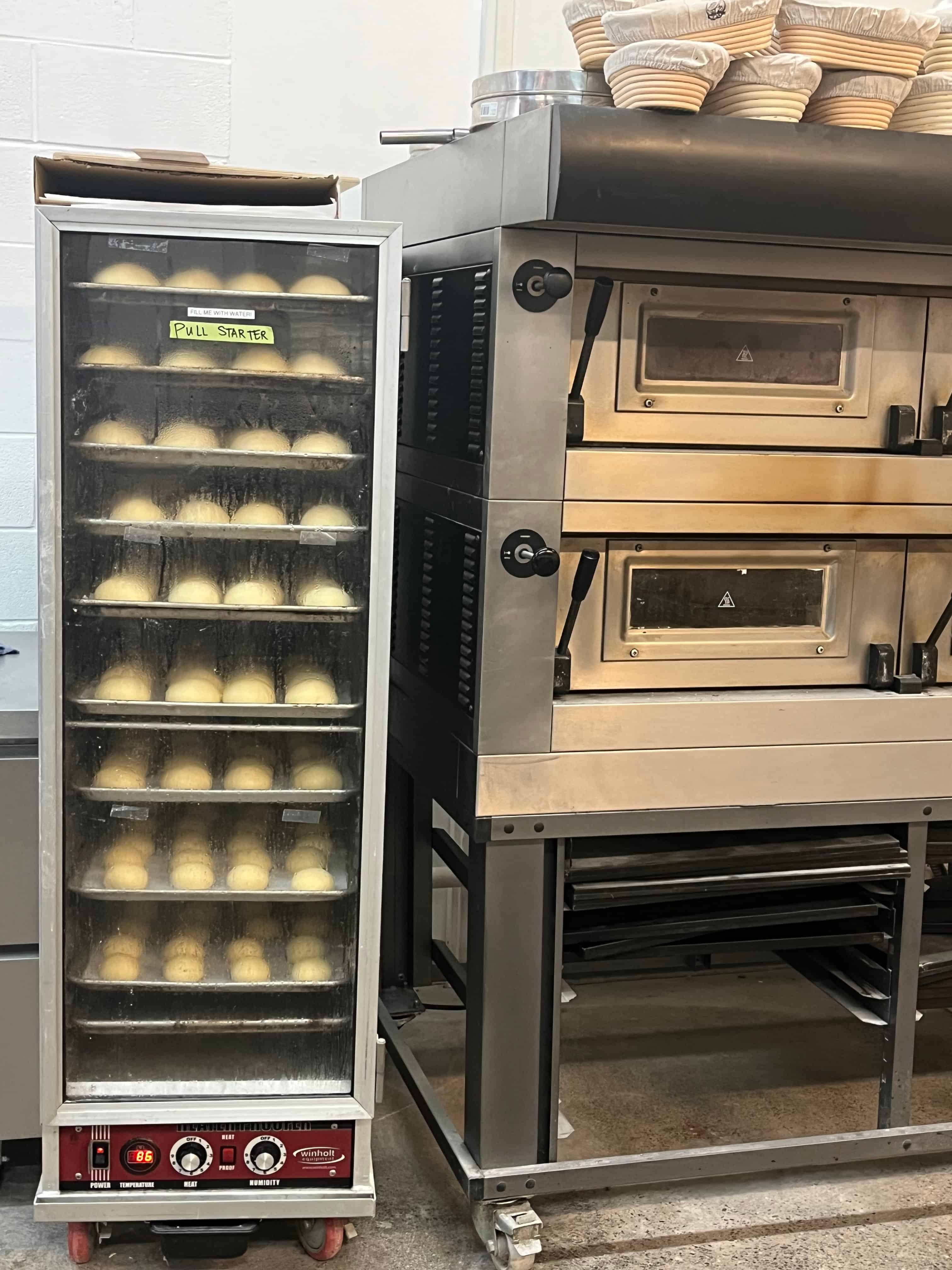
In a professional kitchen, the question isn’t just:
? “Is this a good product?”
It’s:
? “Does this product work within the system?”
Because every product uses:
- space
- time
- equipment
- attention
And those are limited.
A product might:
- sell well
- have strong margins
…but still create problems if it:
- requires separate prep
- doesn’t batch well
- disrupts production flow
- takes up too much space at the wrong time
? Product mix is about balancing demand, profit, and workflow - within real constraints.
The Role of Demand and Profit
At a basic level, product mix comes down to:
? demand
? profit
But the goal isn’t to force every product into the same category.
? It’s to understand where each product naturally fits - and decide how it supports the menu.
Products That Drive Demand
These items:
- sell consistently
- attract customers
- often define your menu
They may not always have the strongest margins.
? But they create volume and visibility.
Products That Drive Profit
These items:
- have stronger margins
- are efficient to produce
- help support overall profitability
? If you’re unsure how to evaluate this, start with your food cost and pricing system:
? What Is Food Cost in Baking? (And What Is a Good Food Cost Percentage?)
? What Is a Good Profit Margin for Baked Goods?
Products That Support Workflow
These are often overlooked - but critical.
They:
- batch well
- use shared ingredients or processes
- fit naturally into your production schedule
? Ideally, all menu items support your workflow in their own ways.
Building a Menu Intentionally
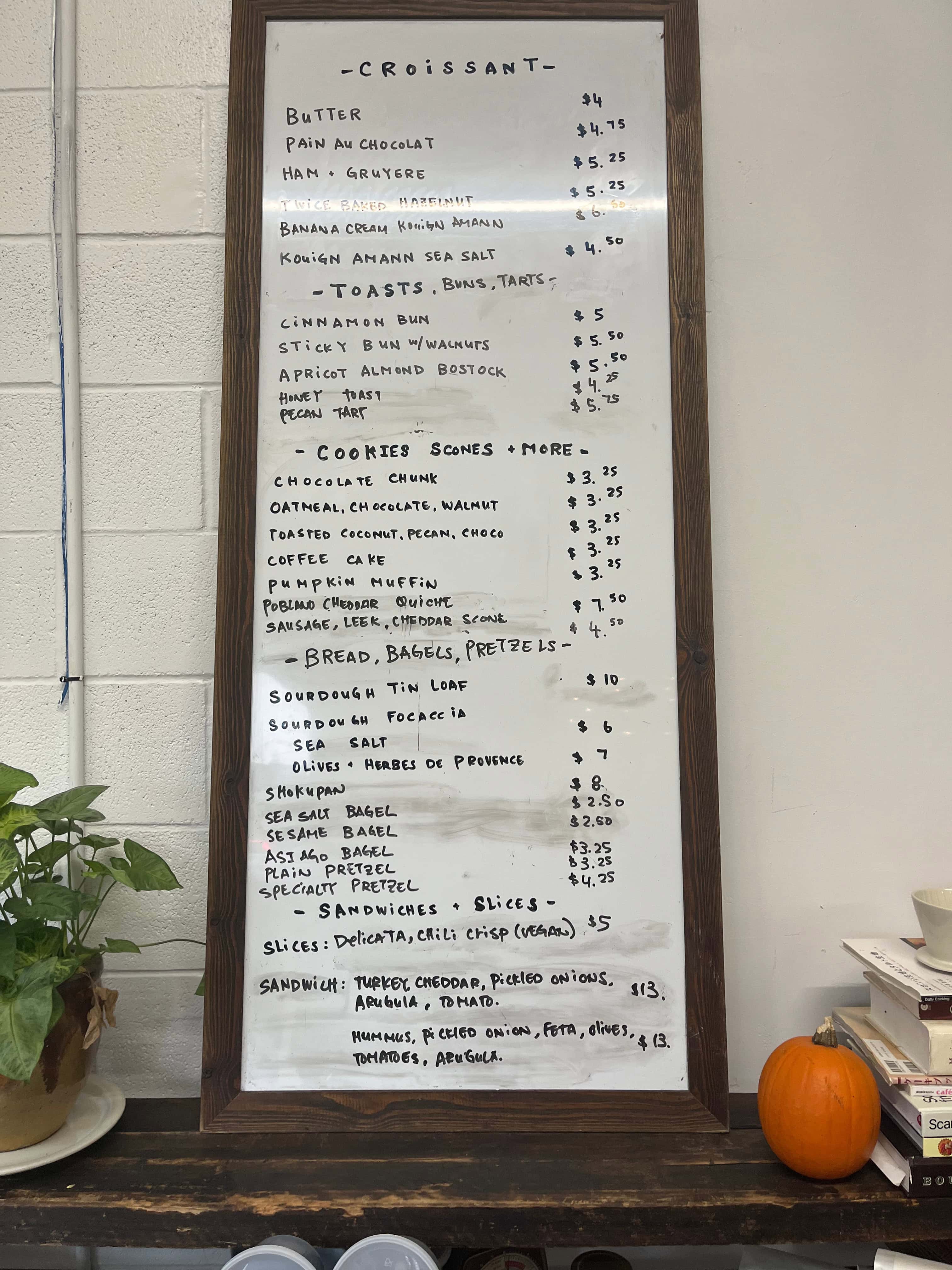
A well-designed menu doesn’t happen by accident.
It’s built by asking:
- What sells consistently?
- What generates the most profit?
- What fits smoothly into production?
And just as importantly:
- What creates friction?
- What takes too long?
- What uses space inefficiently?
? The goal isn’t to eliminate categories.
? The goal is to build a menu where each product has a purpose.
Why Not Every Product Needs to Do Everything
It’s natural to want every product to be:
- high demand
- high profit
- easy to produce
But in practice, that’s rare.
Instead:
? products fall into patterns
Over time, you begin to see:
- which ones carry volume
- which ones carry margin
- which ones support production
? A strong product mix doesn’t force products to be the same.
? It allows them to work together.
How Product Mix Connects to Your Workflow
A product isn’t just:
- ingredients
- cost
- price
It’s also:
? when and how it’s produced
A well-designed product mix:
- reduces repetition
- allows batching
- aligns prep across products
- fits within available space
- and even utilizes scrap from other products
? Efficiency doesn’t come from working faster.
? It comes from designing a menu that supports how you work.
You Don’t Need a Large Menu
More products don’t automatically mean more sales.
In many cases, they create:
- more complexity
- more prep
- more strain on space and time
Most small baking businesses perform better with:
? a focused, intentional menu
For example:
- a high-volume product
- a higher-margin product
- a product that supports production
A Simple Way to Evaluate Your Menu
You don’t need a spreadsheet to start.
Look at your menu and ask:
- Which products sell the most?
- Which products take the most time?
- Which products generate the most profit?
- Which products feel the most difficult to produce?
Also consider:
- your work schedule
- available space
- equipment needs
- your daily workflow
? Patterns will start to appear.
? And those patterns will guide your decisions.
How This Connects to Profitability
Profitability isn’t determined by one product.
It’s determined by how your products work together.
This connects directly to:
- cost (ingredients, labor, overhead)
- value (what customers are willing to pay)
- workflow (how efficiently you produce)
? Because profitability isn’t one decision
? It’s a system
? Why Your Baking Business Isn’t Making Money (Even If You’re Selling)
FAQ: Product Mix in Baking
What is product mix in baking?
Product mix refers to the range and combination of products a business offers.
In baking, this includes the different types of items you sell - such as breads, pastries, cookies, or cakes - and how they are positioned in terms of price, demand, and profitability.
Do all products need to be profitable?
Not necessarily. Some products bring customers in, while others generate profit or improve efficiency.
How do I know if my product mix is working?
If your workflow feels manageable, your products sell consistently, and your pricing supports your costs, your mix is likely working.
Should I remove products that don’t perform as well as others?
Not always. First, determine whether they serve a role in demand, profit, or workflow before deciding.
Related Guides
? How Much Should You Charge for Homemade Cookies?
? What Is Food Cost in Baking? (And What Is a Good Food Cost Percentage?)
? How to Calculate Labor Cost in Baking (Coming Soon)
? What Is Overhead in a Baking Business? (Coming Soon)
? What Is a Good Profit Margin for Baked Goods?
? What Is Product Mix in Baking? (How to Build a Menu That Actually Works)
? Cost vs Value Pricing for Baked Goods
? Why Your Baking Business Isn’t Making Money (Even If You’re Selling)
Final Thoughts
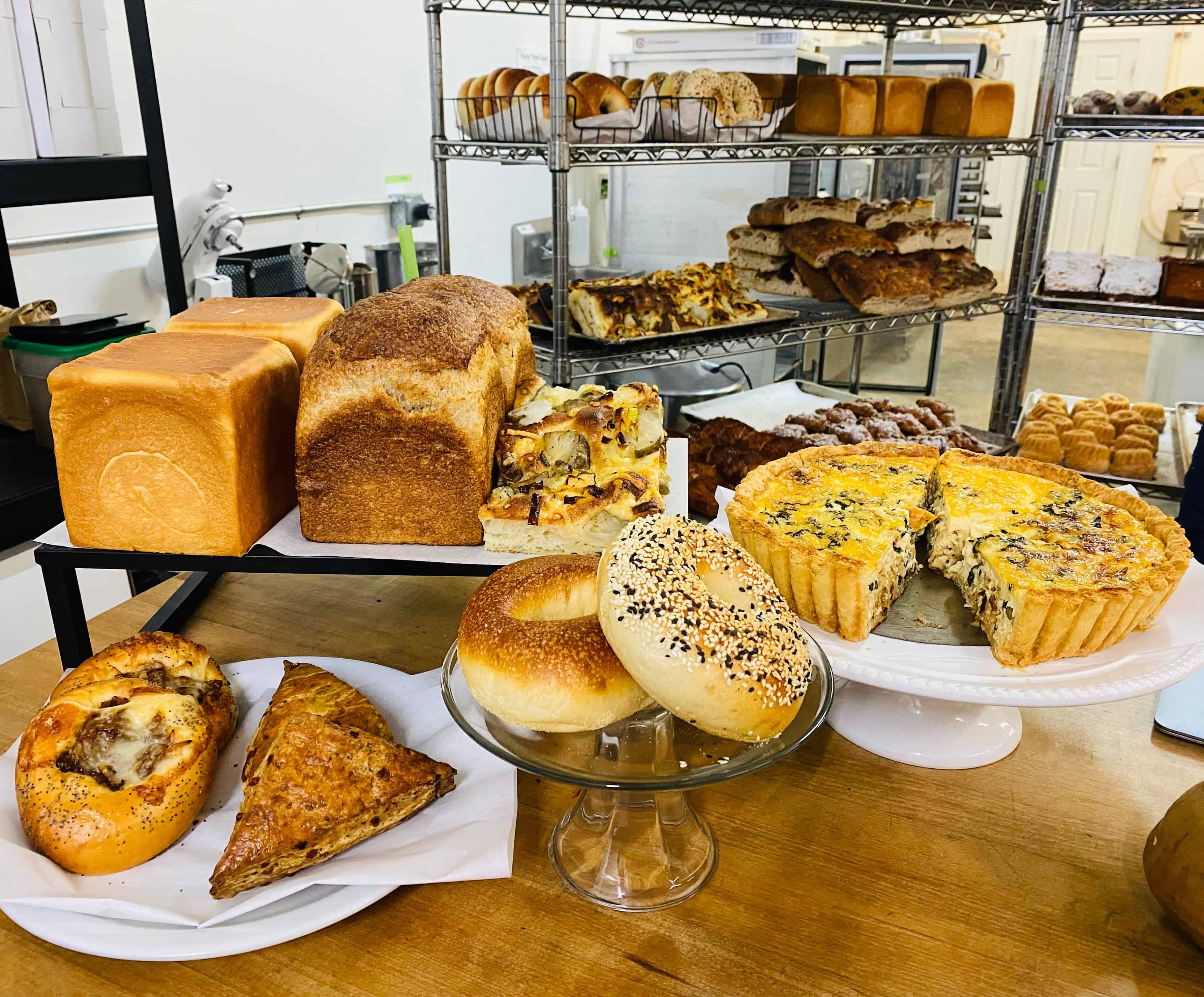
Product mix isn’t about finding the perfect product.
It’s about building a menu that works - within your space, your time, and your process.
Some products bring customers in.
Some generate profit.
Some make production easier.
? The goal is to design your menu intentionally - so all of them support each other.
Pocket Baker Perspective
In professional kitchens, menus aren’t built around individual items.
They’re built around systems:
- what can be prepped together
- what can be batched
- what fits into the same production flow
The goal isn’t just to create products that sell.
? It’s to create a menu - and a system that works - day after day.