








Introduction
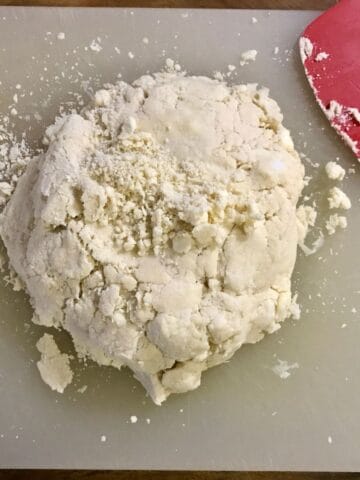
You mix your dough, expecting it to come together into something smooth and elastic - but instead, it feels rough, sticky, or tears when you try to stretch it.
You kneaded it for the time stated in the recipe, and if you continue, you’re worried you might overmix it.
If this has happened to you, you’re not alone - and in most cases, nothing is actually wrong.
Dough takes time to become smooth and elastic. It develops gradually as structure builds.
Most likely, you’re simply at an early stage of mixing - and what you’re seeing is part of the process, not something going wrong.
Jump to:
- Introduction
- Quick Answer: Why Your Dough Isn’t Smooth or Elastic
- Why Dough Feels Rough, Sticky, or Tears When Stretching
- Why Dough Doesn’t Become Smooth or Elastic
- How to Fix Dough That Isn’t Smooth or Elastic
- What Smooth, Elastic Dough Should Look and Feel Like
- Common Mistakes That Keep Dough from Becoming Smooth
- Bread Making: Start Here
- FAQ: Dough Not Smooth or Elastic
- Final Thoughts
- Pocket Baker Perspective
- Get the FREE Profitable Baker Pricing Calculator
Quick Answer: Why Your Dough Isn’t Smooth or Elastic
Dough is usually not smooth or elastic because it hasn’t developed enough strength yet.
This can happen when:
- the dough needs more mixing or kneading
- it hasn’t had enough time to rest and hydrate
- it would benefit from folds during fermentation
- extra flour was added too early
- the flour-to-water ratio is off (often due to measurement error)
In most cases, the solution is to allow the dough to continue developing - through mixing, resting, or folding.
As strength builds, the dough naturally becomes smoother, more elastic, and easier to handle.
Why Dough Feels Rough, Sticky, or Tears When Stretching
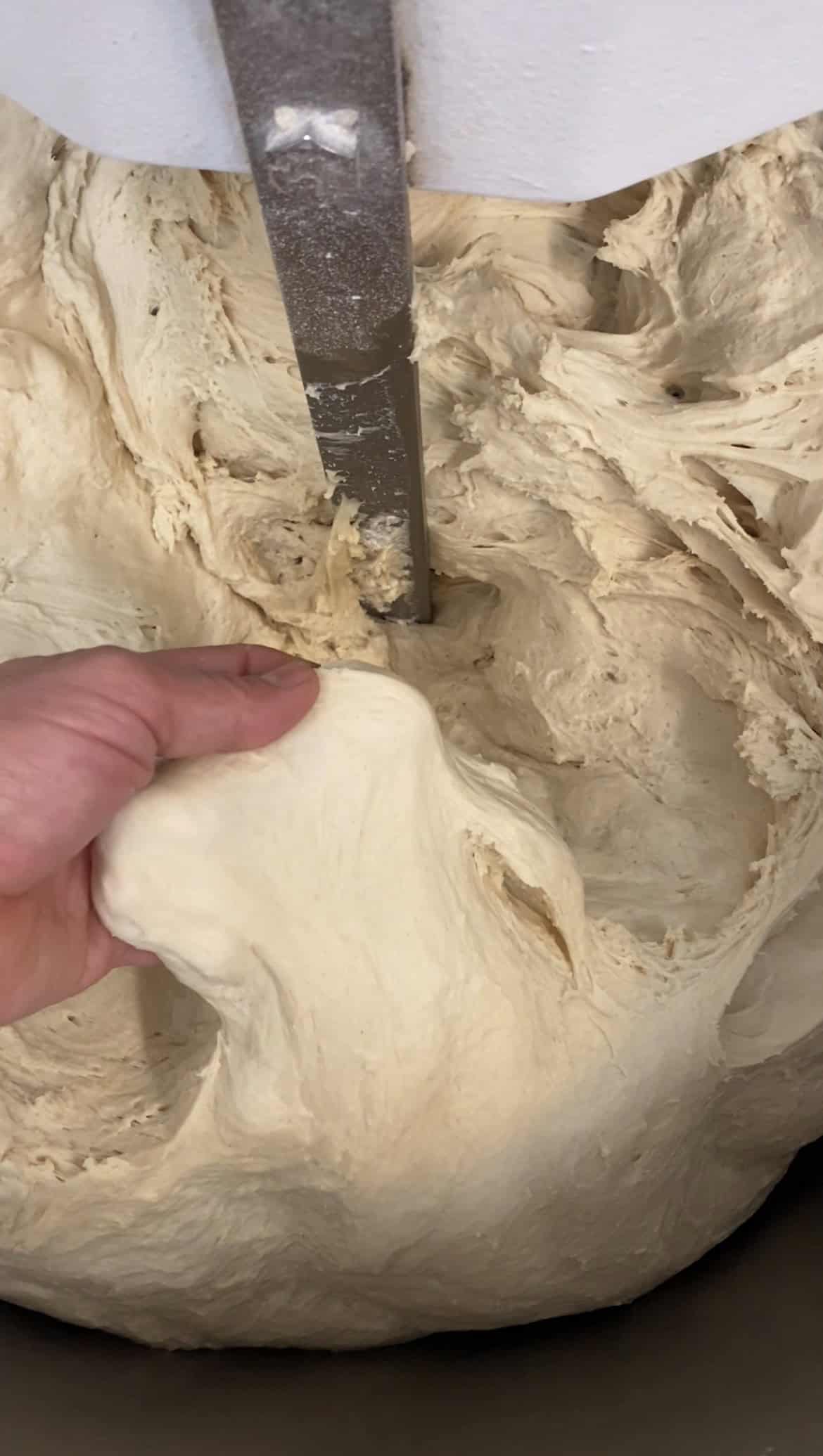
When flour and water are combined, gluten begins forming a network that gives dough its structure.
That structure allows the dough to:
- stretch without tearing
- hold its shape
- trap gas during fermentation
Early on, that network is still developing.
So the dough may feel:
- slightly rough or uneven
- sticky or difficult to handle
- prone to tearing when stretched
At this stage, the dough can feel inconsistent - but this is a normal part of development.
As explained in Bread Making Explained: The 12 Steps That Matter bread making works as a system. Each step builds on the one before it - and mixing is where structure begins.
Why Dough Doesn’t Become Smooth or Elastic
1. The Dough Needs More Development
This is the most common reason.
If development is cut short, the dough may not have built enough strength yet. It can feel soft, slightly rough, or tear when stretched.
In a home kitchen, this is often the case - even when it feels like you’ve mixed long enough. Undermixing is far more common than overmixing, especially when kneading by hand or using a home mixer.
This same early-stage issue often leads to denser results later on
→ Why Is My Bread Dense? (6 Common Causes and How to Fix Them)
2. The Dough Hasn’t Had Enough Time to Hydrate
Dough continues to develop even without additional mixing.
As it rests, the flour absorbs water more fully, and the structure begins to improve.
A short rest can often make a noticeable difference in how the dough feels.
3. Too Much Flour Was Added Too Early
It’s very natural to reach for flour when dough feels sticky.
But early in mixing, that stickiness is often temporary.
Adding extra flour too soon can make the dough easier to handle in the moment, but it doesn't solve the underlying problem.
As you’ll see in Why Is My Dough Sticky? (And How to Fix It), this stage often resolves with a bit more time.
4. The Flour-to-Water Ratio Is Off
If the dough is significantly too dry or too wet, it may struggle to develop properly.
This is often the result of small measurement differences - especially when using volume instead of weight.
Even relatively stiff doughs will become smooth and elastic with proper development, but if the ratio is too far off, the dough may never fully come together as expected.
5. The Development Method Doesn’t Match the Dough
Different doughs develop in different ways.
- Enriched doughs (like brioche or cinnamon rolls) usually benefit from more mixing upfront
- Lean or higher hydration doughs often benefit from folds and time
- Many doughs improve through a combination of both
Understanding the type of dough you’re working with will help you recognize how it’s meant to develop - and which methods support that best.
How to Fix Dough That Isn’t Smooth or Elastic
Continue Mixing or Kneading
If you’re early in the process, continuing to mix is often enough.
As the dough develops, you’ll usually notice it becoming:
- smoother
- more cohesive
- easier to handle
- beginning to release from the sides of the bowl
Let the Dough Rest
Resting gives the dough time to continue developing on its own.
Even a short rest (10 - 20 minutes) can help the dough feel:
- more hydrated
- less sticky
- easier to work with
Use Stretch-and-Folds
For many doughs - especially softer or higher hydration ones - folds are a gentle and effective way to build strength.
With each fold, the dough gradually becomes:
- stronger
- smoother
- more structured
Use a Combination of Methods
Dough can develop through:
- mixing
- time/rest
- folds
Many doughs don’t rely on just one - they improve through a combination of all three.
Hold Off on Adding More Flour
If the dough feels sticky early on, it may simply need more time to come together.
Letting it develop naturally often leads to better structure than adjusting it too quickly.
What Smooth, Elastic Dough Should Look and Feel Like
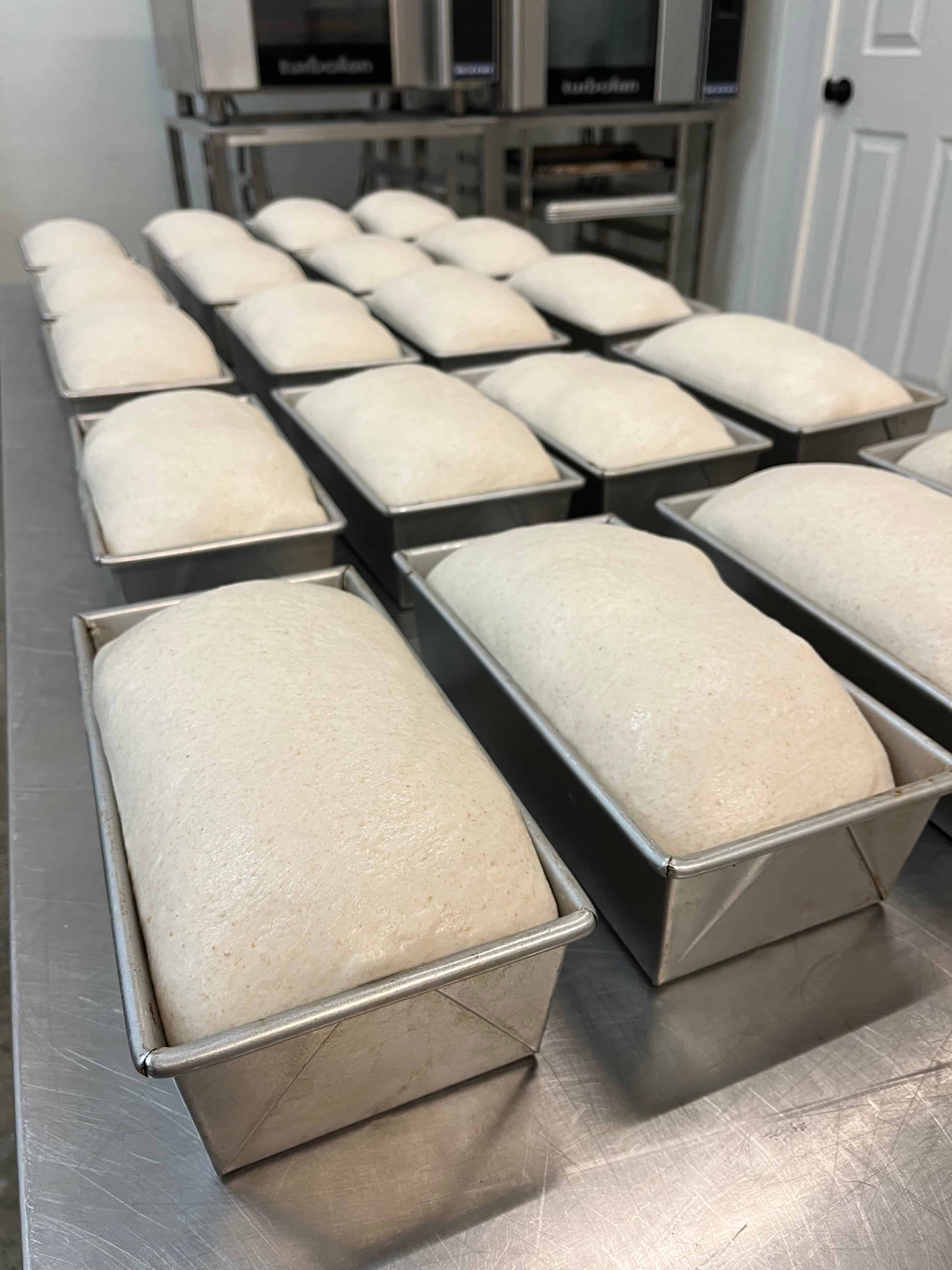
A well-developed dough tends to feel:
- smooth and cohesive
- soft, but with some strength
- slightly tacky rather than sticky
It should:
- stretch without tearing (windowpane)
- feel elastic when handled
- hold its shape reasonably well
If your dough isn’t quite there yet, it usually just needs a bit more development.
Common Mistakes That Keep Dough from Becoming Smooth
Adding Flour Too Early
This is one of the most common adjustments - and one that often isn’t needed.
Focusing Only on Time
Mixing times can be helpful as a guideline, but the dough itself is a better indicator of readiness.
Expecting Immediate Results
Most doughs don’t become smooth right away. They improve gradually as structure develops.
Bread Making: Start Here
If you're trying to become a more confident bread baker, it's helpful to understand how each stage of the process builds on the next.
Step 1: Understand the Bread-Making Process
Start by learning how bread comes together from beginning to end.
👉 Bread Making Explained: The 12 Steps That Matter
Step 2: Build Strong Dough
A well-developed dough is the foundation of good bread.
👉 Why Is My Dough Sticky? (And How to Fix It)
👉 Why Is My Dough Not Smooth or Elastic? (And How to Fix It)
👉 How to Knead Dough Properly (And How to Know When It's Ready)
Step 3: Master Fermentation & Proofing
Learn how yeast, time, and temperature affect your dough.
👉 Do You Really Need to Proof Yeast? (Instant vs Active Dry Explained)
👉 How to Proof Bread in the Oven (Without Overproofing It)
👉 How Long Should Bread Proof? (And How to Know When It's Ready)
Step 4: Troubleshoot Your Bread
If something doesn't turn out as expected, these guides can help.
👉 Why Is My Bread Dense? (6 Common Causes and How to Fix Them)
👉 Can You Overknead Dough? (Why It's Less Common Than You Think)
Step 5: Apply It to Specific Bakes
See how these same principles apply to enriched doughs and specialty breads.
👉 Troubleshooting Cinnamon Rolls (Fix Dense, Dry or Flat Rolls)
👉 Are All Cinnamon Roll Recipes Basically the Same? (Here's What Actually Matters)
FAQ: Dough Not Smooth or Elastic
Why is my dough tearing instead of stretching?
It likely hasn’t developed enough strength yet. With a bit more mixing, resting, or folding, it should become more elastic.
Can dough become smooth without kneading?
Yes. Many doughs develop through time and folds, not just kneading.
How long does it take for dough to become smooth?
It varies. Instead of focusing on time, look for a dough that feels smooth, elastic, and cohesive.
Why does my dough stay rough even after kneading?
It may need more time to hydrate or continue developing. A short rest or additional mixing often helps the dough come together.
Should I add flour if my dough isn’t smooth?
Not right away. In many cases, the dough simply needs more development rather than adjustment.
Final Thoughts
The time it takes for dough to become smooth and elastic is often underestimated.
If your dough feels rough or sticky, it’s usually just in an earlier stage of mixing.
With the right balance of mixing, time, and handling, it will come together.
Pocket Baker Perspective
In professional kitchens, smooth dough isn’t treated as the goal - it’s treated as a signal of development.
A signal that the dough has built enough structure to move forward.
Because once that structure is in place:
- fermentation becomes more effective
- shaping becomes easier
- results become more consistent
The goal isn’t to rush the dough - it’s to give it what it needs to develop.