








Introduction
Pie crust shrinking in the oven is frustrating.
You roll it out, fit it into the pan, crimp the edges -
only to have it pull away, collapse, or lose its shape as it bakes.
You’ll often hear:
👉 “Chill your dough”
👉 “Don’t stretch it”
And while those are correct, they don’t always explain what’s actually happening.
Understanding how gluten develops in pie dough - and how to manage it - is the first step toward a crust that holds its shape.
Jump to:
Quick Answer: Why Does Pie Crust Shrink?
👉 Pie crust shrinks when gluten is developed and then tightens during baking.
This usually happens when:
- the dough is stretched when placed in the pan
- the dough hasn’t rested long enough
- the dough becomes too warm during handling
- or the dough is overworked
👉 As the crust bakes, the gluten contracts - pulling the dough inward.
👉 If your crust is shrinking and tough, the same underlying issue may be at play:
Why Is My Pie Crust Tough? (And How to Fix It)
What’s Actually Happening
Pie dough is meant to be tender and relaxed.
But when gluten develops and tightens, it behaves differently.
When dough is:
- stretched
- overworked
- or not rested
👉 it holds tension
In the oven:
- the fat melts
- the dough heats and softens
- the gluten contracts
- the structure sets
👉 Any tension in the dough shows up here - as shrinkage
👉 This is closely related to how gluten and fat interact in the dough:
What Is the Cut-In Method? (And How to Get Flaky Results Every Time)
Why Pie Crust Shrinks
1. The Dough Was Stretched in the Pan
This is one of the most common causes.
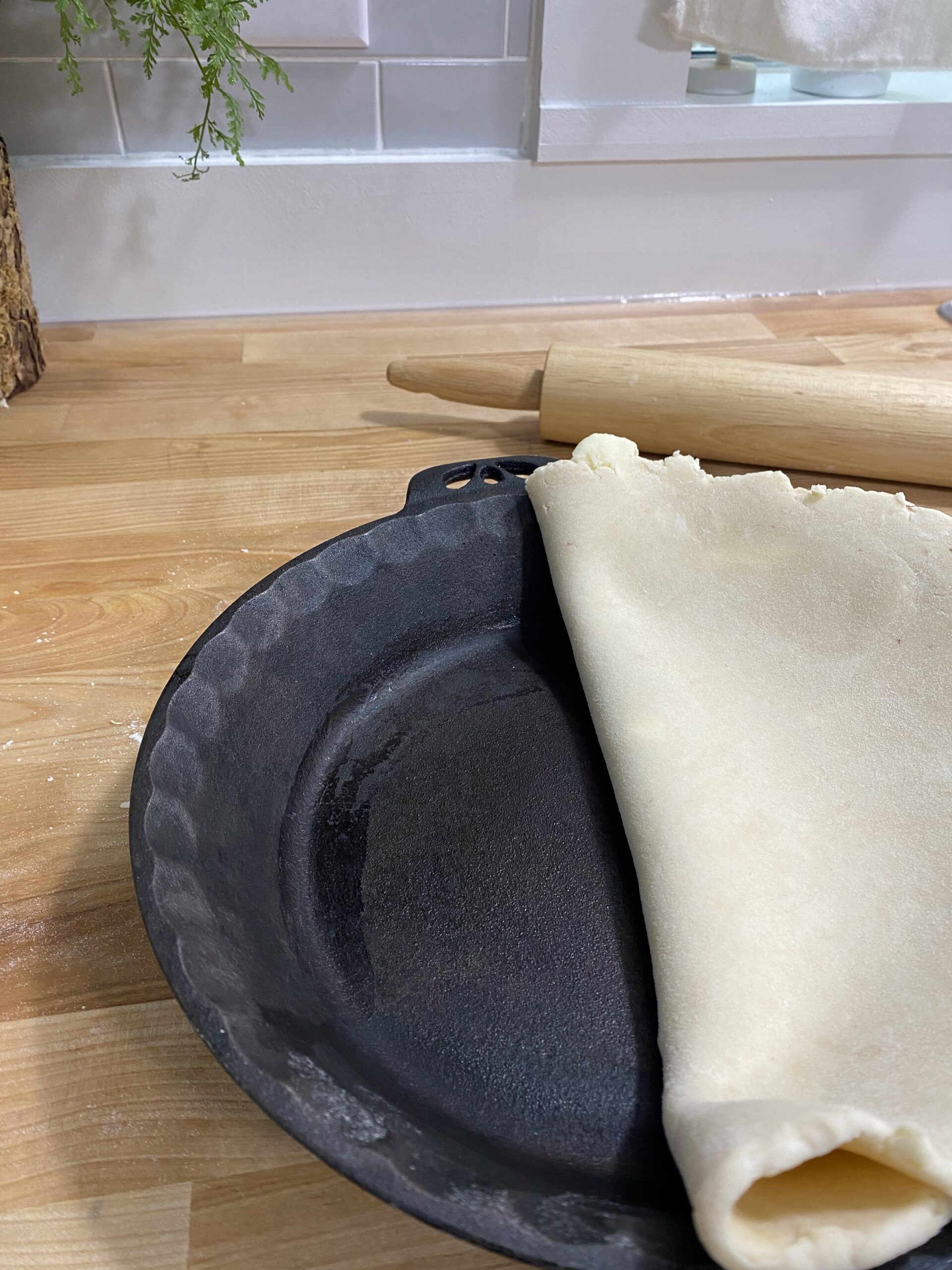
When placing dough into a pie dish:
- pulling it to fit
- stretching it across the bottom
- forcing it into corners
👉 creates built-in tension
As the dough bakes, it snaps back.
👉 Instead of stretching the dough:
- let it fall naturally into the pan
- gently press it into the corners
This keeps the dough relaxed instead of tight.
2. The Dough Didn’t Rest After Rolling
Rolling the dough:
- develops gluten
- creates tension
👉 If baked immediately, that tension remains
Resting the dough after shaping:
- allows gluten to relax
- reduces shrinkage
👉 Even a short rest in the refrigerator can make a noticeable difference.
3. The Dough Became Too Warm
Temperature plays a big role.
If the dough warms up:
- fat begins to soften or melt
- flour hydrates more
- gluten develops more easily
👉 Gluten = Tension
👉 Keep everything cold:
- dough
- work surface
- environment (when possible)
Cold dough is easier to handle - and less likely to shrink.
4. The Dough Was Overworked
Handling the dough too much:
- strengthens the gluten network
- creates elasticity
👉 This is useful in bread, but not in pastry
The more the dough is worked:
👉 the more it wants to pull back
A Better Way to Handle Pie Dough
👉 Shrinkage is often the result of tension in the dough.
Don’t Overmix
Once water is added, gluten begins to form.
👉 Mix just until the dough comes together
Overmixing creates tension in the dough - which leads to shrinkage in the oven.
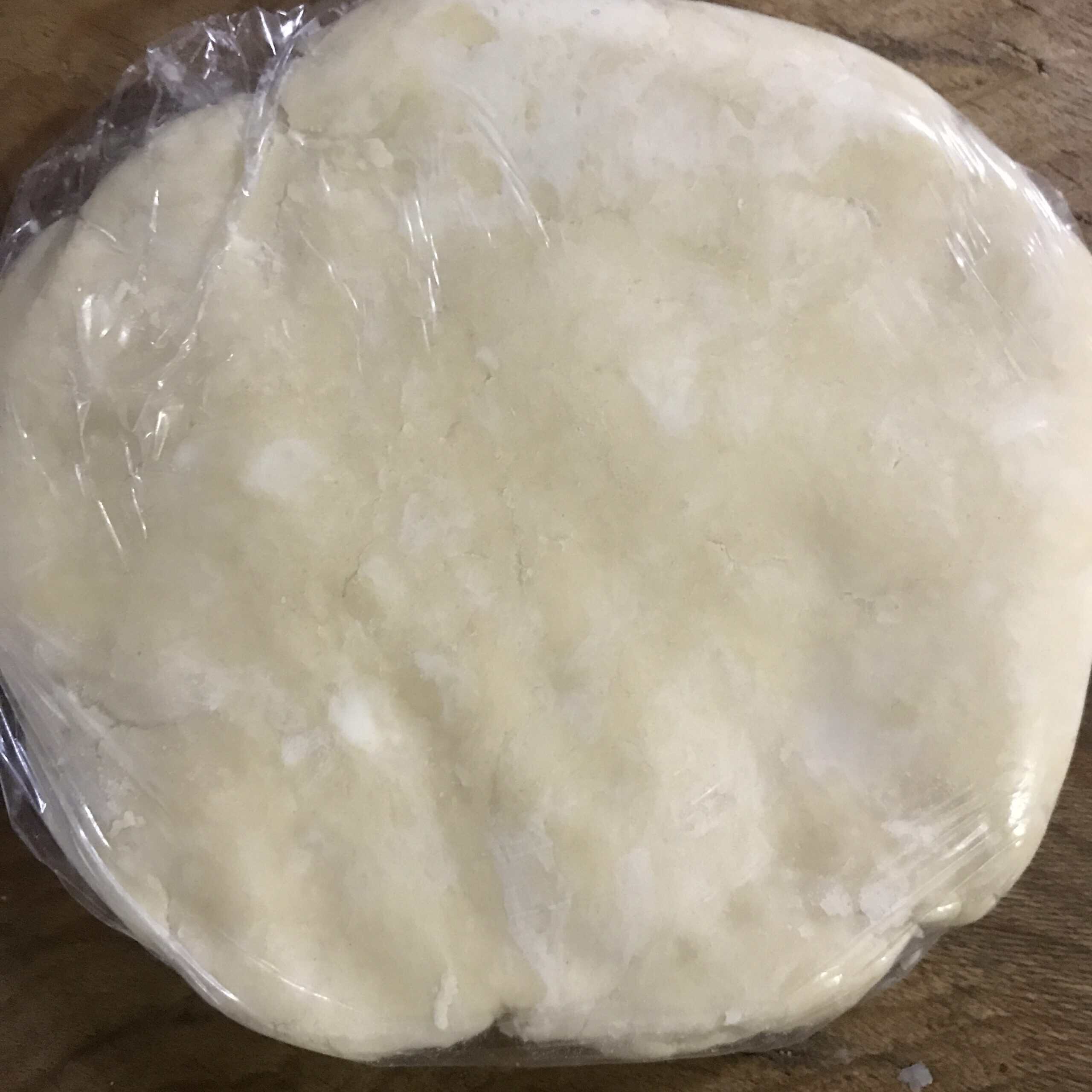
Rest Before Rolling
- flatten the dough to about ½-inch thick
- keep it in a round shape
- wrap and refrigerate for at least 1 hour (2+ is better)
👉 Rolling the dough while it’s relaxed is key
Let the Dough Fall Into the Pan
When transferring the dough:
- lay it over the pan
- allow it to settle naturally
- press gently into the bottom and sides
👉 Avoid pulling or stretching
Rest Before Baking
After shaping:
👉 refrigerate or freeze the dough before baking
This allows:
- gluten to relax
- the fat to firm back up
👉 Both help the dough hold its shape in the oven
Keep Everything Cold
Warm dough leads to:
- warm fat
- more gluten development
👉 Cold dough = more control + less shrinkage
👉 This same approach is used when preparing dough ahead of time:
Freeze Pie Dough Like a Pro: Smart Make-Ahead Methods for Perfect Crusts
A Practical Tip for Clean Edges
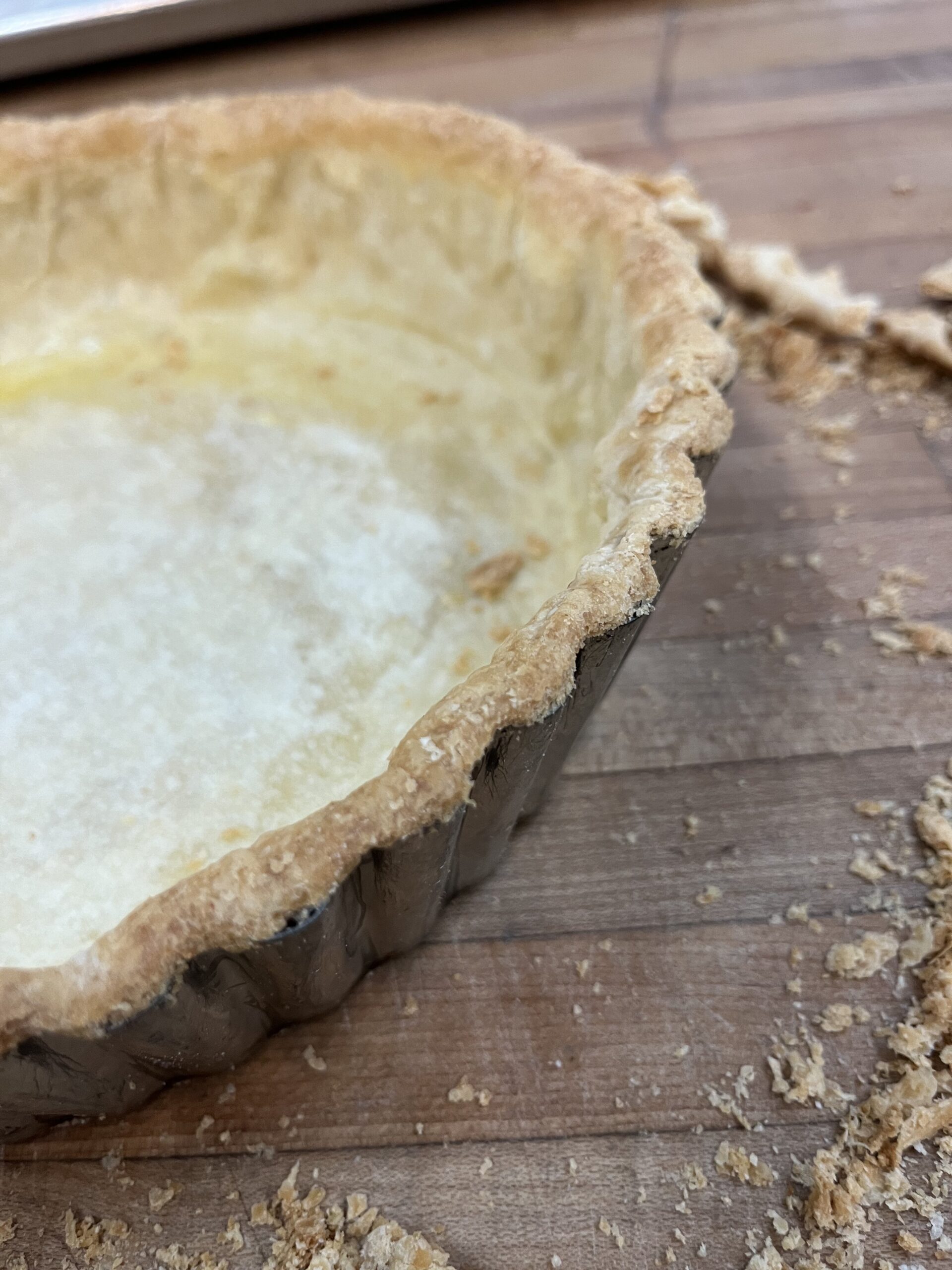
If you’re using a tart pan (shallow or deep, like for a quiche):
👉 allow some dough to hang over the edge when baking
After baking:
- press down along the rim of the pan
- break off the excess
👉 This creates a clean edge and prevents shrinkage from affecting the final shape
Pie Making and Troubleshooting Guides
Troubleshooting Pie
- 👉 Why Is My Pie Crust Tough?
- 👉 Why Does My Pie Crust Shrink?
- 👉 Why Is My Pie Crust Soggy?
- 👉 Why Is My Pie Dough Crumbly?
Pie Making Basics
Final Thoughts
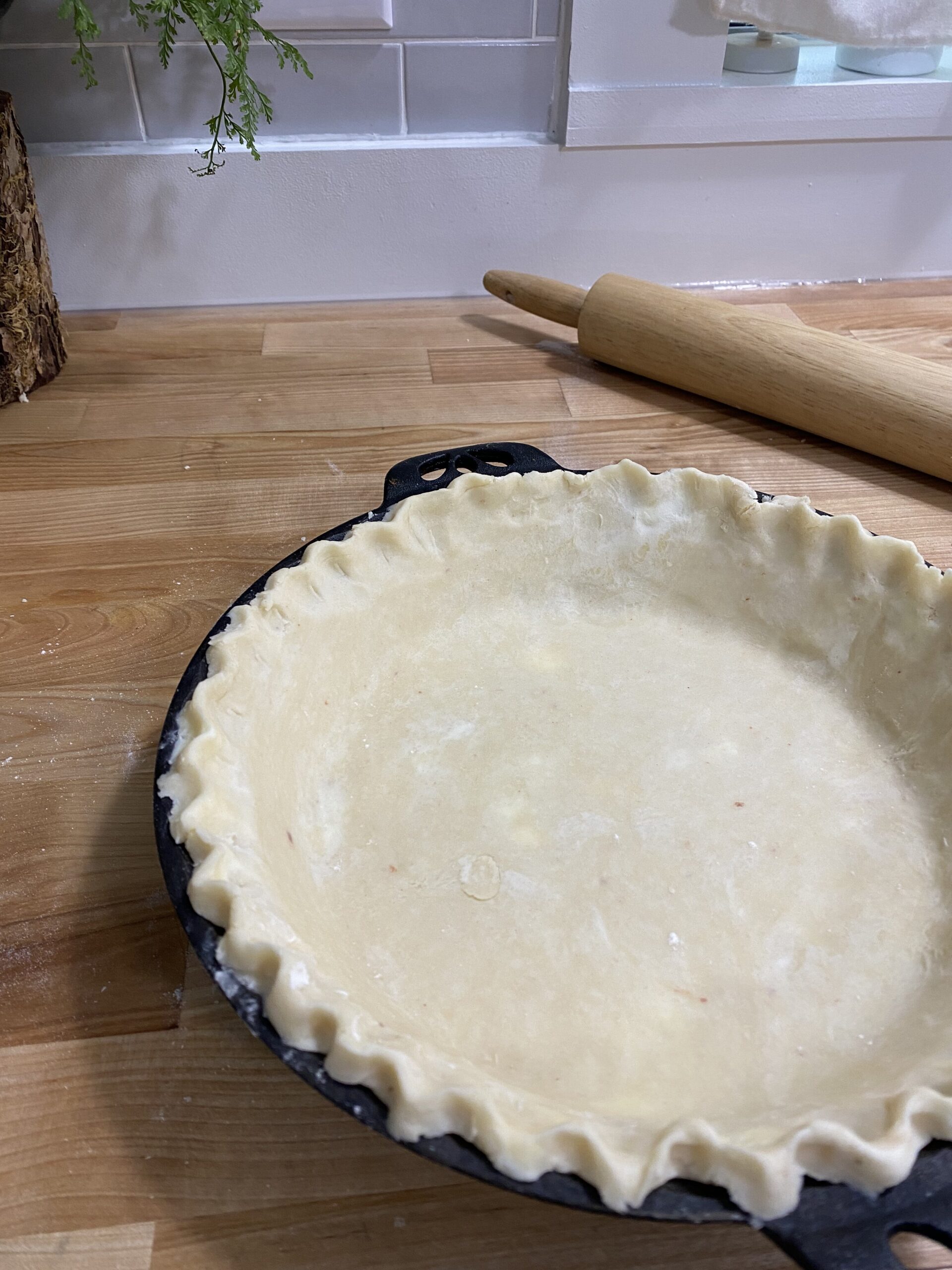
Pie crust shrinkage isn’t random.
👉 It’s the result of tension in the dough.
When you:
- keep everything cold
- avoid stretching
- and allow the dough to rest
👉 you give the crust the best chance to hold its shape
Pocket Baker Perspective
In professional kitchens, most things are done in stages.
Pie dough is mixed, rested (sometimes for a day or two), rolled, shaped, rested again, and then baked. That resting time isn’t something extra - it’s a natural part of the process while other work continues. This is true for most doughs, including breads and laminated pastries, where resting is essential for structure and handling.
In a home kitchen, there’s often an urge to move from start to finish as quickly as possible, which can cut off the time the dough needs to fully relax. Giving the dough enough time to rest isn’t just about patience - it’s what allows it to behave the way you expect and helps prevent shrinkage.