







Introduction
One of the most common misconceptions among home bakers is also one of the most common reasons bread turns out dense or flat.
It has very little to do with yeast, proofing, or baking.
It starts with kneading.
Specifically:
"What if I overknead my dough?"
It's a fair question.
Many recipes caution against overkneading, and it's easy to come away thinking that mixing for just a minute too long could ruin your bread.
The reality is a little different.
While overkneading is possible, it's relatively uncommon in most home kitchens. In my experience, home bakers are far more likely to stop mixing too early than continue mixing too long.
Understanding what gluten development actually looks like will help you build stronger dough - and worry less about overkneading.
Jump to:
- Introduction
- Quick Answer: Can You Overknead Dough?
- Why Home Bakers Worry About Overkneading
- What Properly Developed Dough Looks Like
- Develop Enough Structure for the Type of Bread You're Making
- What Underdeveloped Dough Looks Like
- What Overkneaded Dough Actually Looks Like
- If Your Dough Feels Too Dry or Firm
- If Your Dough Feels Too Sticky
- Before You Assume Your Dough Is Done Mixing
- Bread Making: Start Here
- FAQ
- Final Thoughts
- Pocket Baker Perspective
- Get the FREE Profitable Baker Pricing Calculator
Quick Answer: Can You Overknead Dough?
Yes - but it's much less common than many home bakers think.
True overkneading usually occurs in commercial bakeries using large mixers that generate much more friction than hand mixing or a typical home stand mixer.
For most home bakers, underdeveloped dough is the more common issue.
If your dough feels rough, sticky, or doesn't stretch into a thin windowpane, it usually needs more development - not less.
Why Home Bakers Worry About Overkneading
If you've searched for bread recipes online, you've probably seen advice like:
"Be careful not to overknead."
Although that's technically true, it often causes bakers to focus on the wrong thing.
Instead of watching how the dough develops, they watch the clock.
As a result, many stop kneading before the gluten has developed enough strength to support fermentation.
That's usually a much bigger problem than mixing for an extra minute or two.
What Properly Developed Dough Looks Like
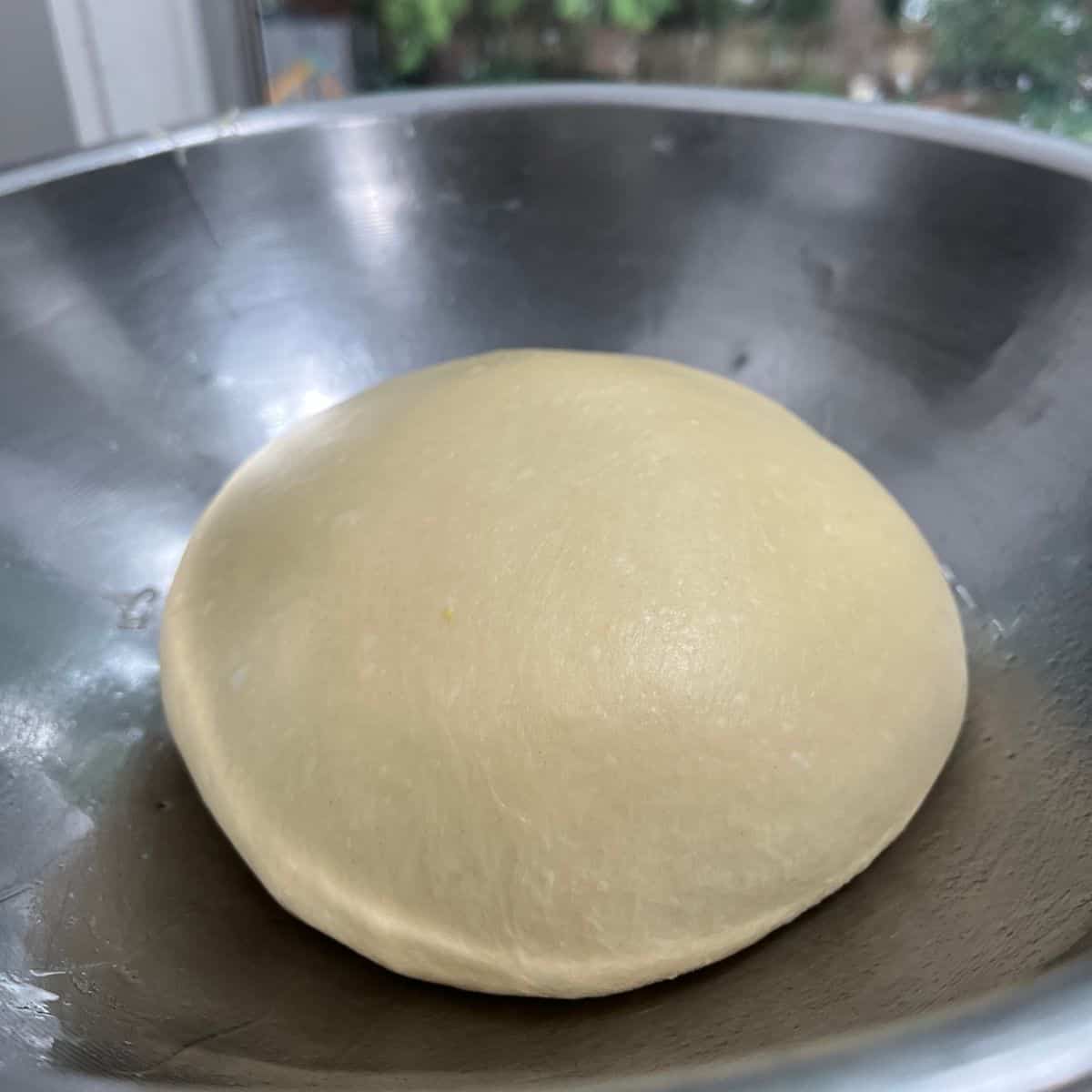
The goal of kneading isn't simply to mix the ingredients together.
It's to build enough gluten structure for the dough to hold gas during fermentation, expand properly, and create good texture.
As dough develops, it typically moves through several stages:
- Ingredients are combined into a rough, sticky mass.
- The dough begins to look more cohesive.
- It becomes smoother and more elastic.
- Eventually, it stretches into a thin windowpane without tearing.
For most enriched doughs and many everyday bread doughs, this final stage is a good indication that the dough has developed enough structure.
Rather than focusing on a specific mixing time, pay attention to how the dough looks and feels.
Develop Enough Structure for the Type of Bread You're Making
One of the reasons this topic can be confusing is that not every dough develops in the same way.
Some doughs rely primarily on mixing to build structure.
Others continue developing through time and folds during fermentation.
The goal is to develop enough structure for the type of bread you're making.
For example:
- Brioche, sandwich bread, soft rolls, donuts and cinnamon rolls generally benefit from full gluten development during mixing.
- Many lean or higher-hydration doughs continue building strength through stretch-and-folds during bulk fermentation.
- Croissant dough and puff pastry continue developing gluten as they're sheeted and folded during lamination.
That doesn't mean mixing these doughs to full development is necessarily harmful in a home kitchen. It simply means there is more than one way to build the structure a dough needs.
For most home bakers, however, it's still better to err on the side of sufficient development than to stop mixing too early.
What Underdeveloped Dough Looks Like
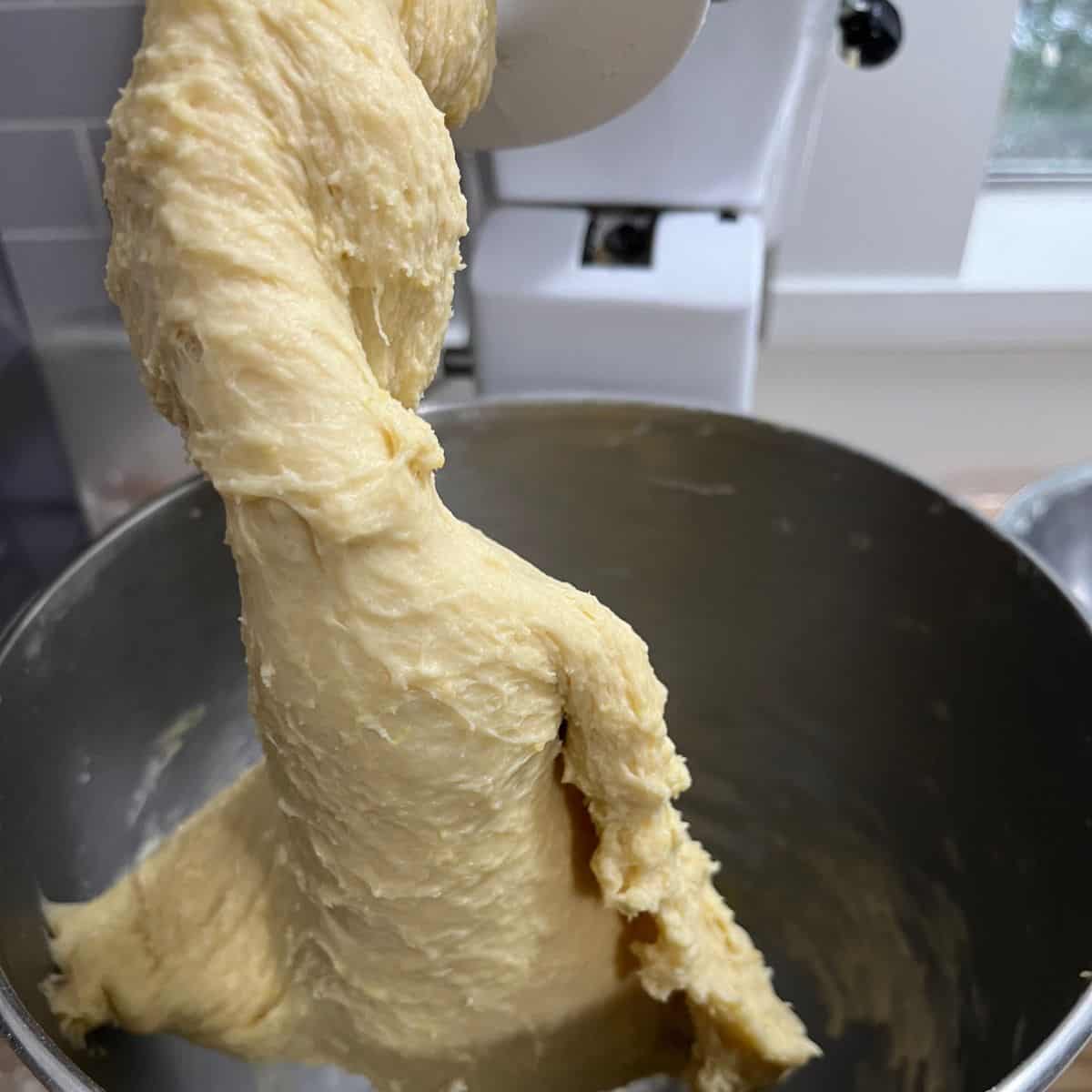
Underdeveloped dough hasn't built enough gluten structure yet.
It often feels:
- rough
- sticky
- difficult to stretch/tears immediately when pulled
- weak during a windowpane test
Without enough structure, the dough struggles to trap the gas produced during fermentation.
The result is often:
- bread that doesn't rise as well as expected
- reduced oven spring
- a flat loaf
- dense bread
Fortunately, this is usually easy to fix.
The dough often needs more mixing, more resting time, more folds - or a combination of all three.
What Overkneaded Dough Actually Looks Like
True overkneading looks very different.
In commercial bakeries, dough can eventually become so overmixed that friction and heat begin breaking down the gluten network.
When this happens, the dough may:
- become too warm
- lose its elasticity
- become very soft or almost soupy
- develop a slightly gray appearance
- lose its ability to hold its shape
Once gluten has broken down this far, the dough is unlikely to recover.
Fortunately, this is relatively uncommon in a typical home kitchen.
If Your Dough Feels Too Dry or Firm
If your dough feels rough, dry, or difficult to knead, overkneading is probably not the cause.
More often, the dough:
- is naturally a lower-hydration dough,
- needs more time to hydrate,
- or contains too much flour because of inaccurate measuring or additional flour being incorporated during mixing or kneading.
Bagel and pretzel doughs, for example, naturally feel firmer because they're made with less water.
Most bread doughs, however, should gradually become smoother, more elastic, and easier to handle as gluten develops.
If Your Dough Feels Too Sticky
Sticky dough is one of the most common reasons bakers think something has gone wrong.
In many cases, however, sticky dough is completely normal.
The dough may be sticky because:
- it's a higher-hydration formula,
- the flour hasn't fully absorbed the water yet,
- the gluten hasn't developed enough,
- or the ingredients weren't measured accurately.
Before adding more flour, continue mixing for a few more minutes or let the dough rest for 10 to 20 minutes, then continue mixing.
As the flour hydrates and the gluten develops, many doughs become noticeably smoother and less sticky without adding any additional flour.
If the dough remains extremely wet after adequate mixing and resting, it's worth double-checking your measurements or recipe.
Before You Assume Your Dough Is Done Mixing
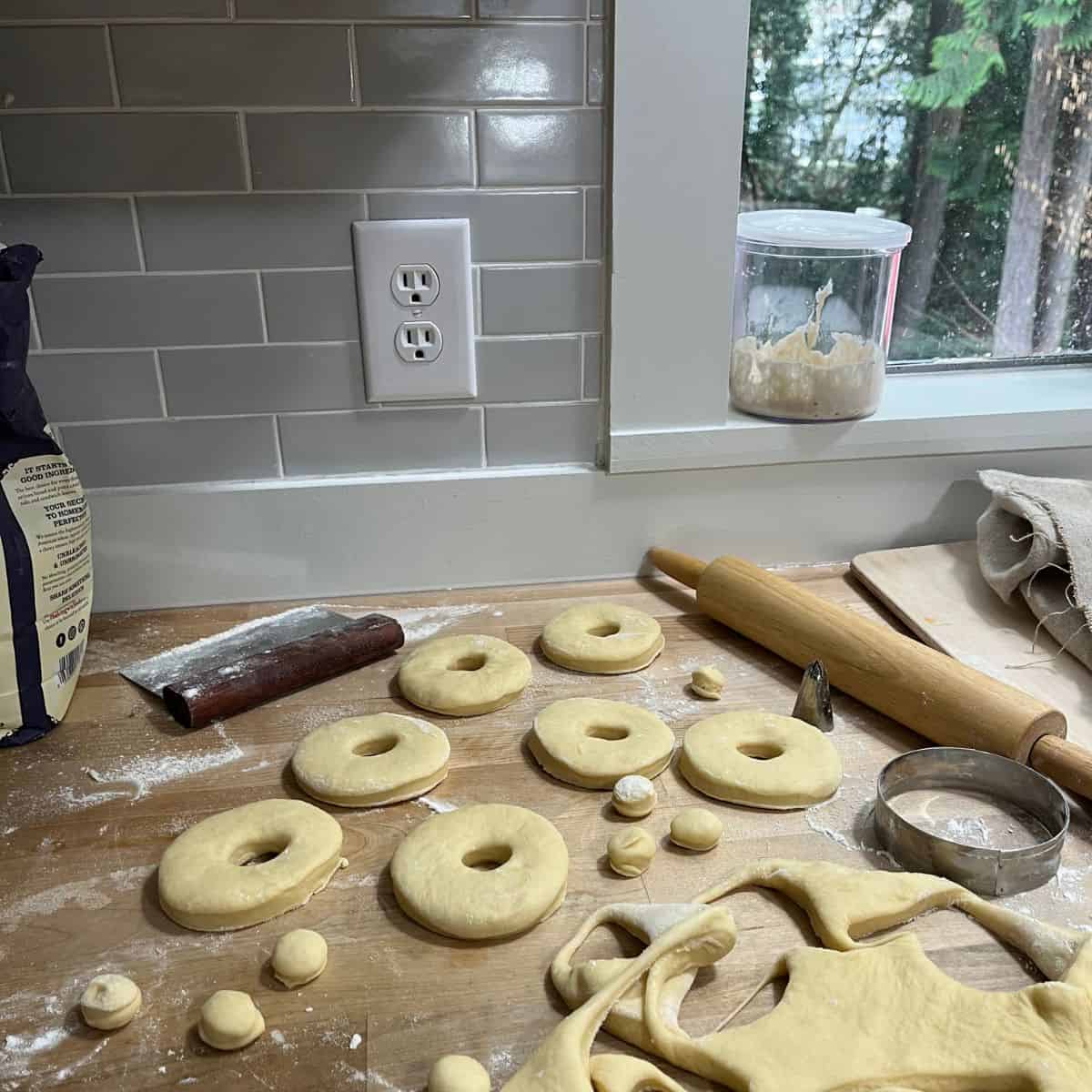
Before deciding your dough has had enough mixing, ask yourself:
- Should this dough pass a windowpane test at this stage?
- Is this a dough that continues developing through stretch-and-folds during fermentation?
- Am I judging the dough by how it feels - or by how long I've been mixing?
Remember that gluten development doesn't stop when mixing ends. During bulk fermentation, time and stretch-and-folds continue strengthening the dough. For many bread doughs, you can expect the dough to develop enough structure to pass a windowpane test by the end of bulk fermentation - even if it didn't immediately after mixing.
If you're still unsure, it's better to err on the side of sufficient development than to stop mixing too early.
Bread Making: Start Here
If you're trying to become a more confident bread baker, it's helpful to understand how each stage of the process builds on the next.
Step 1: Understand the Bread-Making Process
Start by learning how bread comes together from beginning to end.
👉 Bread Making Explained: The 12 Steps That Matter
Step 2: Build Strong Dough
A well-developed dough is the foundation of good bread.
👉 Why Is My Dough Sticky? (And How to Fix It)
👉 Why Is My Dough Not Smooth or Elastic? (And How to Fix It)
👉 How to Knead Dough Properly (And How to Know When It's Ready)
Step 3: Master Fermentation & Proofing
Learn how yeast, time, and temperature affect your dough.
👉 Do You Really Need to Proof Yeast? (Instant vs Active Dry Explained)
👉 How to Proof Bread in the Oven (Without Overproofing It)
👉 How Long Should Bread Proof? (And How to Know When It's Ready)
Step 4: Troubleshoot Your Bread
If something doesn't turn out as expected, these guides can help.
👉 Why Is My Bread Dense? (6 Common Causes and How to Fix Them)
Step 5: Apply It to Specific Bakes
See how these same principles apply to enriched doughs and specialty breads.
👉 Troubleshooting Cinnamon Rolls (Fix Dense, Dry or Flat Rolls)
👉 Are All Cinnamon Roll Recipes Basically the Same? (Here's What Actually Matters)
FAQ
Can you overknead dough by hand?
It's possible, but it's uncommon. Most home bakers kneading by hand are more likely to underdevelop their dough than overwork it.
Can a KitchenAid overknead dough?
Yes. Extended mixing - especially at higher speeds - can eventually overmix dough. For most everyday baking, however, underdevelopment is still the more common issue.
Why won't my dough pass the windowpane test?
The dough usually needs more development through mixing, resting, folds, or a combination of all three.
Does sticky dough mean it's underdeveloped?
Often, yes. Sticky dough is usually an early stage of gluten development rather than a sign that something has gone wrong.
Can overkneaded dough be fixed?
If the gluten has completely broken down and the dough has become very soft or soupy, it generally won't recover. Fortunately, this is rare in home kitchens.
Final Thoughts
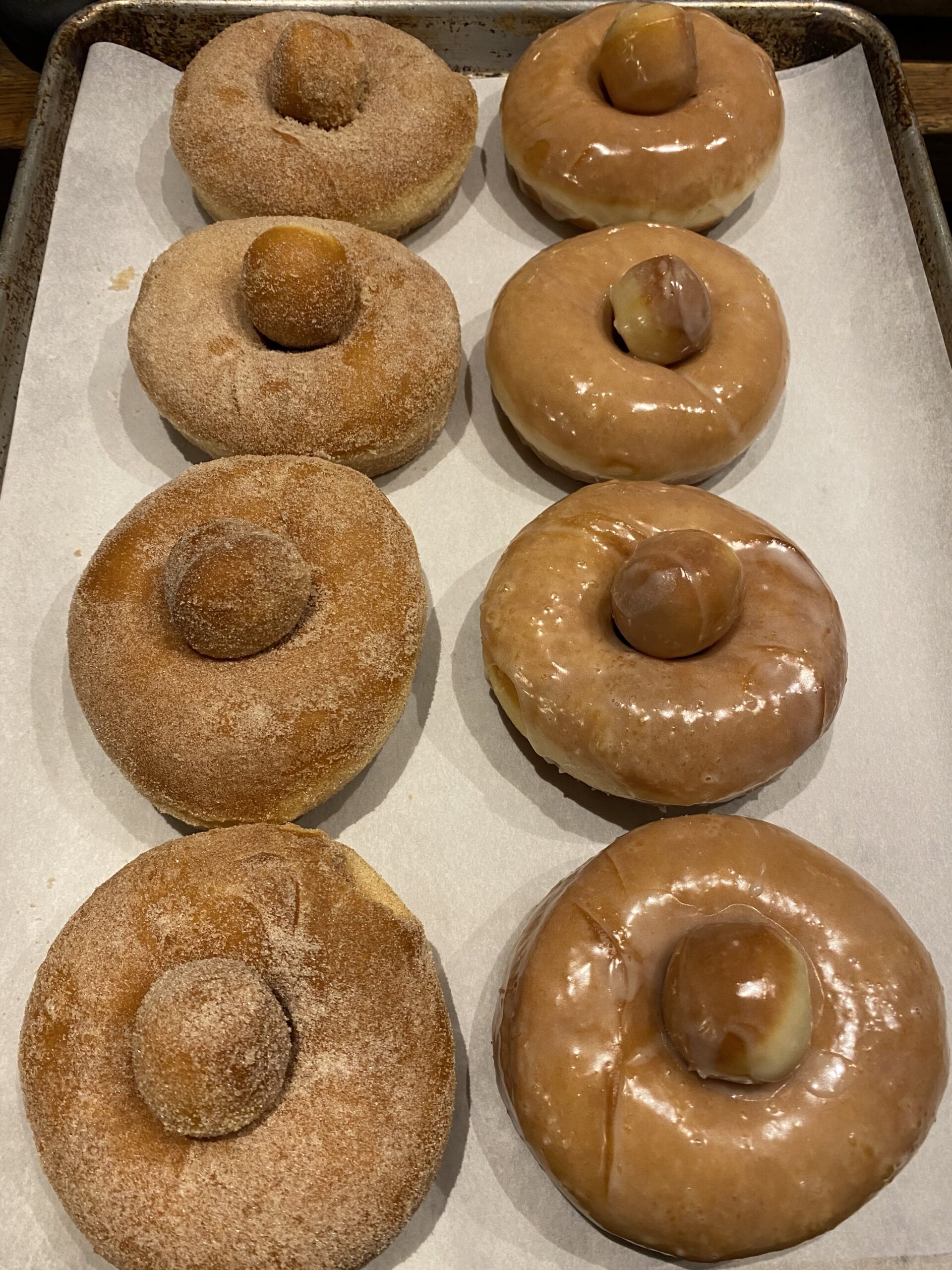
Many home bakers spend more time worrying about overkneading than they need to.
The better question isn't, "Have I mixed too much?"
It's, "Has my dough developed enough structure?"
Learning to recognize that point will help you bake with more confidence and produce more consistent results.
Pocket Baker Perspective
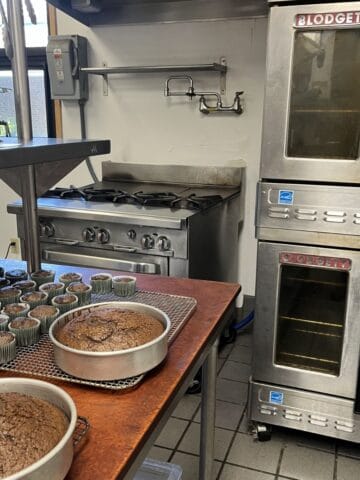
One of the biggest differences between home kitchens and professional bakeries is the equipment.
I've mixed dough by hand, in countertop KitchenAids and 20-quart mixers to 50-quart spiral mixers and 60 quart Hobart mixers. Each develops dough differently.
While it's absolutely possible to overmix dough, it's far more common in commercial bakeries, where larger mixers generate more friction and heat over longer mixing times.
That's why I don't like blanket advice that says, "Be careful not to overknead."
In my experience, that warning causes many home bakers to stop mixing before the dough has developed enough structure.
I'd much rather see someone learn to recognize a well-developed dough - using cues like elasticity and the windowpane test - than worry about mixing for one or two minutes too long.