










Introduction
You may have heard:
👉 “Muffin batter needs to be baked right away.”
The concern is that baking powder or baking soda will lose strength if the batter sits.
In practice, that’s not how most batters behave.
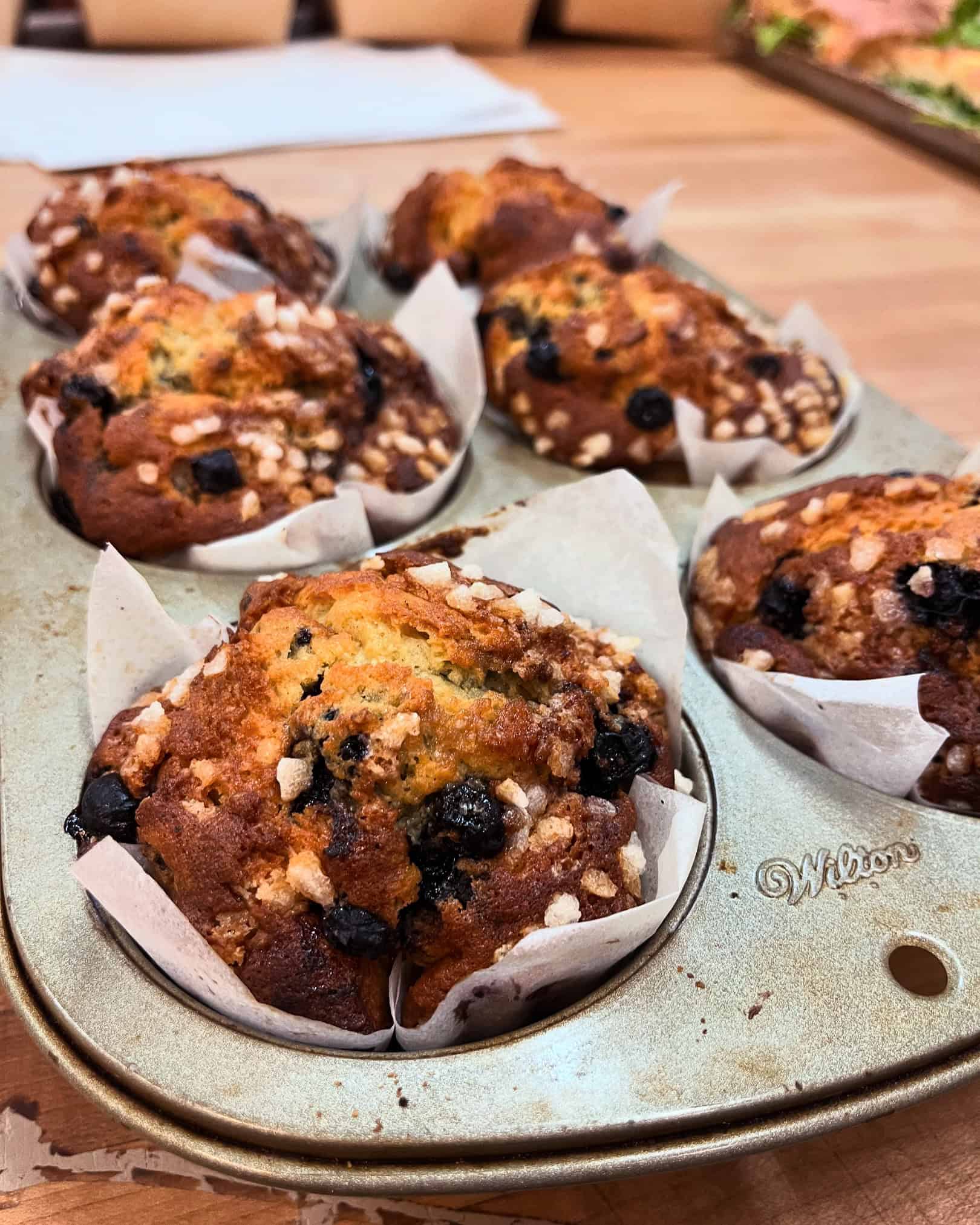
Resting batter in the refrigerator allows the flour to hydrate more fully, often leading to a more tender, moist final product.
And in many bakeries, this is done intentionally - batters are mixed, held overnight, and baked the next day for consistency and efficiency.
Jump to:
- Introduction
- Quick Answer: Can You Refrigerate Muffin Batter?
- What Actually Happens When Batter Rests
- What About Baking Powder and Baking Soda?
- How Long Can You Refrigerate Muffin Batter?
- A Practical Production Approach
- Why This Works in Practice
- Keep in Mind
- Related Guides
- Final Thoughts
- Pocket Baker Perspective
- Get the FREE Profitable Baker Pricing Calculator
Quick Answer: Can You Refrigerate Muffin Batter?
Yes - you can refrigerate muffin batter.
👉 In most batters that include baking powder or a combination of baking powder and baking soda (muffins, cakes, quick breads, pancakes), refrigerating overnight works well and does not negatively affect the final result.
In many cases, it actually improves it.
You may notice:
- a more hydrated batter
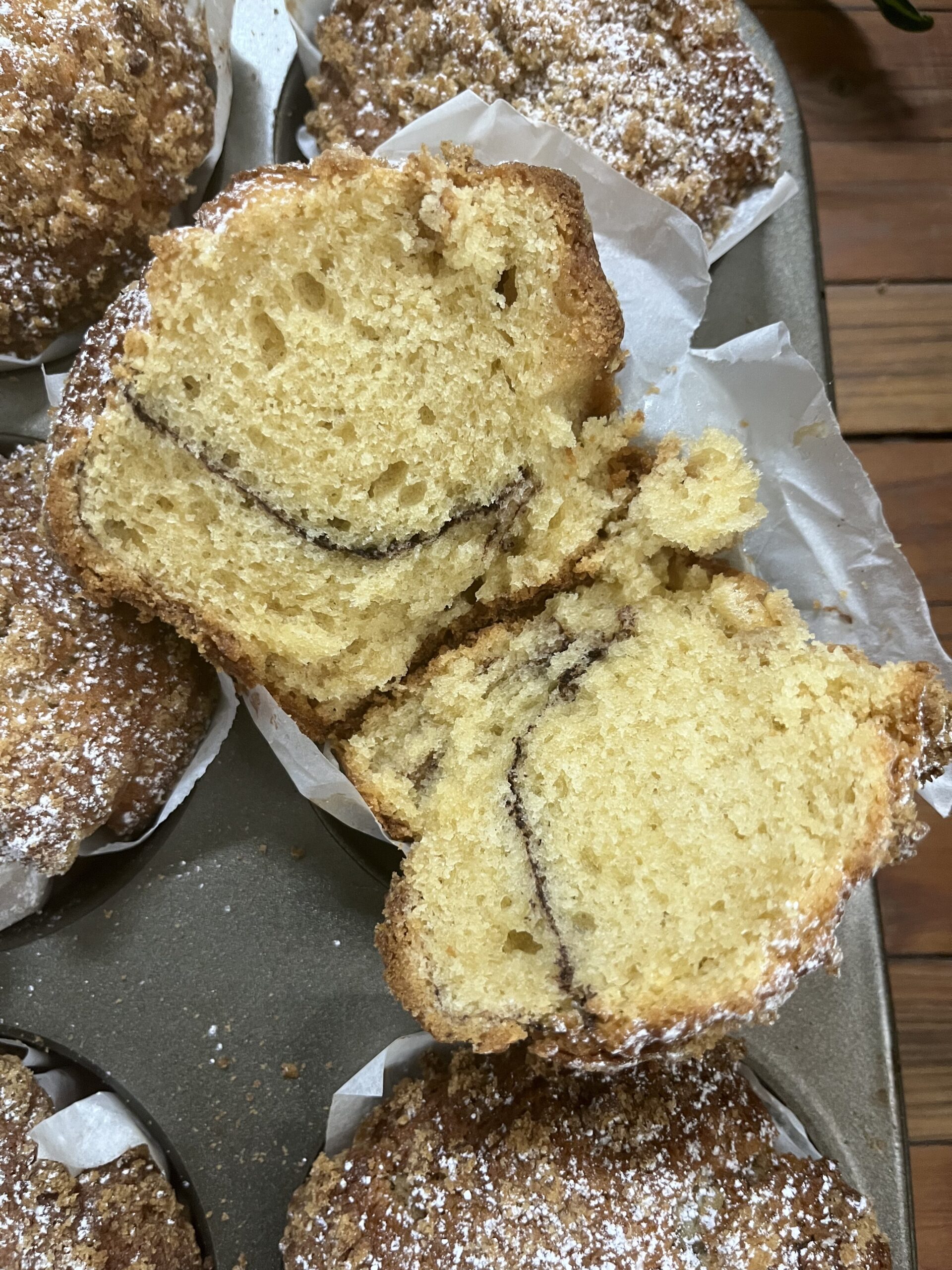
- a finer, more even crumb
👉 This is standard practice in many professional kitchens.
What Actually Happens When Batter Rests
When muffin batter rests in the refrigerator:
1. The Flour Hydrates More Fully
- starch absorbs liquid
- batter becomes more cohesive
👉 This often leads to a more even, tender crumb.
2. The Batter Stabilizes
- ingredients distribute more evenly
- structure becomes more consistent
3. The Final Texture Improves
Rather than losing quality, rested batters often produce:
- softer interiors
- more uniform texture
👉 In many cases, the result is better - not worse.
What About Baking Powder and Baking Soda?
Baking powder and baking soda begin reacting once mixed into a wet batter.
That part is true.
But:
👉 that initial reaction is only part of the process
Most baking powders are double-acting:
- one reaction when combined with liquid
- another in the oven
👉 The second reaction provides lift during baking, even after resting.
In balanced formulas, this is more than enough to support proper rise.
How Long Can You Refrigerate Muffin Batter?
A practical guideline:
👉 up to 8-24 hours works very well
Beyond that, results may become less consistent.
👉 For longer storage, freezing is the better option.
A Practical Production Approach
This is how many bakers manage workflow:
Refrigerate Overnight
- mix batter in advance
- bake fresh the next day
Freeze for Longer Storage
- portion batter into tins (with liners)
- freeze
- remove once solid and store
This approach allows for:
- fresh products daily
- more efficient production
- less repetitive prep
👉 Can You Freeze Muffin Batter (And How to Bake from Frozen)
Why This Works in Practice
Quick bread batters don’t rely on a single moment of leavening.
They rely on a combination of structure, timing, and how the batter behaves as it bakes.
When batter is refrigerated:
- the rate of reaction in baking powder and baking soda slows down
- some leavening may begin early, but not all of it is lost
During baking:
- double-acting baking powder continues to activate in the oven
- remaining leavening contributes to rise as the structure sets
👉 This is why rested batter can still produce consistent results.
It’s also important to keep in mind:
👉 volume isn’t the only goal
A good muffin is also defined by:
- a tender texture
- a soft crumb
- an even, consistent structure
In many cases, resting the batter supports these qualities - not works against them.
Keep in Mind
The type of batter matters.
This approach applies to batters that are leavened with:
- baking powder
- or a combination of baking powder and baking soda
👉 Baking powder should be double-acting, so it can continue to provide lift during baking.
Batters that rely on mechanical leavening - such as whipped eggs or egg whites - behave differently.
These include:
- sponge cakes
- genoise
- chiffon-style batters
👉 These do not benefit from resting and should be baked shortly after mixing.
For muffins and quick bread-style batters:
👉 refrigerate the batter as soon as mixing is finished
This helps maintain consistency and supports structure during baking.
Muffins with Fruit
Fresh and frozen fruit can soften and release moisture as the batter rests.
👉 For best results, fold the fruit in just before baking rather than mixing it in ahead of time.
Related Guides
👉 What Is the Creaming Method? (And Why It Affects Your Results)
👉 How to Make Cookie Dough Ahead of Time (A Pro Baker’s Method)
👉 Can You Freeze Muffin Batter (And How to Bake from Frozen)
Final Thoughts
Refrigerating muffin batter isn’t a workaround.
It’s a practical and effective way to improve consistency and manage production.
👉 In many cases, it produces a better result - not just a convenient one.
Pocket Baker Perspective
In professional kitchens, batter is often prepared ahead of time.
Not because it has to be - but because it makes production more efficient and results more consistent.
👉 When you understand how the batter behaves, you can use that to your advantage - rather than avoid it.