






In a professional bakeshop, very little goes to waste because tight margins require smart, intentional repurposing. Every leftover croissant, baguette and brioche has the potential to become something new. It’s an essential part of efficient production, and a habit home bakers and cottage bakers can benefit from too.
If you’ve ever wondered what to do with day-old bread or extra pastries, you’re about to learn the same strategies bakeshops use every single day. These methods save money, reduce waste, and often create some of the most delicious items on the menu.
In this guide, you’ll learn how to repurpose common baked goods into high-value items - from bread puddings and croutons to bostock, twice-baked croissants, honey butter toast, and more.
What to Consider First
Before deciding how to repurpose your bread or pastries, think about:
Moisture Level
Stale breads absorb liquid more effectively (ideal for bread pudding), while still-soft items can be toasted or transformed into twice-baked pastries to give them new life.
Flavor Profile
- Neutral breads (sandwich, rustic, sourdough) are versatile.
- Enriched breads (brioche, challah, milk bread) naturally lean sweet and buttery.
- Pastries bring their own flavor - use that to your advantage.
Your Schedule
- Some ideas take minutes (croutons).
- Others require more time (bread pudding, twice-baked pastries).
- Freezing extends your timeline.
Professional Considerations
Commercial kitchens think about labor, cost, and whether a repurposed item will sell. At home, your goal may simply be avoiding waste - the method is the same.
Repurposing isn’t about “using leftovers.” It’s about transforming them into something intentional - and often better.
Bread & Pastry Repurposing (The Pro Baker Way)
Bread is the backbone of bakery repurposing. Whether it’s rustic sourdough, a soft enriched loaf, or a tray of croissants, each category has ideal second-life uses.
These preparations were born from the need to use up leftover bread. In many bakeries, the “second-life” version became so popular that we now bake extra loaves specifically to make these items.
Below are the transformations pros rely on - written so you can use them at home, no matter what type of bread you have.
1. Standard Breads (Lean or Enriched)
Sourdough, rustic loaves, baguettes, dinner rolls, sandwich bread, bagels, pretzels
Toast
The quickest way to revive bread. Works with almost anything. Best made with next-day bread; too-stale bread becomes dry rather than crisp.
French Toast
A top-tier use for slightly stale enriched breads.
Day-old bread absorbs custard evenly without falling apart.
Bread Pudding (Sweet or Savory)
An all-purpose solution for both lean and enriched breads - and an excellent way to use up other leftovers. Avoid using bagels, pretzels, and quick breads.
Sweet additions:
- jams or compotes
- nuts, chocolate, coconut
- dried or fresh fruit
- cinnamon rolls, danish, raisin bread, pain au chocolat make excellent bread pudding
Savory additions:
- herbs, garlic, caramelized onions
- cheese
- cooked meats or vegetables
Turn your bread pudding into an after-dinner dessert by serving it with caramel sauce and ice cream, or into “baked French toast” for an elevated brunch.
Croutons
Any bread works.
Bagel or pretzel croutons bring extra chew and flavor - great for salads, soups, or snacking.
Crostini / Bruschetta / Cheese Toasts
Baguette, focaccia, sourdough - Thinly sliced, toasted until crisp.
Use for dips, charcuterie boards, salads, or soup toppers (think French onion with gruyère).
Bread Crumbs or Panko
Dry, pulse, and store.
Use for frying, breading, casseroles, or adding crunch.
Panzanella
Rustic breads shine here.
Stale bread absorbs dressing beautifully without turning mushy.
Freezing for Later
Short on time? Wrap and freeze bread leftover bread before it gets too stale. Thaw at room temperature and repurpose whenever you’re ready.
2. Pastry Repurposing: Croissants, Brioche, Milk Bread & More
Day-old pastries transform into some of the most popular bakery items.
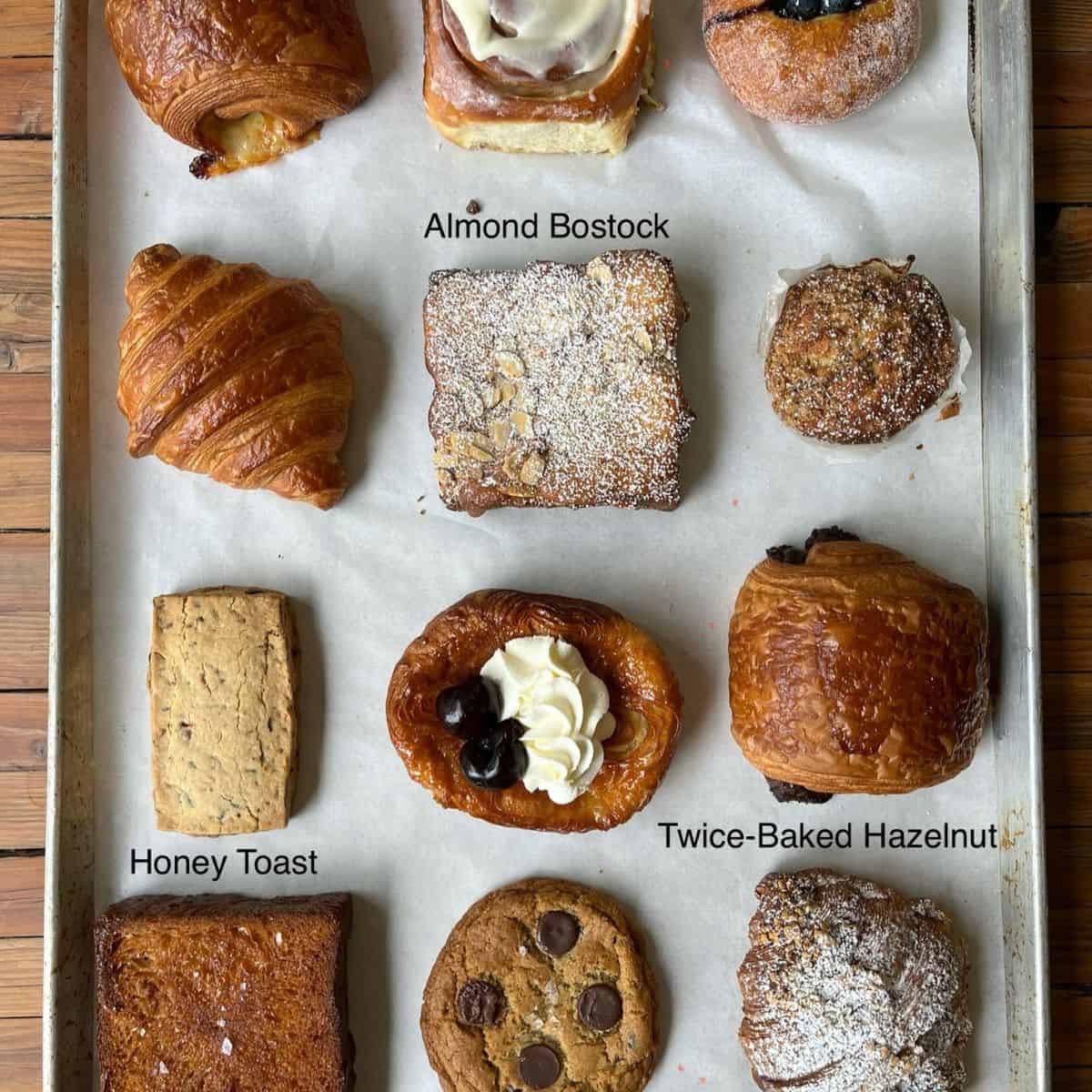
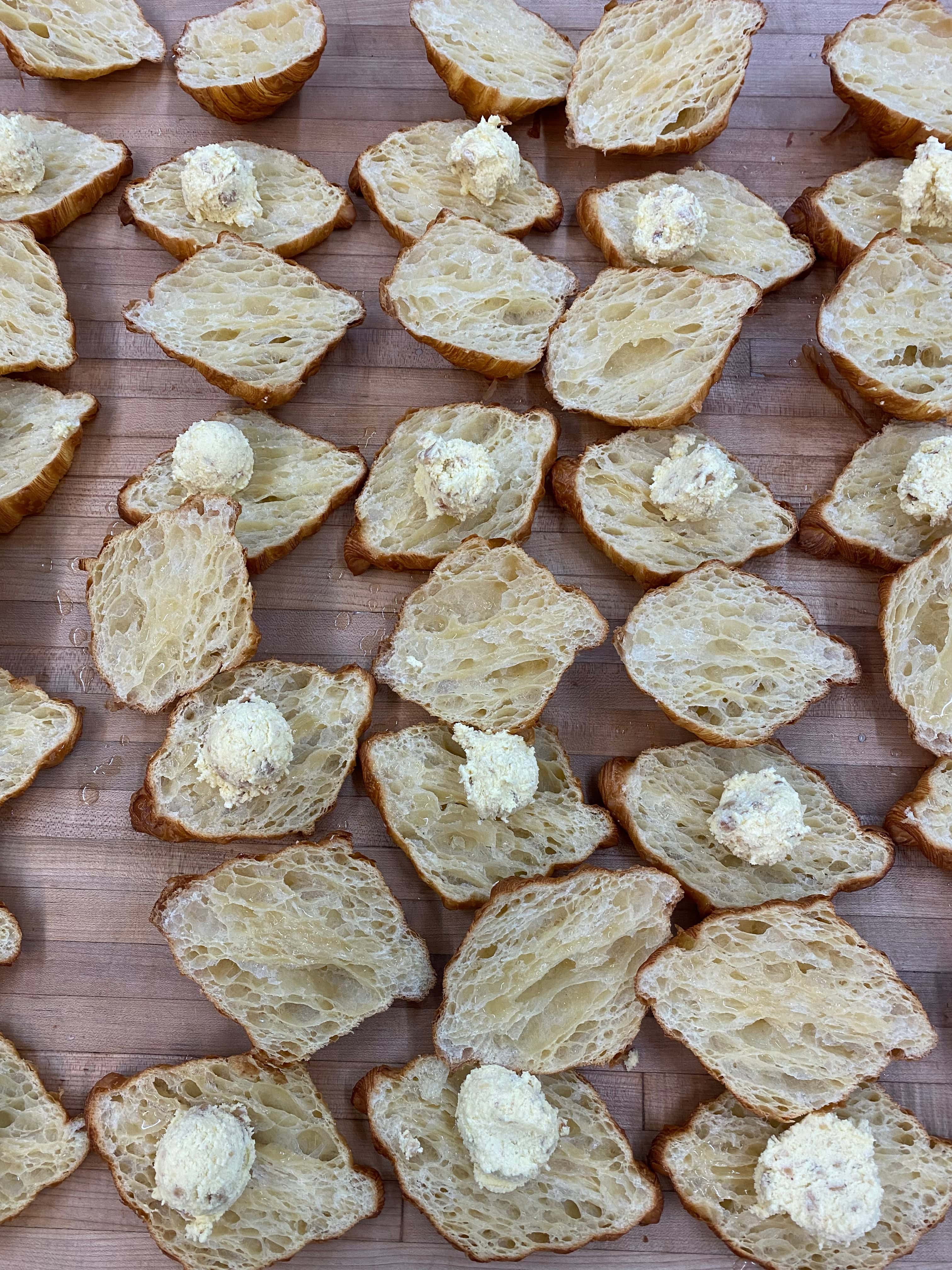
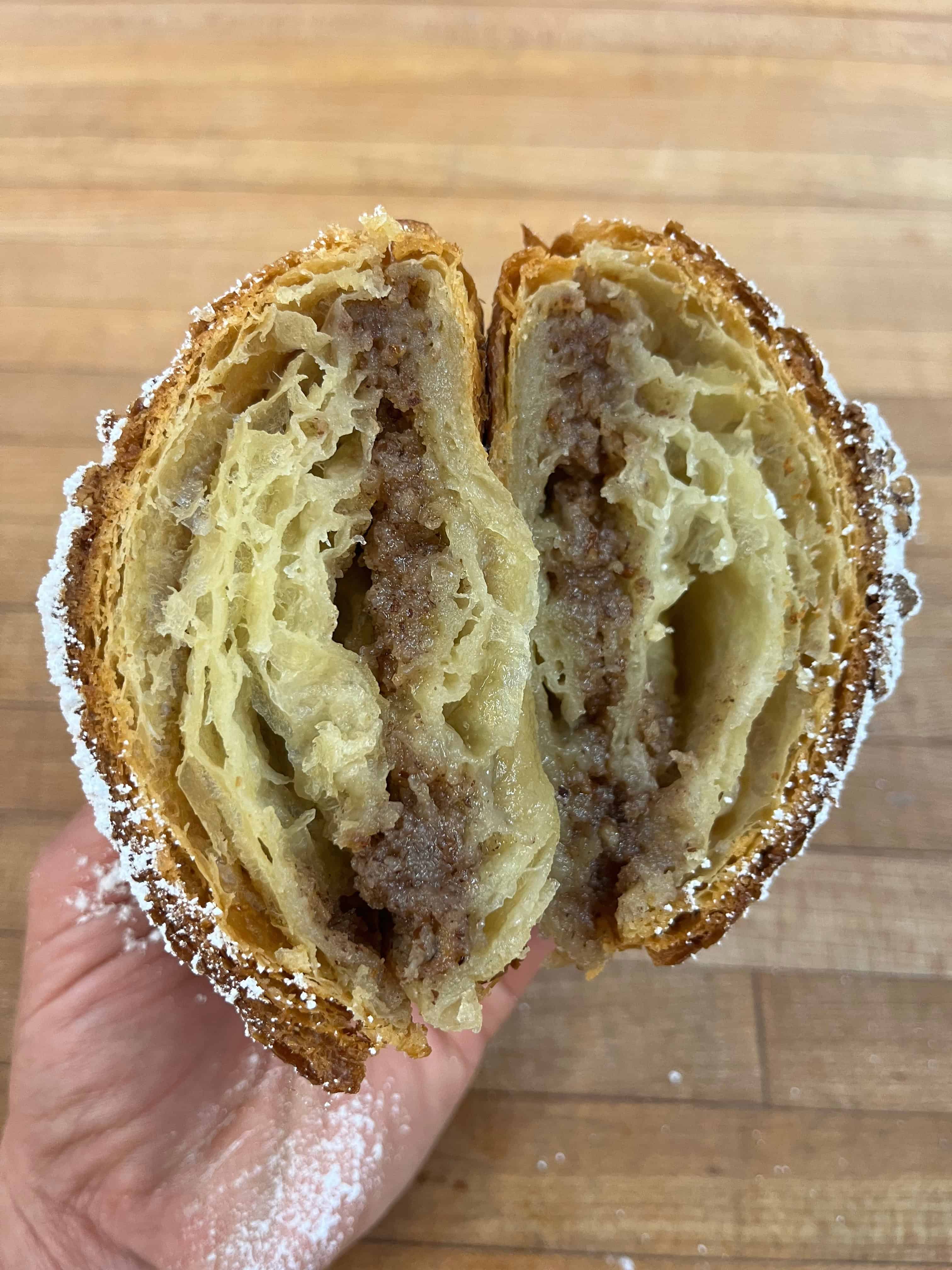
Twice-Baked Croissants
A classic way to upgrade a croissant.
Revives day-old croissants with simple syrup, frangipane and toasted nuts.
Often sold at a higher price point than fresh croissants.
Variations: almond, pistachio, hazelnut, chocolate.
Crookies
A croissant–cookie hybrid, popularized online and widely sold in bakeries.
Honey Butter Toast (Shokupan)
Japanese milk bread becomes caramelized and custardy when toasted with honey and butter.
Second-day shokupan slices better anyway.
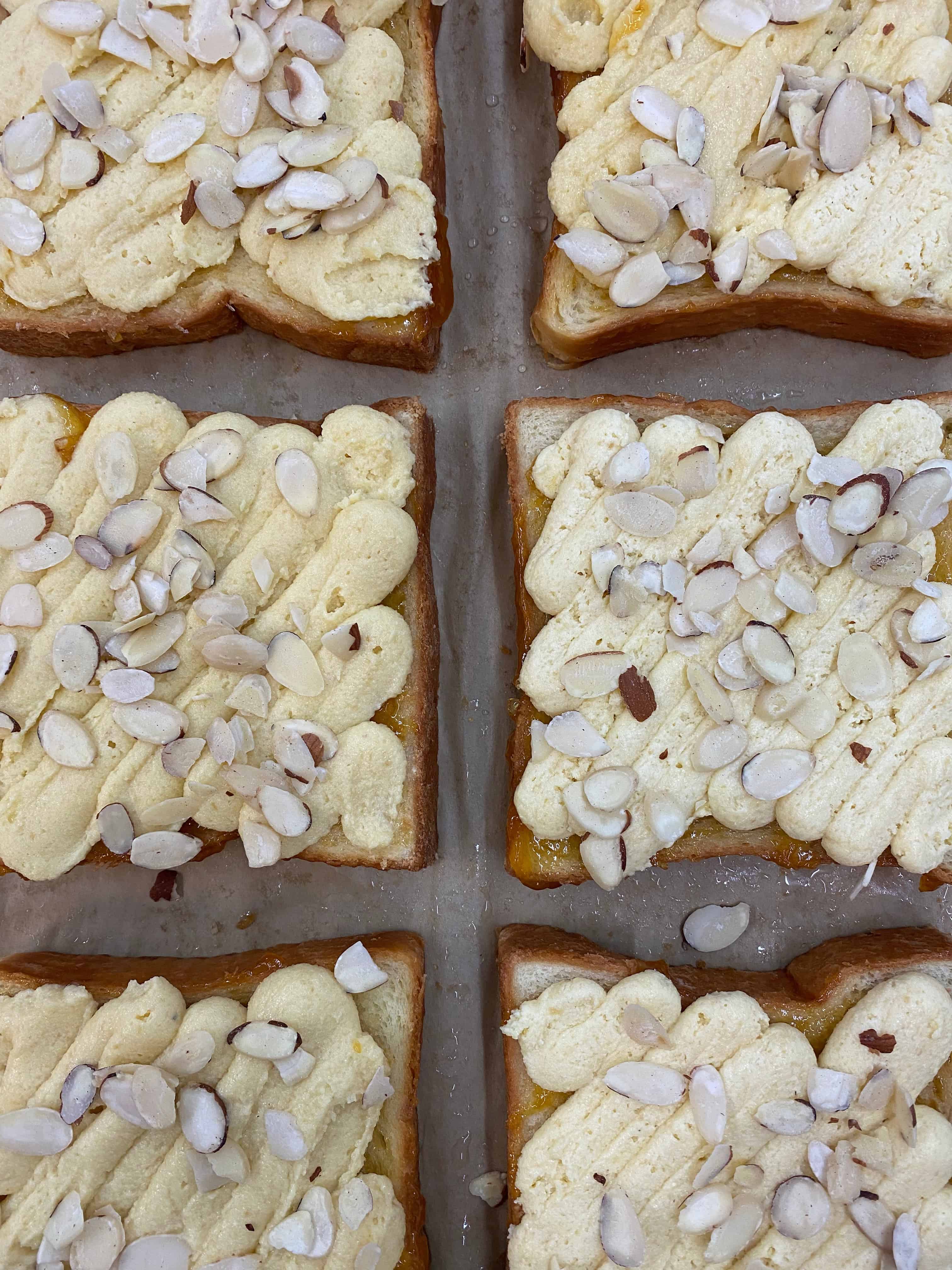
Bostock (Brioche)
A French pastry made from day-old brioche soaked in syrup, topped with frangipane and almonds.
One of the most delicious uses for stale enriched bread.
Pastry Crumbs
Cookies, biscotti, sweet breads, even cake layers can be dried and blitzed into crumbs for:
- crusts
- toppings
- layers in parfaits
- ice cream mix-ins
Cake Scraps
Repurpose into:
- cake pops
- parfaits
- trifles
- ice cream sundaes
Which Repurposing Method Should You Use?
Bread slightly stale?
→ Croutons, French toast, crostini
Bread too stale for toast?
→ Bread pudding, panzanella, breadcrumbs
Pastries stale?
→ Twice-baked pastries (croissants, bostock)
Short on time?
→ Freeze and revisit later
Need a “high-value” item?
→ Bostock, twice-baked croissants, honey butter toast
Storage, Freezing & Safety
How long bread lasts before repurposing
- Room temp: 2 - 4 days
- Refrigeration dries bread (useful for crumbs or pudding)
- Freeze if you won’t use it within a few days
- If you see mold, discard
Freezer guidelines
- Wrap well, up to 3 months
- Pastries are best if repurposed within 1 month
Best thawing practices
- Thaw at room temperature
- Remove plastic wrap to prevent moisture buildup
When to discard
- Mold
- Off smells
- Excessive moisture or stickiness
- Bread too hard to cut (use only for crumbs)
Pro Tips
- Bake croutons or crostini at a lower temperature for longer if you want them fully dried, or at a higher temperature for a shorter time if you want them crisp on the outside but softer in the center.
- If twice-baked pastries are browning too quickly, lower the oven temperature slightly.
- Older bread absorbs more custard; fresher bread absorbs less. Neither is “better” -just choose based on what you prefer or what you have on hand.
- Repurpose or freeze leftover bread and pastries before they get too stale.
- Keep a “repurpose bag” in the freezer for scraps, ends, and pastries you can transform later.
- Simple syrup and a simple filling brings dried pastries back to life beautifully.
- Bread that’s frozen the same day it’s baked will refresh exceptionally well (and you won't have to repurpose).
FAQs
Can I freeze bread before repurposing?
Yes - and it prevents you from having to repurpose all at once.
How long can bread and pastry scraps be frozen?
When wrapped well, best to use within 3 months.
How stale is too stale?
Mold = throw away.
If it’s too hard to cut, use for crumbs only.
Best bread for bread pudding?
Most breads, really - Brioche, challah, rustic loaves, French bread. Avoid pretzels, bagels, quick breads.
How do bakeries repurpose pastries?
Twice bakes, bostock, crumb crusts, mix-ins, cake pops.
Can gluten-free bread be repurposed?
Yes - especially for croutons and crumbs.
Fastest repurposing method?
Croutons, crostini, or toast - ready in under 15 minutes.
Final Thoughts: A Little Pocket of Wisdom
Bread and pastries in a bakeshop are meant to be enjoyed fresh - baked and sold the same day. Repurposing isn’t about passing off “old” items; it’s a long-standing bakery tradition of giving yesterday’s bread a thoughtful second life. It’s how we reduce waste, stretch our ingredients, and often create something even more delicious in the process.
That’s efficient baking at its finest.