








If you’ve been baking with cups your whole life, switching to ounces or grams can feel overwhelming - but it’s one of the best upgrades you can make for consistency, efficiency, and accurate costing.
Weight-based recipes eliminate guesswork.
They make scaling effortless.
And if you’re running (or dreaming of running) a cottage bakery, knowing your true ingredient amounts is essential.
The good news?
You don’t need fancy tools or advanced math - just your current recipe, a scale, and a willingness to learn something new.
Below is a clear, beginner-friendly system to convert any recipe from cups to weight so you can bake with more accuracy and cost your recipes with confidence.
Jump to:
Why Convert Your Recipes to Weight? (The Practical Reasons)
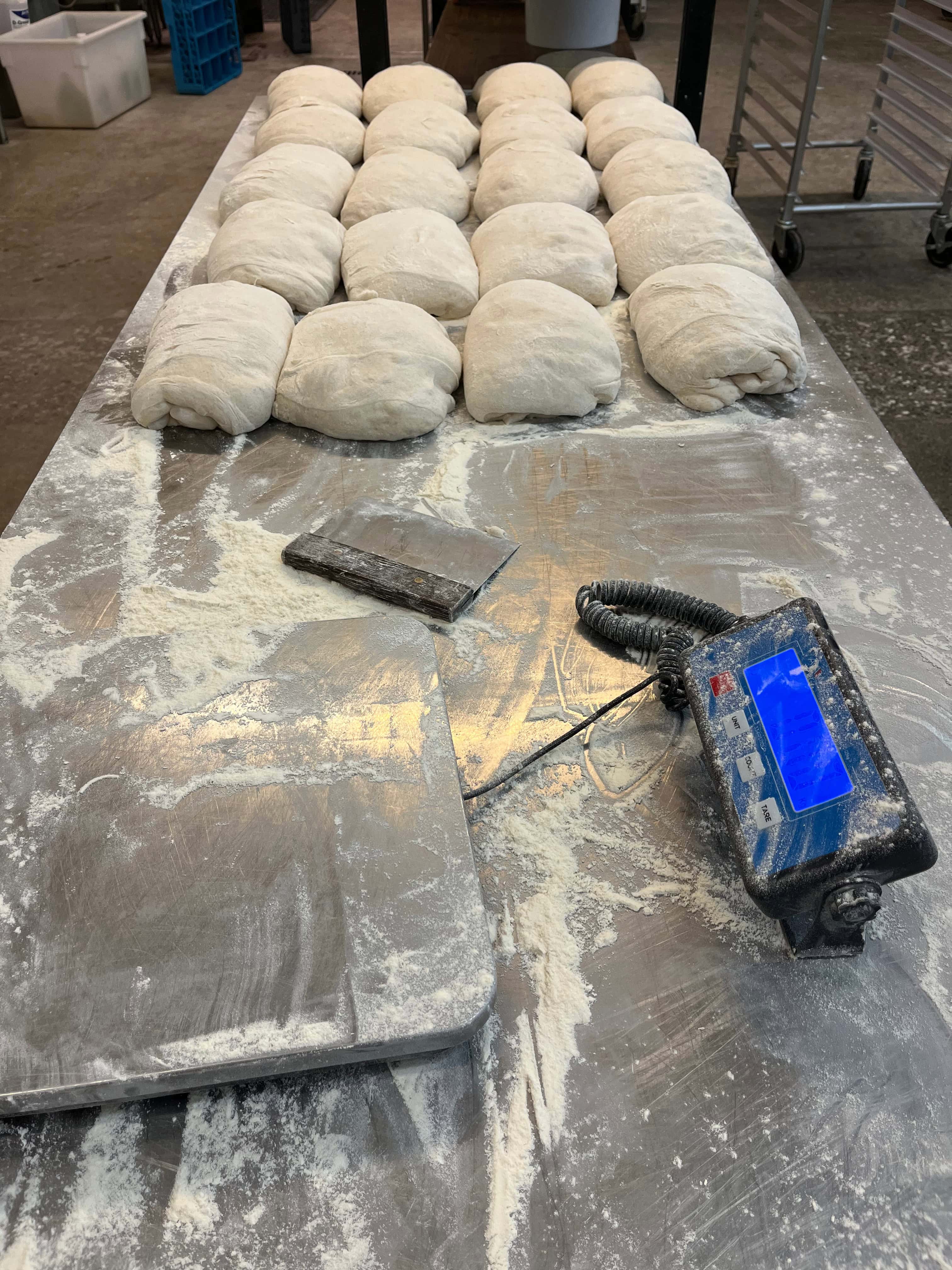
1. Weight Removes the Guesswork
A cup of flour can weigh 110g… or 150g… or anything in between.
A cup of brown sugar changes dramatically depending on how packed it is.
Your scale, on the other hand, is always precise.
2. Weight Creates Consistency
If you want reliable bakes - and reliable costs - your measurements must be consistent.
This matters even more if you’re selling your products.
3. Weight Lets You Cost Your Recipes Accurately
Costing a recipe measured in cups is nearly impossible to do accurately.
How do you calculate the cost of 8½ cups of flour when flour is sold by weight?
And even if you portion your dough by ounces, how can you know what each cookie actually costs if the recipe itself isn’t written in weight?
4. Weight Allows You to Scale Recipes Easily
Need to double a recipe? Or make twelve times the batch?
Weight-based recipes scale cleanly.
Volume-based ones… not so much.
5. Weight Saves Time and Simplifies Your Workflow
One bowl.
One scale.
No stack of measuring cups to wash.
How to Convert Your Cup-Based Recipes to Weight
There are two ways to convert a recipe.
One is fine.
The other is better.
Let’s walk through both.
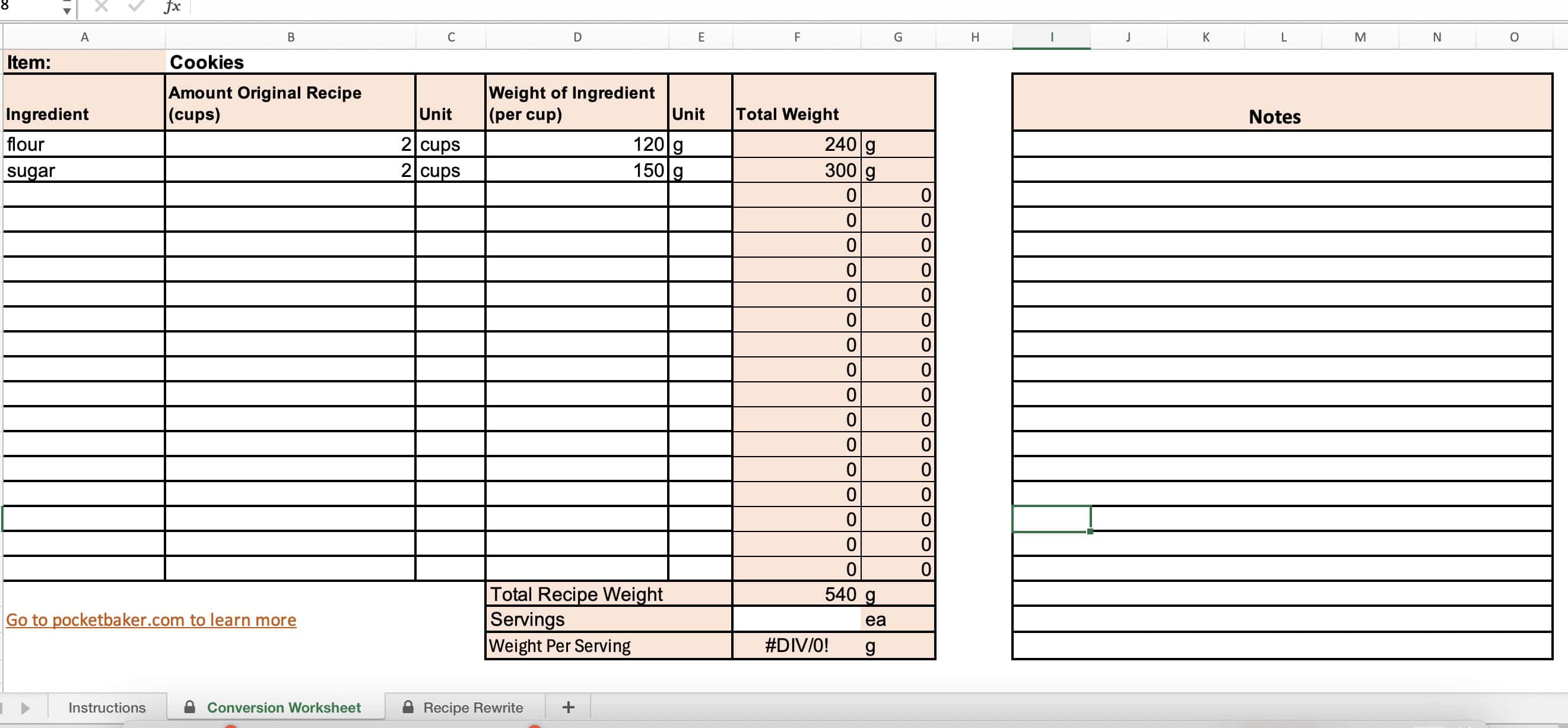
Method 1: Use Standard Weight Charts (Fine, But Imperfect)
This method relies on reference charts, such as:
- 1 cup flour = 120g
- 1 cup sugar = 200g
- 1 cup chocolate chips = 170g
This can work in a pinch - with one important caveat:
👉 Everyone scoops differently, so these numbers may not match how you bake.
Charts are a starting point, but they’re estimates.
If you choose this method, King Arthur Baking offers a reliable and extensive ingredient weight chart.
Method 2 (Recommended): Re-Make the Recipe and Weigh As You Go
This is the most accurate way - and the only way to guarantee success when converting from cups to weight.
Here’s exactly how to do it:
Step 1: Make your recipe the way you always do.
Use your usual cups, tablespoons, and techniques.
Step 2: Weigh each ingredient as you add it.
Scoop or pour exactly as you normally would - but place the bowl on the scale.
- Do not change your technique
- Tare (zero out) the scale before each ingredient
- Record the weight as you go
The goal is to capture your version of the recipe.
Step 3: Rewrite the recipe using only ounces or grams.
Instead of:
- 2½ cups flour
- 1 cup packed brown sugar
- ⅓ cup chocolate chips
You’ll now have:
- 12.8 oz all-purpose flour
- 7 oz brown sugar
- 4.2 oz chocolate chips
Step 4: Test the recipe using only the weight version.
If the results match your original batch - congratulations.
Your recipe is officially converted.
If they don’t, adjust slightly until the texture and yield match, then update your recipe permanently.
Step 5: Calculate yield and portion size.
Before you finish, record:
- Total dough weight
- Number of portions
- Weight per portion
This information makes costing dramatically easier and ensures consistency across batches.
Why This Method Beats Using Charts
Because it:
✔ captures the way you handle ingredients
✔ accounts for differences between ingredient brands (flour density, sugar moisture, chocolate size)
✔ guarantees repeatable results
✔ provides real numbers for costing - not estimates
Tips for a Smooth Conversion
1. Use a scale with grams and ounces
Grams are more precise; ounces feel familiar to many U.S. bakers. Use what works for you.
2. Take notes as you bake
Texture, stiffness, spread - small notes make big improvements later.
3. Keep the cup version only as a reference
Your weight-based recipe becomes the official version.
Why Weight Matters Even More If You Sell Your Baked Goods
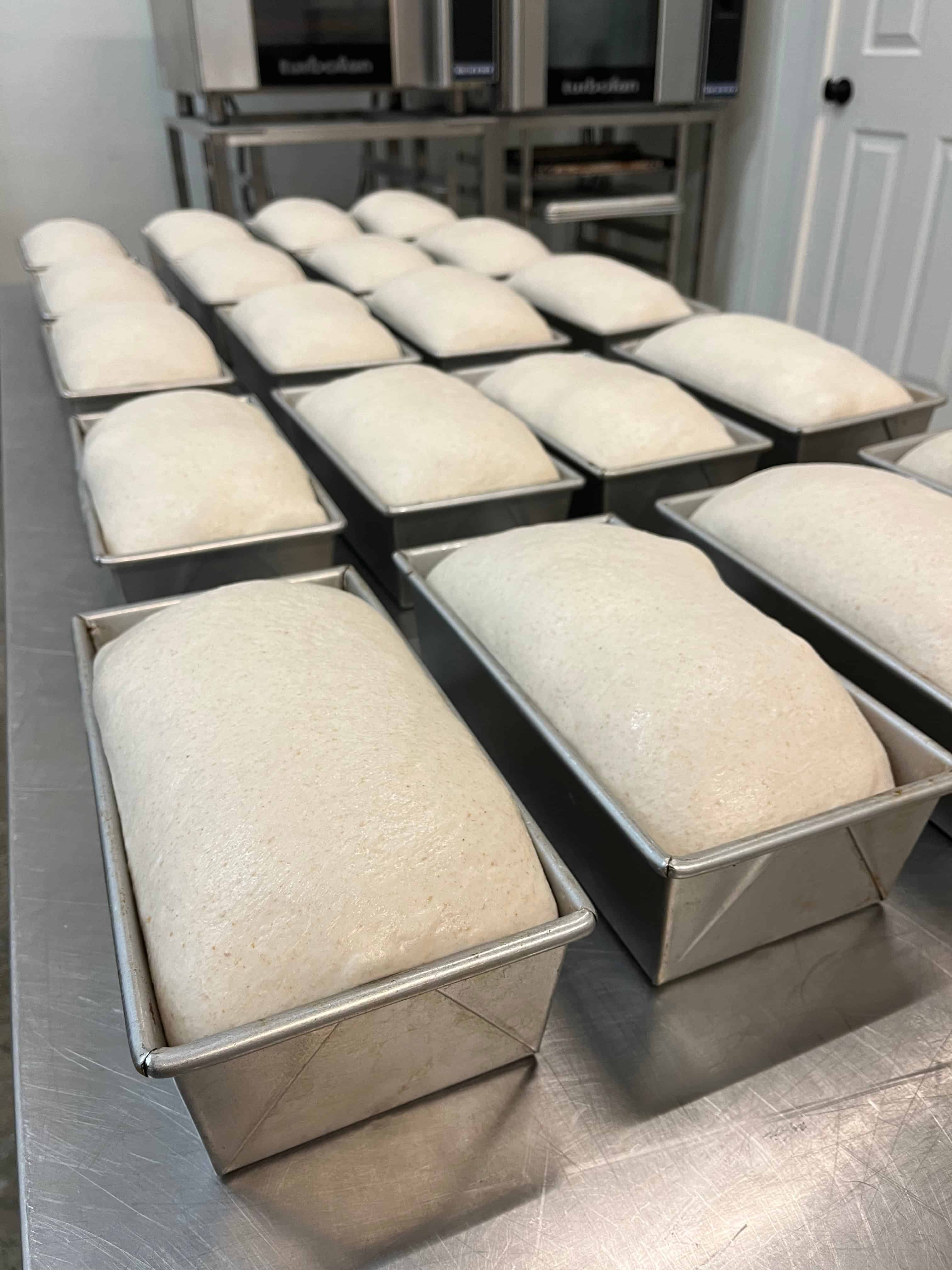
If you run (or plan to run) a home or cottage bakery, weight-based recipes allow you to:
- maintain consistent batch yields
- portion accurately
- calculate ingredient costs correctly
- predict margins
- scale production with confidence
Final Thoughts
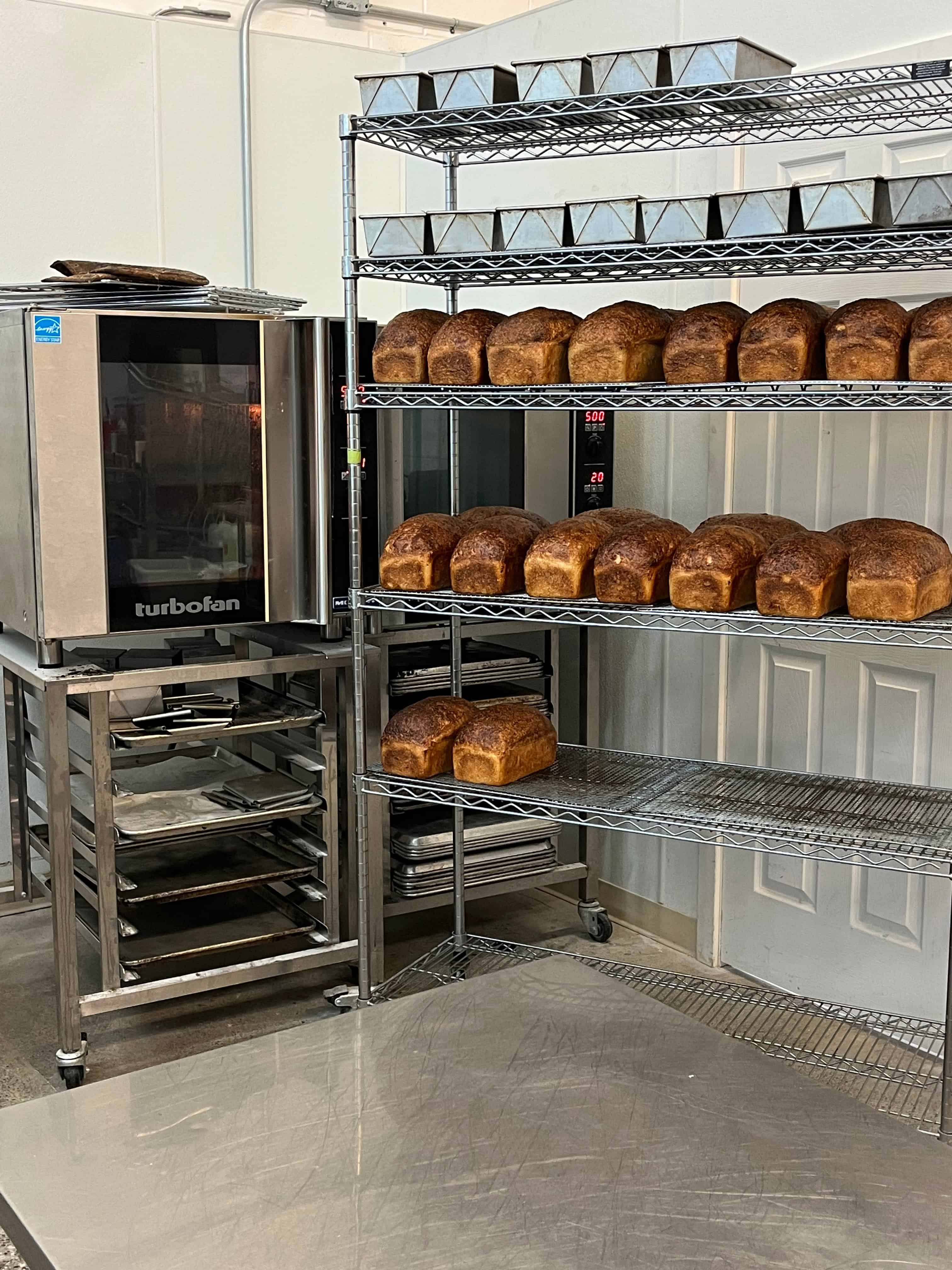
Switching your recipes from cups to weight is one of the simplest changes you can make - and it immediately improves efficiency, consistency, and workflow in your business or home kitchen.
Weight gives you:
✔ consistency
✔ accuracy
✔ efficiency
✔ and the ability to cost your recipes correctly
Once you make the switch, you’ll wonder how you ever baked without a scale.