
Introduction
Everywhere you look, there are recipes for “flaky pie crust” or the “easiest pie crust.”
Which makes it even more frustrating when you’ve spent hours making a pie from scratch - only to end up with a tough crust.
After all, it’s only flour, fat, and water.
As it turns out, the fewer the ingredients, the more the result depends on technique.
That’s why you’ll often see advice like:
👉 “Don’t overwork it”
👉 “Keep everything cold”
And while those are correct, they don’t explain why your crust turned out the way it did.
Most pie crust issues come down to a few key variables that are easy to control.
👉 Once you understand them, the process becomes much more consistent - and much less frustrating.
Jump to:
- Introduction
- Quick Answer: Why Is My Pie Crust Tough?
- What Actually Makes a Flaky Pie Crust
- What You Use to Make Your Dough Doesn’t Matter
- Why Pie Crust Turns Tough
- A Better Way to Approach Pie Dough
- After Mixing: Resting Matters
- Pie Making and Troubleshooting Guides
- Final Thoughts
- Pocket Baker Perspective
- Get the FREE Profitable Baker Pricing Calculator
Quick Answer: Why Is My Pie Crust Tough?
👉 Pie crust becomes tough when gluten develops too much and the fat is no longer able to create separation in the dough.
This usually happens when:
- the dough is overworked
- too much liquid is added
- the fat softens or is not properly distributed
👉 A flaky crust comes from limiting gluten development and keeping the fat cold.
What Actually Makes a Flaky Pie Crust
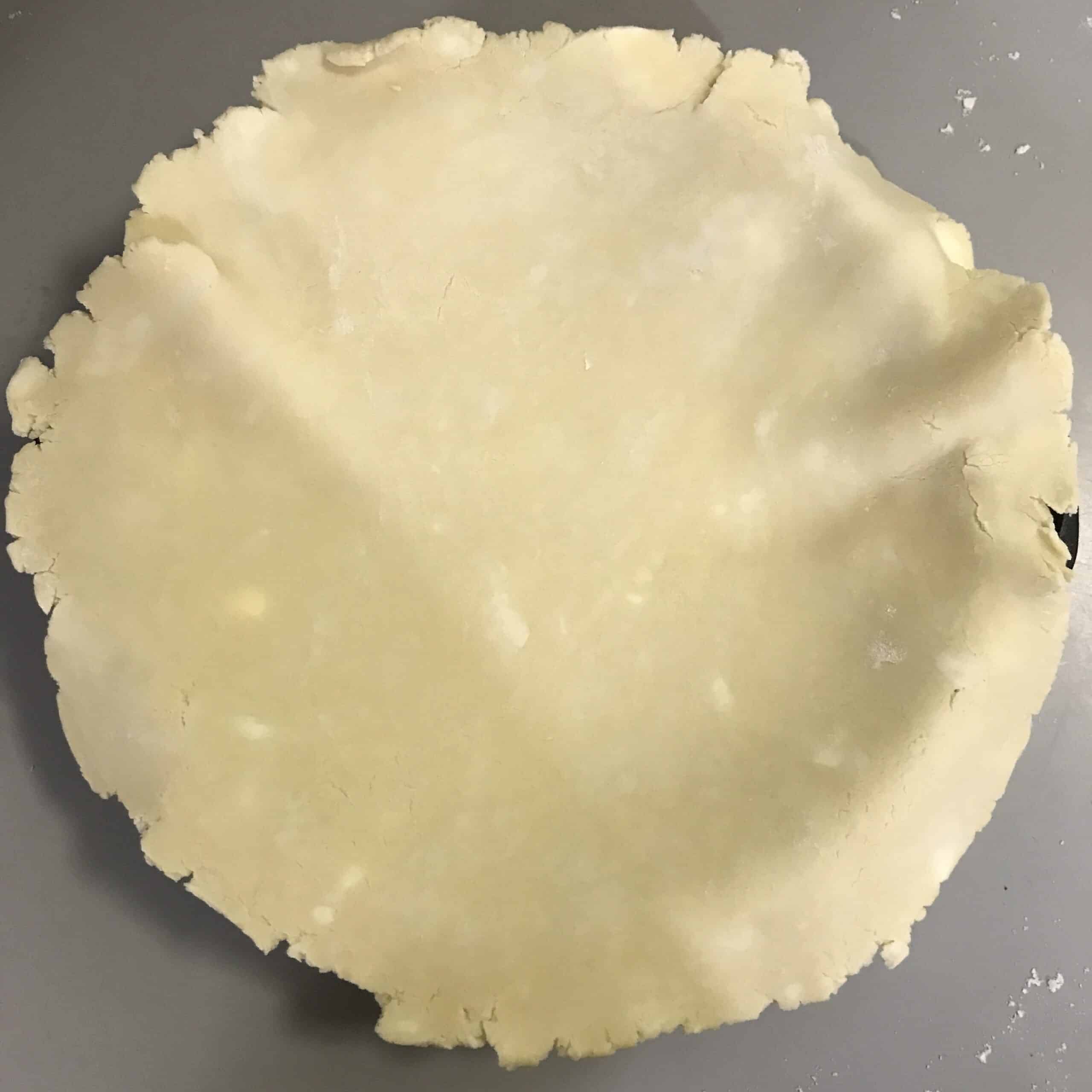
At its core, a flaky crust is very simple.
👉 You need:
- cold fat
- minimal gluten development
As the crust bakes:
- the fat melts
- steam is released
- layers form
👉 This is what creates flakiness.
If those conditions aren’t met, the result shifts from flaky → tough.
The type of fat also plays a role in the final texture:
- butter = more flaky (distinct layers from steam)
- lard or shortening = more tender (less defined layers, softer texture)
👉 Both are good - it depends on what you’re looking for.
A combination of the two (often 50/50) produces a crust that is both tender and flaky.
👉 For a deeper look at how fat and flour interact to create flakiness, see:
What Is the Cut-In Method? (And How to Get Flaky Results Every Time)
What You Use to Make Your Dough Doesn’t Matter
The tool you use has far less impact than how the dough is handled.
As long as you:
- keep the fat cold
- and avoid overworking the dough
👉 the method will produce good results
Pie dough can be made using:
- your hands
- a pastry cutter
- a stand mixer with a paddle attachment
- a food processor
- even a rolling pin
👉 The goal is always the same:
- work the fat into the flour
- keep the fat solid
- and bring the dough together without overworking it
👉 The size and distribution of the fat matters here - larger, distinct pieces create layers, while smaller, more uniform pieces create a more tender (but less flaky) texture.
Why Pie Crust Turns Tough
1. The Dough Was Overworked
Once water is added, gluten begins to form.
If the dough is:
- mixed too long
- kneaded
- overhandled
👉 the gluten network strengthens
This is useful in bread - but not in pastry.
👉 The result: a tougher, less tender crust
2. Too Much Liquid Was Added
Pie dough often looks dry when it first comes together.
That’s normal.
👉 The flour will continue to hydrate as the dough rests in the refrigerator.
Adding extra water to “fix” the dryness:
- increases the amount of flour that fully hydrates
- allows more gluten to form - even before the dough is fully mixed
- changes the structure of the dough
👉 This leads to a tougher final result
👉 This is also why resting the dough is important - see:
Why Does My Pie Crust Shrink? (And How to Prevent It)
3. The Fat Was Too Warm
Temperature matters more than most people realize.
If the butter (or other fat):
- softens too much
- melts and blends into the flour
👉 you lose the distinct layers needed for flakiness
Instead of:
- pockets of steam separating the layers
You get:
- a more uniform, dense texture
👉 Which, in a pie crust, reads as tough
4. The Dough Was Handled Like Bread
Pie dough is not meant to be kneaded.
Kneading:
- develops gluten
- strengthens structure
👉 Both of which work against a tender crust
Pie dough should be:
- brought together
- pressed
- not worked
5. The Flour Choice
Flour plays a role - but it’s not usually the main issue.
- all-purpose flour works well
- pastry flour produces a more tender crust
👉 Lower protein = less potential for gluten development
But:
👉 technique matters more than flour choice
A Better Way to Approach Pie Dough
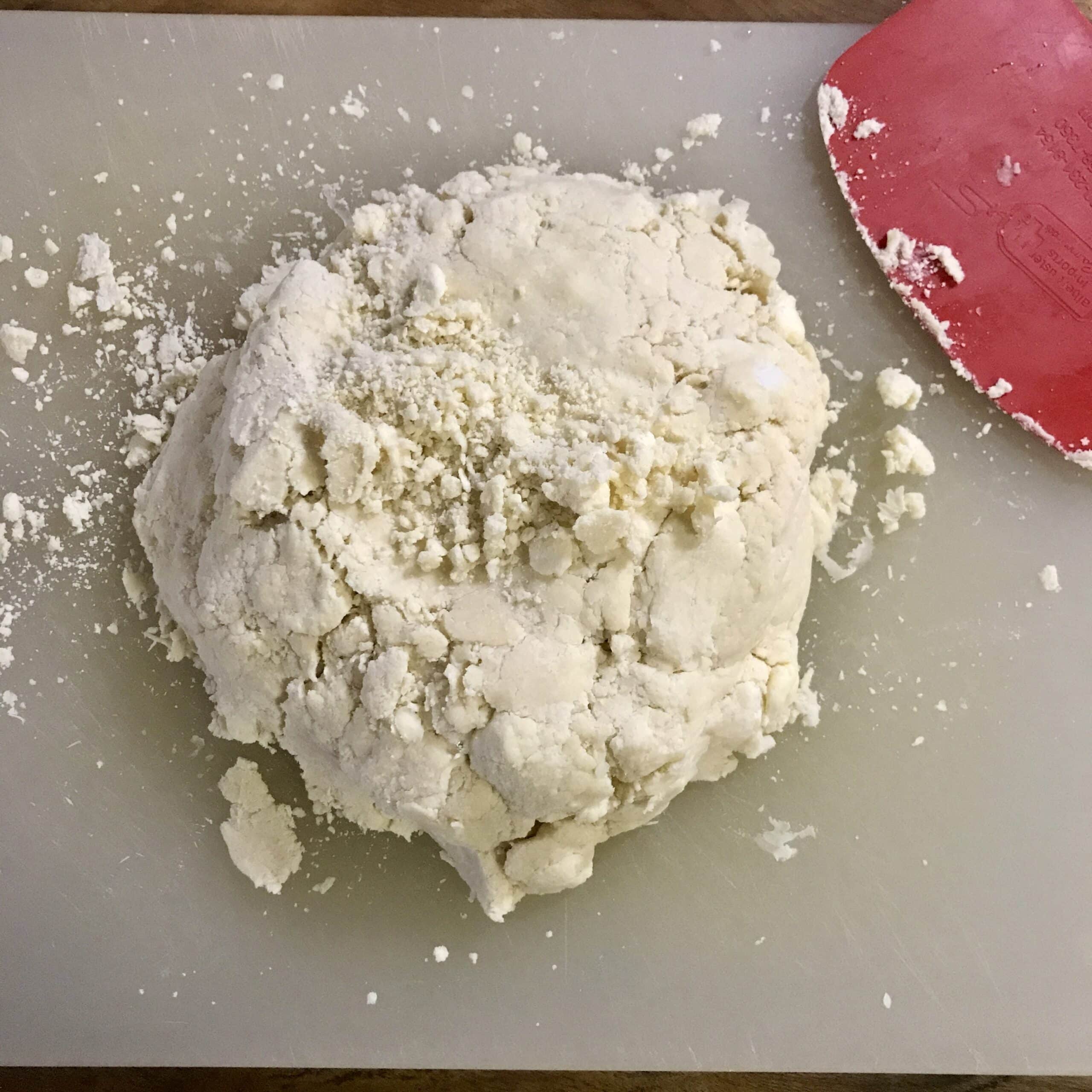
Instead of focusing on the recipe, focus on the process.
👉 Most popular pie dough recipes are built on similar ratios.
That means:
👉 the method is what determines the outcome
Keep Everything Cold
- cold fat
- cold liquid
- even a cool workspace if needed
👉 Cold fat = defined layers = flakiness
Bring the Dough Together - Don’t Mix It
After adding water:
- press the dough together
- stop as soon as it holds
👉 It may look dry - that’s expected
The dough will:
- hydrate
- become more cohesive
- relax
👉 as it rests in the fridge
Use Folding (Instead of Kneading)
If the dough needs structure:
👉 flatten and fold it 1-2 times
This helps:
- bring it together
- create layers
👉 without overdeveloping gluten
After Mixing: Resting Matters
Once the dough is formed:
👉 refrigerate for at least an hour before rolling (2+ hours is better)
This allows:
- the flour to hydrate
- the gluten to relax
- the fat to firm back up
👉 All of which improve texture and handling
👉 Resting, chilling, and freezing all play a role in structure and texture:
Freeze Pie Dough Like a Pro: Smart Make-Ahead Methods for Perfect Crusts
Pie Making and Troubleshooting Guides
Troubleshooting Pie
- 👉 Why Is My Pie Crust Tough?
- 👉 Why Does My Pie Crust Shrink?
- 👉 Why Is My Pie Crust Soggy?
- 👉 Why Is My Pie Dough Crumbly?
Pie Making Basics
Final Thoughts
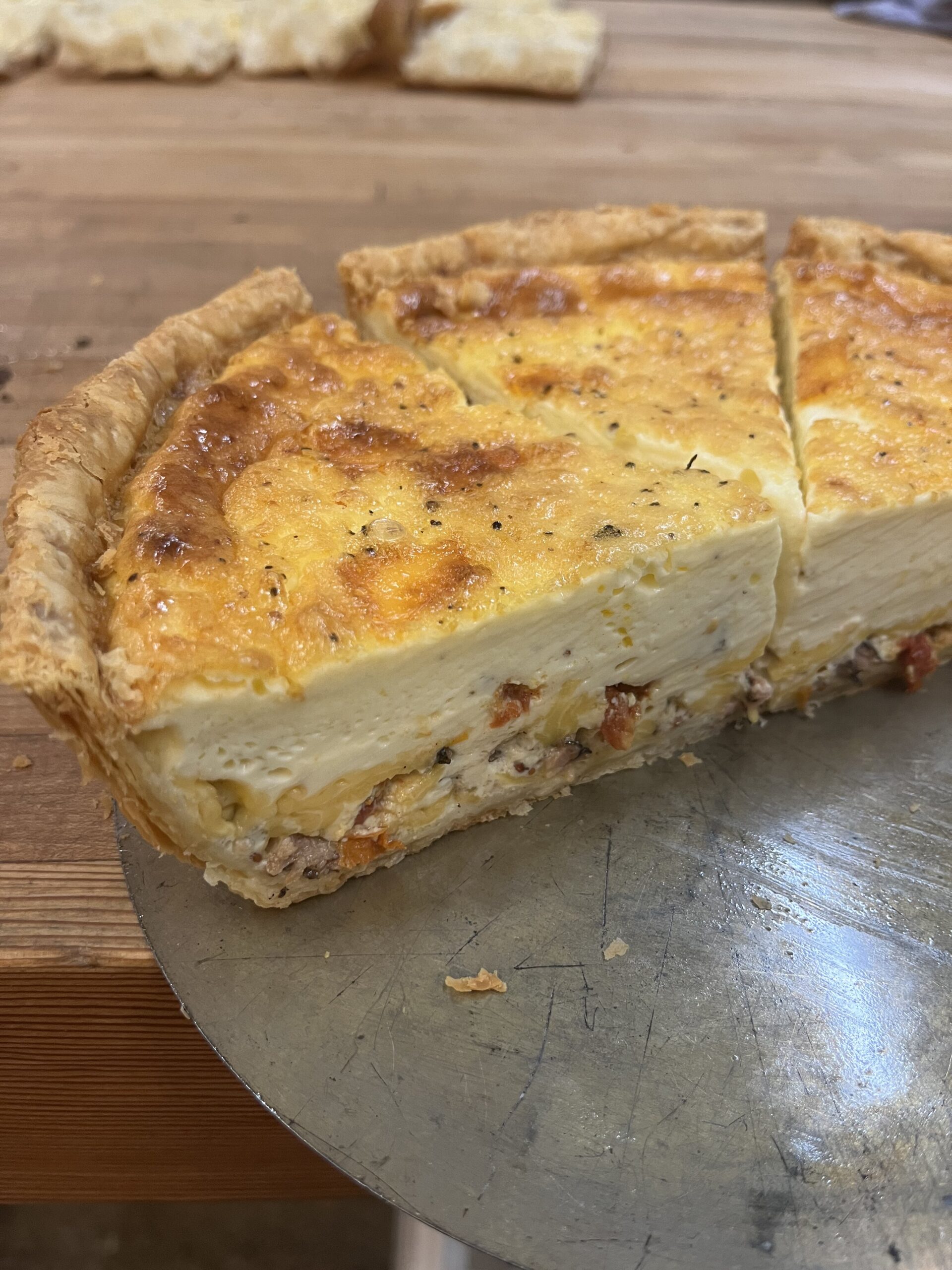
A tough pie crust isn’t usually a recipe problem.
👉 It’s a process problem.
When you:
- keep everything cold
- handle the dough minimally
- and allow it to rest
👉 you create the conditions for a tender, flaky crust
Pocket Baker Perspective
In baking and pastry, the goal isn’t just to follow a recipe.
It’s to understand the technique and manage how ingredients behave.
Pie dough is a clear example of this.
Most recipes are built on the same foundation.
What separates a tough crust from a flaky one is:
👉 how the dough is handled from start to finish
👉 Once you understand that, the process becomes simple and repeatable.