



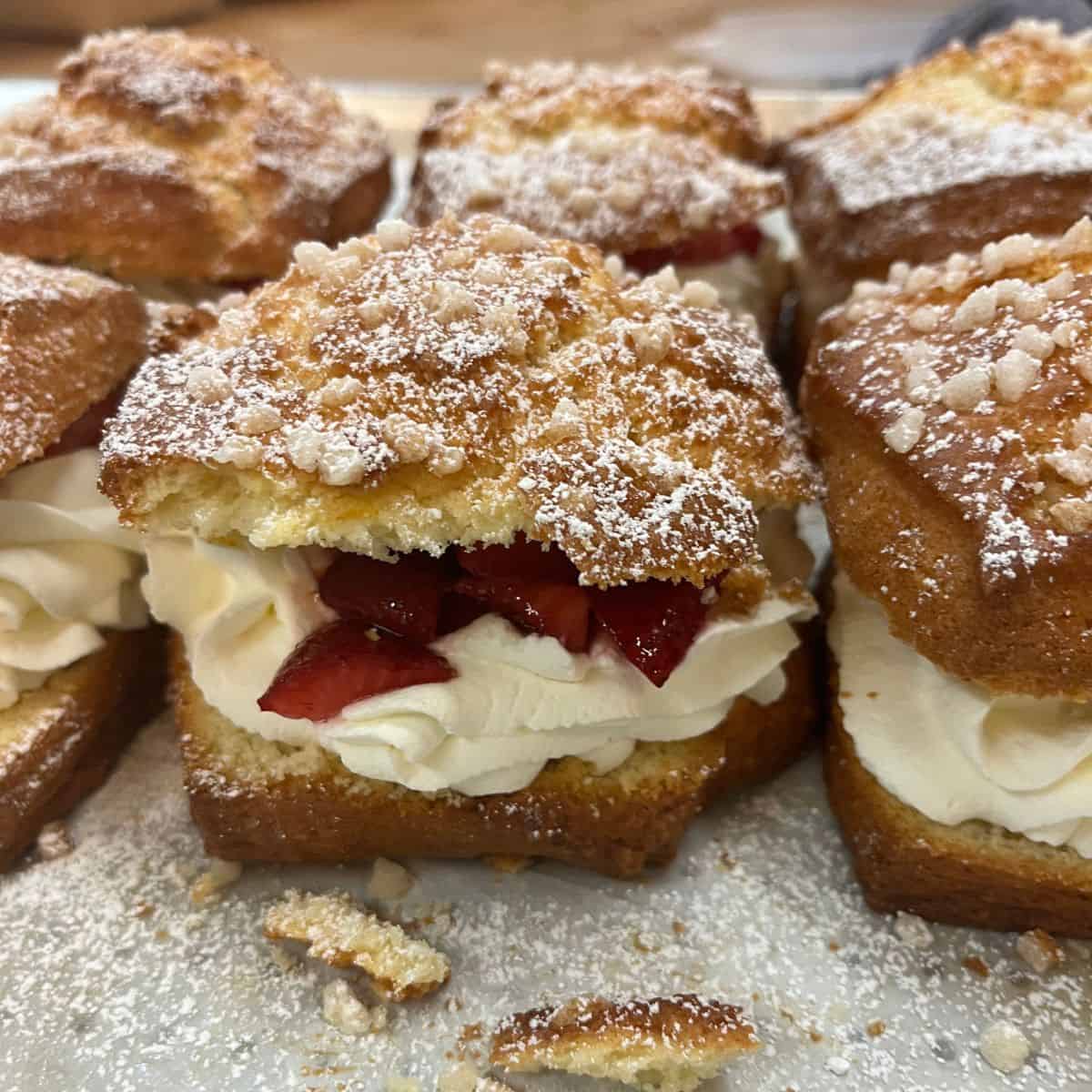
If you’ve ever made pie dough, scones, or biscuits, you’ve likely used the cut-in method - even if you didn’t know the name for it.
The concept is simple: work cold fat into flour prior to adding your liquid ingredients.
But the results depend entirely on how it’s done.
When executed properly, this method produces tender, flaky baked goods. When handled incorrectly, it can lead to dense, tough results.
Quick Answer: What Is the Cut-In Method?
The cut-in method (also called the rubbing method) is a baking technique where cold fat is worked into flour until the mixture becomes crumbly.
This process coats the flour with fat, limiting gluten development and creating pockets of steam in the oven, resulting in tender, flaky textures in baked goods like pie crusts, biscuits, and scones.
Jump to:
- Quick Answer: What Is the Cut-In Method?
- Why the Cut-In Method Works
- What You Can Make Using the Cut-In Method
- Basic Steps
- Key Techniques for Best Results
- Tools You Can Use
- After Mixing: Rest and Chill
- Freezing Dough
- Baking Temperatures
- Common Mistakes
- Final Thoughts
- Pocket Baker Perspective
- Get the FREE Profitable Baker Pricing Calculator
Why the Cut-In Method Works
The purpose of this method is to control gluten formation.
Gluten develops when liquid is added to flour and the proteins (glutenin and gliadin) begin to link together. Kneading strengthens this network, which is useful in bread - but not ideal for pastry.
By coating the flour with fat first, you limit how much liquid can hydrate those proteins.
At the same time, small pieces of fat remain throughout the dough. As the dough bakes, those pieces melt and release steam, creating the flaky layers associated with pie crusts and biscuits.
What You Can Make Using the Cut-In Method
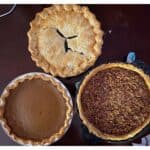
- Pie crust
- Scones
- Biscuits
- Streusel
Basic Steps
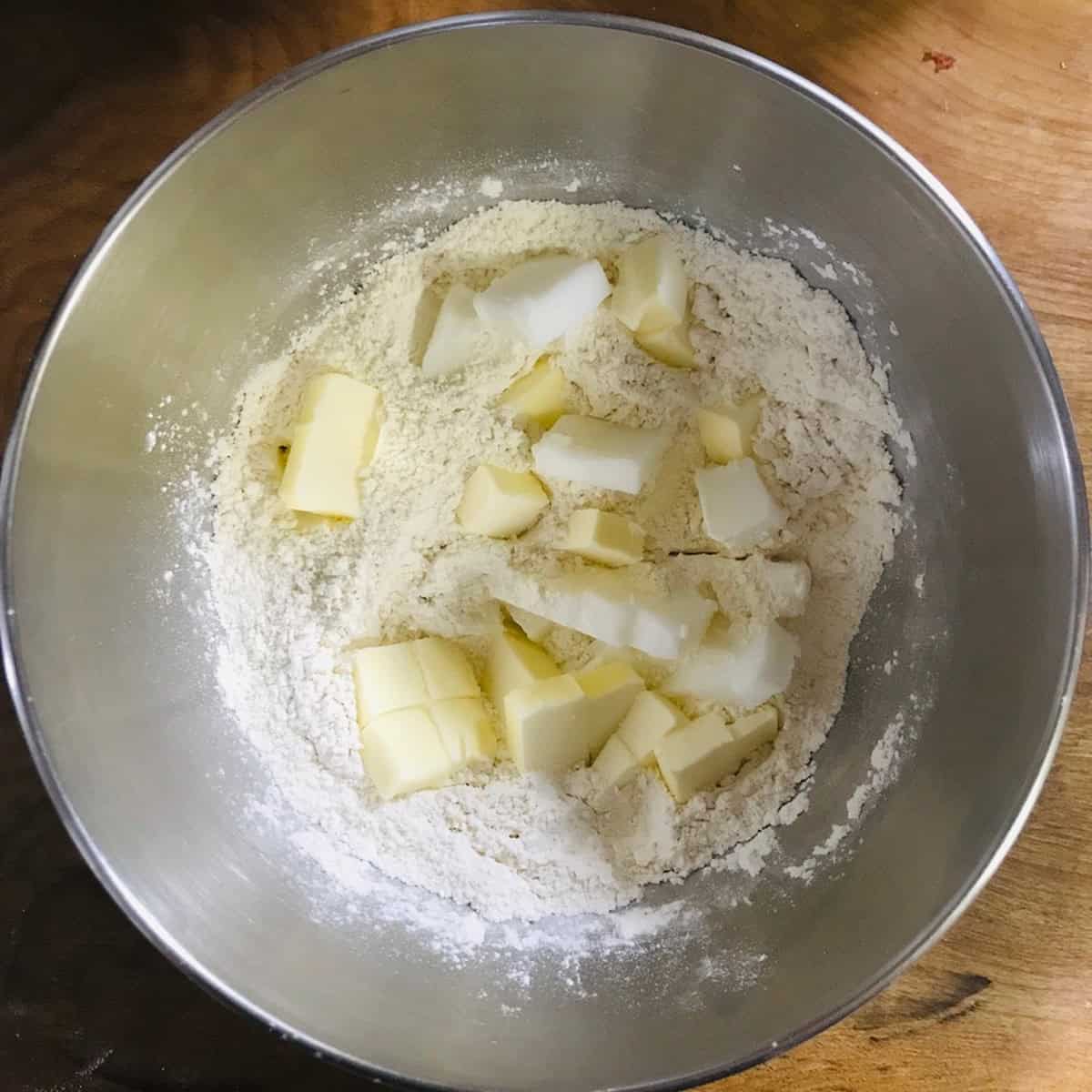
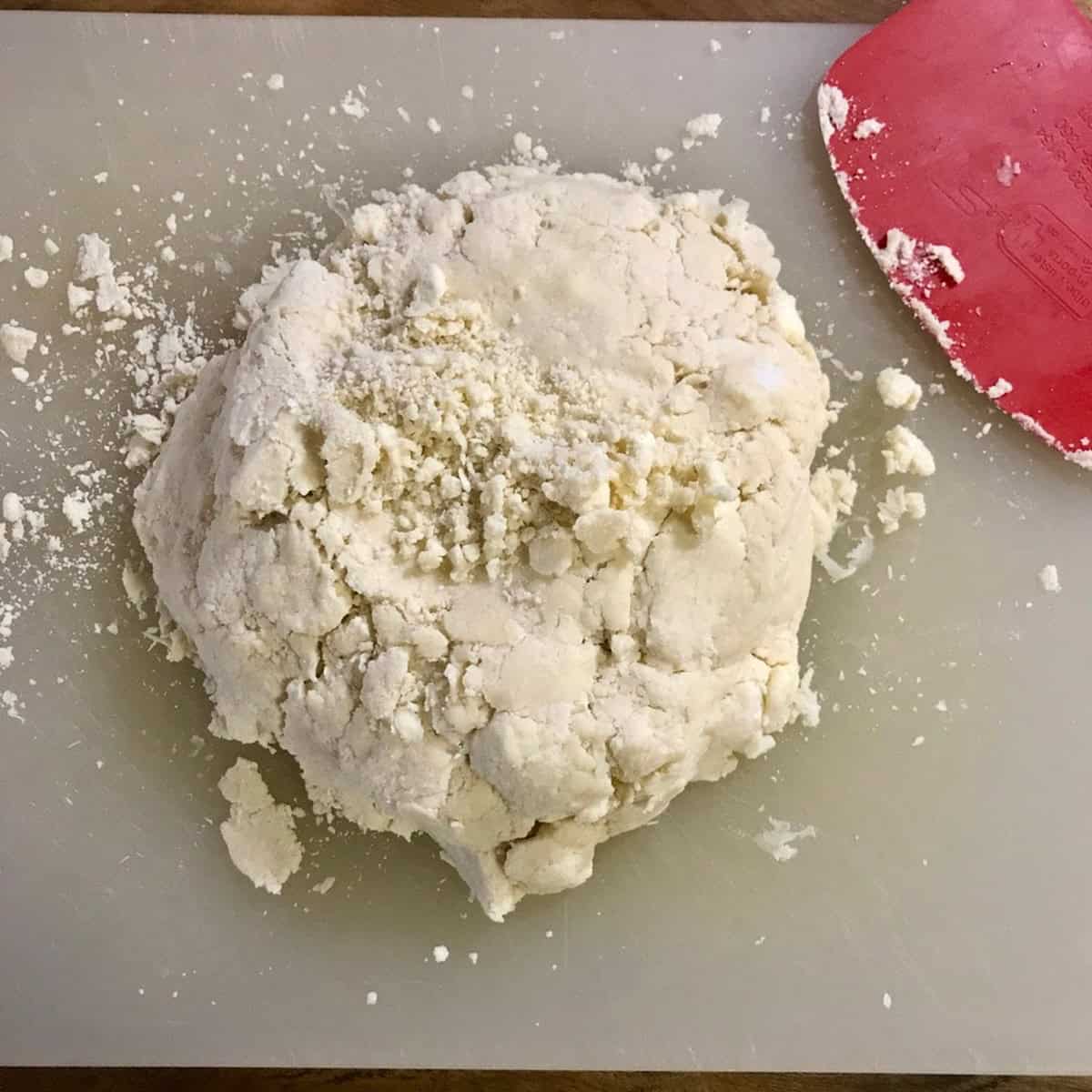
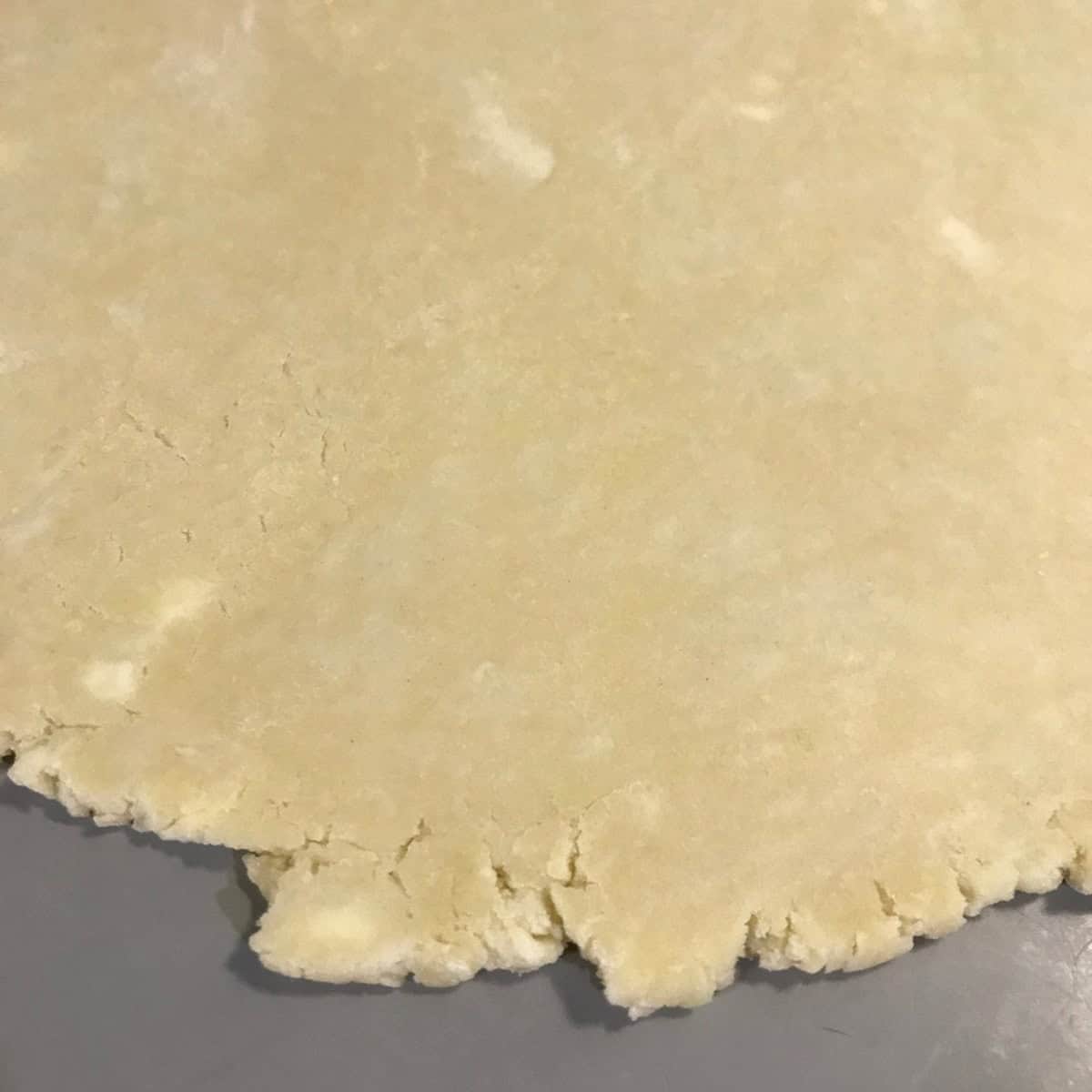
- Mix together dry ingredients
- Cut cold butter into roughly ½-inch cubes
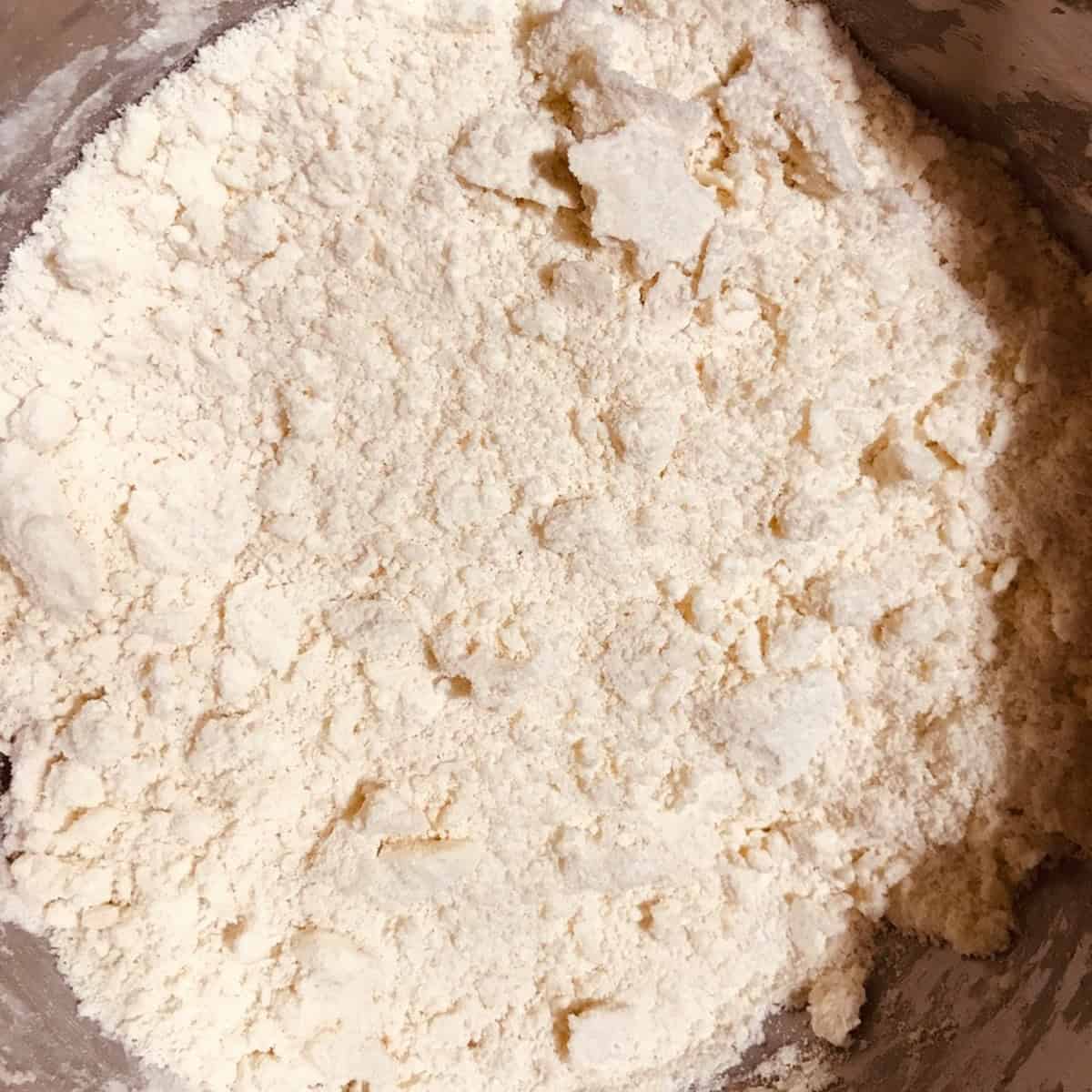
- Coat the fat with flour, then cut or rub it into the flour until the texture becomes mealy
- Add cold liquid ingredients and gently bring the dough together
Key Techniques for Best Results
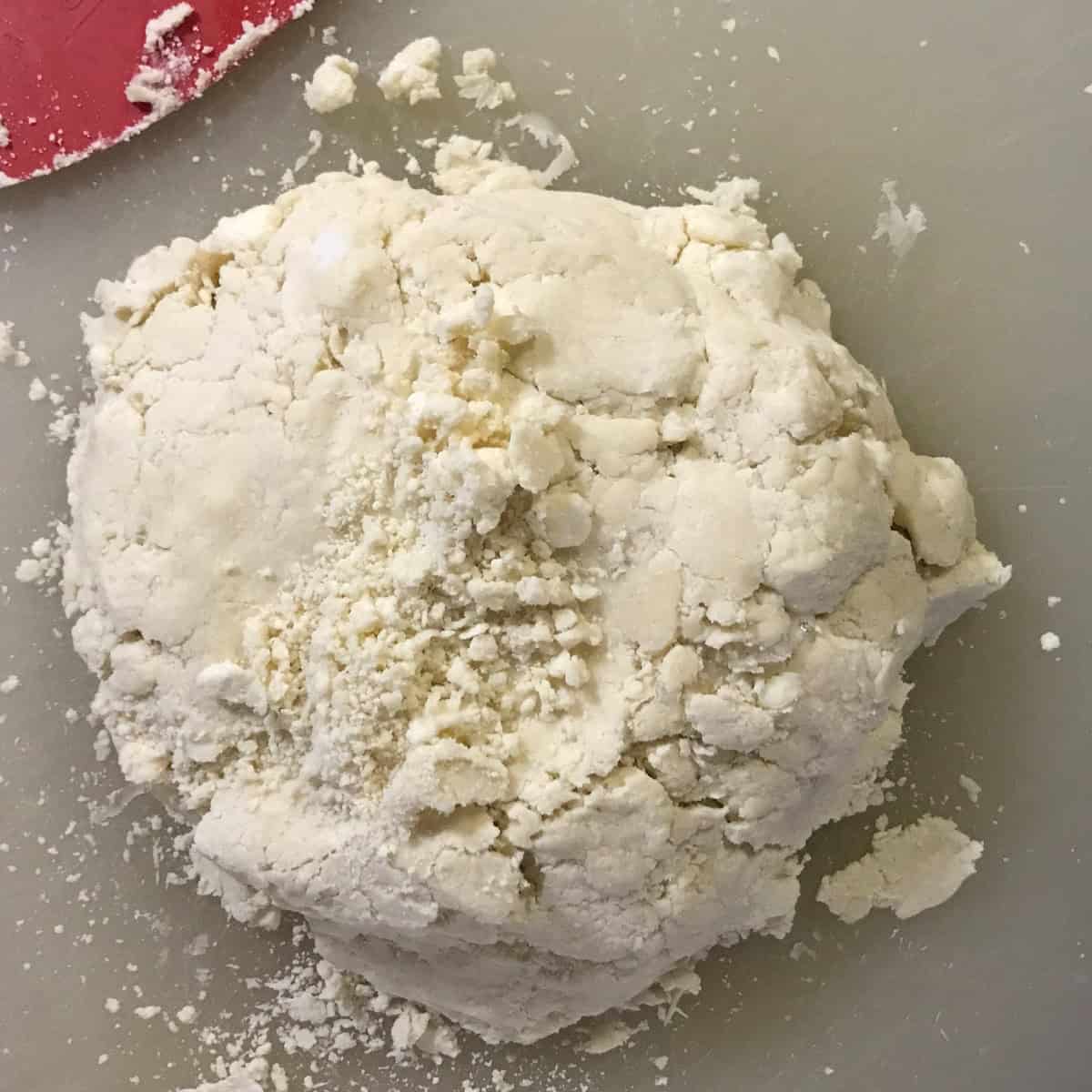
Keep Everything Cold
Temperature control is one of the most important parts of this method.
- Butter, lard, or shortening should be cold
- Liquid ingredients should be very cold
- Even the flour and bowl can be chilled if needed
The fat should remain solid throughout the process. If it begins to soften or melt, the final texture will suffer.
Aim for a Mealy Texture
As you work the fat into the flour, the mixture should resemble coarse cornmeal.
It’s also helpful to have a few small, pea-sized pieces of fat remaining.
These larger pieces contribute to flakiness in the final product.
Handle the Dough Gently
Once liquid is added, gluten development begins.
At this stage:
- bring the dough together
- avoid kneading
- use a light hand
If more structure is needed, flatten and fold the dough a few times - but avoid overworking it.
Choose the Right Flour
Lower-protein flours produce more tender results.
- pastry flour
- cake flour
- all-purpose flour (or a blend)
Adjust Based on the Dough
Different doughs behave differently:
- Pie dough tends to be drier
- Biscuits and scones are typically wetter
Understanding the consistency you’re aiming for helps guide how much liquid to add and how the dough should feel.
Tools You Can Use
The cut-in method can be done with:
- stand mixer (paddle attachment)
- food processor
- pastry blender
- fork
- rolling pin
- hands
The method matters more than the tool - use the tool that is most efficient for you.
After Mixing: Rest and Chill
Once the dough is formed:
- refrigerate pie dough for at least an hour
- allow the flour to hydrate
- let the dough relax
Chilling also helps solidify the fat again, which improves structure and flakiness.
Dough should be chilled again before baking.
Freezing Dough
Unbaked pie dough, scone dough, and cut biscuit dough can all be frozen.
👉 Freeze Pie Dough Like a Pro: Smart Make-Ahead Methods for Perfect Crusts
Baking Temperatures
These types of doughs are typically baked at higher temperatures:
- Scones: ~375°F
- Pie crust: 400 - 425°F
- Biscuits: 425 - 450°F
Higher temperatures help create steam quickly, which supports lift and flakiness.
Common Mistakes
Butter Is Too Warm
Cold butter is the key to creating pockets of steam which result in flaky layers. It also prevents excess gluten formation.
Overworking the Dough
Too much handling develops gluten, leading to a tougher final product.
Adding too much liquid
For a pie crust, add just enough liquid to bring the dough together.
Not Keeping Things Cold
Butter has a very low melting point, so to keep the butter cold, everything else also needs to be cold.
Final Thoughts
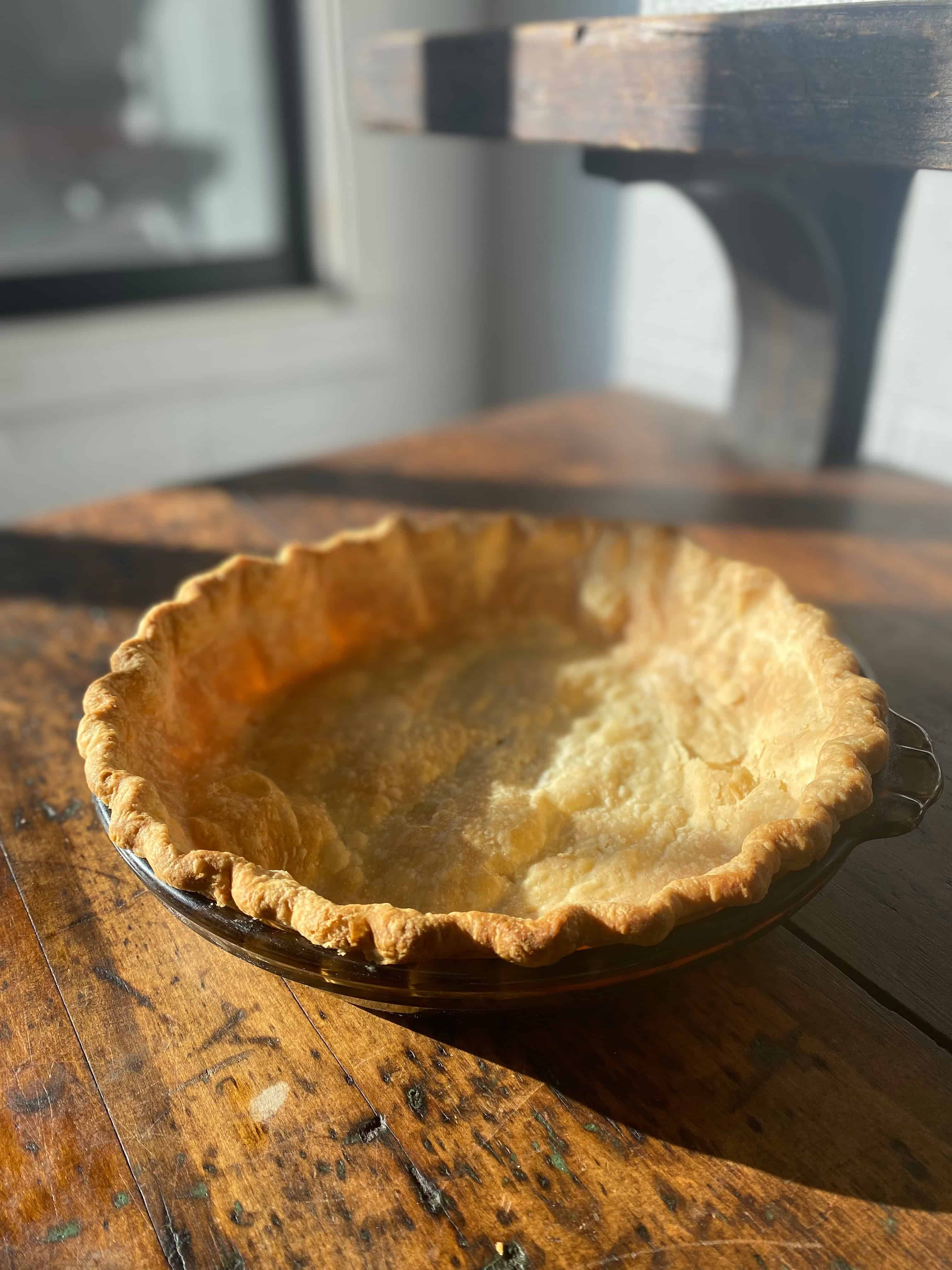
The cut-in method is simple in concept, but method matters.
Temperature and technique play a significant role in the final result.
Once you understand the interaction of flour, fat and liquid it becomes much easier to produce consistent, flaky baked goods.
Pocket Baker Perspective
In baking and pastry, there is a method for just about everything - a set of guidelines you can apply to any recipe that uses the same technique.
The goal is never just to follow steps.
It’s to manage a process.
Because that’s what ultimately determines whether a dough turns out tender and flaky… or dense and tough.