


Introduction
Knowing how to cost a recipe is only half of the equation.
Cost gives you your minimum.
If you price below this, you’re not just making less money - you’re losing it.
But cost alone doesn’t tell you what to charge.
Value determines what a customer is willing to pay.
And this is where many bakers feel stuck.
Your numbers might be correct.
Your pricing might make sense on paper.
…but something still feels off.
Understanding the difference between cost and value is what allows pricing to move from frustrating… to sustainable… and eventually profitable.
Jump to:
- Introduction
- Quick Answer: Cost vs Value Pricing for Baked Goods
- Why Cost-Based Pricing Alone Isn’t Enough
- What Value-Based Pricing Actually Means (For Bakers)
- Why Pricing Still Feels Confusing (Even When Your Math Is Right)
- How Professional Bakers Price (Cost + Value Together)
- How to Increase the Value of Your Baked Goods
- Why Bigger Doesn’t Always Mean More Valuable
- Pricing Is a System (Not Just One Number)
- Pricing System (Start Here)
- Final Thoughts
- Pocket Baker Perspective
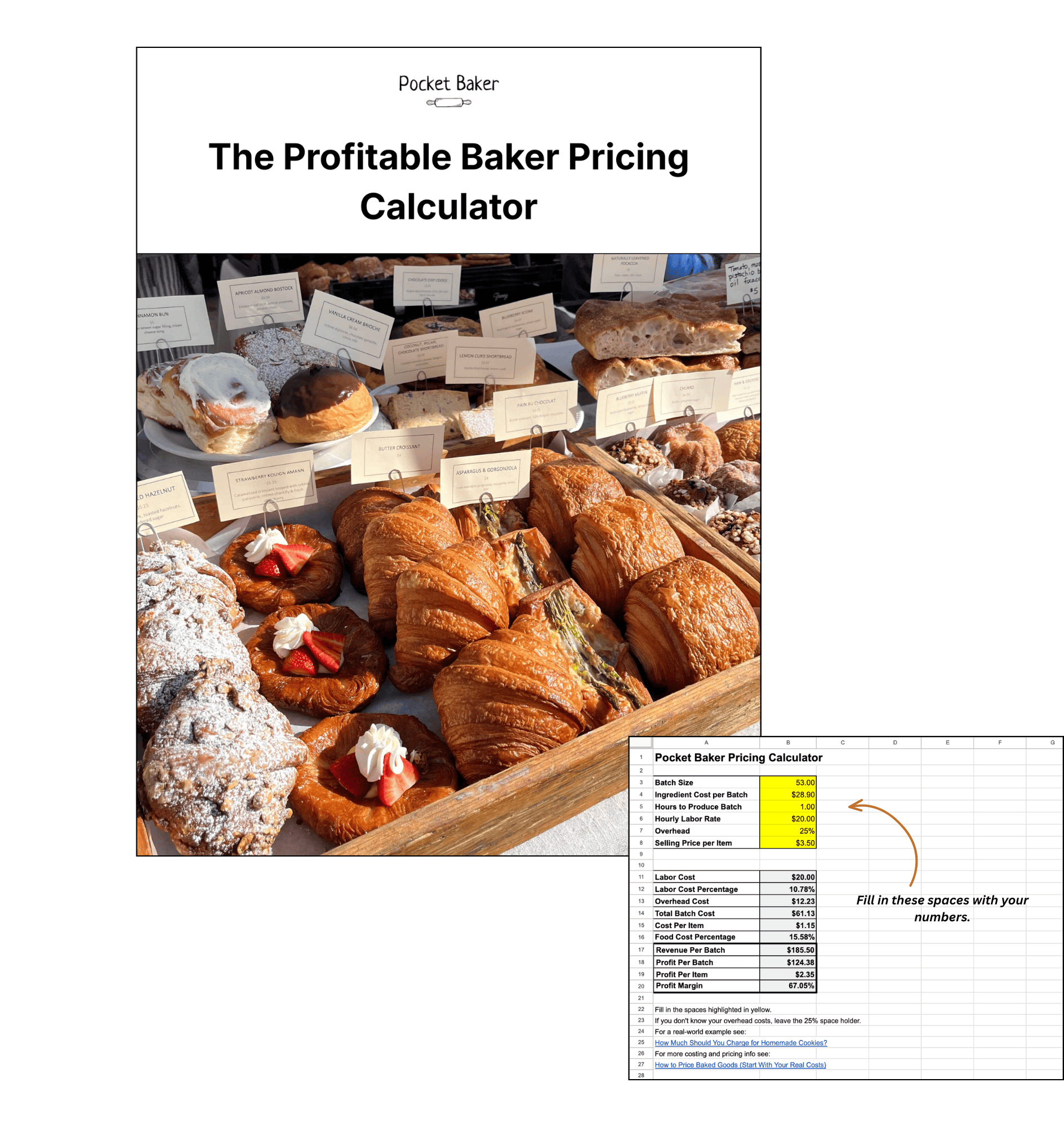
- Get the FREE Profitable Baker Pricing Calculator
Quick Answer: Cost vs Value Pricing for Baked Goods
Cost-based pricing tells you the minimum you need to charge to stay profitable.
Value-based pricing determines what a customer is willing to pay based on perceived quality, experience, and trust.
Sustainable pricing comes from using both:
- cost as your foundation
- value as your positioning
Why Cost-Based Pricing Alone Isn’t Enough
Cost-based pricing answers one essential question:
👉 How much does this product actually cost me to make?
That includes:
- ingredients
- labor
- overhead
- profit
👉 What Is Food Cost in Baking?
👉 How to Calculate Labor Cost in Baking
👉 What Is Overhead in a Baking Business?
This is the foundation of sustainable pricing.
If you don’t know your costs, you’re guessing - and guessing leads to lost time, energy, and money.
👉 For a full breakdown of how pricing works, see:
How to Price Baked Goods (Start With Your Real Costs)
But cost has a limitation.
Two products with the same cost can sell at very different prices.
Because:
- Cost tells you what something costs you
- It does not tell you what it’s worth to the customer
What Value-Based Pricing Actually Means (For Bakers)
Value-based pricing asks a different question:
👉 Why would someone choose to pay more for this?
This isn’t about raising prices randomly.
It’s about how your product is experienced.
👉 Value isn’t just about ingredients - it’s about the full experience.
Customers evaluate:
- how it looks, smells and tastes
- novelty
- craftsmanship
- consistency - is it just as good every time?
- reliability - if a customer pre-orders, will it be ready on time?
Value is shaped by:
- presentation
- packaging
- execution
- consistency
- customer experience
Why Pricing Still Feels Confusing (Even When Your Math Is Right)
This is where most bakers get stuck.
You calculate your cost.
You set a price that makes sense.
…but something still feels off.
If that’s happening, it’s usually not a math problem.
👉 It’s a positioning problem.
Cost determines what you need.
Value determines what customers accept.
That gap is where pricing decisions actually happen.
If your pricing looks correct on paper but your business still isn’t working the way you expect, this may be why.
👉Why Your Baking Business Isn’t Making Money (Even If You’re Selling)
How Professional Bakers Price (Cost + Value Together)
This isn’t an either/or decision.
- Cost-based pricing → protects the business
- Value-based pricing → allows growth
Ignoring either creates problems:
- Cost-only pricing limits income
- Value-only pricing creates unstable margins
👉 Professionals price from cost upward, then adjust based on value signals and market context
👉 What Is a Good Profit Margin for Baked Goods? (A Clear Guide for Bakers)
How to Increase the Value of Your Baked Goods
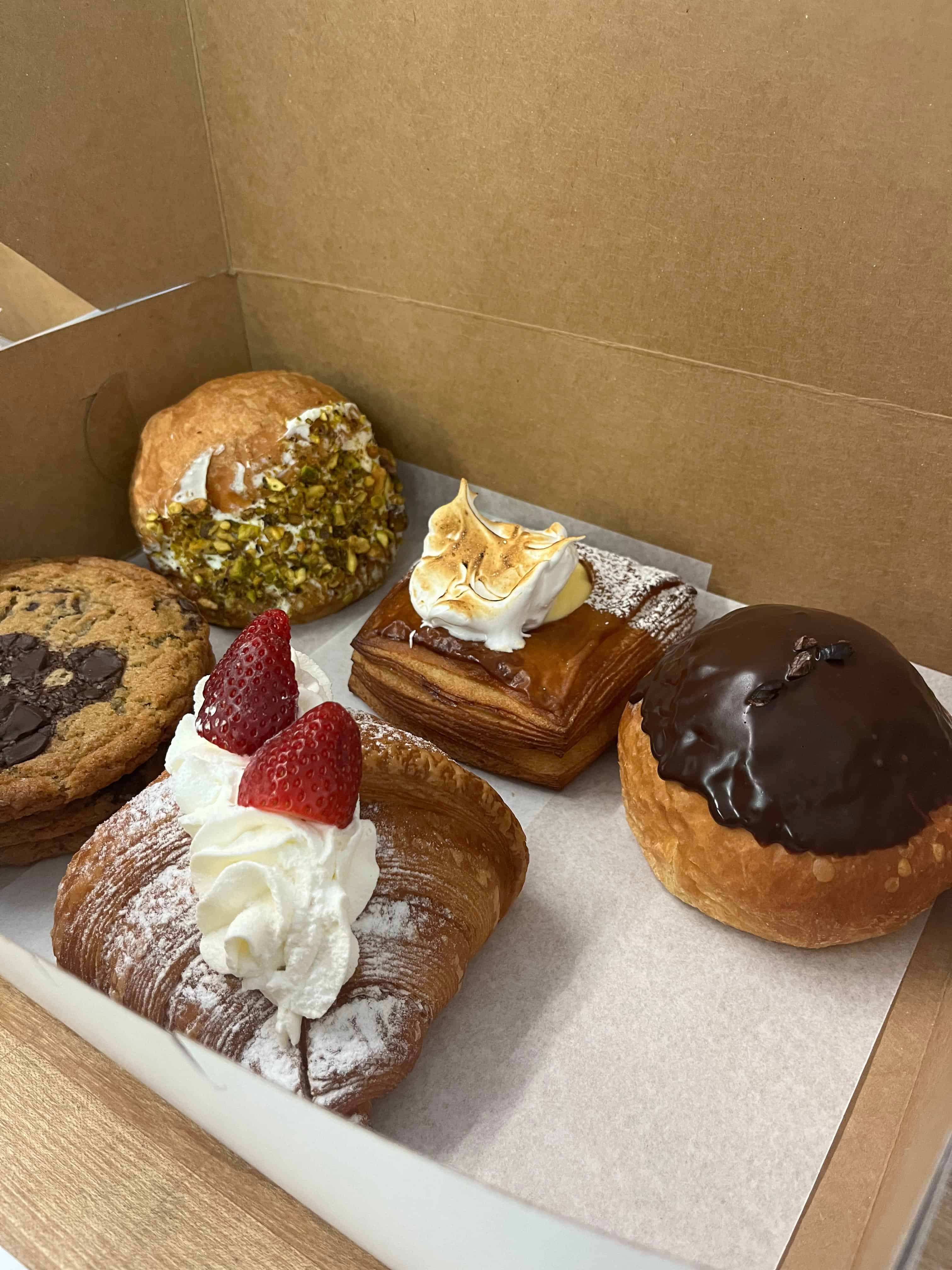
This is where pricing becomes something you can actually influence.
1. Size (But Not Just Bigger)
Perceived generosity matters more than actual weight.
Height, thickness, and visual fullness often signal value more effectively than size alone.
2. Differentiation & Novelty
Familiar products with thoughtful variation feel more valuable.
- seasonal flavors
- limited batches
- intentional details
These introduce:
- scarcity
- interest
- urgency
3. Skill & Technique
Customers pay more for what they can’t easily replicate.
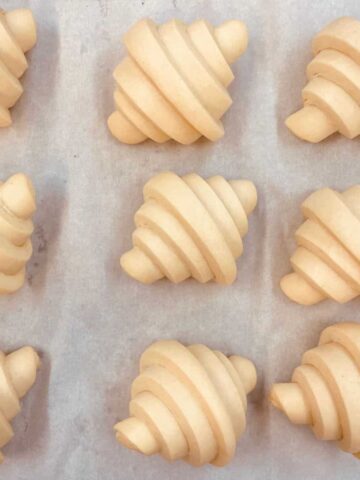
- laminated dough
- long fermentation
- clean shaping
- consistent execution
👉 Skill is a visible signal of value
4. Consistency & Reliability
Consistency builds trust.
When customers know exactly what they’re getting every time, they’re more willing to:
- pay more
- return
This comes from:
- weight-based recipes
- repeatable workflows
- standardized processes
👉 10 Tips for Consistent Baking Success (Bake Like a Pro at Home)
5. Customer Experience (Where Value Really Increases)
Value isn’t just the product - it’s everything around it.
- packaging
- communication
- pickup experience
- reliability
Customer experience can make or break a business.
6. Market Context
Customers are always comparing:
- your product vs alternatives
- quality vs price
- convenience vs effort
The goal isn’t to be the cheapest.
👉 It’s to be the clearest choice.
Why Bigger Doesn’t Always Mean More Valuable
Increasing size increases:
- ingredient cost
- labor
But value often increases more effectively through:
- presentation
- consistency
- experience
Pricing Is a System (Not Just One Number)
Not every product needs the same margin.
In many bakeries:
- some items drive profit
- some bring customers in
- some support workflow
👉 Pricing works across your entire menu - not one item at a time.
Some products:
- drive demand
- generate profit
- support workflow
👉 What Is Product Mix in Baking?
Pricing System (Start Here)
If you’re unsure where to begin, start with the core pricing guide below.
Step 1: Understand Your Costs
Know exactly what it costs to produce your products.
- 👉 What Is Food Cost in Baking?
- 👉 How to Calculate Labor Cost in Baking
- 👉 What Is Overhead in a Baking Business?
Step 2: Build Your Pricing
Turn your costs into a price that actually works.
- 👉 Core Guide: How to Price Baked Goods (Start With Your Real Costs)
- 👉 Cost vs Value Pricing for Baked Goods
- 👉 Build a Menu That Works (Product Mix)
Step 3: Apply It to Your Products
Use your numbers to price specific items.
- 👉 How Much Should You Charge for Homemade Cookies?
- 👉 How Much Should You Charge for Homemade Cupcakes?
- 👉 How to Price Cakes for Profit
Step 4: Improve Profit Over Time
Refine your pricing as your business grows.
Final Thoughts
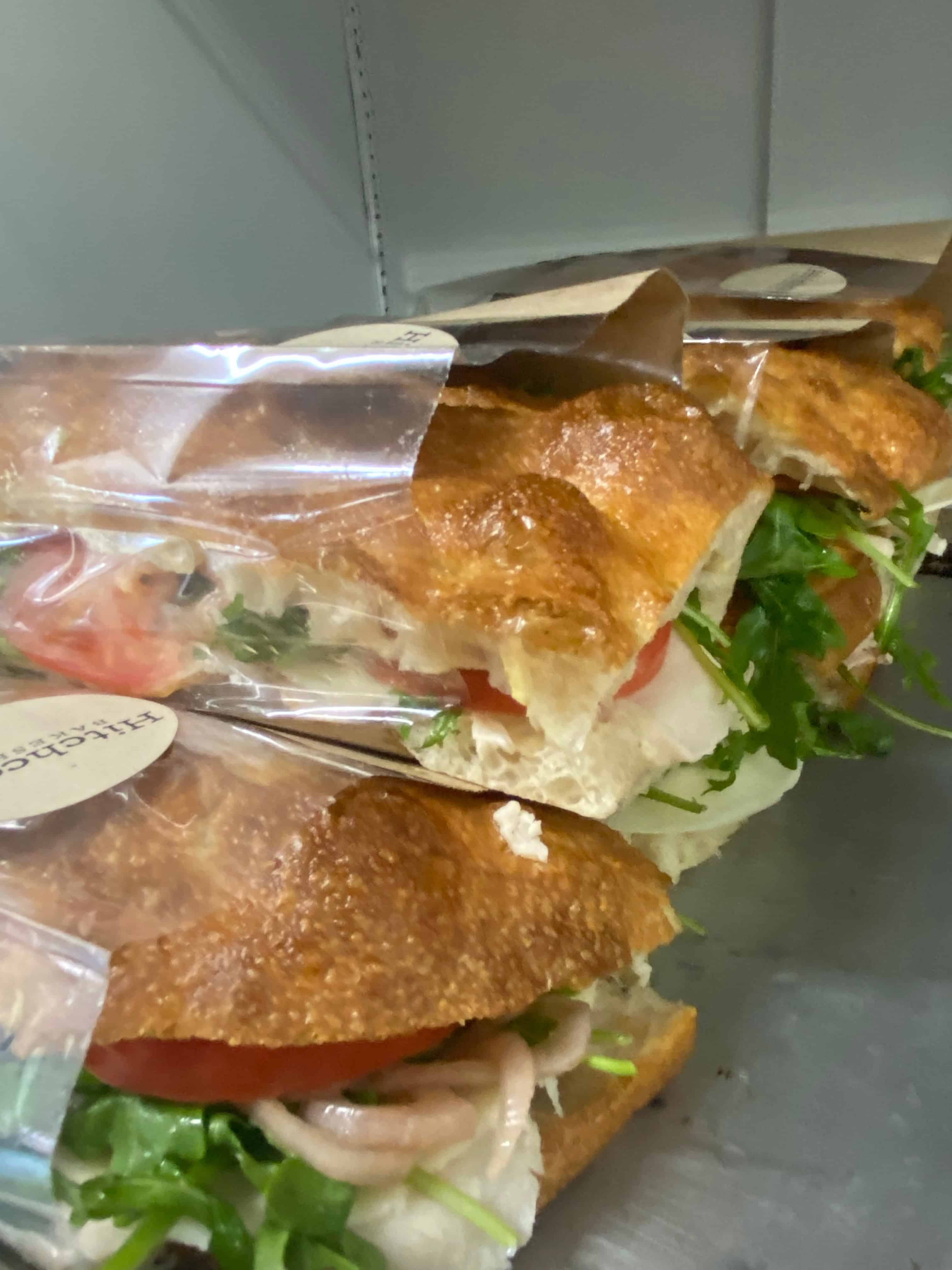
Cost tells you what something costs you.
Value tells you what it’s worth to the customer.
👉 This is why cost alone can’t determine your final price.
Sustainable pricing comes from producing work that is:
- clear in quality
- consistent in execution
- intentional in presentation
Time and effort alone don’t determine value.
What matters is what the customer can:
👉 see, taste, and trust - consistently
Pocket Baker Perspective
In professional kitchens, pricing isn’t just about numbers.
It’s about understanding what the product represents.
The goal isn’t to force a higher price.
👉 It’s to build a product and experience that naturally supports it.