





Introduction
If you’ve ever looked at your pricing and wondered,
“Is this actually profitable?” - you’re not alone.
Many bakers reach a point where:
- products are selling
- the math seems reasonable
- but profit still feels unclear - or lower than expected
This is where understanding profit margin becomes important.
And it’s also where expectations and reality often don’t match.
Because in baking, profit margins tend to be lower than most people expect - even when things are working well.
Jump to:
- Introduction
- Quick Answer: What Is a Good Profit Margin for Baked Goods?
- What Is Profit Margin in Baking?
- Why Profit Margin Matters (More Than You Think)
- Why Profit Margins Are Lower in Bakeries
- What Is Considered a Good (Sustainable) Profit Margin?
- How to Calculate Profit Margin (Quick Guide)
- The Role of Product Mix in Profit Margin
- Ways to Improve Profit Margin (Without Guessing)
- FAQ: Profit Margins for Baked Goods
- Pricing System (Start Here)
- Final Thoughts
- Pocket Baker Perspective
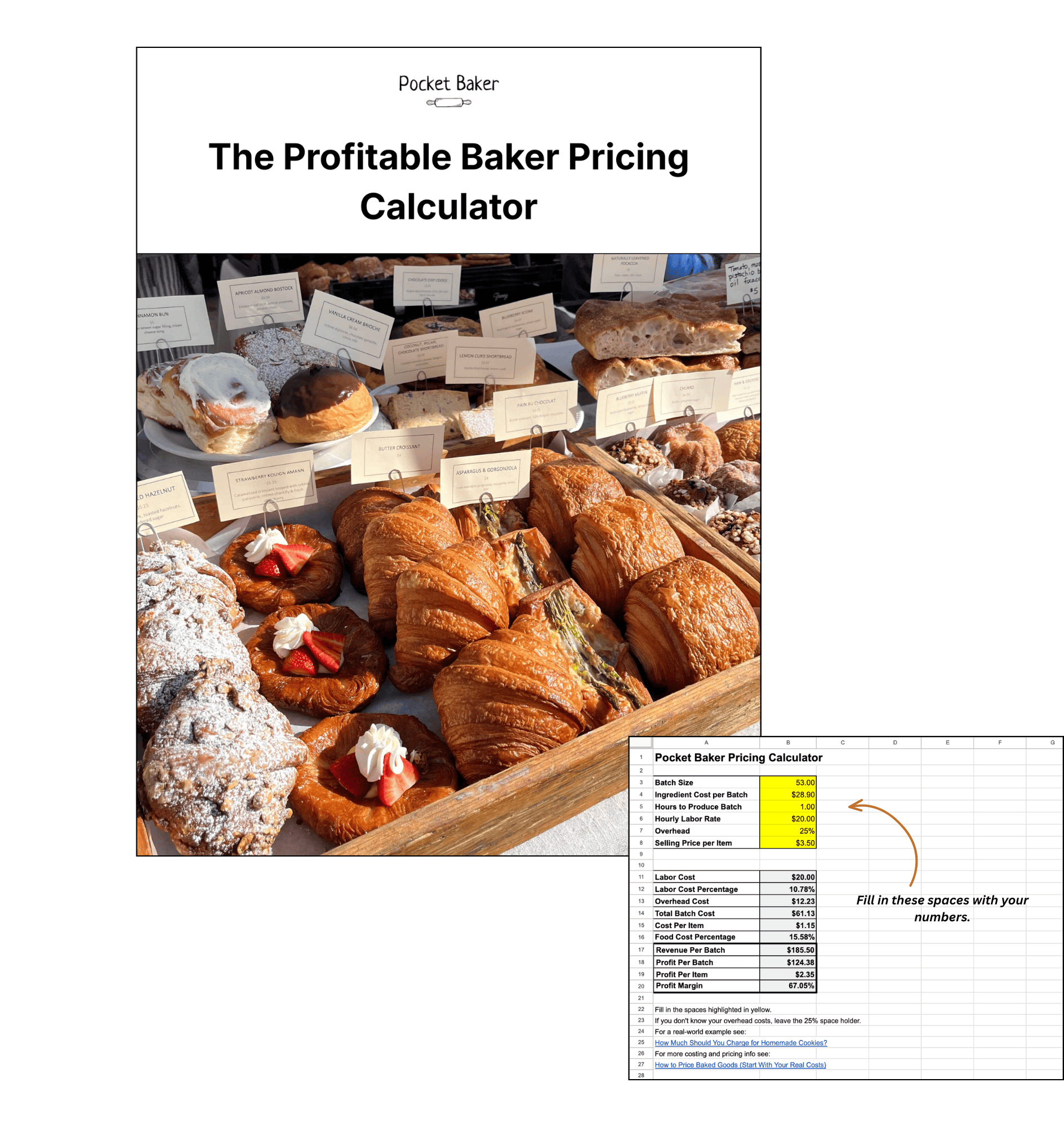
- Get the FREE Profitable Baker Pricing Calculator
Quick Answer: What Is a Good Profit Margin for Baked Goods?
If your profit margin feels low, you’re not alone - many bakers underestimate what’s actually sustainable.
A good profit margin for baked goods is typically:
- 5 - 15% net profit for small bakeries
- Around 10% is considered healthy and sustainable
- Cottage bakers may achieve slightly higher margins due to lower overhead
Profit margin reflects how well your cost, pricing, and workflow are working together.
What Is Profit Margin in Baking?
Profit margin is the percentage of your selling price that remains after all costs are covered.
Those costs include:
- ingredients
- labor
- overhead
In simple terms:
- Cost = what it takes to produce the item
- Profit = what’s left after costs are covered
- Profit margin = profit as a percentage of the selling price
This is different from markup.
- Markup is added on top of cost
- Profit margin is calculated from the final price
Understanding this distinction helps you evaluate whether your pricing is actually sustainable.
Why Profit Margin Matters (More Than You Think)
Profit margin isn’t just about making money.
It determines whether your business can:
- sustain itself over time
- absorb slow periods
- reinvest in equipment and growth
- pay you consistently
Without a clear margin, it’s easy to:
- stay busy without improving financially
- underprice without realizing it
- rely on volume instead of structure
👉 Profitability comes from how pricing, workflow, and products work together as a system.
Why Profit Margins Are Lower in Bakeries
Most of these costs aren’t obvious at first - but they add up quickly.
1. Labor Is Significant
At minimum, most baked goods require:
- weighing
- mixing
- portioning/shaping
- baking
- finishing
Even small products require time.
👉 How to Calculate Labor Cost in Baking
2. Overhead Adds Up Quickly
Even for small operations, overhead includes:
- packaging
- utilities
- equipment wear
- cleaning and supplies
- transporting/gas
And in retail settings:
- rent
- administrative payroll
- insurance
👉 What Is Overhead in a Baking Business?
3. Waste Is Built Into the Model
Not everything sells.
And some products must be remade or discarded.
This is part of the cost structure - not an exception.
4. Pricing Has Limits
Even when your costs increase, your pricing must still align with what customers are willing to pay.
This is where value comes in.
👉 Cost vs Value Pricing for Baked Goods (Why Your Prices Still Feel Wrong)
What Is Considered a Good (Sustainable) Profit Margin?
A sustainable profit margin in baking is one that supports the business over time.
For most small bakeries:
- 5 - 15% net profit is typical
- ~10% is considered healthy
This may feel lower than expected.
But it reflects the full reality of:
- labor
- overhead
- waste
- reinvestment
Cottage & Home Bakers
Cottage bakers may see:
- higher margins on certain products
- lower overall operating costs
However, the same principle still applies:
👉 Pricing must support the full cost of production - not just ingredients.
How to Calculate Profit Margin (Quick Guide)
To calculate profit margin:
- Calculate your total cost
(ingredients + labor + overhead) - Set your selling price
- Find your profit
(selling price – cost) - Calculate margin
(profit ÷ selling price)
👉 Full walkthrough:
How to Price Baked Goods (Start With Your Real Costs)
👉 Example with real numbers:
How Much Should You Charge for Homemade Cookies? (includes pricing calculator)
The Role of Product Mix in Profit Margin
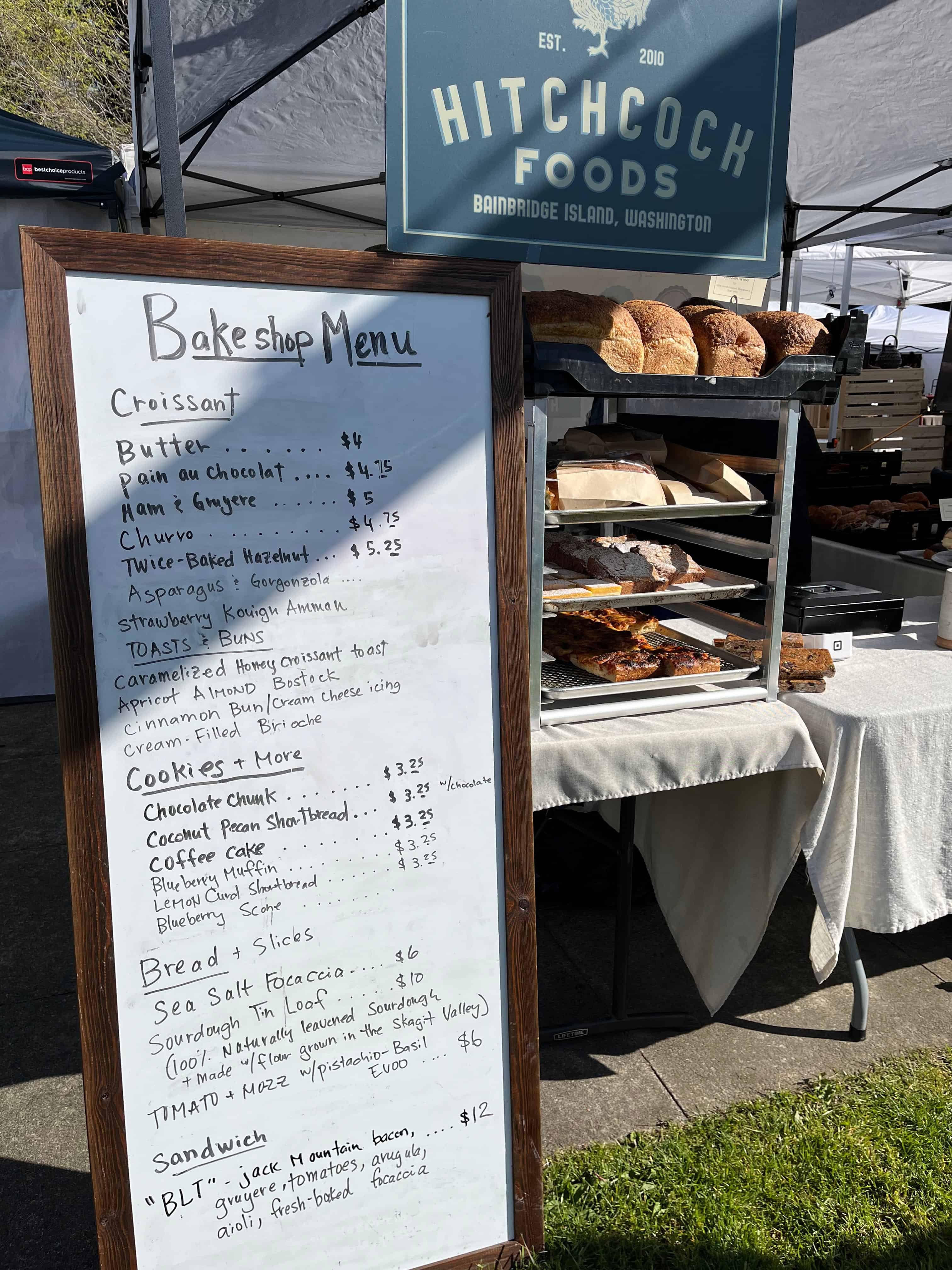
One of the most overlooked parts of profitability:
👉 Not every product needs the same margin
In a typical baking business:
- some items bring customers in
- some generate higher profit
- some support workflow
Profit margin is not determined by one product.
It’s determined by how your products work together as a system.
This is where many pricing strategies fall short - not because the numbers are wrong, but because the overall system isn’t balanced.
A bakery can:
- have strong sales
- have well-priced items
- and still struggle
If the overall mix isn’t working together.
👉 What Is Product Mix in Baking? (How to Build a Menu That Actually Works)
Ways to Improve Profit Margin (Without Guessing)
Improving profit margin usually isn’t about one change - it’s about strengthening the system around your pricing.
1. Know Your True Cost
Include all three:
- ingredients
- labor
- overhead
2. Improve Workflow Efficiency
- batch tasks
- reduce repetition
- use make-ahead methods
A more efficient process increases your effective margin.
3. Focus on Value (Not Just Price)
Customers pay for:
- consistency
- presentation
- reliability
Value often increases margin more effectively than raising prices.
4. Adjust Your Product Mix
- identify high-margin items
- balance labor-intensive products
- reduce items that don’t support your workflow
5. Price With Intention
- avoid copying others
- base decisions on your numbers
- adjust based on how products perform
FAQ: Profit Margins for Baked Goods
What is a good profit margin for a bakery?
Most bakeries operate between 5 - 15% net profit, with about 10% considered sustainable.
Why are bakery profit margins so low?
Because pricing must cover labor, overhead, and waste - not just ingredients.
Can cottage bakers have higher margins?
Yes, due to lower overhead, but pricing still needs to support the full business.
Is profit margin the same as markup?
No. Markup is added to cost. Profit margin is calculated from the final price.
What matters more: margin or price?
Margin matters more - it reflects whether your pricing actually supports your business.
Pricing System (Start Here)
If you’re unsure where to begin, start with the core pricing guide below.
Step 1: Understand Your Costs
Know exactly what it costs to produce your products.
- 👉 What Is Food Cost in Baking?
- 👉 How to Calculate Labor Cost in Baking
- 👉 What Is Overhead in a Baking Business?
Step 2: Build Your Pricing
Turn your costs into a price that actually works.
- 👉 Core Guide: How to Price Baked Goods (Start With Your Real Costs)
- 👉 Cost vs Value Pricing for Baked Goods
- 👉 Build a Menu That Works (Product Mix)
Step 3: Apply It to Your Products
Use your numbers to price specific items.
- 👉 How Much Should You Charge for Homemade Cookies?
- 👉 How Much Should You Charge for Homemade Cupcakes?
- 👉 How to Price Cakes for Profit
Step 4: Improve Profit Over Time
Refine your pricing as your business grows.
Final Thoughts
Profit margin isn’t about hitting a perfect number.
It’s about building a system where:
- your costs are clear
- your pricing is intentional
- your workflow supports your output
When those are aligned, profit becomes more predictable - and more sustainable.
Pocket Baker Perspective
In professional baking, profit isn’t something you chase after the fact.
It’s something you build into the process.
👉 The goal isn’t always a higher percentage - it’s a system that consistently supports it.