

Introduction
As a cottage baker, sometimes the problem isn't that you're not doing enough.
It's that you're trying to do too much.
Not because you're doing anything wrong.
But because customers keep asking for something new.
You start with sourdough because you enjoy making bread.
Then someone asks if you make cookies.
A friend wants a birthday cake.
Cinnamon rolls seem popular.
Before long, you're trying to produce products that each require different ingredients, equipment, timelines, and workflows.
The result?
You're constantly busy - but your production never feels organized.
Before deciding what to sell, it's worth asking a different question:
👉 What type of baking business are you trying to build?
Because the answer will influence almost every decision you make - from your menu and pricing to your equipment, production schedule, and workflow.
Jump to:
- Introduction
- Quick Answer: What Type of Baking Business Should You Build?
- Why This Matters
- Three Common Bakery Models
- Notice Something?
- Build Around the Bakery You Have Today
- It's Okay to Change
- Questions to Ask Yourself
- Build Your Bakery: Start Here
- Final Thoughts
- Pocket Baker Perspective
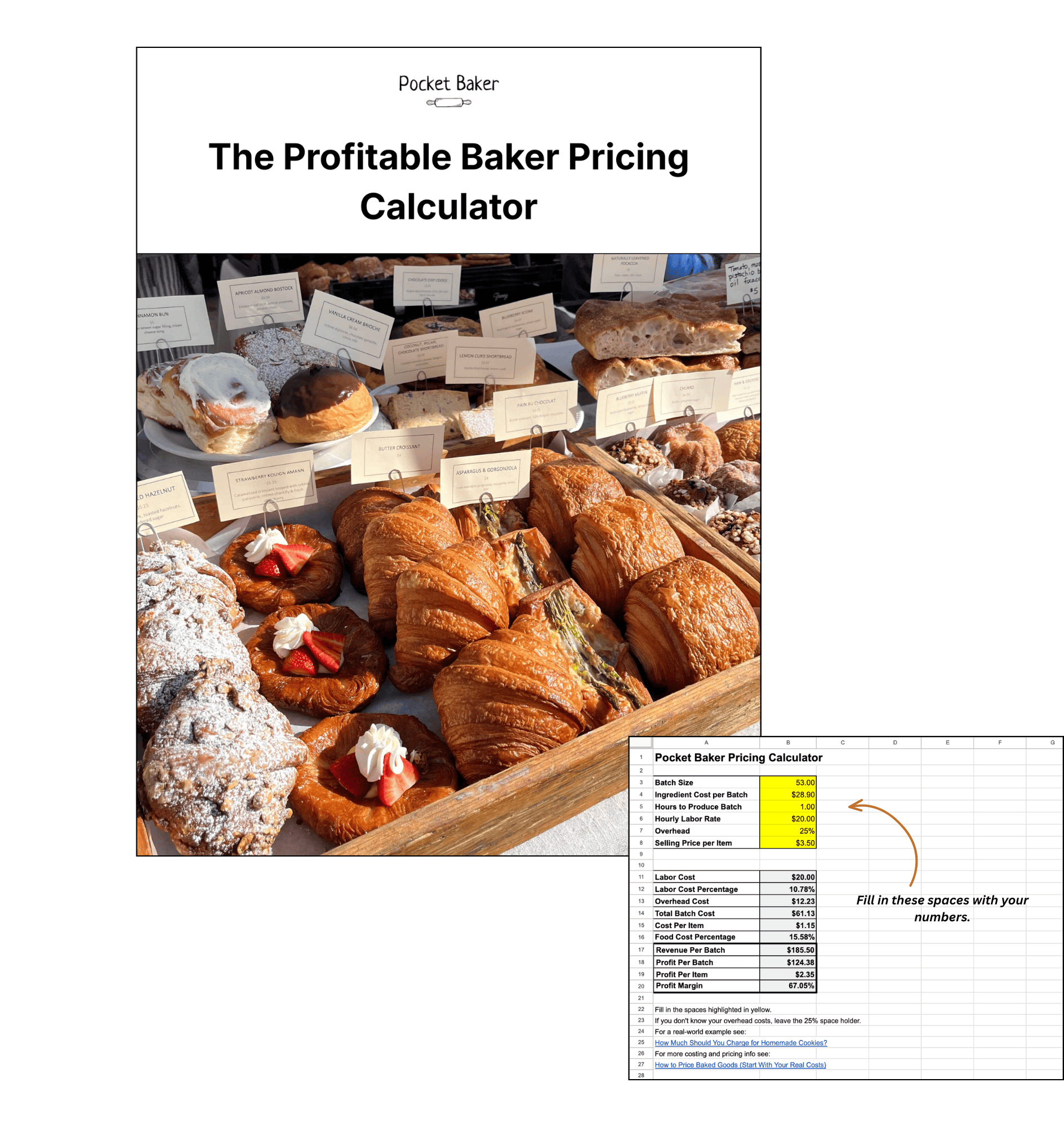
- Get the FREE Profitable Baker Pricing Calculator
Quick Answer: What Type of Baking Business Should You Build?
👉 There isn't a right answer - but there is an answer that's right for you.
The best business model is the one that fits:
- your strengths
- your available time
- your finances
- your equipment
- your space
- your state's cottage food laws
- your customers
- the lifestyle you're trying to create
Every successful bakery looks different.
What matters is building a business where your menu, workflow, and production all support one another.
Why This Matters
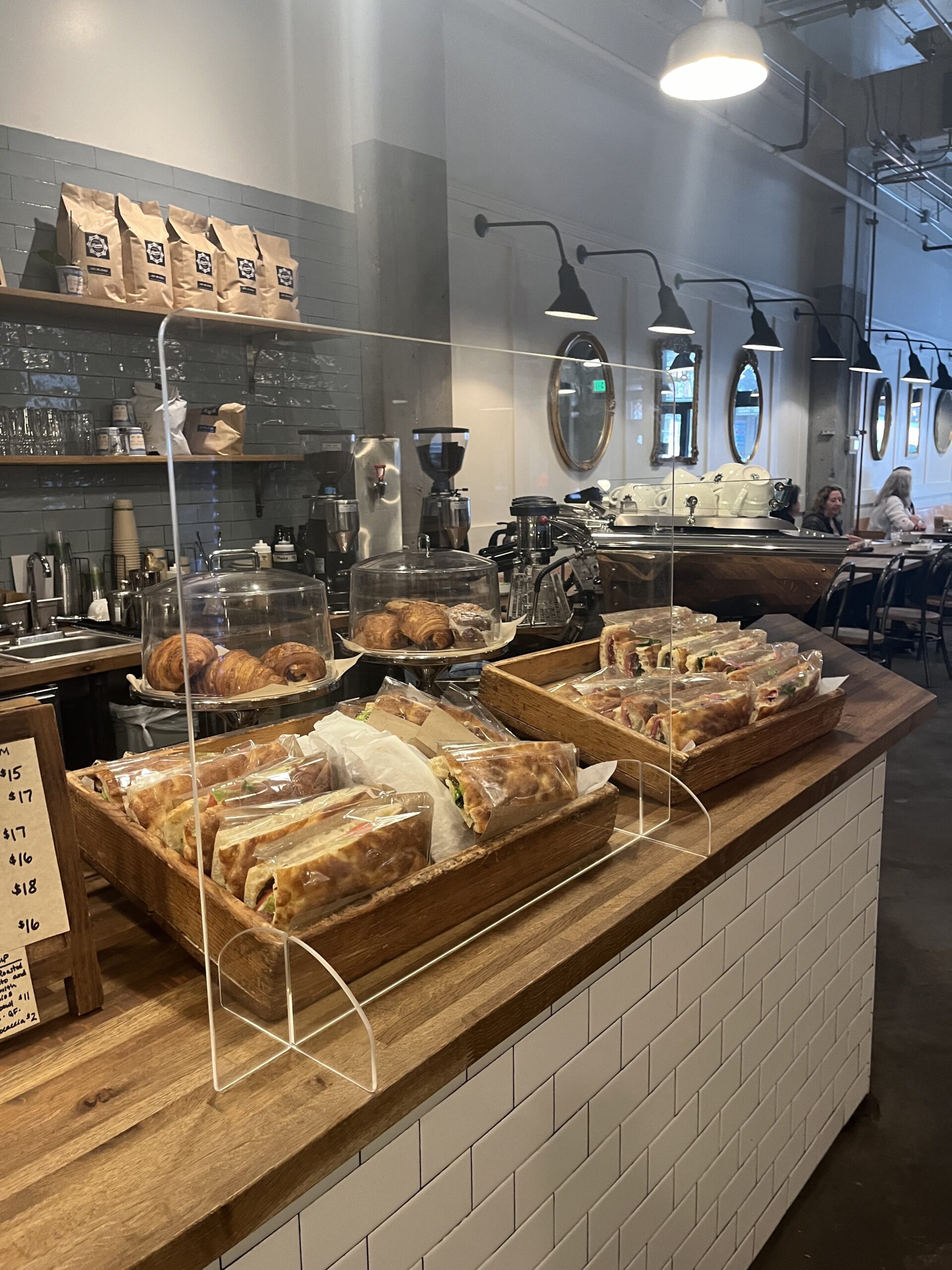
When most people picture a bakery, they imagine a display case filled with bread, pastries, cakes, cookies, sandwiches, and coffee.
Professional bakeries often appear to do it all.
In reality, they're making strategic decisions about what belongs on the menu. Those decisions are supported by experienced staff, commercial equipment, dedicated production space, and an established customer base.
Most cottage bakeries don't have those resources.
And they shouldn't expect to.
Trying to operate like a full-scale bakery from a home kitchen often leads to long hours, inefficient production, and burnout.
Instead, it's usually better to start with a focused business, build good systems, and expand as your equipment, experience, and customer base grow.
Every business model has trade-offs.
The goal isn't to choose the "best" one.
It's to choose the one that fits where you are today.
Three Common Bakery Models
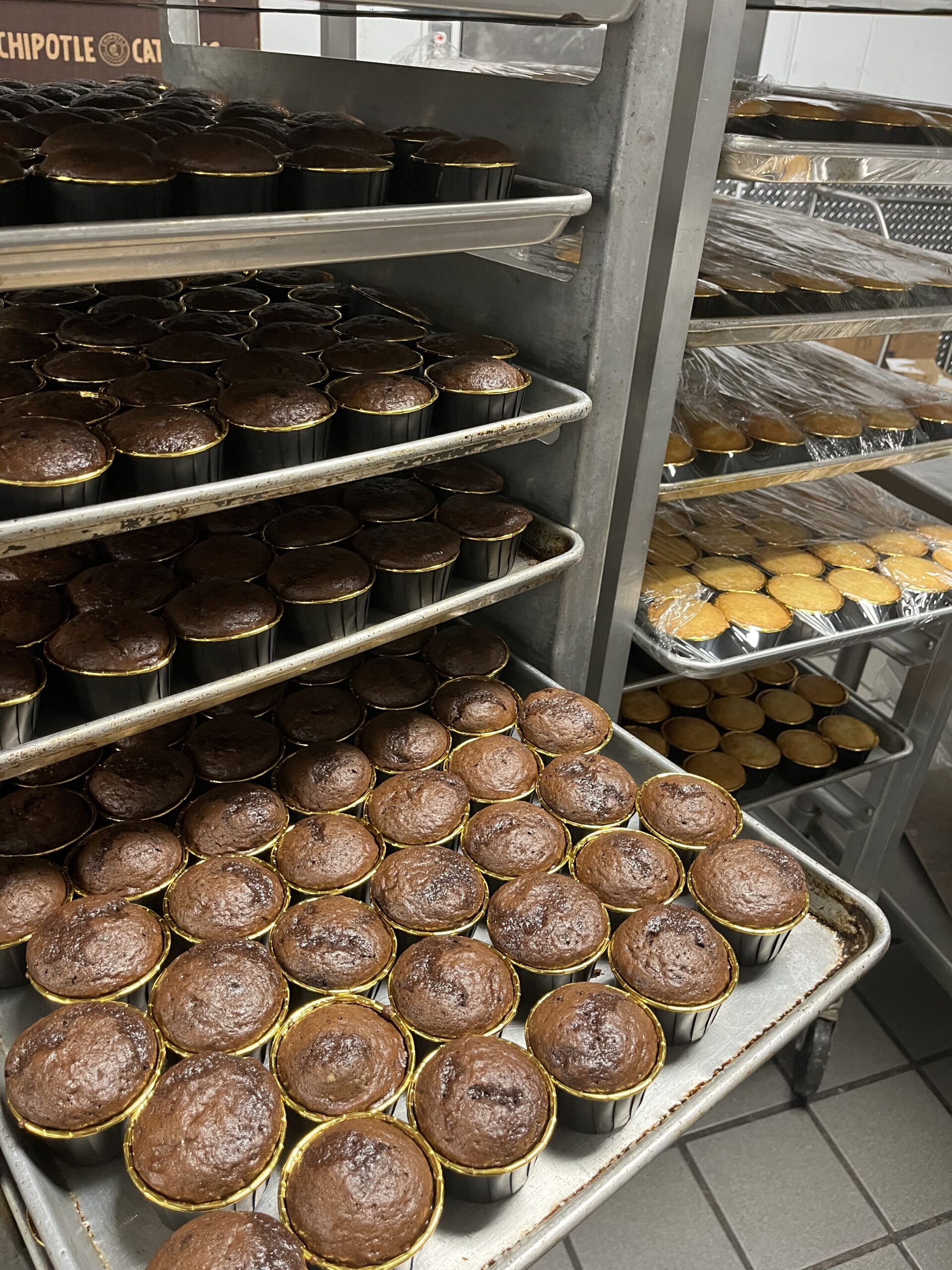
Most cottage bakeries fit into one of these categories.
Some businesses stay in one model for years.
Others gradually evolve into another.
Neither approach is right or wrong.
1. Custom Order Businesses
Examples include:
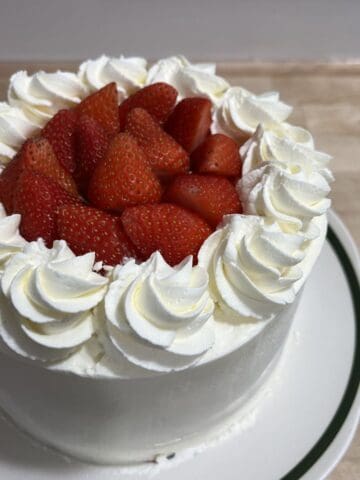
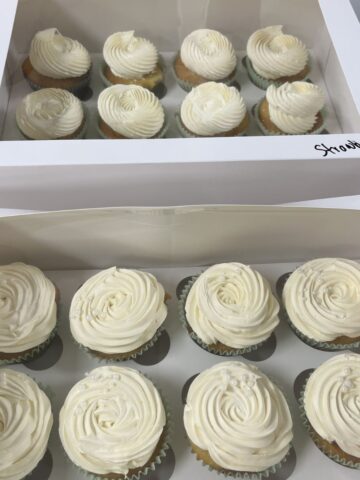
- celebration cakes and cupcakes
- wedding cakes
- decorated sugar cookies
- treat boxes
Customers are paying for creativity, craftsmanship, and personalization.
Because of that, these businesses often command higher prices.
But they also require significant labor.
Many hours can go into producing a single order, making it difficult to batch production or work ahead.
Another challenge is consistency of sales.
Most customers are purchasing for birthdays, weddings, baby showers, or other special occasions - not every week.
This model is often a great fit if you enjoy decorating, working closely with customers, and creating one-of-a-kind products.
2. Single Product Businesses
Some businesses become known for doing one thing exceptionally well.
Examples include:
- sourdough bread
- cinnamon rolls
- cookies
- brownies
- bagels
Large brands like Crumbl, Cinnabon, and Nothing Bundt Cakes are built around this idea.
The biggest advantage is repetition.
Making the same product every day allows production to become highly efficient.
Recipes are refined.
Workflow becomes predictable.
Marketing becomes simpler because customers immediately know what you're known for.
The challenge is that your success depends on one product.
It needs to be something you're exceptionally good at making - and something customers are excited to buy again and again.
3. Traditional Bakeries
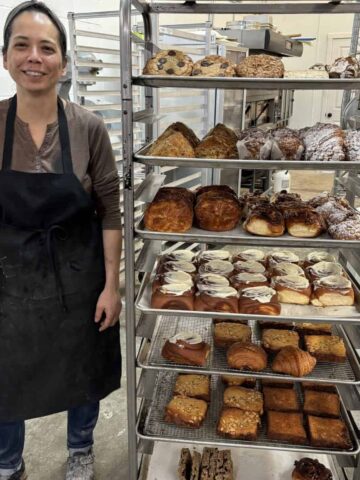
Traditional bakeries typically offer a wider variety of products.
Bread.
Pastries.
Cookies.
Cakes.
Coffee.
Sometimes sandwiches or prepared foods.
The difference is that successful traditional bakeries don't simply keep adding products.
They're intentional about what belongs on the menu.
Products are chosen because they work together.
They may share doughs, fillings, ingredients, equipment, or production methods.
This variety often creates a loyal customer base because there's something for everyone.
But it's also the most demanding model.
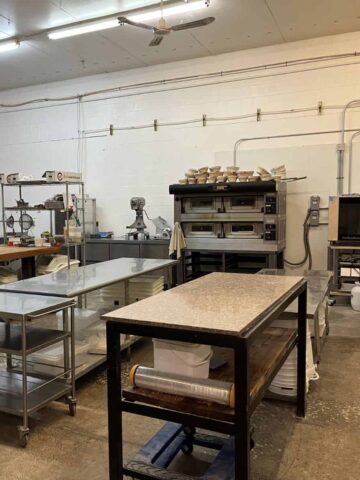
Managing multiple products requires stronger systems, more planning, more equipment, more storage space, and a well-organized workflow.
Without those systems, variety can quickly become costly and overwhelming.
If You Dream of Running a Traditional Bakery...
Start smaller than you think.
You don't need twenty products on opening day.
Choose a handful of products that work well together and build from there.
Before adding something to your menu, ask yourself:
- Will customers buy it?
- Does it generate enough revenue?
- Am I good at making it?
- Can I become efficient at making it?
- Does it fit my equipment and available space?
- Does it fit my workflow?
- Can it support other products on my menu?
If the answer is "no" to several of those questions, it may be worth waiting.
Building a traditional bakery isn't about offering everything.
It's about adding the right products at the right time.
Notice Something?
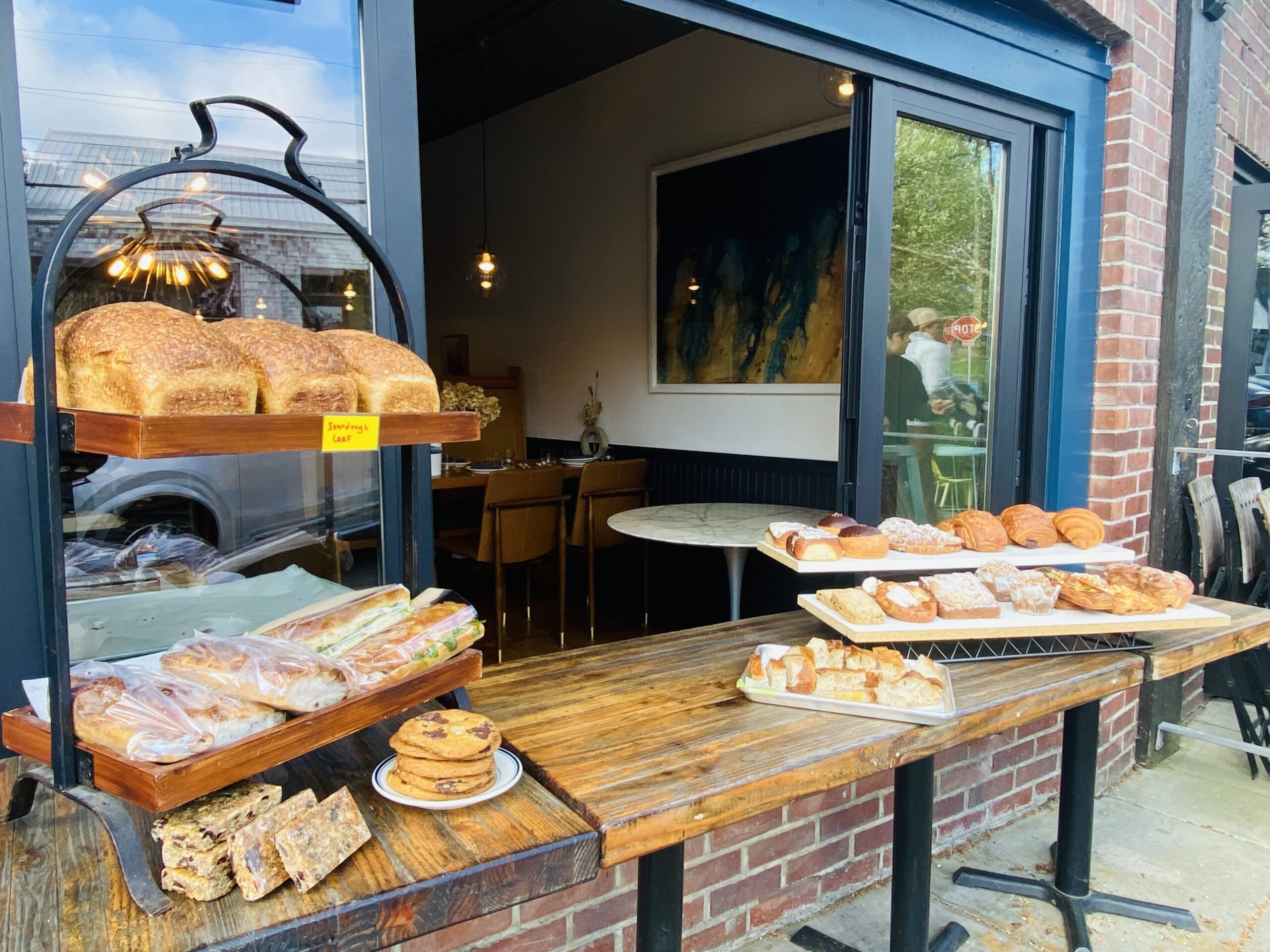
These business models operate differently.
Creating custom cakes is vastly different from selling bread and pastries at the farmer's market on the weekends.
Each business requires different systems, different production schedules, and different priorities.
Trying to operate multiple models is one of the fastest ways to become overwhelmed.
The clearer you are about the business you're building, the easier it becomes to make decisions about your menu, workflow, and equipment.
Build Around the Bakery You Have Today
Instead of planning for the bakery you hope to own someday, build around what you have today.
Use the equipment you already own.
Work within the space you have available.
Create systems that fit your schedule.
As your business grows, your menu, equipment, and production can grow with it.
It's Okay to Change
Very few successful bakeries stay exactly the same.
You might begin by selling cinnamon rolls.
Later you add coffee.
Eventually other breakfast pastries.
Then sandwiches.
Growth is part of the process.
The important thing is making intentional decisions instead of simply adding products because someone asks if you can make them.
Questions to Ask Yourself
Before building your menu, ask:
- What do I enjoy making?
- What am I efficient at producing?
- What do my customers actually want?
- What fits my equipment and available space?
- What fits my schedule?
- What kind of business do I want to build?
The clearer your answers become, the easier every decision that follows will be.
Build Your Bakery: Start Here
Understanding Your Products
👉 How to Create a Cottage Bakery Menu
👉 A New Baker Sees Five Products. A Professional Baker Sees One Dough
👉 Product Mix: Build a Menu That Works
Workflow & Efficiency
👉 Why Does Baking Take Me So Long?
👉 Freezer-Friendly Workflow: The Professional Baker's Approach
Pricing & Profitability
👉 Cost-Based vs Value-Based Pricing for Baked Goods
👉 What Is a Good Profit Margin for Baked Goods?
👉 Why Your Baking Business Isn't Making Money
Final Thoughts
There isn't one perfect bakery model.
There isn't one perfect menu.
And there isn't one perfect workflow.
Every business model comes with its own advantages and its own challenges.
The goal is to build a bakery that fits your strengths, your resources, and the life you want to create.
When your business model, menu, and workflow all support one another, production becomes easier, decisions become simpler, and growth becomes much more manageable.
Pocket Baker Perspective
Over the years I've worked in several very different kitchens.
A small neighborhood café where I produced pastries.
A bakery that sold retail and wholesale.
Even a AAA Five Diamond hotel pastry kitchen.
None of those businesses operated the same way.
And no one expected them to.
Each had different staff, different equipment, different budgets, different space, and different customers.
And each business was built around its own resources, its own customers, and its own goals.
I think that's one of the most important lessons for anyone starting a cottage bakery.
You don't have to build the bakery you hope to have five years from now.
Build the bakery you can run well today.
If you can consistently produce products people want - in a way that's efficient, sustainable, and profitable - you're already building something worth growing.