
Introduction
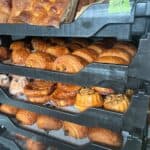
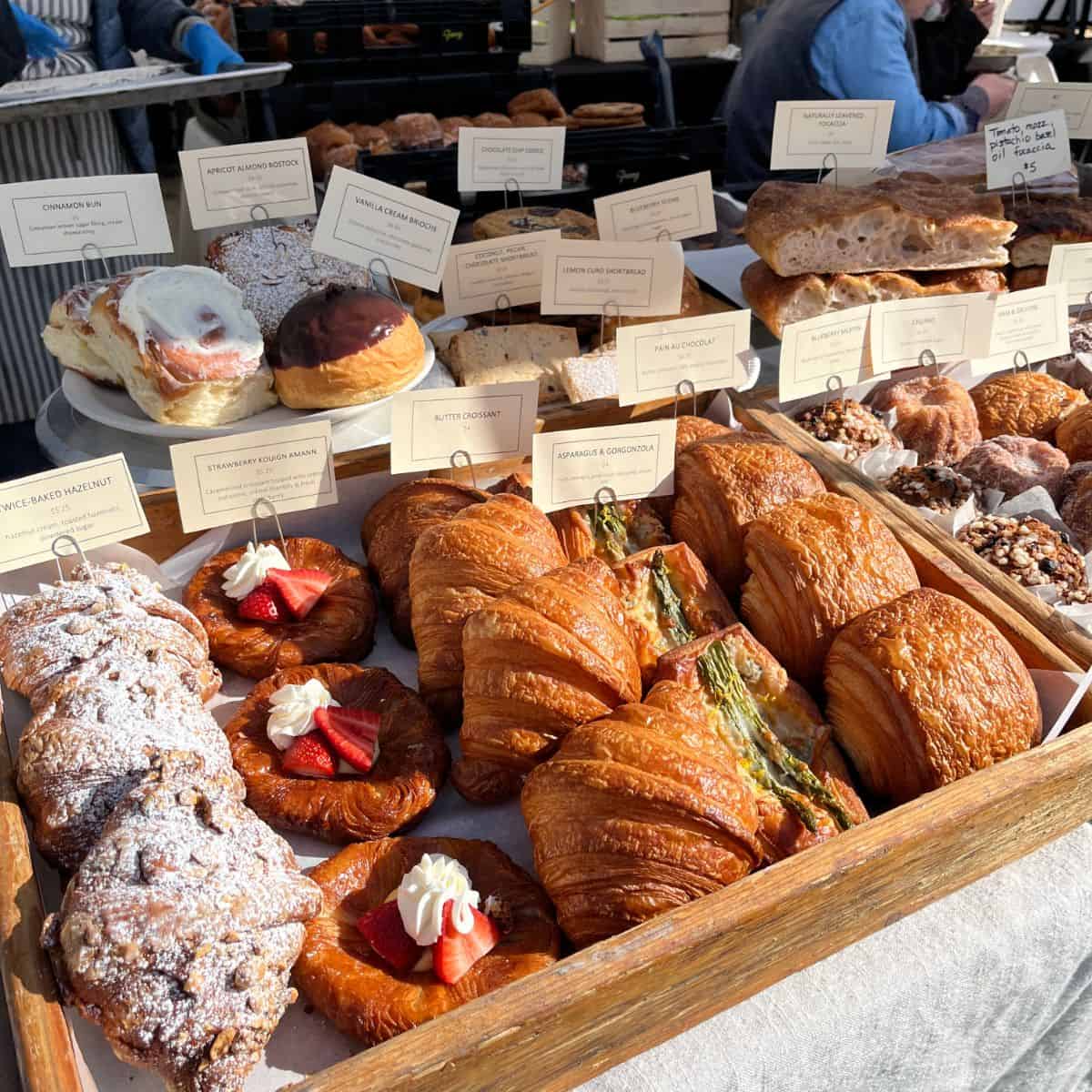
Walk into a bakery and look at the pastry case.
You might see:
- butter croissants
- pain au chocolat
- ham and Gruyère croissants
- almond croissants
- kouign-amann
A new baker sees five products.
An experienced baker sees one dough.
This is one of the biggest differences between how newer bakers and professional bakers think about production.
New bakers often focus on what they're selling.
Professional bakers focus on what they're making.
Understanding bakery menu planning is about more than deciding what to sell - it's about creating systems that support your business.
And that shift changes everything.
Jump to:
- Introduction
- Quick Answer
- Bakery Menu Planning Starts With Systems
- Croissant Dough
- Brioche Dough
- Pastry Cream
- Why This Matters
- A Better Way to Think About Menu Creation
- Questions to Ask Before Adding a Product
- Workflow & Efficiency: Start Here
- Final Thoughts
- Pocket Baker Perspective
- Get the FREE Profitable Baker Pricing Calculator
Quick Answer
👉 Professional bakers don't build menus around individual products.
They build menus around systems.
The goal is to create multiple products from the same doughs, batters, fillings, and components whenever possible.
This:
- simplifies production
- improves efficiency
- reduces labor
- lowers inventory requirements
- makes scaling easier
👉 The fewer production systems required to support your menu, the easier your business becomes to manage.
Bakery Menu Planning Starts With Systems
When adding a new product to the menu, many bakers make the decision based on:
- what they enjoy making
- what they enjoy eating
- something they saw on social media
Professional bakers often approach it differently.
Before adding a product, they ask:
How will my customers respond to it?
But they also ask:
What will it require to produce it?
Does it require:
- a new dough?
- a new filling?
- special equipment?
- additional storage space?
- more labor?
Or can it be created from something that's already being produced?
That distinction matters.
Every new production system adds complexity.
A new dough isn't just a new dough. It may require additional ingredients, mixing time, refrigeration space, freezer space, shaping methods, training, packaging, and cleanup.
The most efficient menus aren't usually built by constantly adding new products.
They're built by finding new ways to use what already exists.
That's why a professional baker might look at a brioche dough, a croissant dough, or a focaccia recipe and see dozens of products hiding inside a single formula.
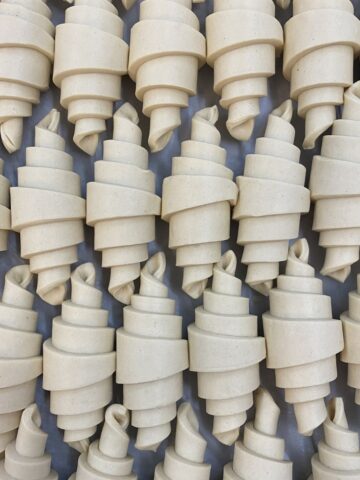
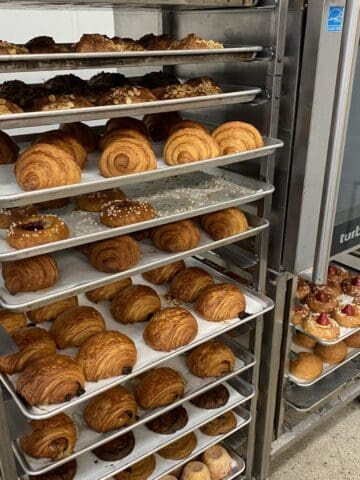
Croissant Dough
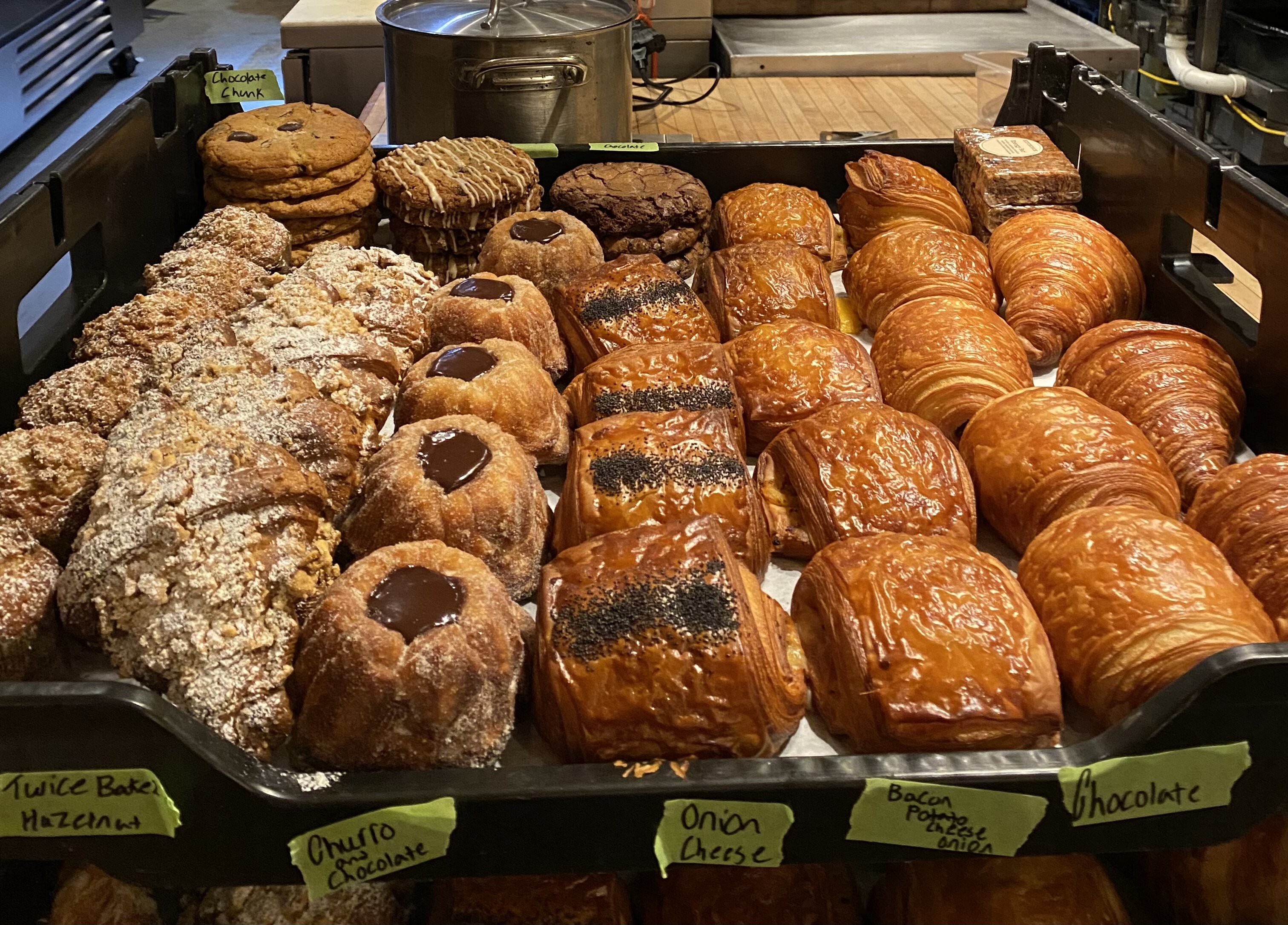
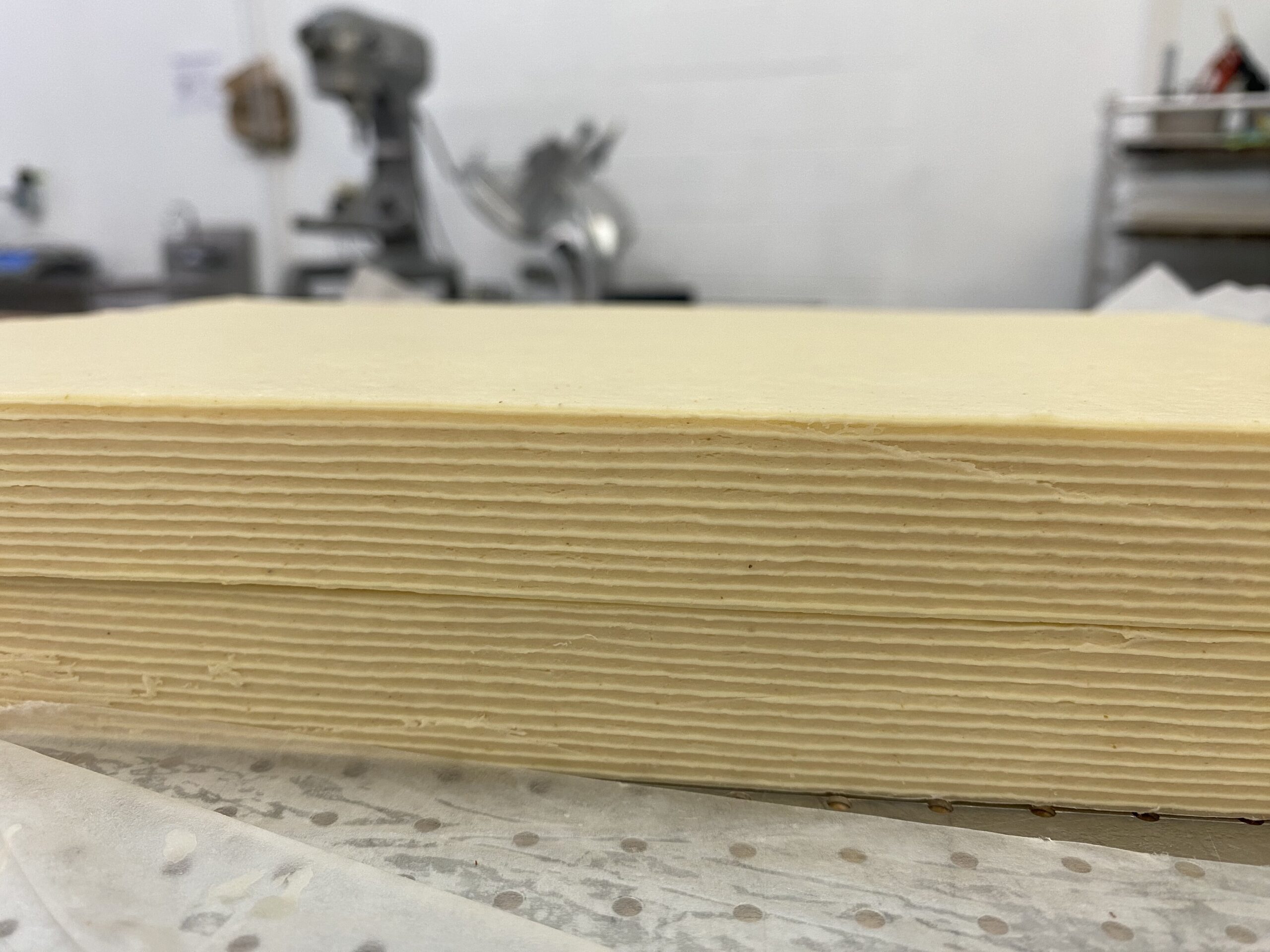
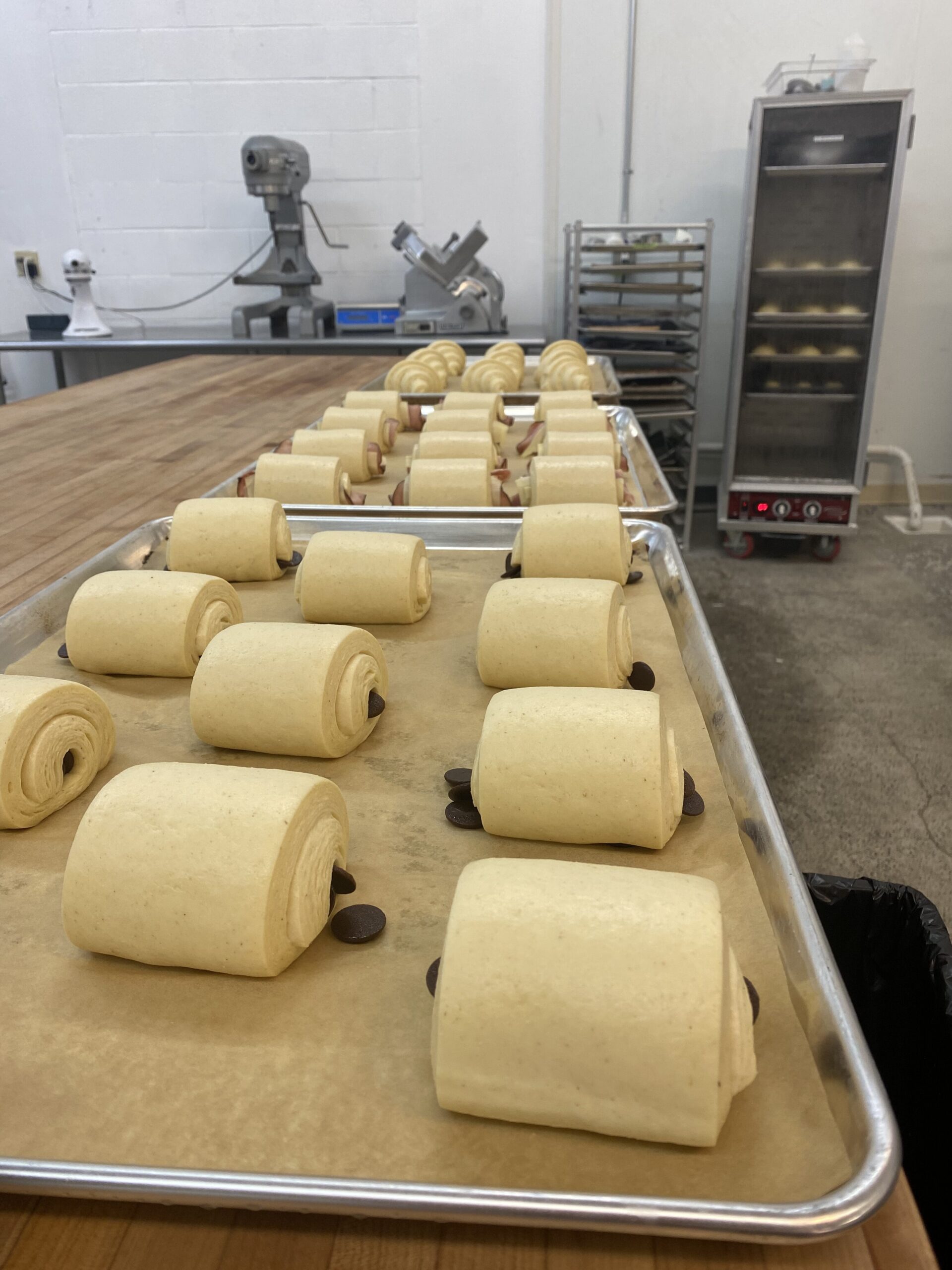
In the bakery I operated, croissant dough was one of the most valuable components we made.
Why?
Because we sold many products from the same dough.
For example:
- butter croissants
- pain au chocolat
- ham and Gruyère croissants
- samosa croissants
- kouign-amann
- twice-baked hazelnut croissants
And even the scraps were used.
Croissant scraps became:
- croissant loaves
- churro croissants
- almond bostock
- honey butter toast
A customer saw multiple products.
I saw one dough.
Brioche Dough
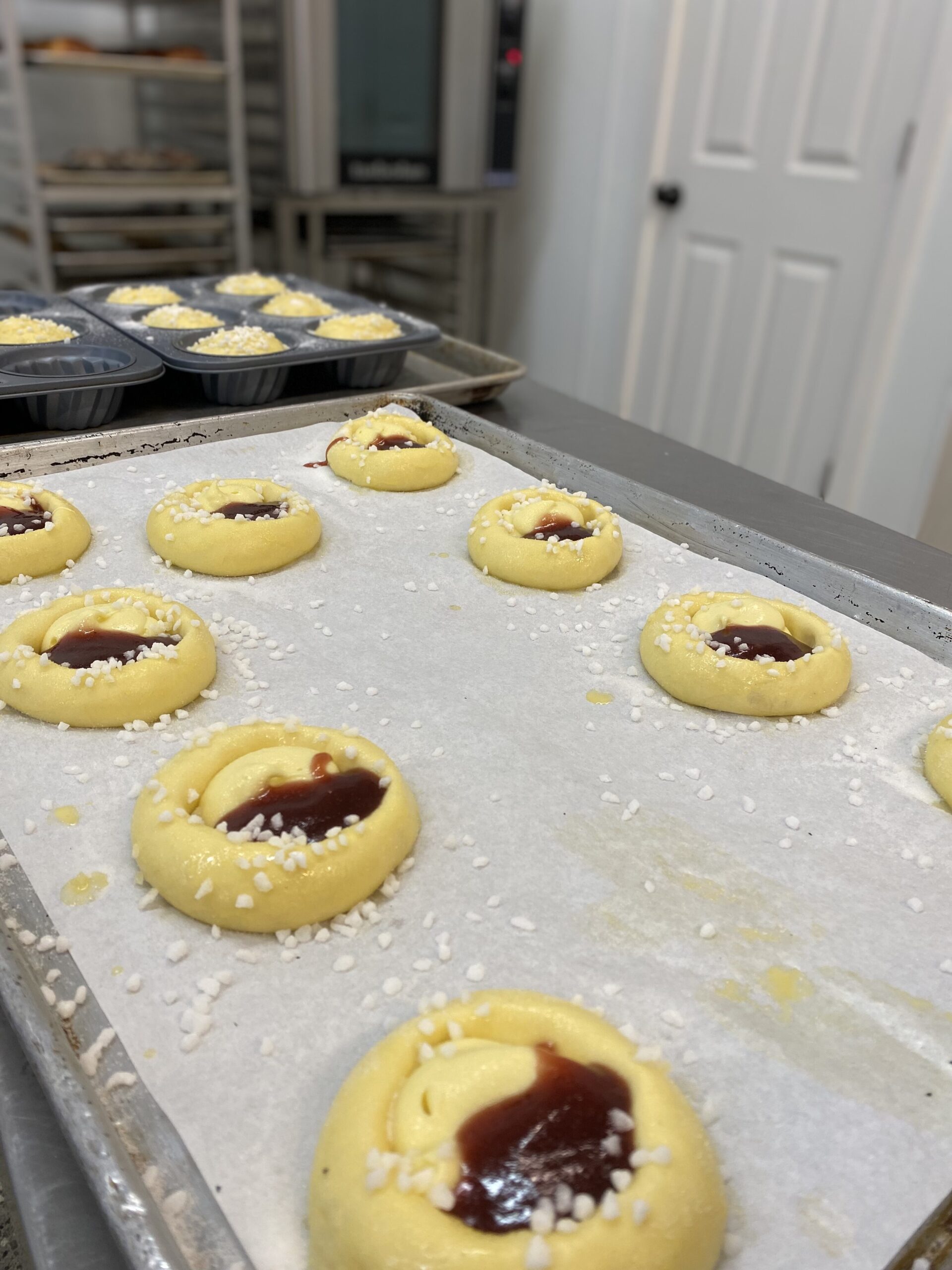
The same principle applied to brioche.
One dough became:
- maritozzi
- chocolate cream buns
- fruit brioche
- cardamom buns
None of those products required a new dough, a new mixing process, or a separate production day.
Again:
multiple products
one production system.
Pastry Cream
The same thing happened with components.
Pastry cream was used in:
- cream buns
- fruit brioche
- kouign-amann tarts
- frangipane
Because pastry cream was already being produced, each additional application increased its value without creating an entirely new process.
One component.
Multiple applications.
Why This Matters
Every time you introduce:
- a new dough
- a new filling
- a new ingredient
- a new process
you create additional work.
More inventory.
More production.
More storage.
More opportunities for waste.
The goal isn't necessarily to have fewer products.
The goal is to have products that support each other.
A Better Way to Think About Menu Creation
Instead of simply asking:
"What should I sell?"
Ask:
👉 What systems can I maintain?
If you're starting a cottage bakery, you don't need twenty products.
You might only need:
- one dough
- one strong process
- several variations
For example:
One sourdough formula can become:
- traditional
- seeded
- fruit and nut
- cheddar jalapeño
- dinner rolls
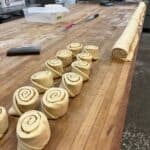
One cinnamon roll dough can become:
- classic w/cream cheese frosting
- sticky buns
- maple pecan
- strawberries and cream
- savory flavors
- seasonal flavors
Simple systems often scale better than complicated menus.
Questions to Ask Before Adding a Product
Before adding something new, ask:
- Does it make enough money to justify the work?
- Can it be made from something I'm already producing?
- Does it require new ingredients?
- Does it require new equipment?
- Does it fit my workflow?
If the answer is no to most of those questions, it may not belong on the menu.
Workflow & Efficiency: Start Here
Understanding Your Business
- 👉 What Type of Baking Business Are You Building? (future post)
- 👉 Product Mix - Build a Menu That Works
Creating Better Workflow
- 👉 Freezer-Friendly Workflow - The Professional Baker's Approach
- 👉 10 Tips for Consistent Baking Success (Bake Like a Pro at Home)
- 👉 How to Store Cakes (And Why Freezing Actually Improves Them)
- 👉 Freeze Pie Dough Like a Pro
- 👉 Can You Free Croissants
Making Sure the Numbers Work
Final Thoughts
A bakery menu isn't just a list of products.
It's a collection of production systems.
The most efficient bakeries aren't necessarily the ones with the fewest products.
They're the ones where products support each other.
When multiple items can be produced from the same doughs, fillings, and components, production becomes simpler, more profitable, and easier to scale.
Pocket Baker Perspective
I've never been particularly interested in having the biggest menu.
I've always been more interested in making the menu work.
When I looked at a new product, I wasn't just thinking about whether customers would buy it.
I was thinking about where it would live in the refrigerator, whether I had freezer space for it, what it would do to my production schedule, and whether it could be made from something I was already producing.
Those aren't the glamorous parts of baking, but they're often the difference between a menu that feels manageable and one that feels overwhelming.
The bakeries that seem effortless usually aren't effortless at all.
They're just organized.
A lot of thought has gone into deciding what belongs on the menu and what doesn't.
For me, that's always been the goal:
Not more products.
Better systems.