




Introduction
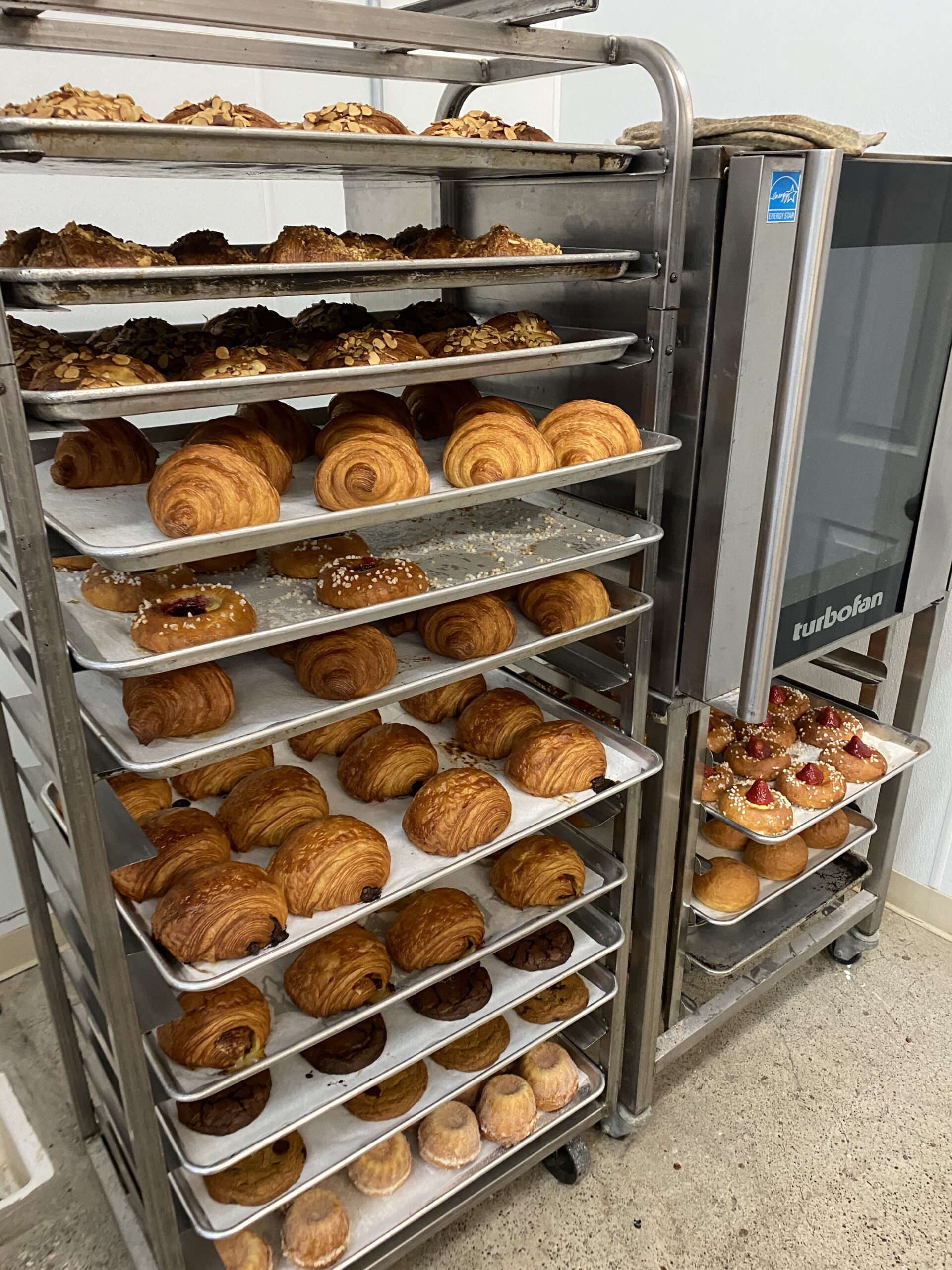
Have you ever wondered how bakeries produce so many baked goods?
Even small bakeries seem to turn out an incredible amount of product every day.
Meanwhile, you're constantly working.
There never seem to be enough hours in the day.
Orders are coming in, customers are happy, and you're selling - but you're starting to feel the burnout.
You know there must be a way to do more.
A way to be more efficient.
A way to scale without spending every evening and weekend in the kitchen.
The good news?
Many cottage bakers believe they have a time problem when they actually have a workflow problem.
They assume they need more hours in the day.
In reality, they often need better systems.
And workflow problems are much easier to solve than trying to find more time.
Professional bakers aren't necessarily working faster than you are.
In most cases, they're simply working differently.
The secret isn't speed.
It's workflow.
Jump to:
Quick Answer: Why Does Baking Take Me So Long?
👉 Baking takes longer than expected when your workflow isn't supporting the type of business you're trying to build.
This usually happens when:
- you haven't decided what type of business you're building
- every order is produced start-to-finish on demand
- your products aren't designed to work together
- you're not using your freezer as a production tool
👉 Efficiency isn't about moving faster.
It's about making the most use of your time with the resources available.
What's Actually Happening
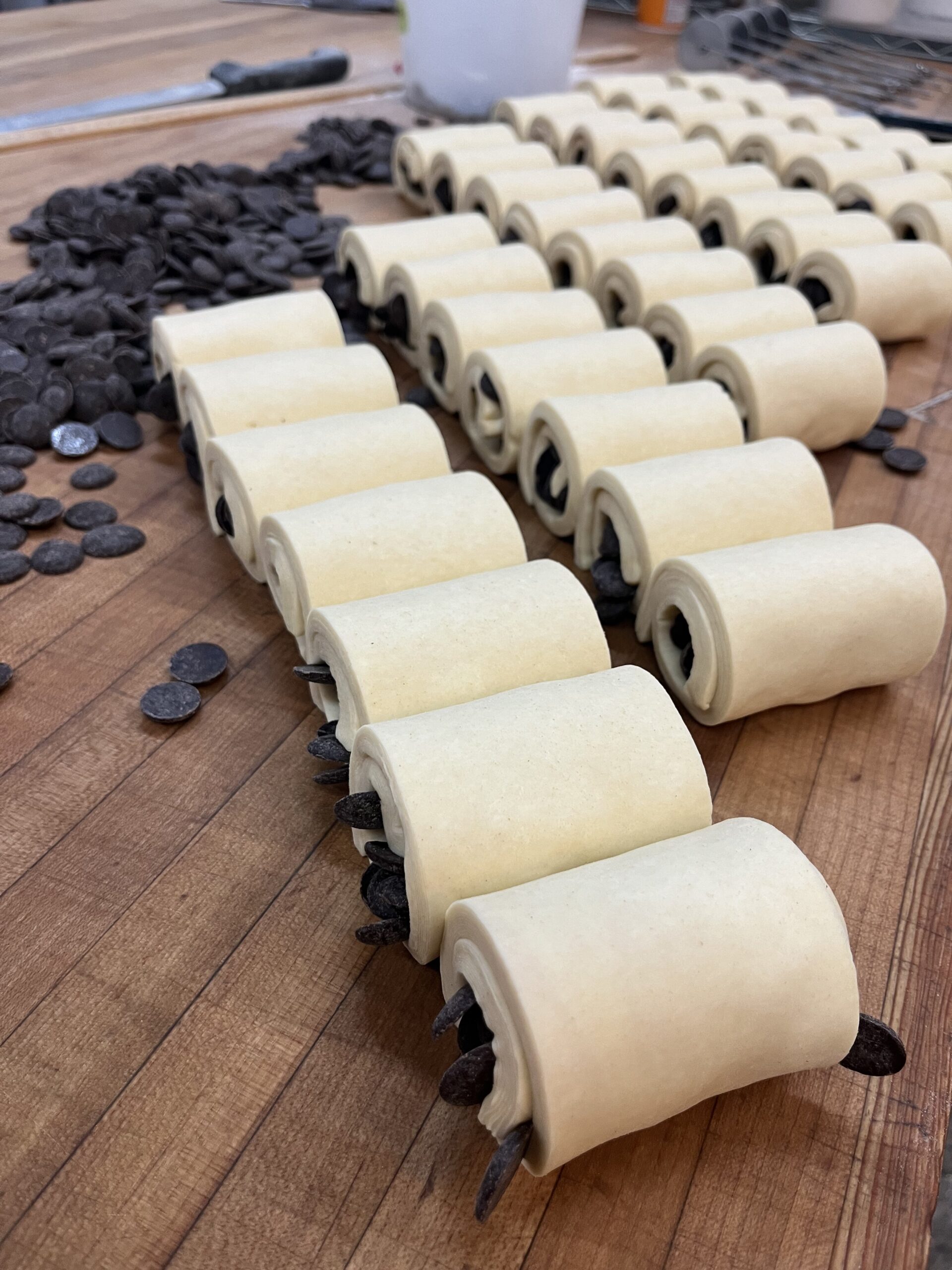
Many newer bakers assume professional bakeries produce more because they work faster.
That's usually not true.
The difference is that professional kitchens create flow.
A newer baker often sees:
Cookie Order A
Cake Order B
Cupcake Order C
Three separate orders.
Three separate projects.
Three separate things to complete.
A professional baker will focus on how this ties into overall production.
The goal is to organize the work in a way that allows products to move through the system efficiently.
That's what creates capacity.
And capacity is what allows bakeries to produce large amounts of product without constantly feeling overwhelmed.
Why Baking Takes So Long
1. You Haven't Decided What Type of Business You're Building
One of the biggest reasons baking feels overwhelming is because many cottage bakers are accidentally trying to run multiple businesses at the same time.
For example:
- custom cakes
- decorated sugar cookies
- macarons
- cinnamon rolls
- sourdough
- cupcakes
Each product requires different equipment, ingredients, timelines, and workflows.
The result is constant switching between tasks.
As a small bakery, it's important to start around a model.
Custom Order Businesses
These businesses often focus on:
- specialty cakes
- decorated sugar cookies
- treat boxes
- highly customized products
These businesses typically trade volume for customization.
Every order is unique.
Production is naturally slower.
Single Product Businesses
Think:
- Crumbl
- Cinnabon
- Nothing Bundt Cakes
These businesses focus on producing a smaller number of products at high volume.
Efficiency comes from repetition.
Traditional Bakeries
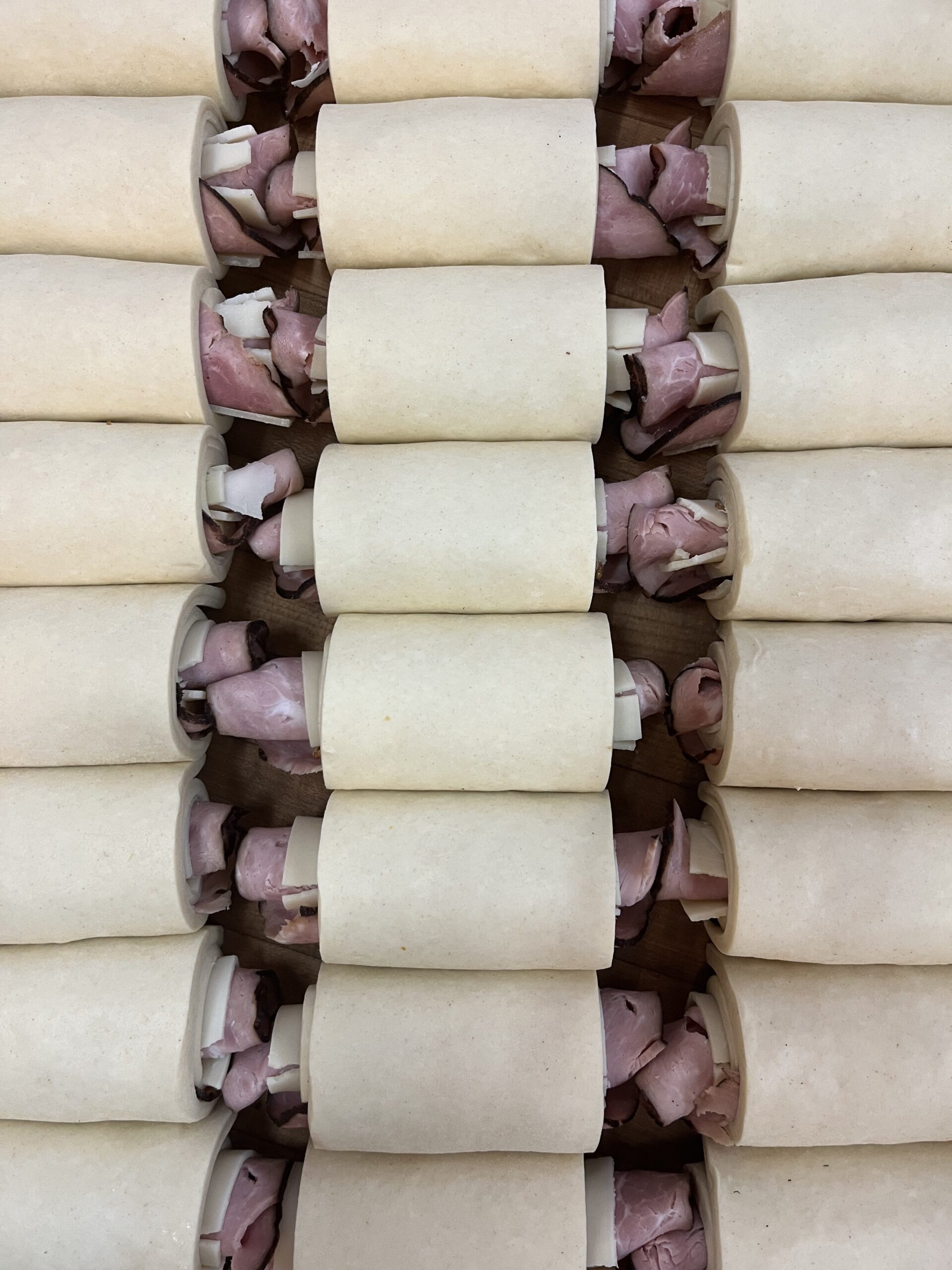
Traditional bakeries often carry many products, but those products are selected intentionally.
Some items:
- drive traffic
- generate profit
- support production
- fit naturally into the workflow
The menu is built as a system.
👉 Before you can improve efficiency, you need to understand what type of business you're building.
Your menu, workflow, and production schedule should support that model.
2. You're Producing Everything Start-to-Finish
Many cottage bakers approach production one order at a time.
For example:
Mix cake batter → Bake cake → Cool cake → Make icing → Decorate cake → Cut cake → Package cake
Mix cookie dough → Scoop cookie dough → Bake cookies → Cool cookies → Package cookies
That's a lot of steps in one day.
And it feels productive because you're busy.
But in reality, you're constantly starting over.
Every order requires you to mix, bake, prepare, finish, and package from scratch.
If you're doing this multiple times a week, it creates far more work than necessary.
Busy bakeries rarely work this way.
Instead, production is spread across multiple days.
Cake layers may already be baked and frozen.
Cookie dough may already be mixed and portioned.
Fillings, frostings, and components may already be prepared.
That doesn't mean bakers aren't mixing, shaping, baking, and finishing products every day - they are.
The difference is that not every product is starting at the beginning.
And very few items are made from start to finish in a single day.
A typical production day might include:
- baking today's products
- mixing tomorrow's doughs
- decorating cakes for pickup
- shaping items for the next day
- packaging finished orders
Everything is moving forward at the same time.
Instead of constantly starting over, you're working from a system that has already been set in motion.
👉 Professional bakeries don't necessarily produce more because they work faster.
They produce more because much of the work has already been done.
This creates flexibility, saves time, and allows products to be served as fresh as possible.
👉 Freezer-Friendly Workflow - The Professional Baker's Approach
3. Your Menu Doesn't Match Your Capacity
Not every menu supports efficient production.
One of the most common mistakes cottage bakers make is creating a menu without considering the limitations of their space, equipment, and time.
For example:
- Do you have enough freezer space to work ahead?
- Do you have enough refrigerator space for doughs, fillings, and finished products?
- Do you have enough counter space to decorate, package, and organize orders?
If not, you may need to adjust your production schedule - or reconsider some of the products you're offering.
Equipment matters too.
A KitchenAid mixer can be really helpful, but it also has limitations.
If you're selling large quantities of cookies every week, does it make sense to mix multiple batches in a small mixer?
Or would your time be better spent focusing on products that fit your equipment and capacity?
Oven space matters as well.
Ask yourself:
- Does everything need to be baked the morning of the sale?
- Do I have enough oven capacity to do that?
- Am I waking up at 1:00 AM just to get everything finished?
- Am I baking products the day before and sacrificing quality because my schedule can't support same-day production?
Finishing and packaging should also be considered.
Many bakers carefully calculate mixing and baking time, but completely overlook:
- decorating
- labeling
- boxing
- wrapping
- preparing orders for pickup
Packaging is part of production.
And it often takes longer than expected.
That's why many successful bakers start by becoming exceptionally good at one or two products.
A focused menu is often easier to produce, easier to market, and easier to scale.
As your equipment, space, and systems improve, your menu can grow with them.
👉 The goal isn't to offer everything.
The goal is to offer products that fit the business you're trying to build.
👉 Product Mix - Build a Menu That Works
4. You're Not Working Ahead
Many bakers assume:
Fresh = everything made from start to finish today.
Professional bakers think differently.
Yes, breads and breakfast pastries are typically baked fresh each day.
But that doesn't mean production starts that morning.
The dough has likely been mixed, portioned and shaped ahead of time.
The same is true for many other baked goods.
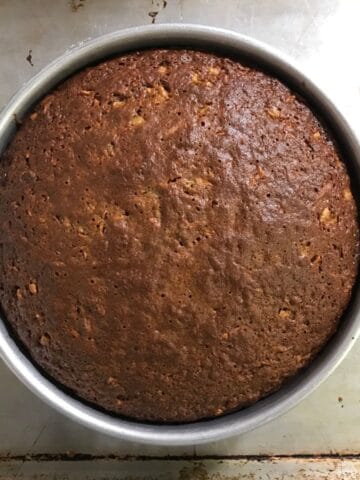
Cake layers are often baked in advance and stored in the freezer until needed. In fact, many bakers find frozen cake layers easier to cut, fill, and coat.
Layered and decorated cakes are also frequently assembled the day before pickup, allowing flavors to develop and making production more manageable.
Pie shells can be prepared ahead of time, frozen, parbaked, and quickly filled when needed. A quiche may be baked fresh in the morning, but much of the work was completed days earlier.
Many products freeze exceptionally well:
- cake layers
- cookie dough
- pie dough
- tart shells
- cheesecake
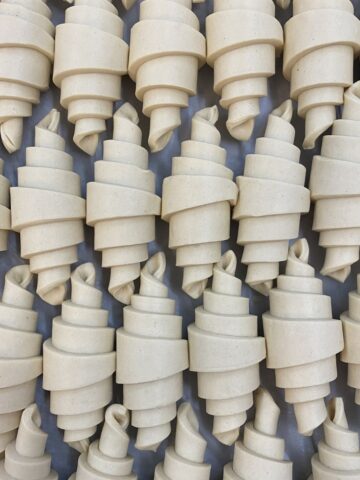
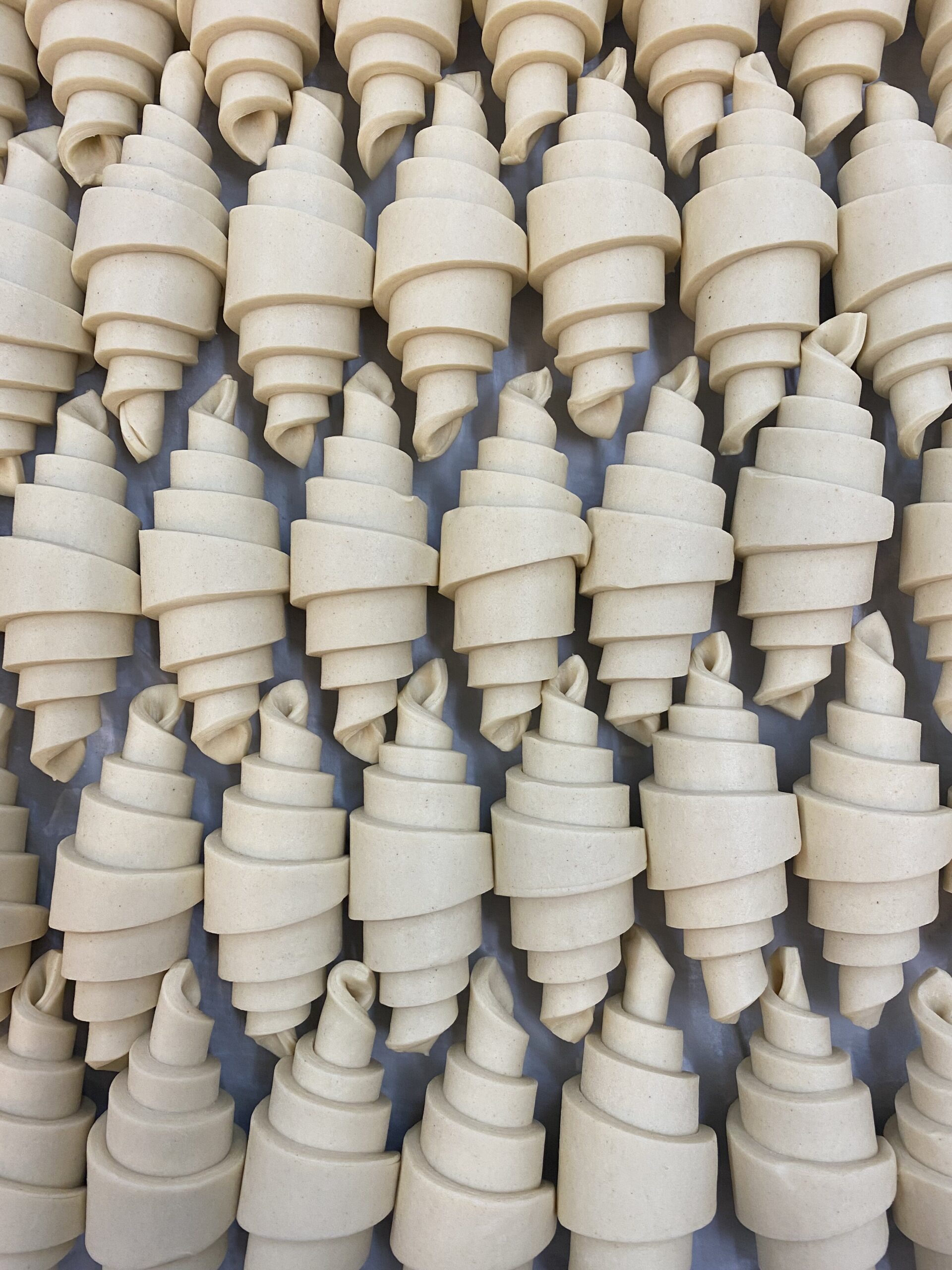
- shaped, unbaked croissants
- brioche dough
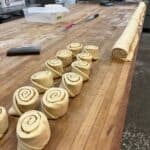
- shaped, unbaked cinnamon rolls
👉 Fresh doesn't necessarily mean all of the work was done the same day.
It means the product is prepared well, properly stored, and intentionally produced.
The freezer isn't a shortcut.
It's a workflow tool.
Used correctly, it allows you to spread production across multiple days instead of trying to do everything at once.
A product that can be mixed today and baked next week creates far more flexibility than one that must be completed from start to finish in a single day.
Trying to make everything from scratch on demand often creates unnecessary stress, limits production capacity, and makes it harder to scale your business.
👉 Can You Freeze Muffin Batter?
👉 How to Make Cookie Dough Ahead of Time
A Better Way to Think About Efficiency
The question isn't:
"How can I work faster?"
The better question is:
👉 What tools are available to help me build the business I'm trying to create?
Ask yourself:
- What do I make repeatedly?
- What can I prepare ahead?
- What can I freeze?
- Which products consume the most time?
- Does my menu support my workflow?
The goal isn't to become faster.
The goal is to build systems that support consistent, efficient production.
Working ahead is one tool.
Freezing is one tool.
Batching is one tool.
A focused menu is one tool.
The right answer depends on the type of business you're building.
👉 Efficiency isn't just about producing more.
Being consistent, delivering quality products, meeting deadlines, and working with a sense of calm are just as important.
The best systems don't simply help you produce more.
They help you produce better.
Questions to Ask Yourself
If you're constantly busy, take a step back and evaluate your process.
- Have I decided what type of bakery I'm building?
- Does my menu support that vision?
- Am I producing everything start-to-finish multiple times a week?
- What can I prepare ahead?
- What can I freeze?
- Which products consume the most labor?
- Am I busy because demand is high - or because my workflow is inefficient?
Sometimes the biggest improvements come from changing the system rather than working harder within it.
Workflow & Efficiency: Start Here
Understanding Your Business
- 👉 What Type of Baking Business Are You Building? (future post)
- 👉 Product Mix - Build a Menu That Works
Creating Better Workflow
- 👉 Freezer-Friendly Workflow - The Professional Baker's Approach
- 👉 10 Tips for Consistent Baking Success (Bake Like a Pro at Home)
- 👉 How to Store Cakes (And Why Freezing Actually Improves Them)
- 👉 Freeze Pie Dough Like a Pro
- 👉 Can You Free Croissants
Making Sure the Numbers Work
Final Thoughts
Being busy doesn't automatically mean you're productive.
Sometimes it simply means the work isn't organized in a way that supports the result you're trying to achieve.
The goal isn't to work faster.
It's to build a process that makes good work easier to repeat.
When workflow improves:
- stress decreases
- consistency improves
- production increases
- scaling becomes possible
And perhaps most importantly, baking becomes more sustainable.
Pocket Baker Perspective
When I first started, I didn't have a large bakery.
I had a small workspace, one oven, a mixer, a small cabinet proofer and a chest freezer.
Space was limited. Equipment was limited. Time was limited.
So I learned to make the most of what I had.
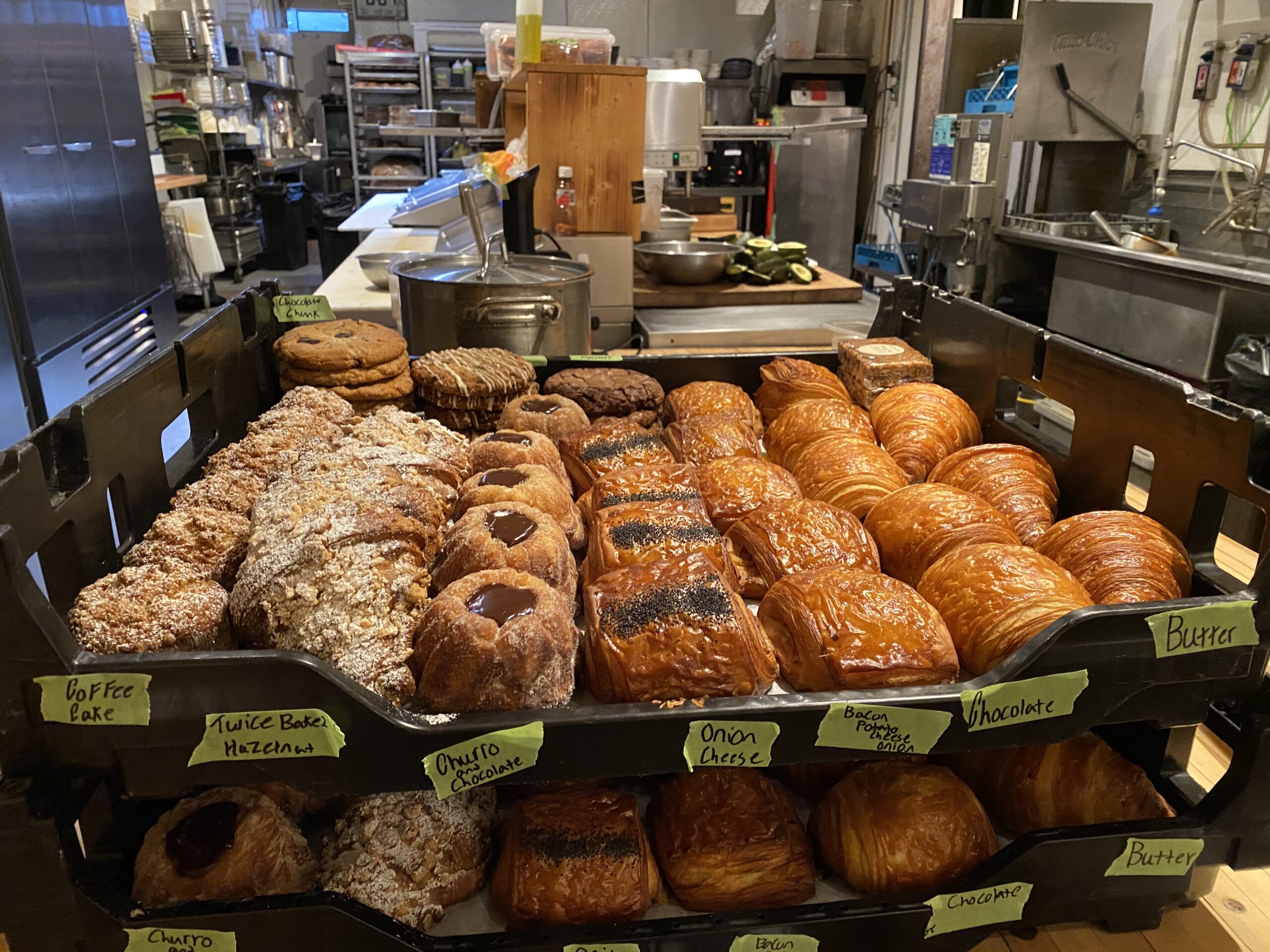
Croissant dough was made once a week. The dough was laminated, shaped into multiple varieties, and frozen for later use.
Bread dough was mixed a few times a week and held in the refrigerator until it was ready to be baked.
Cookies and muffin batter were mixed in larger batches and frozen.
Everything was still baked fresh.
The difference was that not all of the work happened on the same day.
Production was spread out in a way that made the workload manageable.
That allowed me to produce more product, maintain quality, and avoid constantly feeling overwhelmed.
Even as a professional baker, I was continually evaluating menus, workflows, and production schedules to find better ways to use my time.
As the business grew, so did the space and equipment.
But the mindset never changed.
The goal wasn't to work harder.
The goal was to build systems that made good work repeatable with the resources available.
That's the real secret behind efficiency.
Not speed.
Systems.