

Introduction
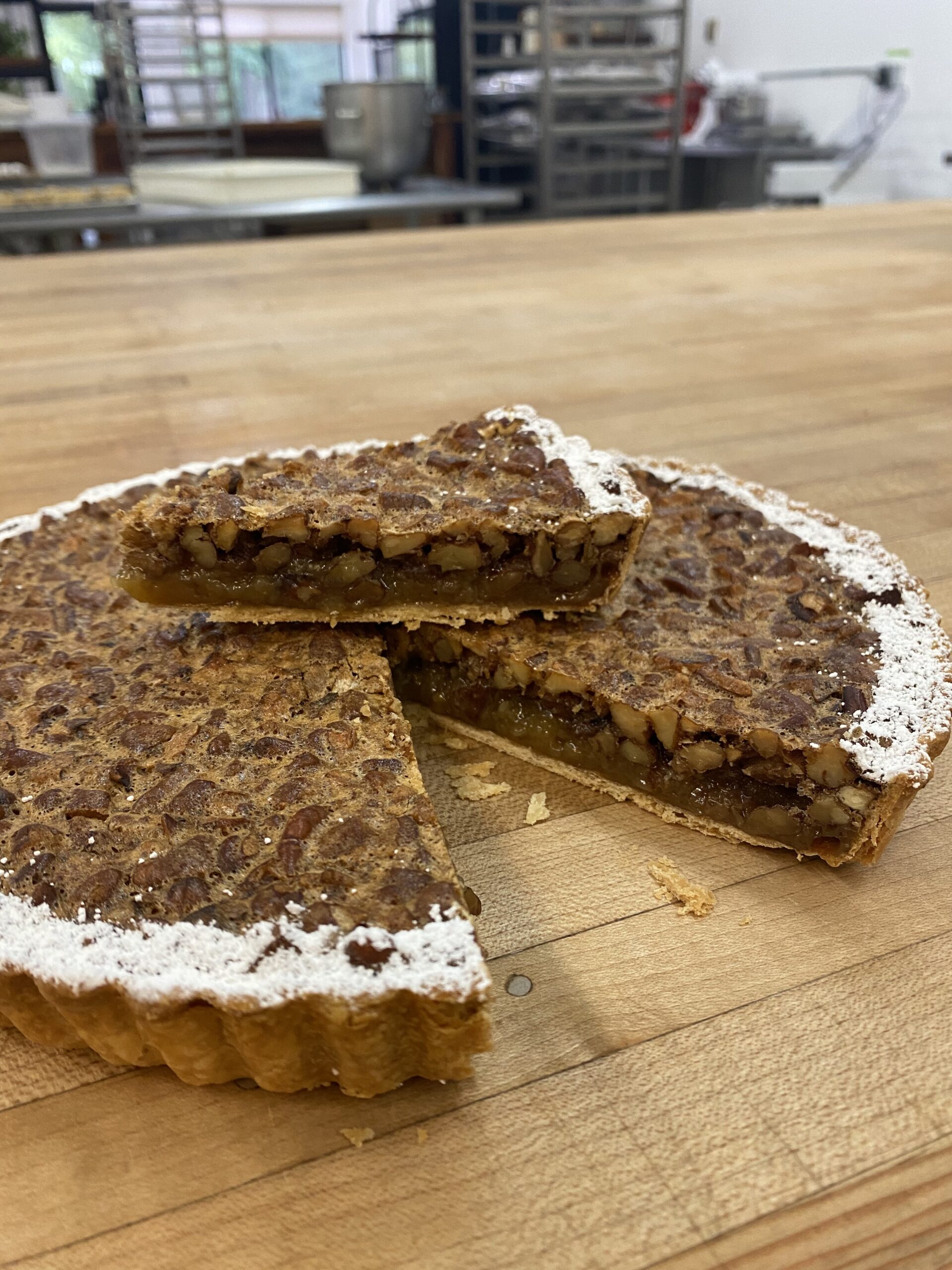
You’ve made the pie dough, rolled it out, filled it, and baked it.
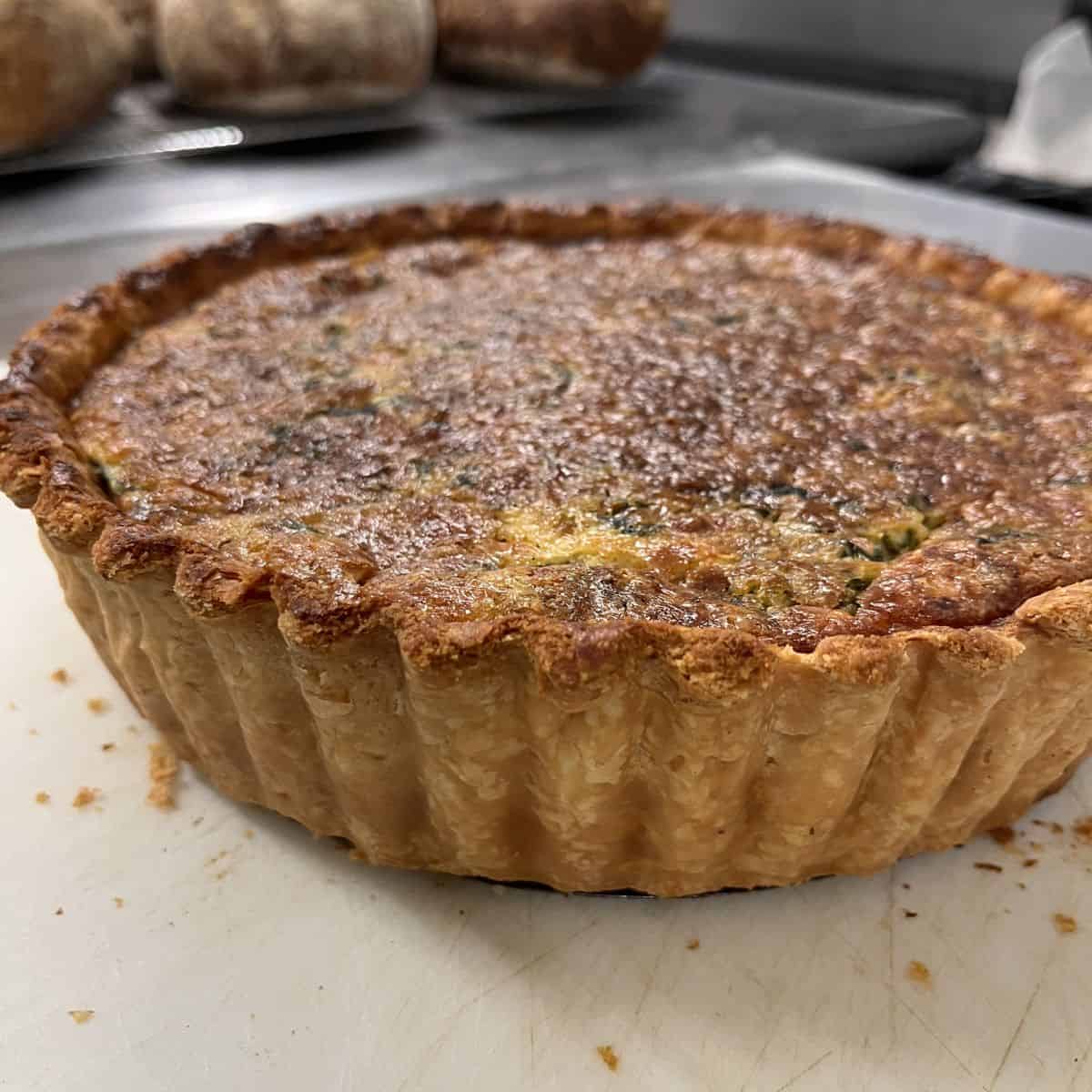
The top looks perfect - golden, crisp, flaky -
but when you cut into it, the bottom is soft, pale, and soggy.
It’s frustrating, especially when everything else turned out the way you expected.
You did everything right - and still didn’t get the result you were aiming for.
So how is it that professional bakeries can serve quiche, custard, and fruit pies with a firm, golden bottom crust?
In most cases, it comes down to how heat, moisture, and structure are managed during baking.
It’s less about one fix - and more about how those choices work together.
Jump to:
Why Is My Pie Crust Soggy?
👉 A pie crust becomes soggy when the bottom doesn’t set before moisture from the filling is absorbed.
This usually happens when:
- the oven temperature is too low (especially at the start)
- dough was rolled out too thick
- the crust isn’t blind baked when it should be
- too much moisture is present in the filling
- the crust doesn’t have a barrier to protect it
👉 A crisp crust comes from setting the structure early and limiting moisture absorption.
What’s Actually Happening
A pie crust needs to:
- heat up quickly
- set its structure
- and dry out slightly
At the same time, the filling is:
- releasing moisture
- heating more slowly
👉 If the crust doesn’t set first, it absorbs that moisture.
Instead of:
- crisp layers
You get:
- a soft, soggy bottom
Why Pie Crust Gets Soggy
1. The Oven Temperature Is Too Low (Especially at the Start)
Temperature is one of the biggest factors.
If the oven starts too low:
- the crust heats slowly
- the fat melts before structure sets
- moisture has time to soak into the dough
👉 Starting at a higher temperature helps the crust set quickly
This allows:
- structure to form
- moisture to evaporate
- layers to stay defined
👉 Once the crust is set, the temperature can be adjusted if needed
2. The Crust Wasn’t Blind Baked
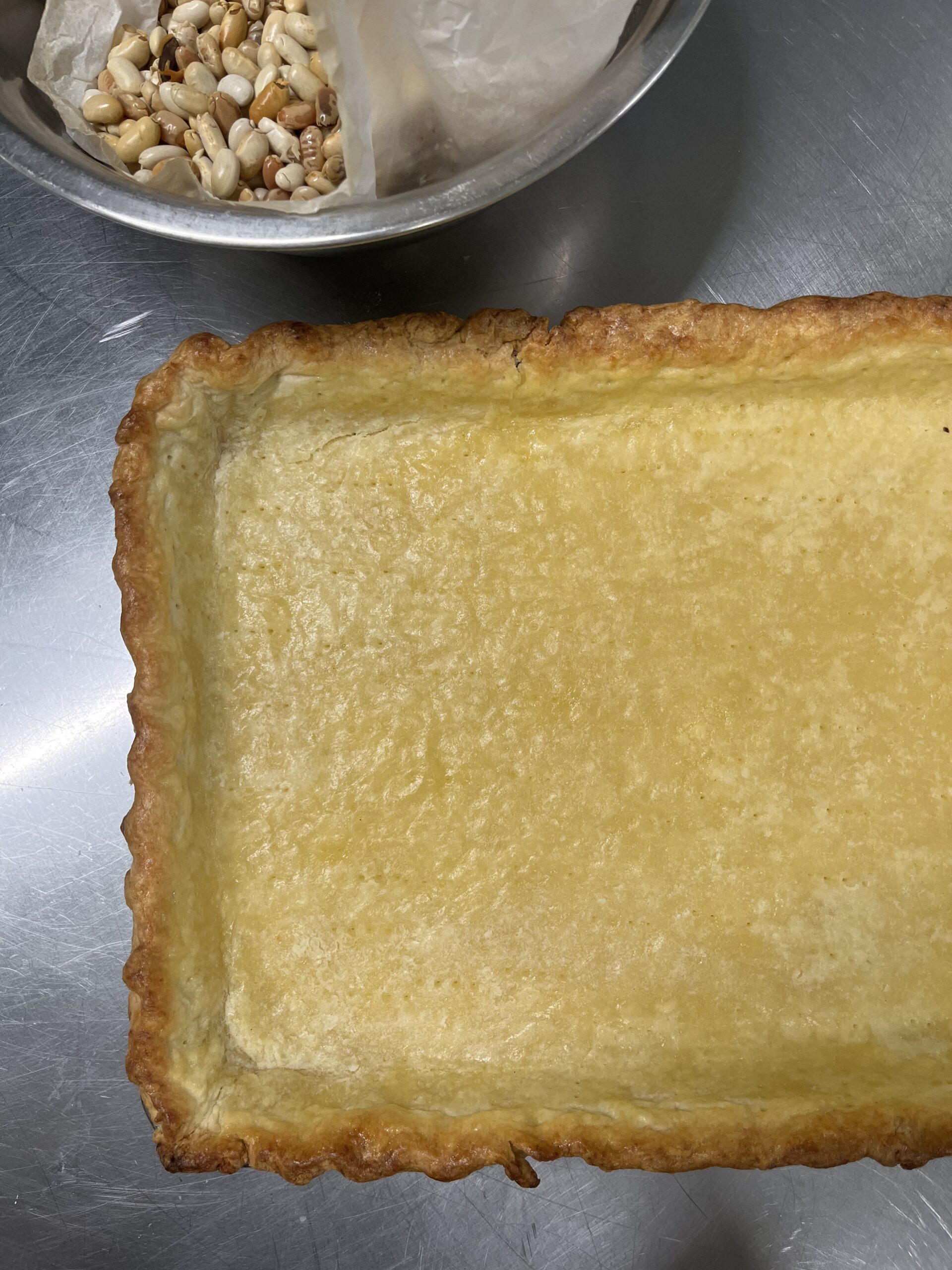
Blind baking is one of the most effective ways to prevent sogginess.
Baking the crust on its own:
- sets the structure
- removes excess moisture
- creates a stable base
👉 Blind baking until almost fully baked makes a significant difference
3. No Moisture Barrier
Even a properly baked crust can absorb moisture from the filling.
👉 A barrier helps protect it
Common options:
- egg wash
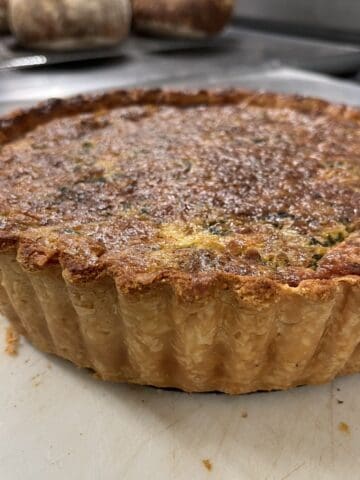
- cheese (for savory pies like quiche)
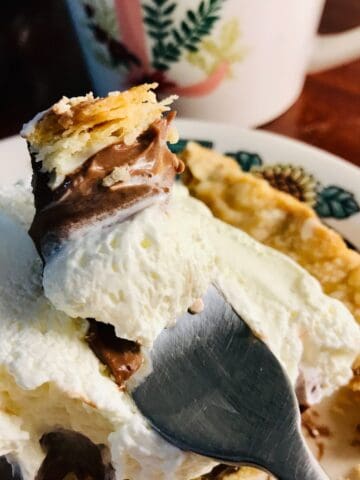
- brushing melted chocolate after baking (for cream pies)
👉 These create a thin layer that slows moisture absorption
4. Too Much Moisture in the Filling
The filling itself matters.
If it contains:
- excess liquid
- not enough thickener
- high water content ingredients
👉 that moisture has to go somewhere
And it often ends up in the crust.
👉 Cooking the filling first can help reduce excess moisture - especially in fruit pies
5. The Pan Type
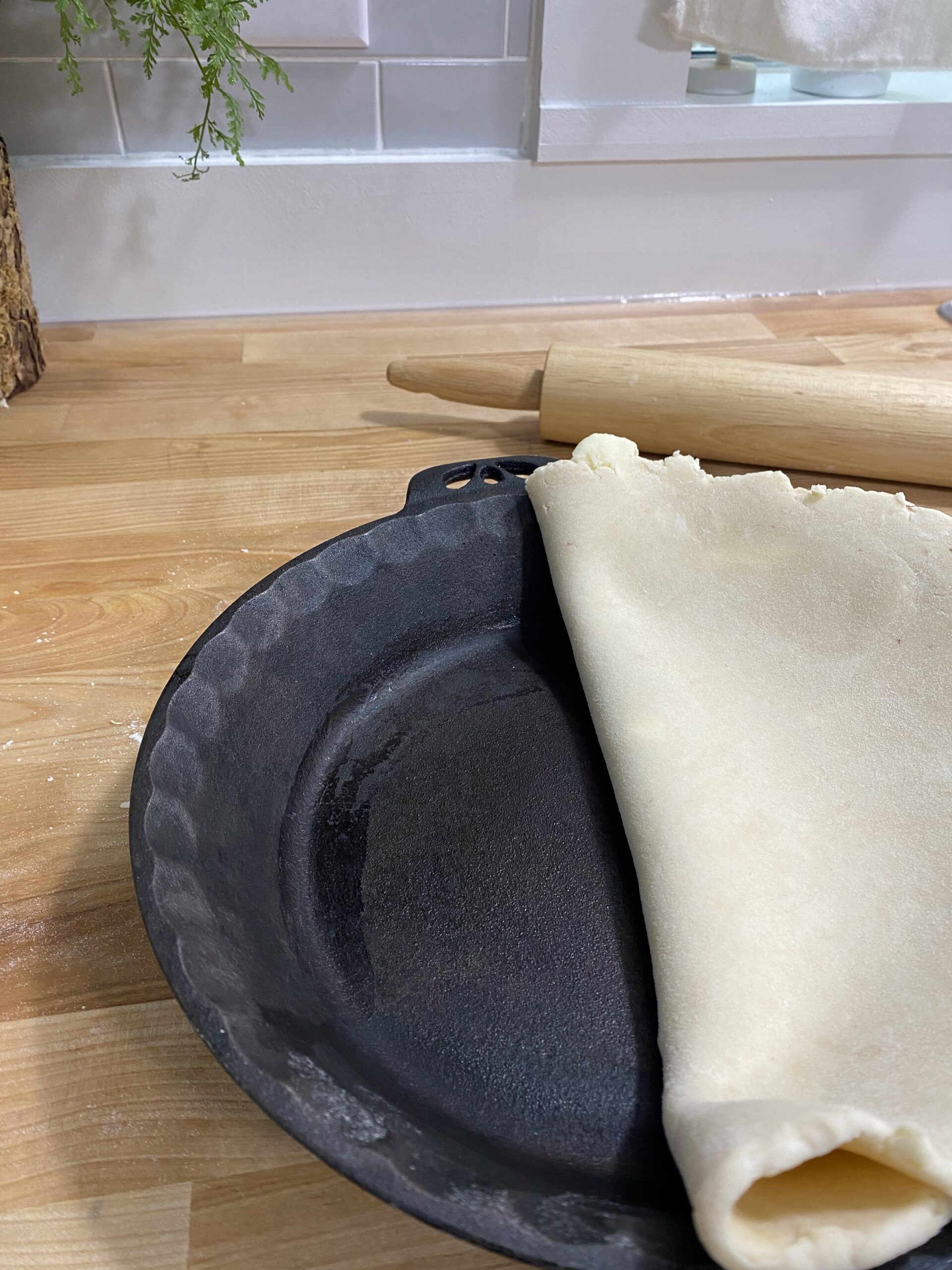
The pan affects how heat is transferred.
- metal and cast iron heat quickly and conduct well
- glass heats more slowly
👉 Faster heat transfer helps the bottom crust set more effectively
That said:
👉 a good result is still possible with glass - it just requires more attention to time and temperature
6. Hot Filling Was Added to the Crust
Adding hot filling can soften the crust before it has a chance to bake properly.
If the filling is hot:
- the fat can begin melting before the crust has a chance to bake and set
- moisture is pushed into the crust early
👉 This makes it much harder for the crust to bake up crisp
For best results:
👉 use fillings that have been cooled before adding them to the crust
A Better Way to Approach Bottom Crust
Start with High Heat
- preheat fully
- begin baking at a higher temperature
👉 This helps the crust set before moisture becomes an issue
Use a Baking Stone (If You Have One)
A baking stone helps deliver strong, consistent heat directly to the bottom of the pie.
- retains heat
- transfers it efficiently to the pan
- helps the bottom crust set more quickly
For best results:
👉 once the stone is fully preheated, place the pie directly on top
Blind Bake When Needed
Especially for pies without a top crust:
👉 blind bake until the crust is nearly fully baked
This creates:
- structure
- dryness
- stability
Use a Moisture Barrier
After blind baking:
- brush with egg wash
- return to the oven briefly
👉 This creates a protective layer
For pies where the filling isn’t baked (like cream pies):
- brush a thin layer of melted chocolate or white chocolate
Be Aware of Filling Moisture
For fruit pies, excess moisture in the filling can lead to a soggy bottom crust.
If the filling contains too much liquid:
- it releases moisture as it bakes
- that moisture is absorbed into the crust
👉 This makes it harder for the bottom to stay crisp
To help manage this:
- use the proper amount of thickener
- pre-cook fruit fillings
- allow fillings to cool before adding them to the crust
Pie Making and Troubleshooting Guides
Troubleshooting Pie
- 👉 Why Is My Pie Crust Tough?
- 👉 Why Does My Pie Crust Shrink?
- 👉 Why Is My Pie Crust Soggy?
- 👉 Why Is My Pie Dough Crumbly?
Pie Making Basics
Final Thoughts
A crisp bottom crust might be ideal - but it’s not always realistic, especially with high-moisture fillings and a top crust.
And honestly, with some fruit pies, a slightly softer bottom isn’t necessarily a bad thing. That contrast in texture can actually be part of what makes it enjoyable.
If you’re aiming for a crisper bottom, it comes down to a few key decisions: blind baking, creating a barrier with egg wash, and making sure your filling is cool before it goes into the crust.
👉 It’s less about one fix - and more about how those choices work together.
Pocket Baker Perspective
In professional kitchens, pies need to slice cleanly and present well.
That doesn’t happen by accident - it’s planned for.
Crust is treated as part of the overall structure, not just something that holds the filling. That’s why you’ll often see a combination of approaches: baking in metal pans or deck ovens for better heat transfer, blind baking when needed, and using barriers like egg wash or even chocolate.
The goal isn’t just to bake a pie that tastes good -
👉 it’s to control how it bakes so the final result holds up the way it should.