







Introduction
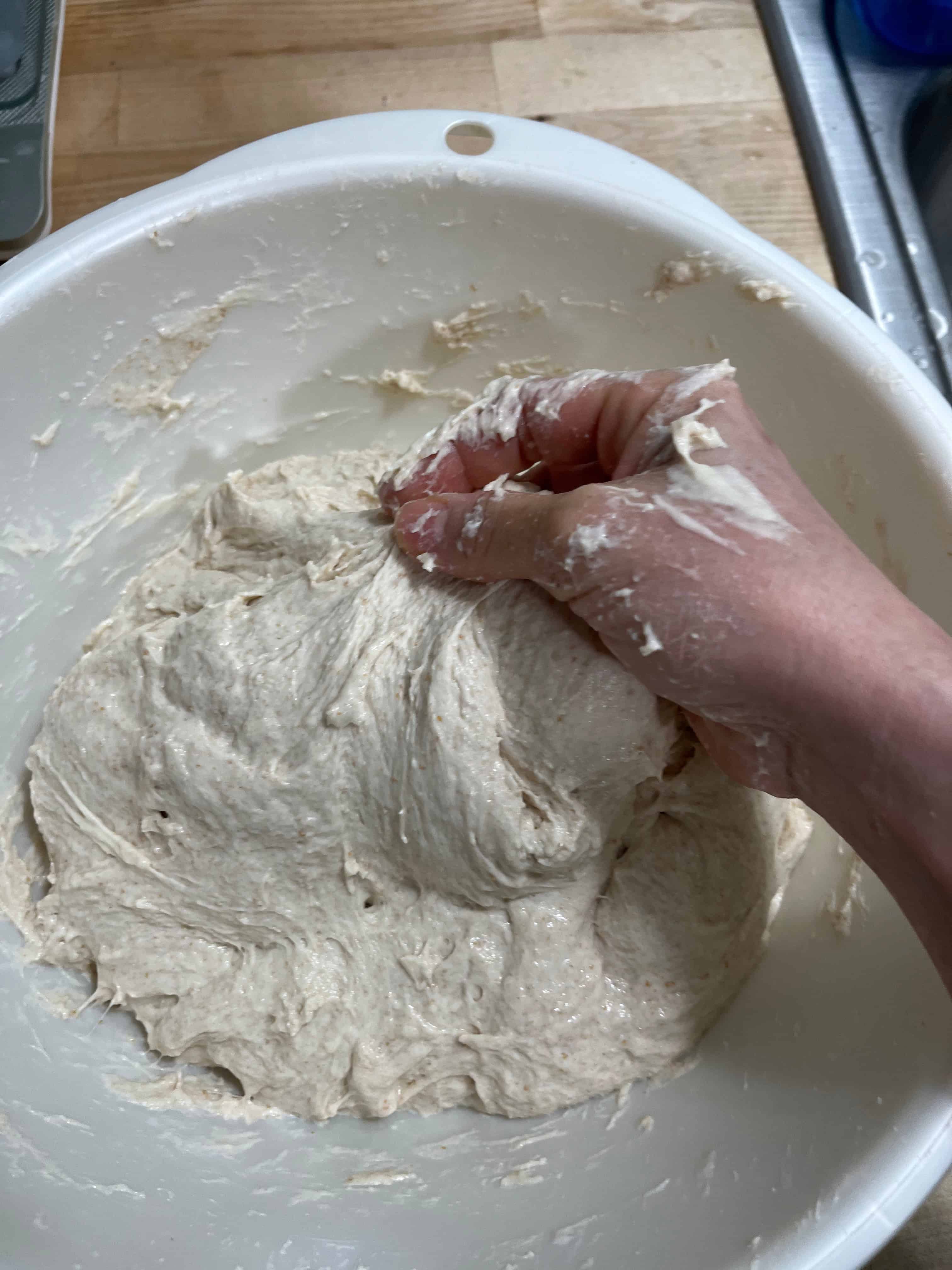
If your cinnamon rolls, baguettes, focaccia, or other bread doughs feel sticky, messy, and difficult to handle, it’s usually not a mistake - it just hasn’t developed enough structure yet.
It can be frustrating to follow a recipe and end up with dough that:
- clings to your hands
- sticks to the counter
- makes you reach for more flour, wondering how it will ever come together
If this has happened to you, you’re not alone.
And in most cases, nothing is wrong.
Sticky dough is often just a sign that the gluten hasn’t fully developed yet.
With a few simple adjustments, it will usually come together.
Jump to:
- Introduction
- Quick Answer: Why Is My Dough Sticky?
- Why Is My Dough Sticky? (What’s Actually Happening)
- What Causes Sticky Dough? (3 Common Reasons)
- How to Fix Sticky Dough (Without Adding More Flour)
- Underdeveloped vs Overmixed Dough (How to Tell the Difference)
- Is Sticky Dough Normal?
- How Sticky Dough Affects Bread Structure and Fermentation
- Bread Making: Start Here
- FAQ
- Should I add more flour if my dough is sticky?
- Is sticky dough normal?
- Why is my dough sticky and hard to shape?
- Can sticky dough be fixed?
- When is sticky dough a sign something is wrong?
- Final Thoughts
- Pocket Baker Perspective
- Get the FREE Profitable Baker Pricing Calculator
Quick Answer: Why Is My Dough Sticky?
Dough is usually sticky for one of three reasons:
- the flour doesn’t have enough protein
- the dough is high in hydration
- the dough hasn’t developed enough gluten
In most cases, sticky dough is simply underdeveloped - and that’s something you can fix.
As structure develops, the dough becomes smoother, stronger, and easier to handle.
If your dough feels sticky but is starting to come together, it usually just needs more development.
In rare cases, dough that becomes very loose or almost liquid after extended mixing may be over mixed. This happens because the gluten structure begins to break down, and the dough is unlikely to come back together.
Why Is My Dough Sticky? (What’s Actually Happening)
Sticky dough usually isn’t anything to worry about - it’s often just the early stage of mixing.
When flour and water are combined, structure begins to develop. That structure allows the dough to:
- feel smooth and elastic
- keep its shape
- hold gas during fermentation
This takes time.
Whether you’re mixing, kneading, using stretch and folds, or simply allowing the dough to rest, structure develops gradually.
If the dough is rushed, that structure won’t be fully developed yet - and the dough will feel:
- sticky
- loose
- difficult to handle
Adding flour at this stage may make the dough feel less sticky, but it doesn’t address what the dough actually needs and can lead to dense, dry bread.
What Causes Sticky Dough? (3 Common Reasons)
1. Flour Type
Flour plays a role in how much structure your dough can develop.
- Bread flour has higher protein and builds stronger gluten
- All-purpose flour also works well for most breads
For most home baking, either of these is sufficient.
Higher-protein flours may require slightly more time to fully develop.
2. Hydration
Higher hydration doughs naturally feel stickier.
This is normal.
In many breads, higher hydration is used to create a more open crumb and a thinner, crisp crust.
These doughs often feel loose early on but become stronger as they develop.
Sticky doesn’t always mean something is wrong - it often means the dough is still developing.
3. Underdeveloped Dough
This is the most common reason dough feels sticky.
If gluten hasn’t developed enough, the dough won’t have the strength to hold itself together.
It will feel:
- sticky
- rough or uneven
- difficult to shape
The good news is that this is usually easy to fix.
How to Fix Sticky Dough (Without Adding More Flour)
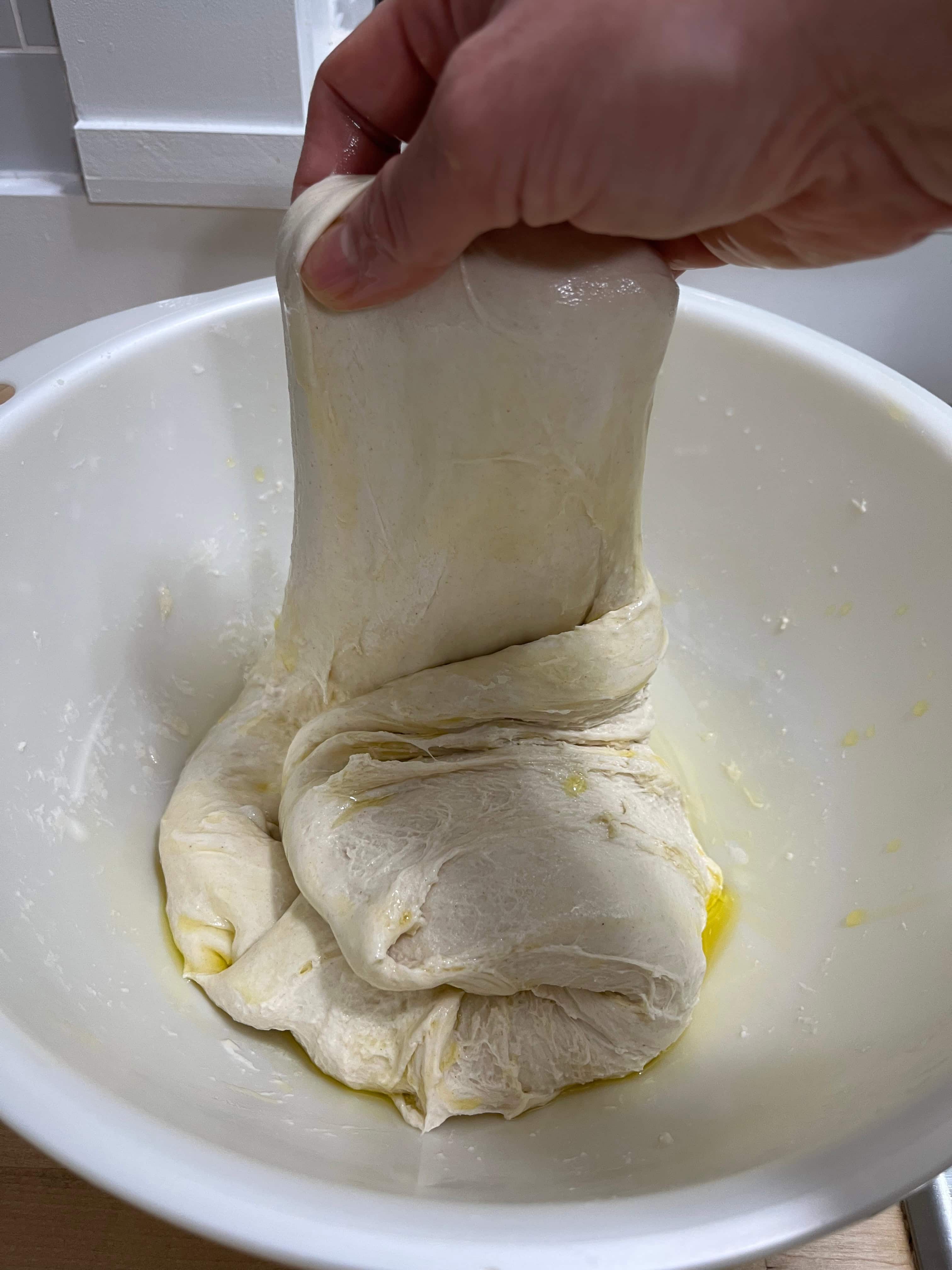
Before adding more flour, give the dough a chance to develop.
In most cases, sticky dough improves with time and handling.
1. Continue Mixing or Kneading
If you’re early in the process, continue mixing.
As the dough develops, it will:
- tighten
- smooth out
- become less sticky
If you’re using a mixer, be mindful of dough temperature.
👉 See how temperature affects dough development in How Long Should Bread Proof (And How to Know When It’s Ready)
2. Let the Dough Rest
Time helps gluten develop naturally.
Even a short rest can make the dough feel:
- smoother
- stronger
- easier to handle
This is the same principle behind an autolyse.
3. Use Stretch and Folds
For many doughs, folds are more effective than extended mixing.
Gently stretching and folding the dough:
- builds structure
- strengthens gluten
- improves handling over time
With each fold, the dough becomes stronger and more cohesive.
Underdeveloped vs Overmixed Dough (How to Tell the Difference)
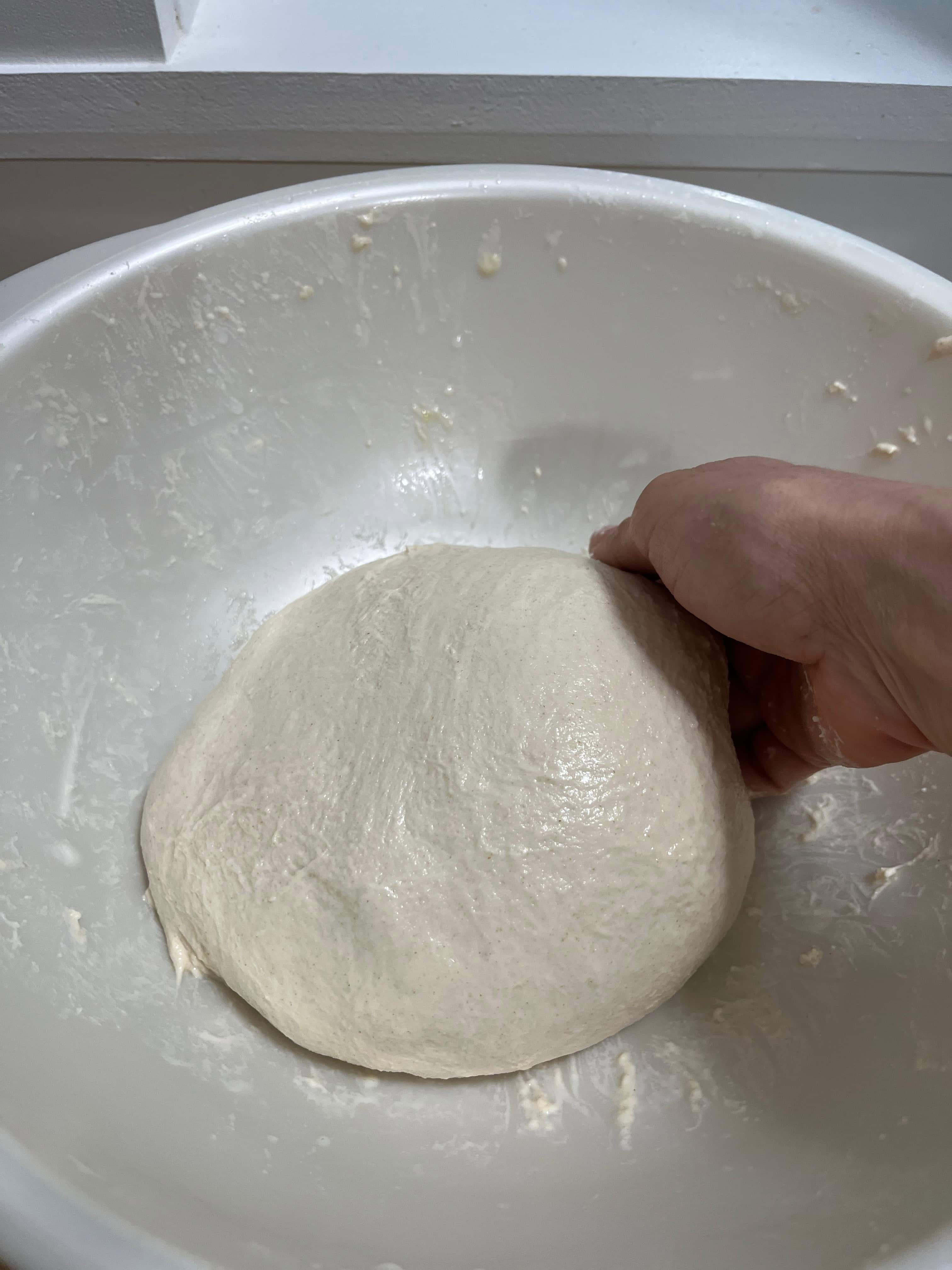
Sticky dough is often mistaken for something being wrong.
In most cases, it simply needs more development.
But there is a difference between dough that needs more time - and dough that has been overmixed.
Underdeveloped Dough
- sticky, loose, or slightly rough
- improves as you mix or fold
- becomes smoother over time
This type of dough will come together with more development.
Overmixed Dough
- may look like it’s about to come together
- then suddenly becomes very soft or soupy
- loses elasticity
- may appear slightly gray or "off" in color.
This happens when the gluten network begins to break down.
Once this happens, the dough will not recover.
Can You Overmix Dough in a Home Kitchen?
Overmixing is difficult to achieve in most home kitchens.
In most cases, sticky dough is underdeveloped - not overmixed.
Is Sticky Dough Normal?
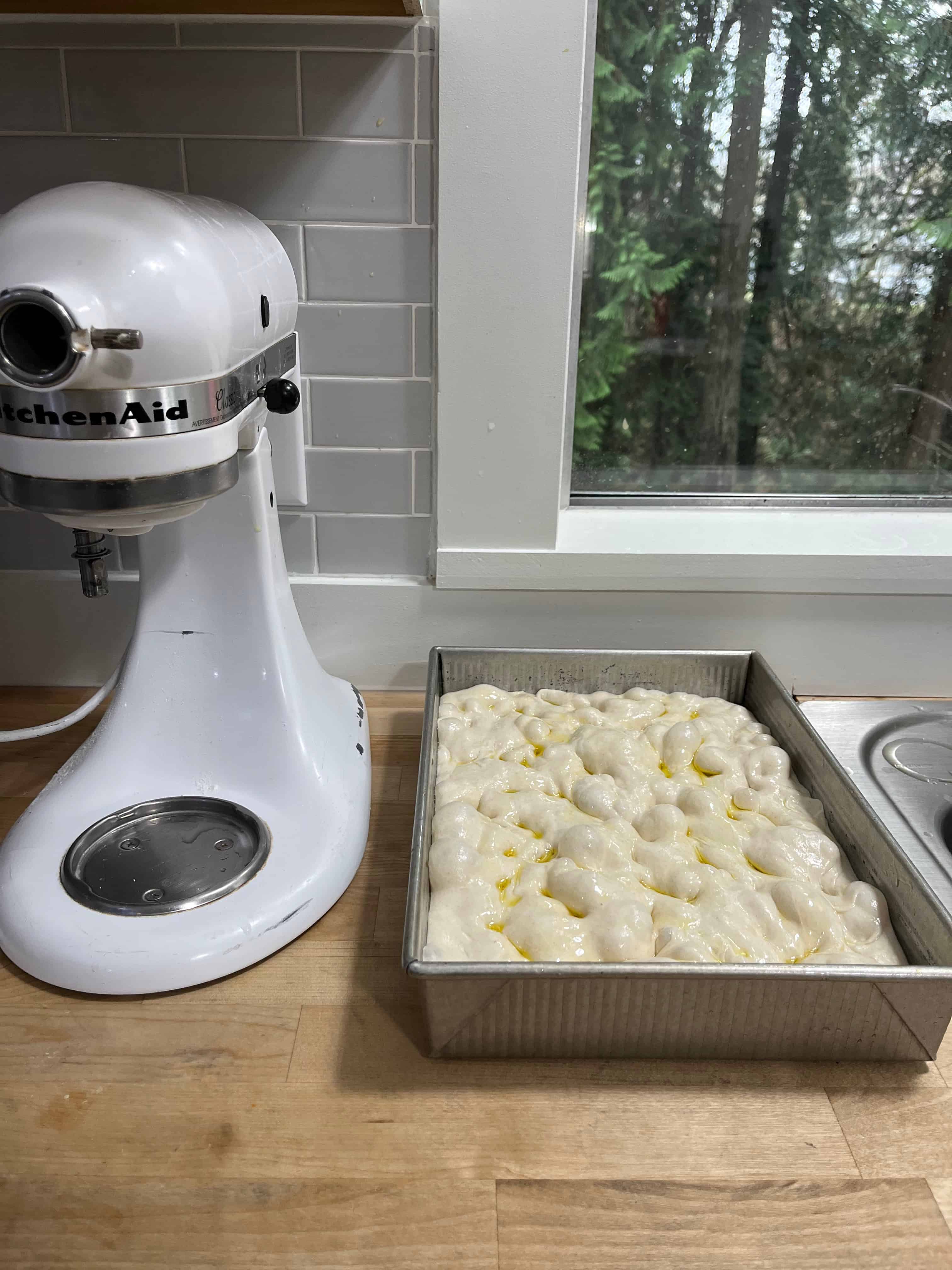
Most doughs are initially sticky.
The key is not how the dough feels at the very beginning -
it’s how it changes as it develops.
How Sticky Dough Affects Bread Structure and Fermentation
Sticky dough is usually a mixing and development issue.
If structure isn’t developed during mixing and early bulk fermentation, the dough may struggle to hold its shape or develop volume.
For a full breakdown of how this fits into the process:
👉 How to Knead Dough Properly (And How to Know When It’s Ready)
Bread Making: Start Here
If you're trying to become a more confident bread baker, it's helpful to understand how each stage of the process builds on the next.
Step 1: Understand the Bread-Making Process
Start by learning how bread comes together from beginning to end.
👉 Bread Making Explained: The 12 Steps That Matter
Step 2: Build Strong Dough
A well-developed dough is the foundation of good bread.
👉 Why Is My Dough Sticky? (And How to Fix It)
👉 Why Is My Dough Not Smooth or Elastic? (And How to Fix It)
👉 How to Knead Dough Properly (And How to Know When It's Ready)
Step 3: Master Fermentation & Proofing
Learn how yeast, time, and temperature affect your dough.
👉 Do You Really Need to Proof Yeast? (Instant vs Active Dry Explained)
👉 How to Proof Bread in the Oven (Without Overproofing It)
👉 How Long Should Bread Proof? (And How to Know When It's Ready)
Step 4: Troubleshoot Your Bread
If something doesn't turn out as expected, these guides can help.
👉 Why Is My Bread Dense? (6 Common Causes and How to Fix Them)
👉 Can You Overknead Dough? (Why It's Less Common Than You Think)
Step 5: Apply It to Specific Bakes
See how these same principles apply to enriched doughs and specialty breads.
👉 Troubleshooting Cinnamon Rolls (Fix Dense, Dry or Flat Rolls)
👉 Are All Cinnamon Roll Recipes Basically the Same? (Here's What Actually Matters)
FAQ
Why is my dough so sticky even after kneading?
Dough is often still sticky after kneading because it hasn’t developed enough structure yet.
Some doughs - especially higher hydration doughs - take longer to come together. If the dough is improving as you mix or rest it, it usually just needs more development.
Should I add more flour if my dough is sticky?
Not right away.
Adding flour may make the dough easier to handle, but it doesn’t address what the dough actually needs. In most cases, giving the dough more time to develop will reduce stickiness naturally.
Is sticky dough normal?
Yes, sticky dough is normal.
Most doughs feel sticky early in the process, especially higher hydration doughs. What matters is how the dough changes as it develops.
Why is my dough sticky and hard to shape?
Dough that is sticky and hard to shape is usually underdeveloped.
Without enough structure, the dough can’t hold its shape. As it develops, it becomes smoother and easier to handle.
Can sticky dough be fixed?
Yes, sticky dough can usually be fixed.
In most cases, it improves with:
- continued mixing
- resting
- stretch and folds
As structure develops, the dough becomes smoother and less sticky.
When is sticky dough a sign something is wrong?
Sticky dough is usually normal, but not always.
If the dough becomes very loose, almost liquid, and doesn’t improve with mixing or rest, it may be overmixed. In that case, the structure has broken down and the dough is unlikely to recover.
Final Thoughts
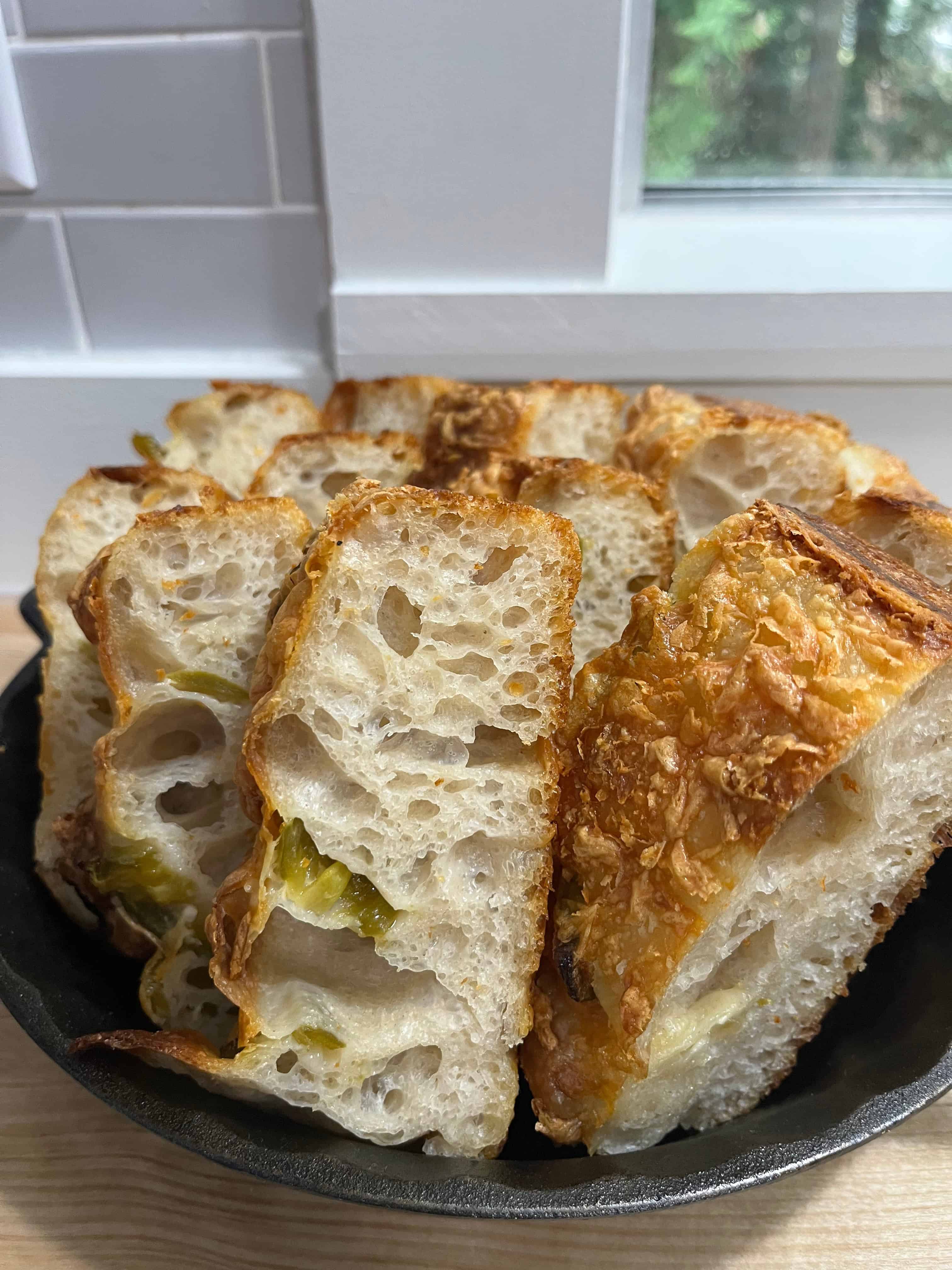
Sticky dough can feel frustrating.
But in most cases, it’s not a mistake - it’s a stage in the process.
Structure takes time to develop.
With the right approach, dough that feels sticky early on becomes smooth, strong, and easier to handle - and leads to better results.
Pocket Baker Perspective
In professional kitchens, sticky dough isn’t treated as something to fix.
It’s a sign of where the dough is in the process.
The goal isn’t to rush the dough - it’s to give it what it needs to develop.