






Introduction
Storing baked cakes isn’t just about keeping them fresh.
It’s part of the process.
In professional kitchens, cakes are rarely baked and used the same day.
Instead, they’re often:
- baked
- cooled
- wrapped
- and frozen
When a cake is needed, it’s thawed, filled, and finished.
This isn’t a shortcut.
👉 It’s a deliberate way to improve consistency, structure, and workflow.
Quick Answer: How Should You Store Baked Cakes?
👉 Most cakes are best:
- cooled completely
- wrapped well
- and frozen until needed
👉 Freezing helps retain moisture, improves structure, and makes cakes easier to handle and assemble.
Why Freezing Baked Cakes Actually Works
Freezing a properly wrapped cake won't negatively affect it.
In many cases, it improves it.
1. Structure Improves
- the crumb firms slightly
- layers are easier to trim and move
👉 This makes stacking and assembly more controlled and consistent.
2. Moisture Is Retained
- tightly wrapped cakes don’t dry out
- moisture redistributes as the cake thaws
👉 This often leads to a softer, more even texture.
3. Assembly Becomes Easier
- less crumbling
- cleaner slicing
- more stable layers
👉 Especially important for layered and decorated cakes.
How to Store Cakes (Step-by-Step)
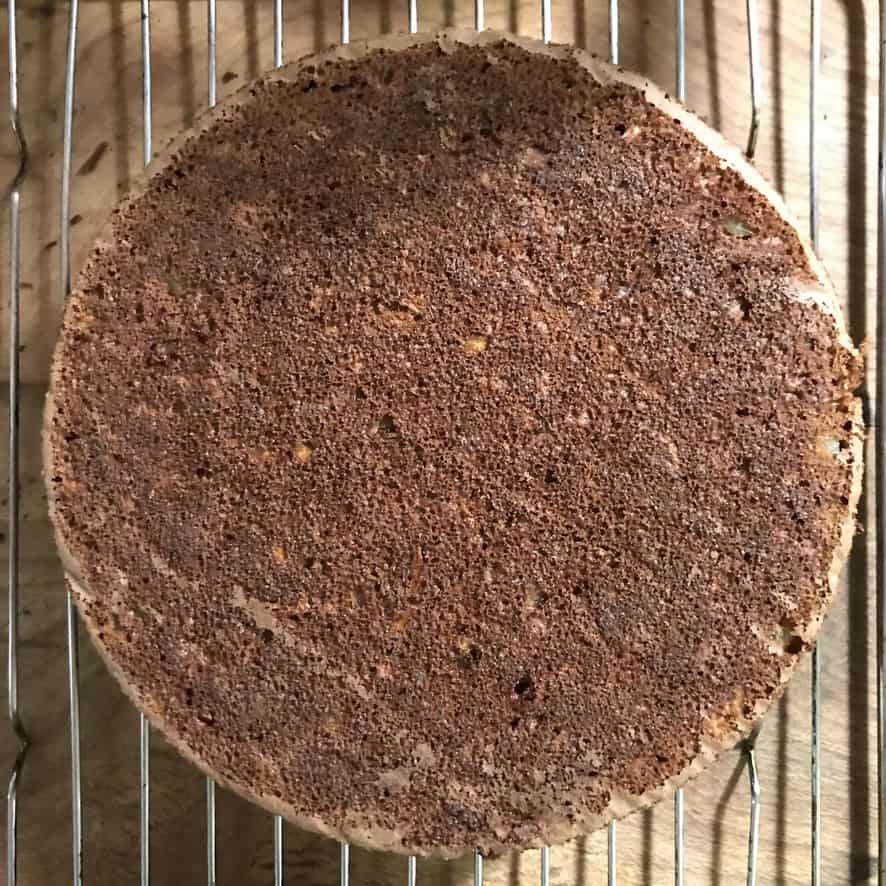
1. Cool Completely
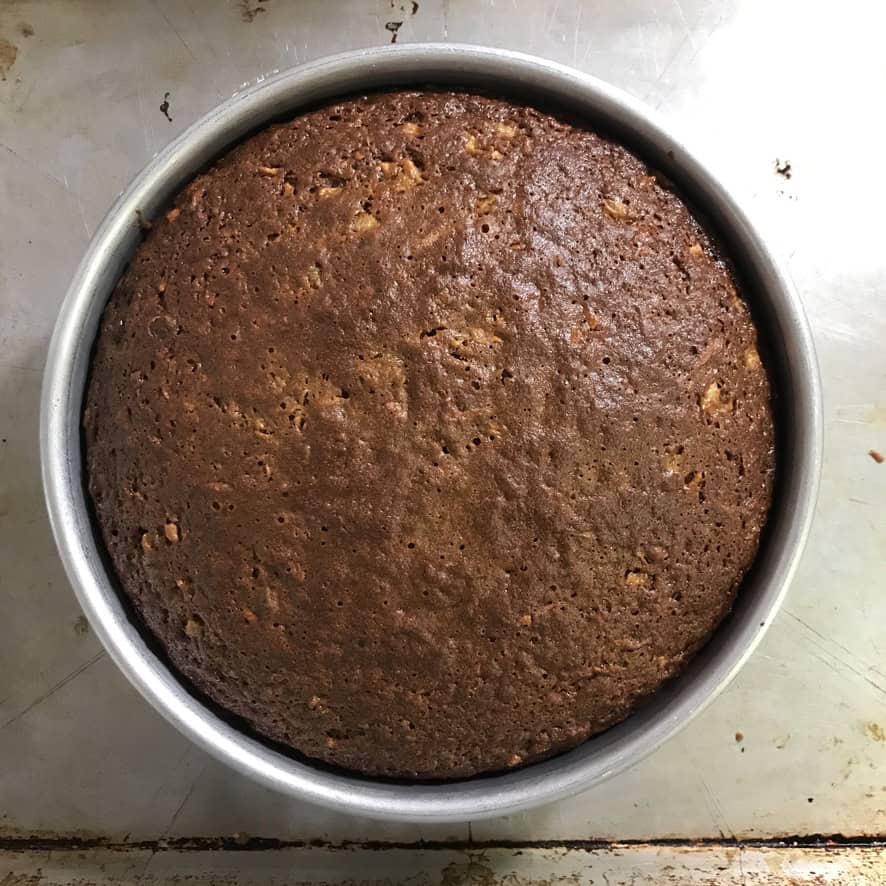
Remove cakes from pans and allow to cool fully before wrapping.
👉 Any residual heat can create condensation and affect texture.
2. Wrap Properly
Wrap tightly with plastic wrap to prevent air exposure.
👉 The goal is to seal in moisture and protect the cake.
3. Freeze
Place wrapped cakes on a flat surface in the freezer.
👉 Once frozen, they can be stacked or stored more efficiently.
How to Thaw Cakes Properly
Allow cakes to thaw while still wrapped.
Then, simply place your cakes on the counter for a few hours until fully thawed.
When to Refrigerate Instead
Refrigerate cakes when:
- they contain perishable fillings or frostings
- they are already assembled and need short-term storage
A Practical Production Approach
This is how many bakeries work:
- bake cakes in advance
- remove from pan, cool, wrap, and freeze
- thaw as needed
- cut, fill and finish
👉 This allows for:
- more consistent results
- better time management
- less last-minute pressure
How Long Can You Freeze Baked Cakes?
A practical guideline:
👉 up to 2–4 weeks for best quality
Longer storage is possible, but:
- texture may gradually change
- flavors may become less distinct
👉 Proper wrapping makes the biggest difference.
Related Guides
Related Guides
👉 Can You Refrigerate Cake Batter? (And When It Actually Works)
👉 Can You Refrigerate Muffin Batter? (What Actually Happens)
👉 Can You Freeze Muffin Batter? (And How to Bake from Frozen)
👉 What Is the Creaming Method? (And Why It Affects Your Results)
Final Thoughts
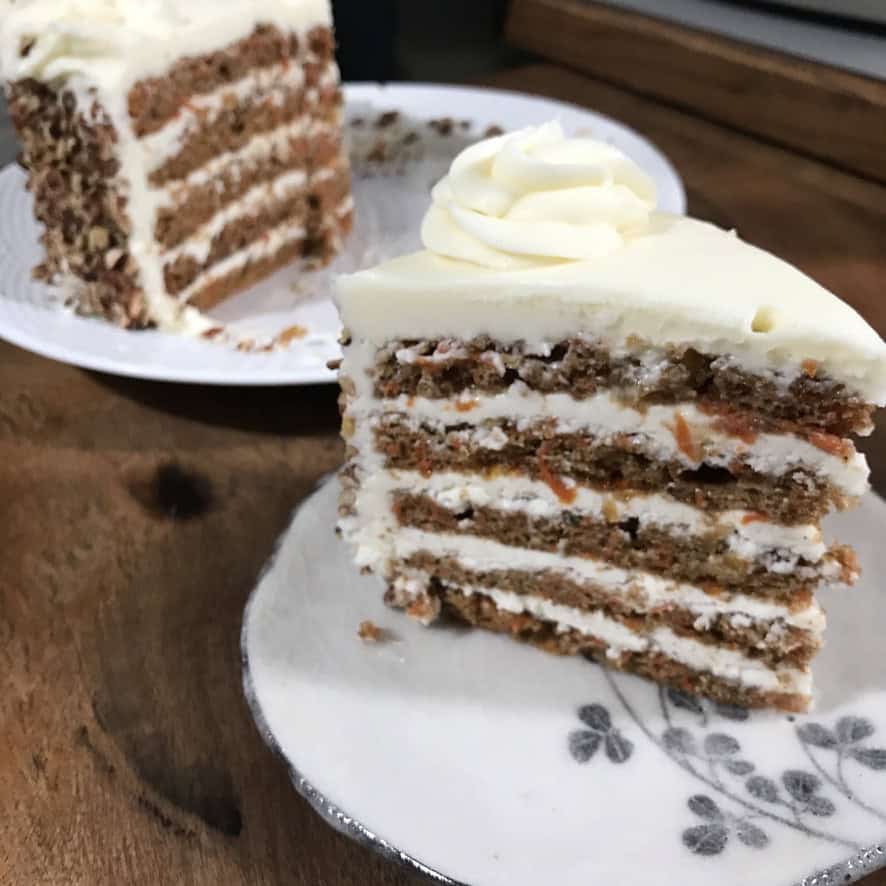
Freezing cake isn’t just about storage.
👉 It’s a way to improve structure, maintain moisture, and make the entire process more manageable.
When used intentionally, it becomes part of a system - not a workaround.
Pocket Baker Perspective
In professional kitchens, efficiency and workflow are just as important as the recipe itself.
Being able to produce at scale - sustainably and consistently - is one of the marks of an experienced baker.
One of the ways this shows up in practice:
Cakes are baked ahead and frozen.
Not because they have to be -
👉 but because it leads to better results and a more efficient, consistent workflow.