






Introduction
If you’ve made cookies, quick breads, or buttercream, you’ve likely used the creaming method - even if you didn’t realize it.
You’ve probably seen instructions like:
“Cream butter and sugar until light and fluffy.”
That’s your cue that you’re working with the creaming method.
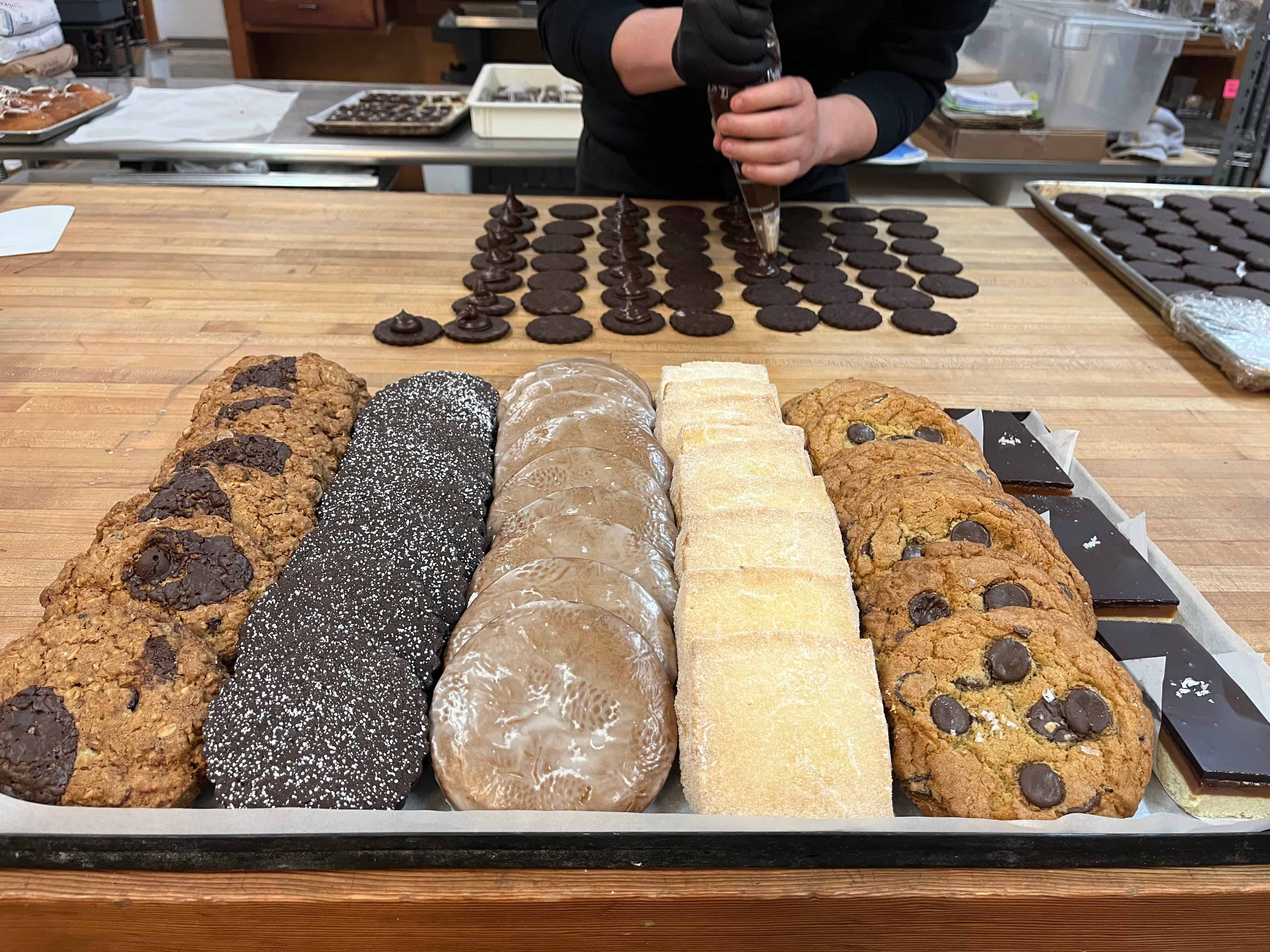
And while it’s most commonly associated with cookies, it applies to a wide range of baked goods - typically those higher in fat and sugar, including:
- cookies
- tart doughs
- cakes
- icings
It’s one of the more straightforward techniques in baking.
But understanding a few key principles will help you achieve more consistent texture, structure, and overall results.
Jump to:
- Introduction
- Quick Answer: What Is the Creaming Method?
- Where the Creaming Method Is Used
- Why the Creaming Method Matters
- The Ingredients Used in the Creaming Method
- Basic Steps of the Creaming Method
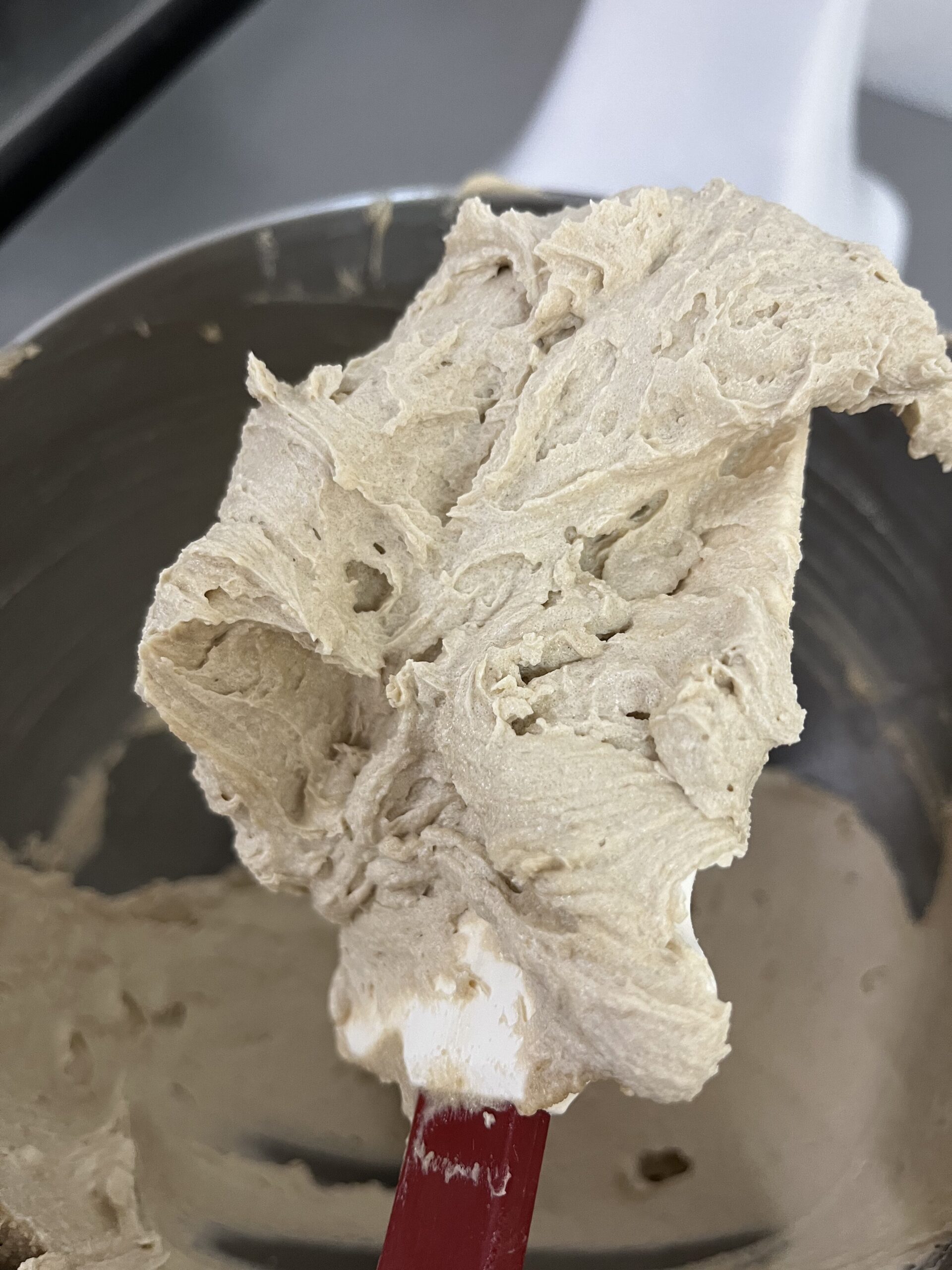
- What “Light and Fluffy” Actually Means
- Key Points That Make the Creaming Method Work
- Common Problems with the Creaming Method
- How This Connects to Your Results
- FAQ: Creaming Method
- Related Guides
- Final Thoughts
- Get the FREE Profitable Baker Pricing Calculator
Quick Answer: What Is the Creaming Method?
The creaming method is a mixing technique where fat and sugar are beaten together to:
- incorporate air
- distribute sugar evenly
This directly affects:
- texture
- volume
- spread
- consistency
The creaming method is commonly used in products like cookies, tart doughs, pound cakes, and cream cheese icing.
Where the Creaming Method Is Used
The creaming method applies across a range of products that are higher in fat and sugar.
Common examples include:
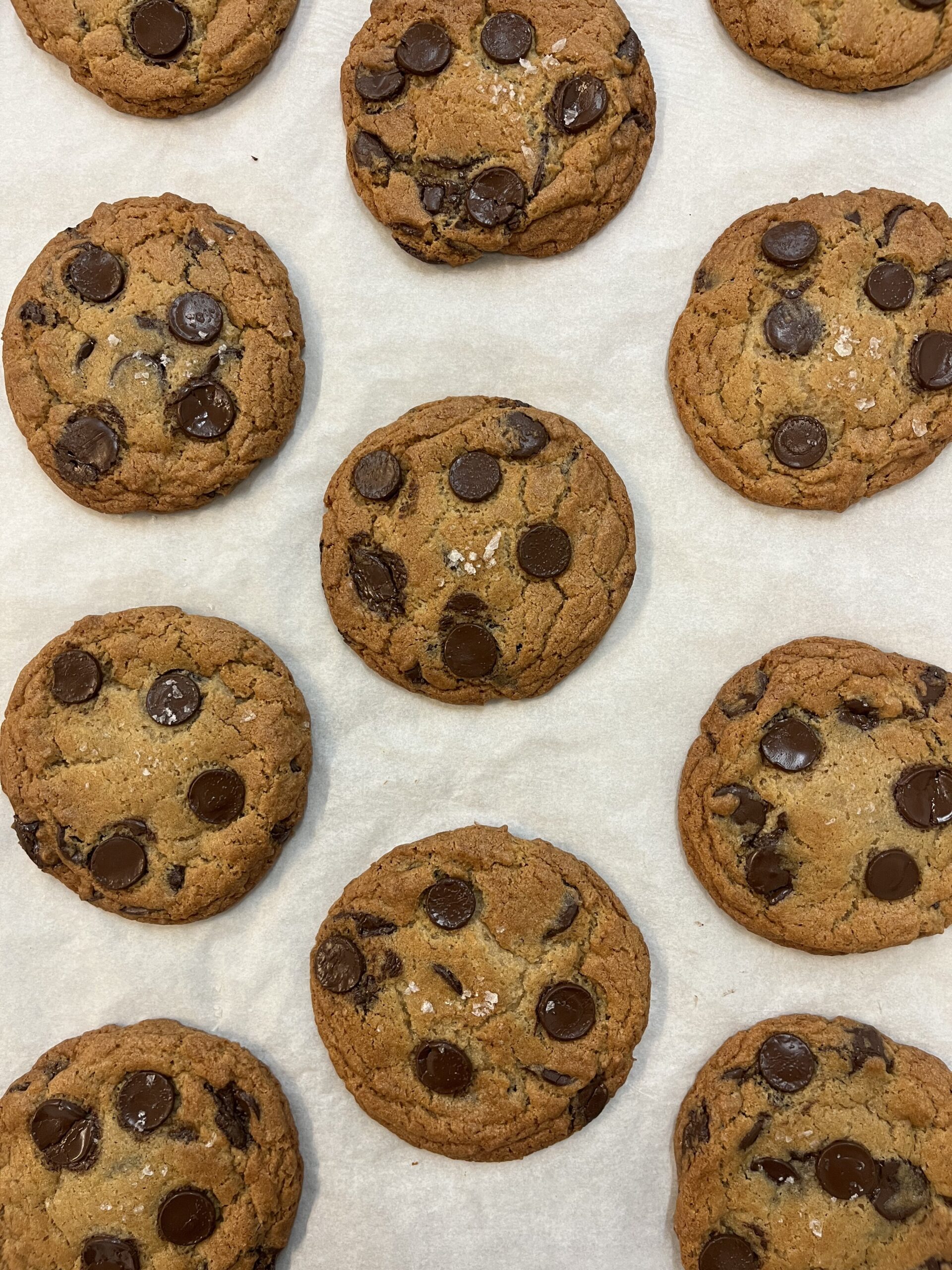
- cookies (drop, spritz and sugar cookies)
- tart doughs (such as sucrée)
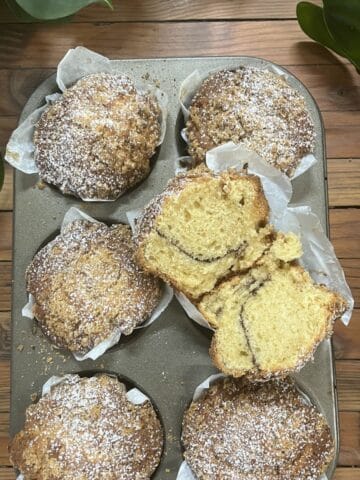
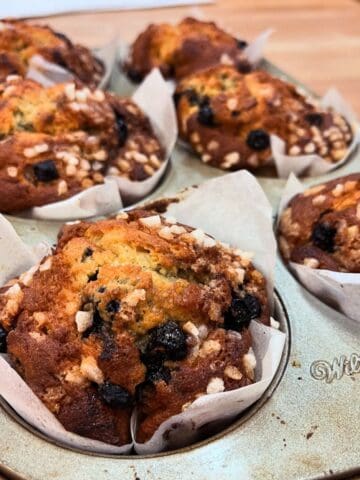
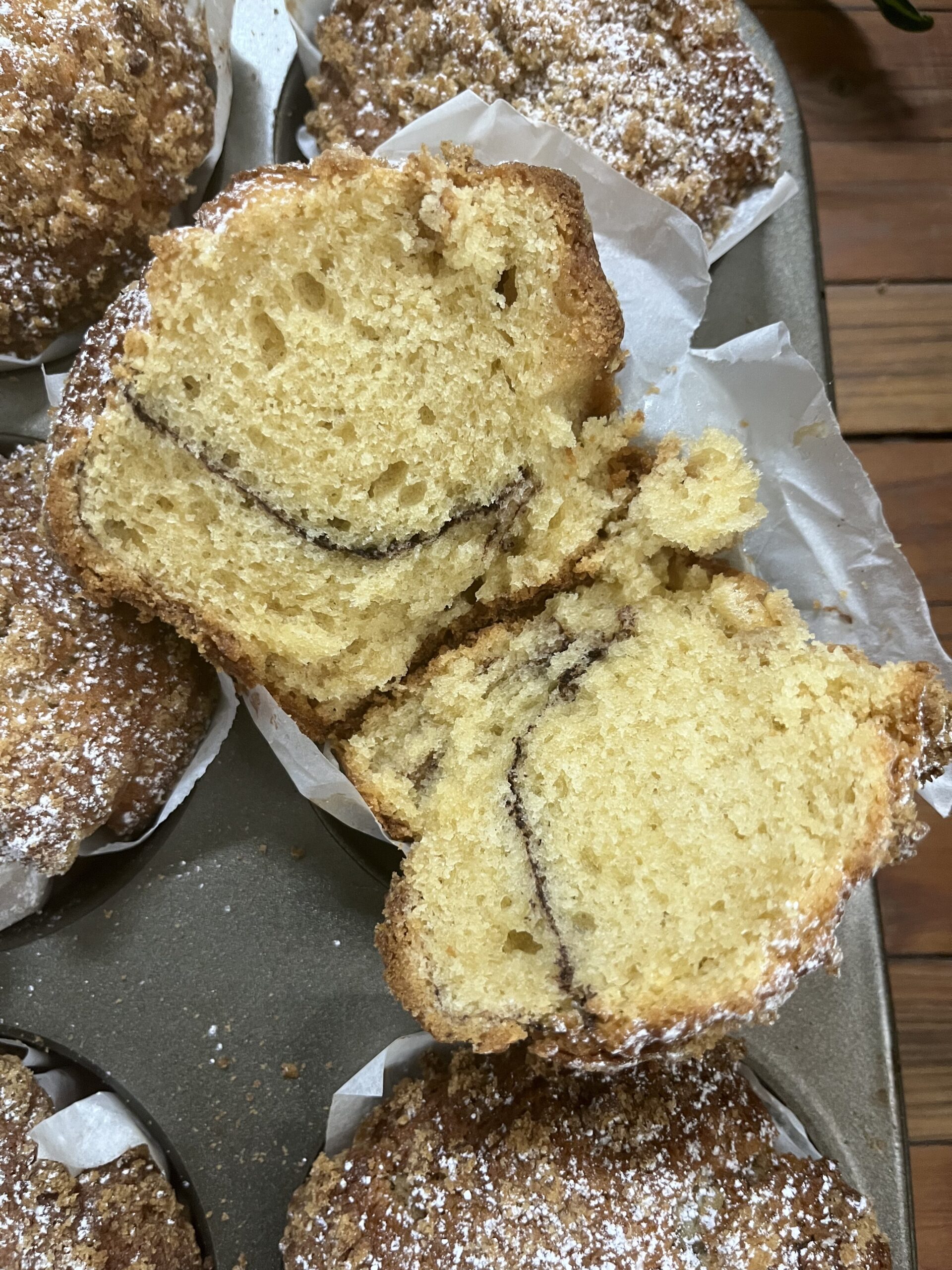
- muffins
- cakes (pound cake and some layer cakes)
- icings (cream cheese icing, American buttercream)
These products are very different, but they rely on the same principle:
👉 proper creaming helps create the texture and volume the recipe is designed to have.
Why the Creaming Method Matters
When fat and sugar are mixed together:
- sugar cuts into the fat
- small air pockets are created
- those pockets expand during baking
That’s what creates:
- lighter texture
- better volume
The Ingredients Used in the Creaming Method
The creaming method usually includes four main components:
- sugar
- fat
- eggs
- flour
Sugar
Granulated sugar is most commonly used because it helps incorporate air into the mixture.
Other options:
- superfine sugar → dissolves more easily, finer texture
- powdered sugar → commonly used in icings or for a more tender cookie
Fat
Butter is the most common fat used.
It should be soft enough to mix - but not warm or melting.
Other fats may be used, including:
- vegetable shortening
- lard
The result will vary depending on the fat used.
👉 Oil cannot be used, because it does not trap air the way solid fats do.
Eggs and Liquids
Eggs are the most common liquid added.
They help form an emulsion and bring the mixture together.
Other liquids - as milk, water, sour cream, juice - may be included, but typically not as a full replacement for eggs.
👉 Adding eggs gradually helps the mixture stay stable and evenly combined.
Flour and Other Dry Ingredients
Lower-protein flours are typically preferred, especially when tenderness matters:
- pastry flour
- cake flour
- all-purpose flour
Other ingredients may be added for flavor or texture, such as:
- cocoa powder
- chopped dried fruit
- toasted ground nuts
Once flour is added, mixing should stay minimal.
👉 This is where overmixing most often affects the final texture.
Basic Steps of the Creaming Method
1. Cream the Fat and Sugar
Start with softened fat and sugar.
Mix on medium speed until:
- the mixture looks smoother
- the color is lighter
- there are no visible lumps
- proper volume is achieved
Stop regularly to scrape the bowl.
2. Add the Eggs Gradually
Add eggs in increments.
Allow each addition to incorporate before adding more.
Scrape the bowl between additions.
👉 This helps create a stable emulsion.
3. Add the Dry Ingredients
Add the flour all at once (unless the recipe states otherwise).
Mix on low speed just until combined.
Scrape the bowl as needed.
👉 Do not overmix once the flour is added.
What “Light and Fluffy” Actually Means
This is one of the most misunderstood instructions in baking.
You’re looking for:
- smoother texture
- lighter color
- modest increase in volume
- no visible lumps
👉 Visual cues matter more than time.
Key Points That Make the Creaming Method Work
- cream fat and sugar long enough to build proper volume
- add eggs slowly to form a stable emulsion
- scrape the bowl often
- mix dry ingredients only until combined
👉 These small habits make the biggest difference.
Common Problems with the Creaming Method
Cookies Spread or Produce Tails
Often caused by:
- butter that is too soft
- uneven mixing
👉 Why Chocolate Chip Cookies Spread Too Much - or Not Enough
Cakes or Muffins Turn Out Dense
Often caused by:
- insufficient creaming
- poor aeration
- overmixing after flour is added
The Mixture Looks Broken After Adding Eggs
Usually caused by:
- adding eggs too quickly
- temperature differences
- incomplete emulsification
👉 It often corrects itself once mixing continues properly.
The Final Product Is Tough
Usually caused by:
- overmixing after flour is added
Once flour is incorporated, mixing should stop as soon as everything is combined.
How This Connects to Your Results
The creaming method affects:
- how cookies spread
- how tender or soft cakes become
- how smooth and light icings are
👉 Cookies troubleshooting: Common Cookie Problems
FAQ: Creaming Method
Can I use oil instead of butter?
No. Oil cannot trap air the way solid fats can.
What kind of sugar works best?
Granulated sugar is most common, but superfine and powdered sugar may be used depending on the product.
Do eggs need to be room temperature?
They help with emulsification, but are not always critical.
What kind of flour should I use?
Lower-protein flours (cake, pastry, all purpose) are typically preferred for tenderness.
How long should I cream butter and sugar?
Until the mixture becomes smoother, lighter, and free of lumps - visual cues matter more than time.
Related Guides
👉 Why Chocolate Chip Cookies Spread Too Much - or Not Enough
👉 Cookies troubleshooting: Common Cookie Problems
👉 Can You Refrigerate Muffin Batter? (What Actually Happens)
Final Thoughts
The creaming method is simple - but it’s not insignificant.
It’s a foundational technique used across many baked goods.
When you understand how it works, your results become easier to read, easier to troubleshoot, and easier to repeat.
Pocket Baker Perspective
In professional kitchens, mixing methods aren’t treated as background instructions - they’re part of the formula.
When a recipe begins with creaming butter and sugar, followed by adding eggs and then flour, you’re working within a method that applies across many products.
👉 Understanding it allows you to apply the same principles with confidence, making your baking more efficient and more consistent.