




Introduction
It's easy to think:
"I make amazing cinnamon rolls."
"Everyone loves my cakes."
"Maybe I should start a bakery."
And those are good reasons to believe you can bake.
They're not necessarily good reasons to build a menu.
A product might be popular.
It might be beautifully made.
It might even sell well.
But if it doesn't fit your schedule, equipment, space, pricing, or workflow, it can quickly become difficult to sustain.
One of the biggest shifts from baking as a hobby to baking as a business is realizing that a successful menu isn't built around the products you like to make.
It's built around the business you're trying to create.
When building your menu, here are a few things worth considering.
Jump to:
- Introduction
- Quick Answer: How Do You Create a Cottage Bakery Menu?
- 1. Know Your Customer
- 2. Play to Your Strengths
- 3. Understand Your Limitations
- 4. Think Beyond Individual Products
- 5. Consider Workflow
- 6. Consider Profitability
- 7. Start Smaller Than You Think
- Questions to Ask Before Adding a Product
- Build Your Bakery Menu: Start Here
- Final Thoughts
- Pocket Baker Perspective
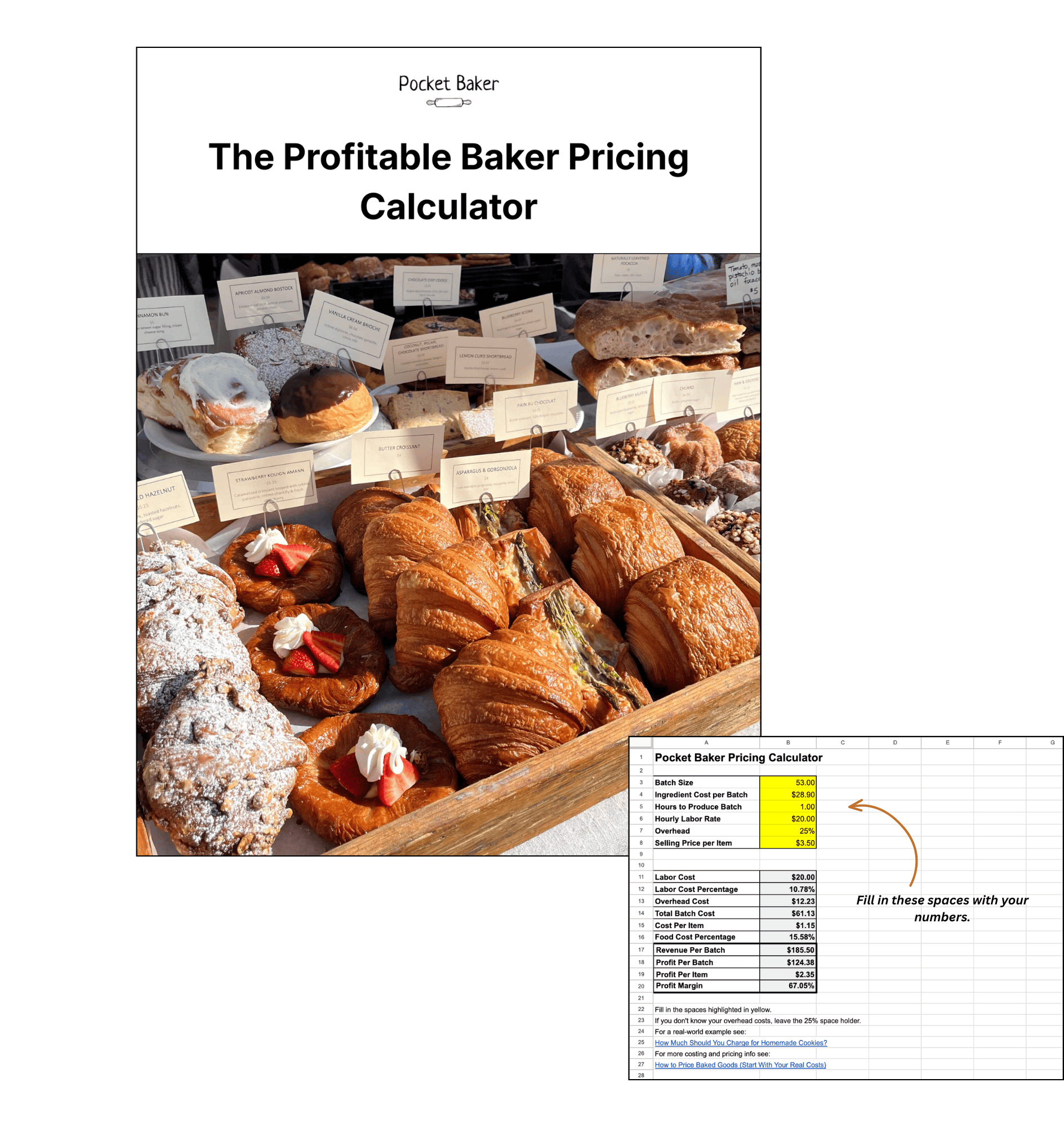
- Get the FREE Profitable Baker Pricing Calculator
Quick Answer: How Do You Create a Cottage Bakery Menu?
👉 Start by understanding your customer, your strengths, your limitations, and your workflow.
A strong menu should:
- appeal to your target customer
- fit your available time and equipment
- support efficient production
- generate enough revenue to justify the work
- allow room for growth
The goal isn't to sell everything.
The goal is to build a menu that works.
1. Know Your Customer
Before deciding what to sell, ask:
👉 What are people actually looking for?
Many bakers start with products they enjoy making.
Sometimes that's enough.
Other times, it helps to look for gaps in your local market.
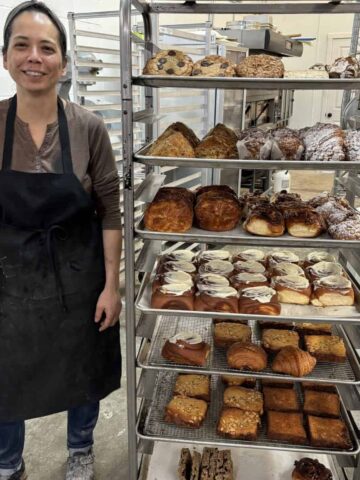
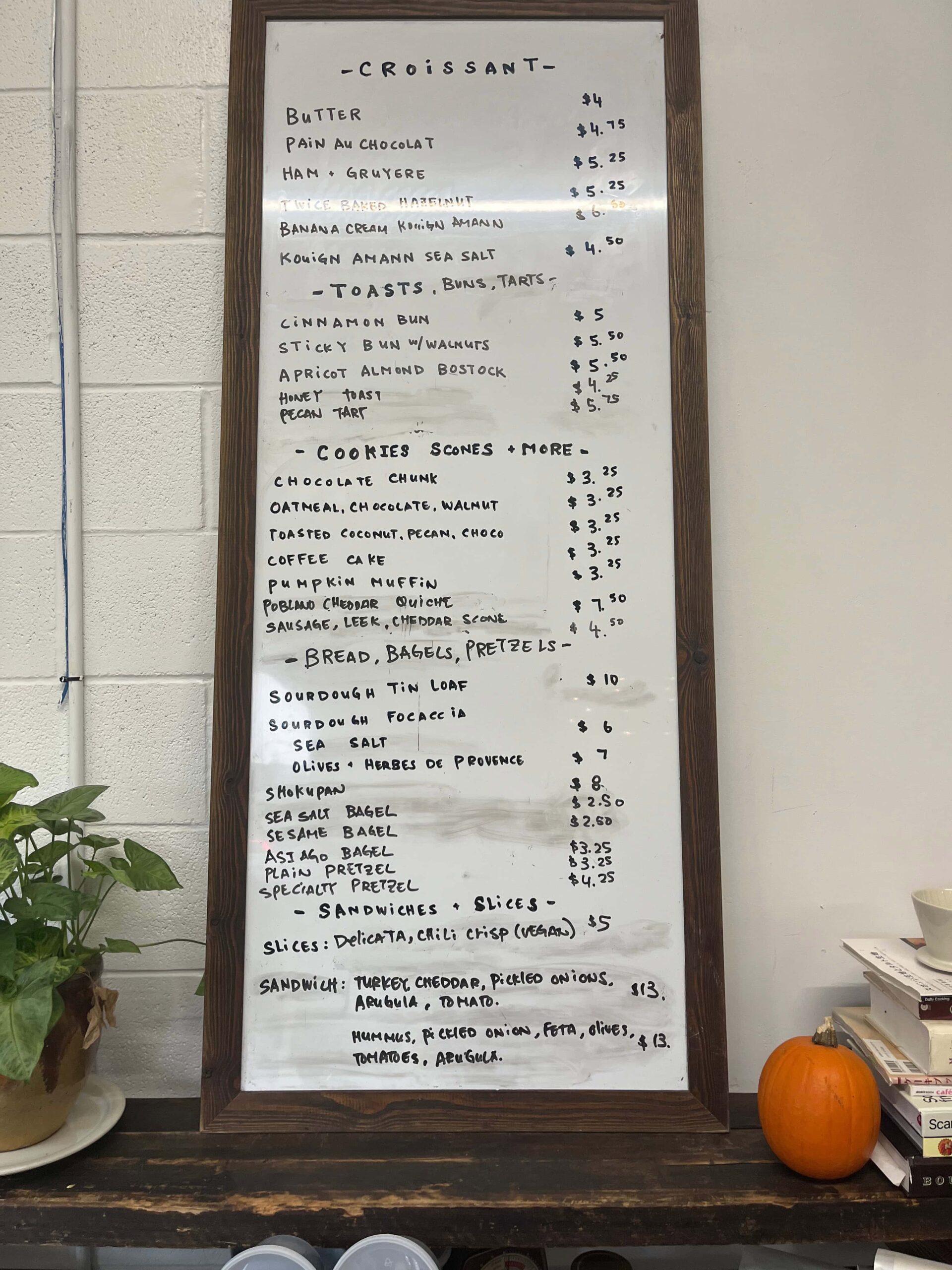
When I was building a bakeshop, I focused heavily on croissants.
They were trendy, yes.
But I also noticed very few bakeries in my area were making them well.
The market helped guide the decision.
Ask yourself:
- What's already available?
- What's missing?
- Why would someone choose my products?
2. Play to Your Strengths
Not every baker needs to sell everything.
Some bakers excel at bread.
Others love cake decorating.
Some enjoy high-volume production.
Others prefer custom work.
Your strengths matter.
But so does efficiency.
A product might be beautiful, but if it takes hours to produce and doesn't generate enough revenue, it may not be the right fit for your business.
3. Understand Your Limitations
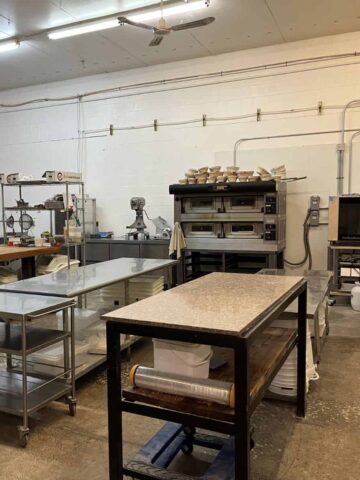
A menu has to fit your reality.
Consider:
- oven capacity
- mixer size
- freezer space
- refrigerator space
- counter space
- available time
- licensing restrictions
Many bakers design menus for the bakery they wish they had.
Successful bakers build menus around the bakery they actually have.
4. Think Beyond Individual Products
One of the biggest differences between newer bakers and professional bakers is how they think about menus.
A new baker often sees products.
A professional baker often sees systems.
Instead of asking,
"What else can I sell?"
they ask,
"How does this fit into everything else I'm already making?"
A strong menu isn't simply a collection of products.
It's a collection of products that support each other.
Products that share ingredients, doughs, fillings, and production methods are usually easier to produce efficiently than products that each require their own process.
Some products:
- attract customers
- generate higher profits
- fit naturally into production
- increase average order value
- create new products from ingredients you're already using
When products work together, your workflow becomes simpler, inventory becomes easier to manage, and your menu becomes much easier to scale.
👉 A New Baker Sees Five Products. A Professional Baker Sees One Dough
👉 Product Mix – Build a Menu That Works
5. Consider Workflow
Every product you add creates work.
Ask yourself:
- Can it be prepared ahead?
- Can it be frozen?
- Does it fit into my production schedule?
- Does it work alongside my other products?
A product that looks profitable on paper can become exhausting if it doesn't fit your workflow.
👉 Related: Why Does Baking Take Me So Long?
6. Consider Profitability
Not every product is worth selling.
Before adding something to the menu, consider:
- How much can I charge?
- How long does it take to produce?
- What are the ingredient costs?
- How many do I need to sell to make it worthwhile?
Profitability isn't just about food cost.
It's about balancing labor, pricing, demand, and production time.
👉 What Is a Good Profit Margin for Baked Goods?
👉 Cost-Based vs Value-Based Pricing for Baked Goods
7. Start Smaller Than You Think
One of the biggest mistakes new bakers make is trying to sell too many things at once.
Instead of offering:
- sourdough
- cookies
- cupcakes
- cakes
- macarons
- cinnamon rolls
consider mastering one or two products first.
For example:
A single sourdough formula can become:
- traditional
- seeded
- fruit and nut
- cheddar jalapeño
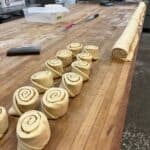
A cinnamon roll recipe can become several flavors with only small adjustments.
A smaller menu is often easier to produce, easier to manage, and easier to grow.
Questions to Ask Before Adding a Product
Before adding something new to your menu, ask:
- Will customers buy it?
- Does it generate enough revenue?
- Am I good at making it?
- Can I become efficient at making it?
- Does it fit my equipment and space?
- Does it fit my workflow?
- Can it support other products?
If the answer is no to most of those questions, it may not belong on the menu.
Build Your Bakery Menu: Start Here
Understanding Your Products
👉 A New Baker Sees Five Products. A Professional Baker Sees One Dough
👉 Product Mix: Build a Menu That Works
Workflow & Efficiency
👉 Why Does Baking Take Me So Long?
👉 Freezer-Friendly Workflow: The Professional Baker's Approach
Pricing & Profitability
👉 Cost-Based vs Value-Based Pricing for Baked Goods
👉 What Is a Good Profit Margin for Baked Goods?
👉 Why Your Baking Business Isn't Making Money
Final Thoughts
A good bakery menu isn't built around trends.
And it isn't built around offering the most products.
It's built around understanding your customer, your resources, your workflow, and your goals.
The strongest menus support the business behind them.
Because ultimately, the goal isn't just to sell baked goods.
It's to create a system that allows you to keep baking tomorrow.
Pocket Baker Perspective
When I first started the bakeshop, I started small - very small.
I had to.
There were limitations everywhere.
A small team. A small workspace. A walk-in refrigerator, but only a chest freezer.
I didn't have the luxury of solving problems by buying more equipment or hiring more staff.
Instead, I had to become as efficient as possible with what I had.
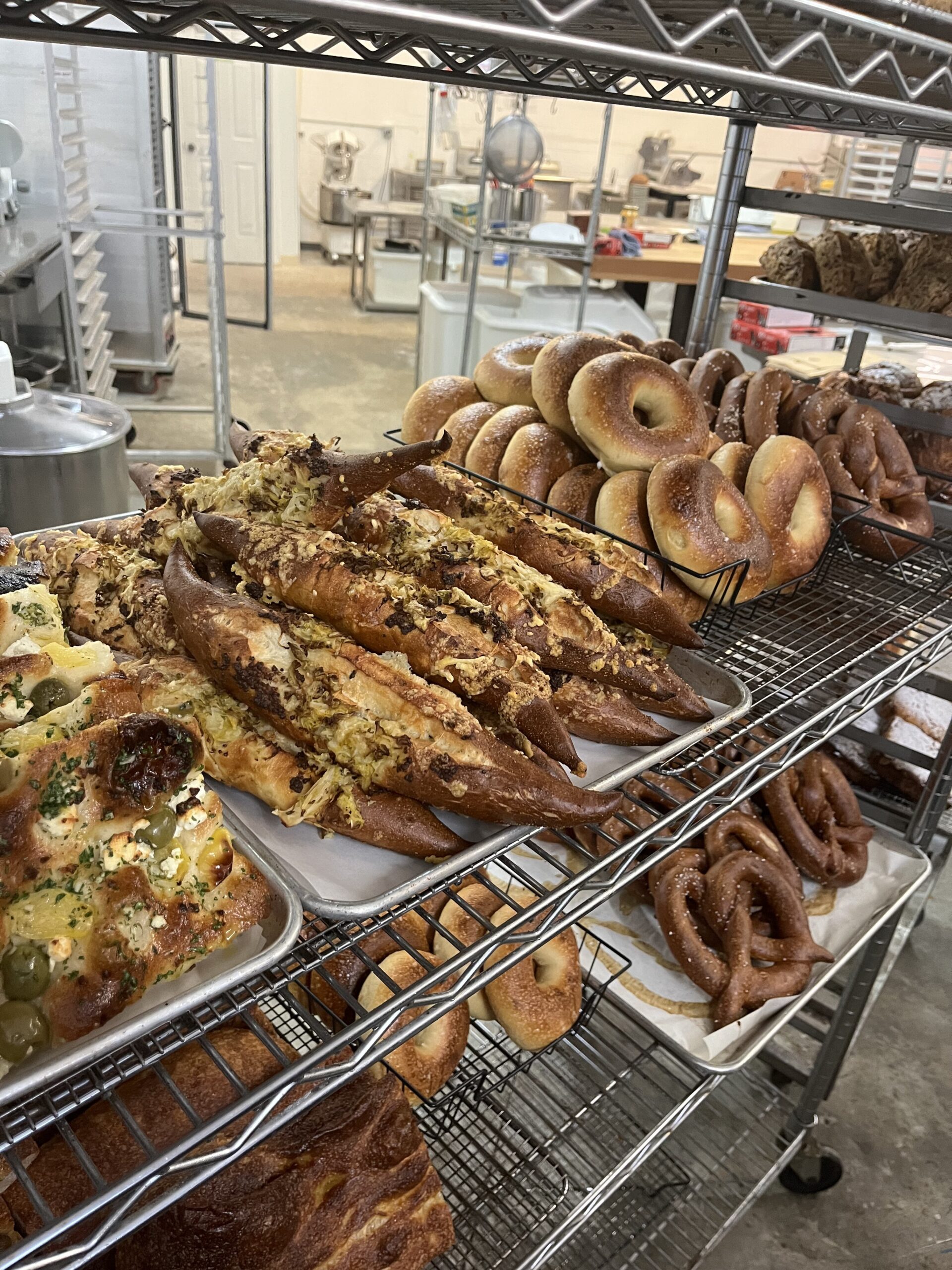
I stacked trays of shaped croissants in the chest freezer, using inverted sheet pans to protect the layers below. I learned exactly how many days I could hold focaccia dough in the walk-in, so there was always dough ready to bake. Cookies stayed on the menu because they were forgiving and could be mixed ahead whenever there was time.
Every decision came back to the same question:
How can I make the best use of the space, equipment, and time I have?
Eventually, we added equipment. We moved into a larger space. Production grew.
But the way I thought about the menu never really changed.
The goal was never to have the biggest menu or the newest equipment.
The goal was to build systems that made good baking repeatable.
Because when your workflow supports your menu, growth becomes much easier - and a profitable business starts to feel achievable.