









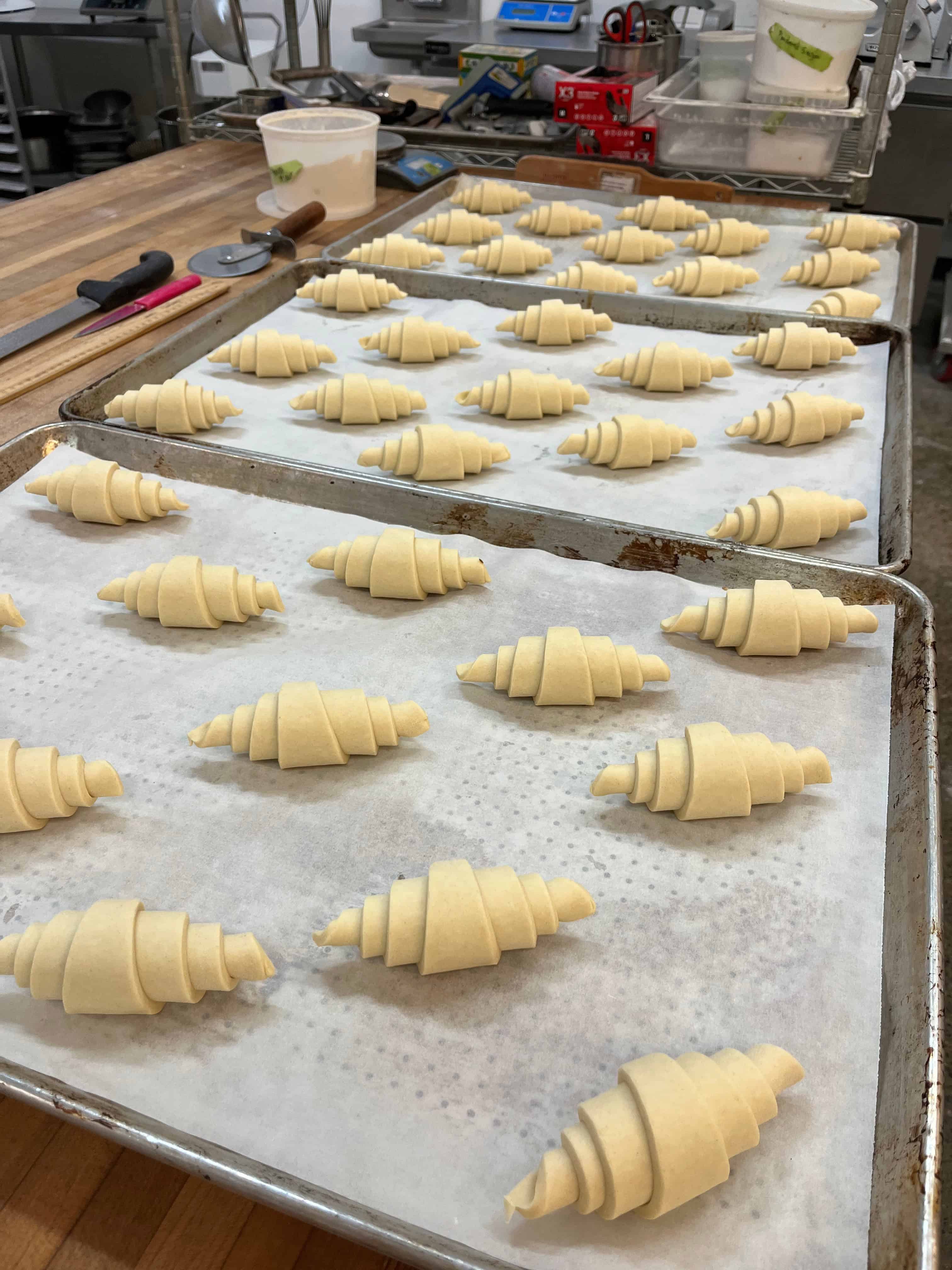
Consistency is the quiet superpower of every professional baker. It’s what allows a team to produce identical cookies day after day… and what helps a home baker finally achieve even, reliable, repeatable results.
Consistency isn’t about perfection - it’s about building systems and habits that make good results repeatable. Once you approach your bakes the way professionals do, everything gets easier: your cookies match, your loaves rise predictably, and you waste far less time troubleshooting.
Below is a guide to the core practices bakers and pastry chefs rely on to stay consistent - no matter the recipe.
Jump to:
Why Consistency Matters
When your process is consistent, your results become predictable.
And when results are predictable, you bake with confidence.
Professional bakers don’t rely on memory or intuition alone. We rely on systems - prep lists, simplified recipe cards, weights, times, and clear workflows that reduce variables. These same tools can transform your home baking.
What You Need to Do First
1. Create a Prep List
Before a pastry team bakes a single thing, there is a prep list.
A prep list...
- Saves time
- Prevents mistakes
- Improves accuracy
- Reduces mid-recipe scrambling
- Sets aside time for any advance needs (softened butter, toasted nuts)
Small step, huge payoff.
2. Write Your Own Recipe Cards
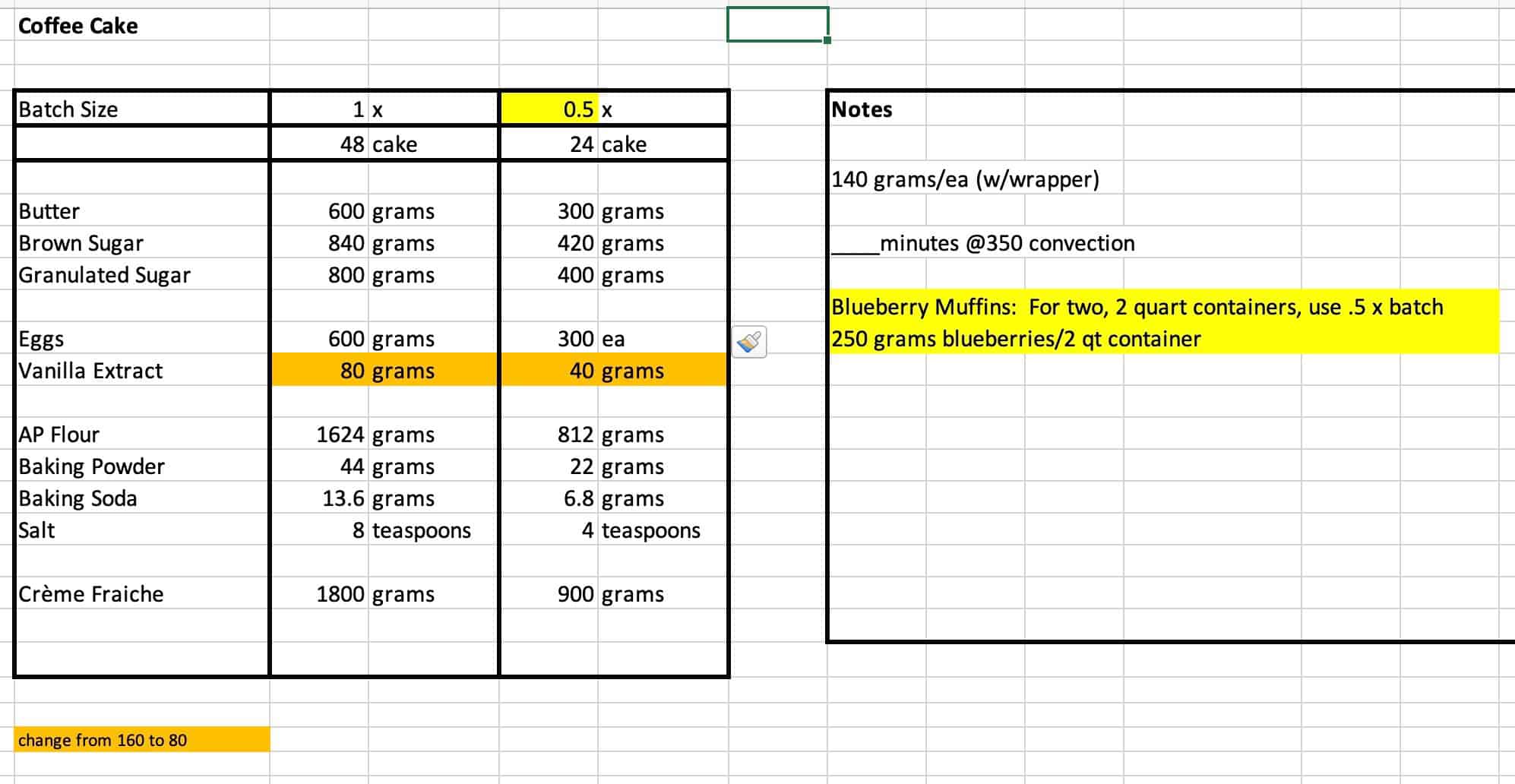
Even when you follow a published recipe, rewrite it for how your brain works.
You already know the method - so simplify it:
Your recipe card should include:
- Ingredient list (weighed)
- Baking temperature
- Portion size (scoop number, loaf pan size, etc.)
- Expected bake time
- Internal temperatures when relevant
- Brief texture or visual notes
(“Dough will feel sticky”)
Example recipe card for chocolate chip cookies:
butter 280g
sugar 280g
brown sugar 140g
----------------
eggs 2ea
vanilla 1 ¾t
----------------
flour 480g
salt 1 ½t
baking soda 1 ¼t
baking powder 1 ½t
----------------
chocolate chips 225g
----------------
350°F for 12-15 minutes
You don’t need a full narrative of instructions - you already know how the recipe works. Grouping ingredients by task gives your brain a quick visual roadmap, so you move through the process smoothly. Recipe cards keep you focused and consistent without the distraction of rereading long instructions.
3. Test, Record, Adjust (Repeat)
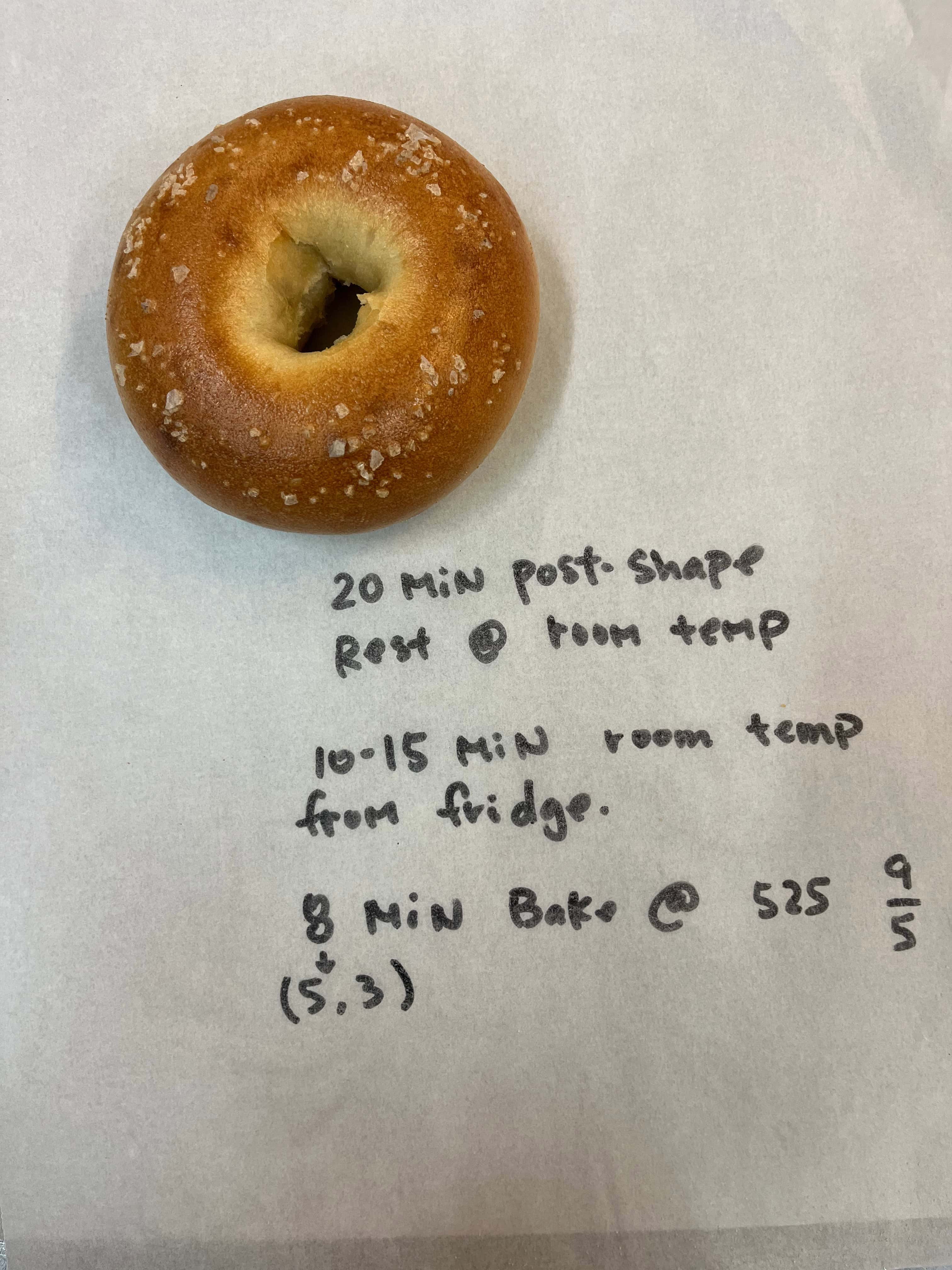
Professionals test and take notes - constantly.
At home, do the same:
- Note oven temperature
- Record bake times
- Write down scoop size and dough weight
- Write down the dimensions of your croissants, scones and bars
- Note dough mixing times, rest times and room temps
This saves enormous time in the long run.
I know my focaccia always bakes in 15 minutes in my oven - no guessing, no hovering, always the same color and texture.
Core Kitchen Habits
4. Measure Everything (Use a Scale)
Volume measurements vary. Weight does not.
Why pros rely on scales:
- Accuracy: Weighing 3600 g flour is much faster (and consistent) than measuring 30 cups.
- Math: Scaling your recipe weight is simple (ex. 85 g × 4); scaling by cups is not (ex. ⅔ cup × 4).
- Cleanup: Measuring peanut butter with a cup? Torture.
- Miscounts: Distractions happen - scales keep you honest.
If you want consistent results, your scale isn’t optional - it’s essential. And once you get the hang of it, you'll wish you'd started sooner.
5. Portion Precisely
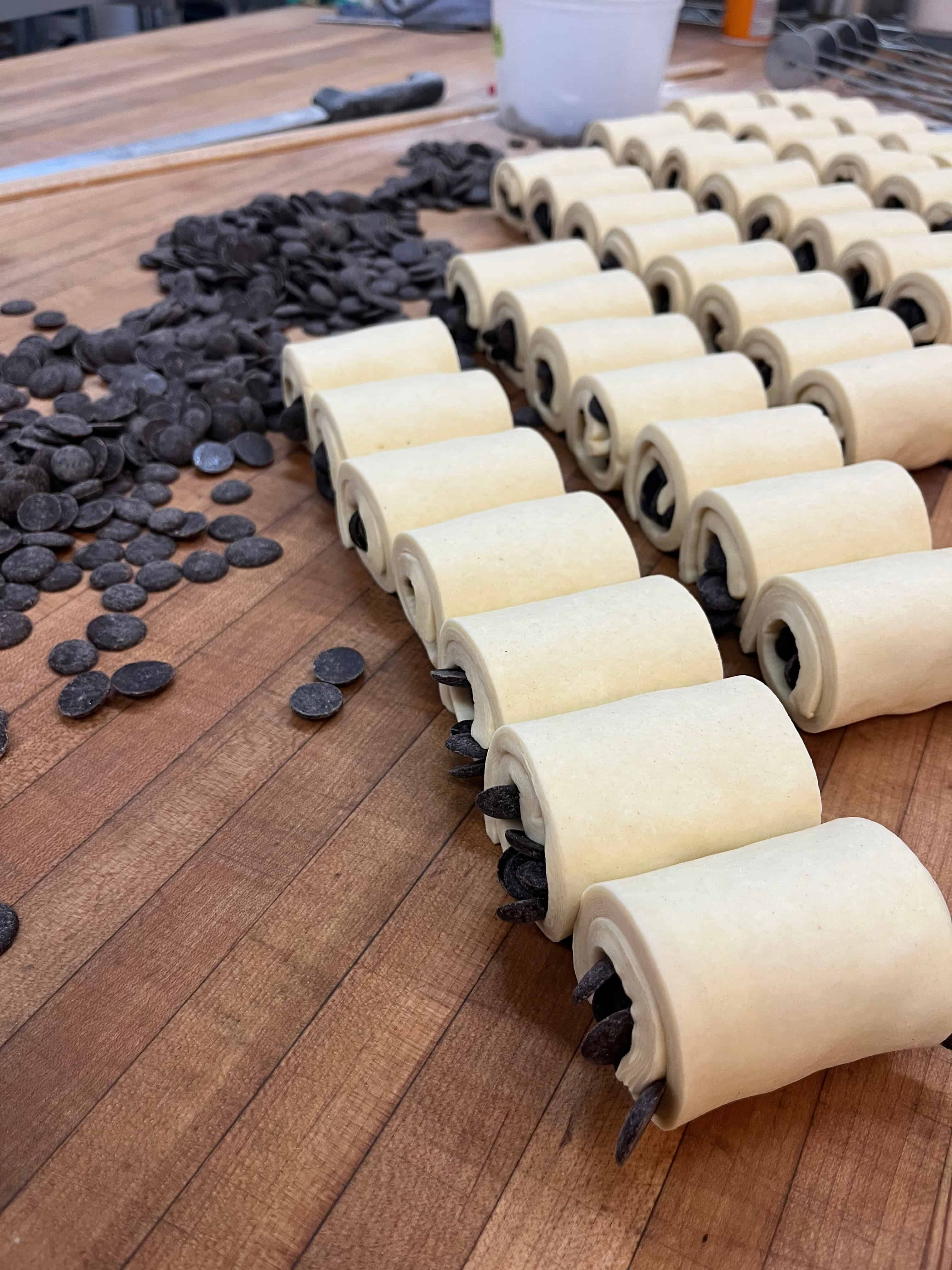
If portions vary, bake times vary.
And if you're selling product, customers will notice inconsistency in size.
Professionals use:
- Scoops
- Scales
- Rulers
Consistency starts with even portions.
6. Control Time and Temperature
Time and temperature shape nearly every outcome in baking - and learning how to control them is one of the fastest ways to improve consistency.
Pay close attention to:
• Ingredient temperatures
Butter, eggs, milk, chocolate, and dough all behave differently depending on how warm or cold they are. Softened butter creams differently than cold butter; warm dough proofs faster than cool dough.
• Room temperature
Especially important for yeasted doughs. A warm kitchen speeds fermentation; a cool one slows it down. Small shifts can change proofing times by hours.
When you understand how time and temperature interact, your results become far more predictable - and your troubleshooting gets much easier.
7. Know Your Equipment
One thing professionals understand deeply: their equipment’s “personality.” Tools behave differently kitchen to kitchen, and learning yours is key to consistency.
Pros know:
- Where their oven’s hot spots are
- How much heat their mixer generates through friction
- How many cookies fit on a tray without crowding
- How humidity affects proofing
At home:
- Use an oven thermometer - Your dial is lying to you.
- Map your hot spots - Rotate pans if needed.
- Note dough temperature after mixing - Warm dough = faster rise.
- Know your tray capacity - Overcrowding = uneven baking.
Consistency comes from understanding how your tools behave - not just your ingredients.
You need more than a just a good recipe
8. Don’t Do Everything in One Day
Professionals rarely mix, bake, and finish everything at once. Spreading the work out leads to better quality, fewer mistakes, and a calmer kitchen.
Try a workflow like:
- Day 1: Prep + weigh
- Day 2: Mix + portion
- Day 3: Bake + finish
When you remove time pressure, your results improve.
9. Learn How to Move with Purpose
Professional bakers don’t jump from task to task - they move with intention.
There’s a rhythm to the way we work: top to bottom, left to right, finishing one task fully before starting the next. This reduces mistakes, keeps your workspace organized, and dramatically improves your speed and consistency.
Think in batches:
- Ice all the cookies
- Add sprinkles to all the cookies
- Bag all the cookies
- Seal all the cookie bags
When you repeat the same motion several times in a row, your hands learn what “right” feels like. Your work becomes smoother, faster, and more consistent.
10. Practice
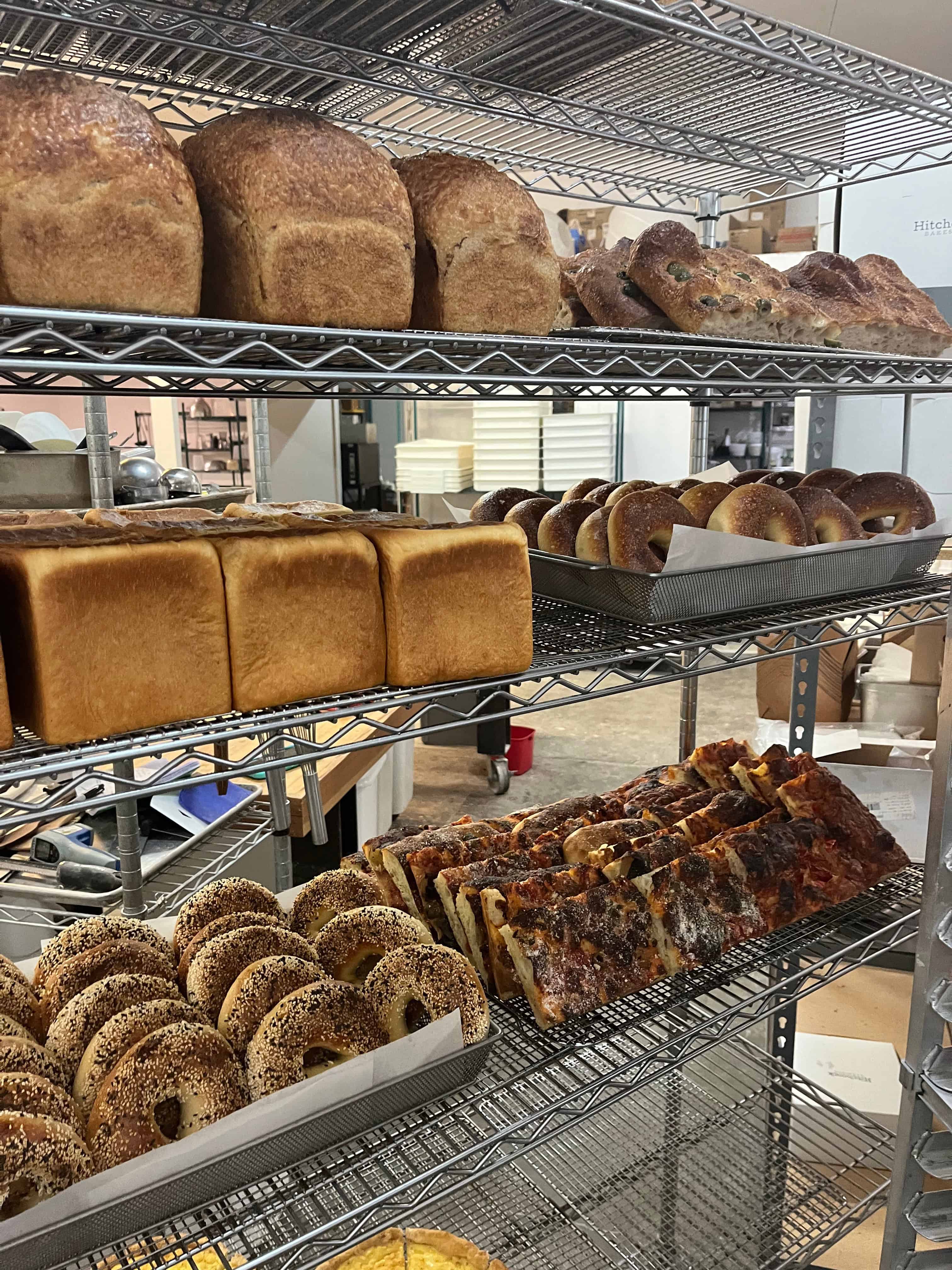
Professional bakers have one major advantage: repetition.
We’ve:
- Rolled hundreds of doughs
- Scooped thousands of cookies
- Baked the same recipe more times than we can count
You don’t need professional-level repetition - but you do need practice.
Consistency is a muscle. The more you use it, the stronger it gets.
Pro Tips for Building Consistency
- Keep a dedicated baking notebook
- Record why something worked (or didn’t)
- Take photos for comparison
- Use timers
- Keep your workspace organized
- Build small, repeatable systems for every recipe
Final Thoughts: A Little Pocket of Wisdom
Consistency doesn’t come from perfection - it comes from gentle repetition and simple habits that make baking feel easier every time. When you streamline the parts of the process that can be systemized, you free up your mind to focus on the fun, creative parts. Over time, muscle memory takes over, confidence grows, and your bakes become beautifully predictable.
And the best part?
Your results will quietly prove just how far you’ve come
Baker's Assistant: Dive Deeper
For related topics, follow the links: