

Introduction
Making dinner rolls ahead of time isn't a shortcut - it's standard practice in professional kitchens.
Whether you're preparing for a holiday meal, hosting a dinner party, or simply trying to free up time on baking day, working ahead allows you to spread production over several days instead of trying to do everything at once.
The best part?
Dinner rolls are one of the most forgiving breads to prepare ahead. Most recipes can be refrigerated overnight, frozen before baking, or frozen after baking with excellent results.
The key isn't finding the "best" method.
It's choosing the method that works best for your schedule.
Jump to:
- Introduction
- Quick Answer: Can You Make Dinner Rolls Ahead of Time?
- How to Choose the Right Make-Ahead Method
- Option 1: Refrigerate the Dough Overnight
- Option 2: Freeze Shaped Dough
- Option 3: Freeze Fully Baked Rolls
- Should You Par-Bake Dinner Rolls?
- Which Method Should You Choose?
- Storage Guide
- FAQ
- Bread Making: Start Here
- Final Thoughts
- Pocket Baker Perspective
- Get the FREE Profitable Baker Pricing Calculator
Quick Answer: Can You Make Dinner Rolls Ahead of Time?
👉 Yes.
Professional bakers regularly make dinner rolls ahead using one of three methods:
- Refrigerating the dough overnight
- Freezing shaped dough before baking
- Freezing fully baked rolls
Each method has its own advantages depending on when you'll be serving the rolls, how much freezer space you have, and how much work you'd like to leave for baking day.
How to Choose the Right Make-Ahead Method
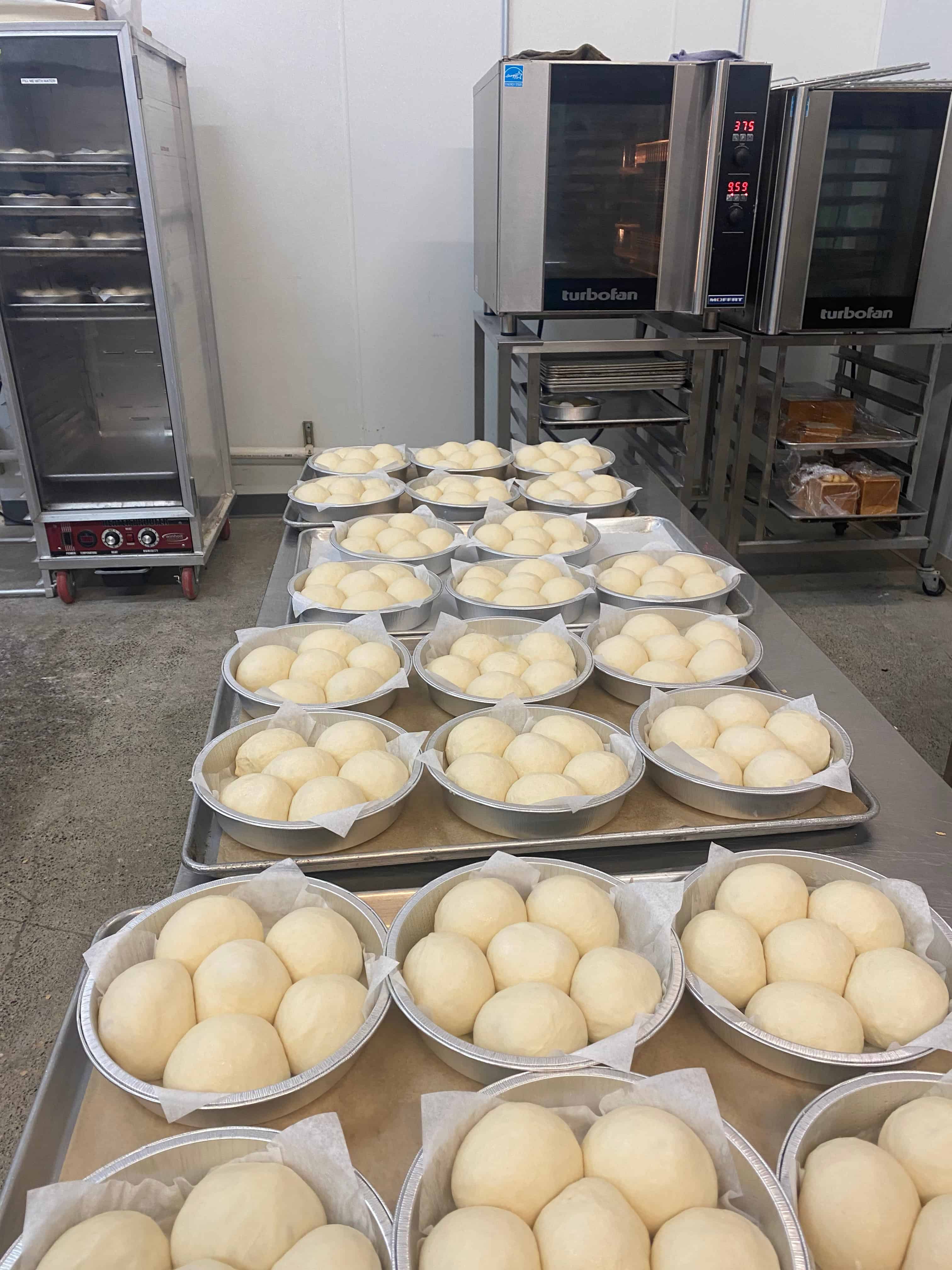
Before deciding how to store your dough, consider:
- when you'll be serving the rolls
- the type of dough you're making
- how much refrigerator or freezer space you have
- how much work you'd like to leave for serving day
There isn't one perfect method.
The goal is to choose the one that fits your workflow.
Option 1: Refrigerate the Dough Overnight
Best for: Next-day baking
Works well with: Lean and enriched doughs
Refrigerating dough slows yeast activity while allowing fermentation to continue.
For lean doughs, this often improves both flavor and texture. Enriched doughs also perform well overnight and are an excellent option if you'll be baking the following day.
How to Refrigerate Dinner Roll Dough
- Mix the dough.
- Allow it to complete the first rise.
- Divide and shape into rolls.
- Arrange on the baking tray.
- Cover well and refrigerate overnight.
- The following day, allow the rolls to proof until light and puffy before baking.
👉 Pocket Baker Tip: Keep the dough covered. Dough exposed to air develops a skin that prevents proper expansion. A light spray of oil before covering helps prevent the plastic wrap from sticking.
Option 2: Freeze Shaped Dough
Best for: Preparing weeks in advance
Works best with: Enriched doughs such as soft dinner rolls, brioche, and milk rolls
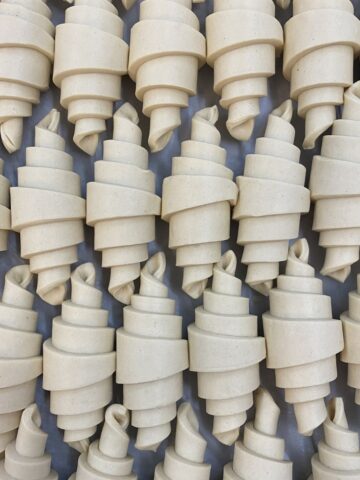
Freezing shaped dough gives you the flexibility to bake fresh rolls whenever you need them.
How to Freeze Dinner Roll Dough
- Mix the dough.
- Allow the first rise.
- Divide and shape into rolls.
- Arrange on a parchment-lined tray.
- Wrap well and freeze.
- Once frozen, transfer to an airtight container or freezer bag if desired.
The day before baking, transfer the frozen rolls to a baking tray and thaw overnight in the refrigerator.
The next day, proof until fully risen before baking.
👉 Pocket Baker Tip: Frozen dough should always remain covered while thawing to prevent the surface from drying out.
Note: If you choose to thaw and proof at room temperature, allow approximately 5–6 hours, depending on the temperature of your kitchen.
Option 3: Freeze Fully Baked Rolls
Best for: Holidays, large dinners, and busy schedules
This is one of my favorite methods.
Fully baked dinner rolls freeze exceptionally well and can be refreshed in the oven just before serving.
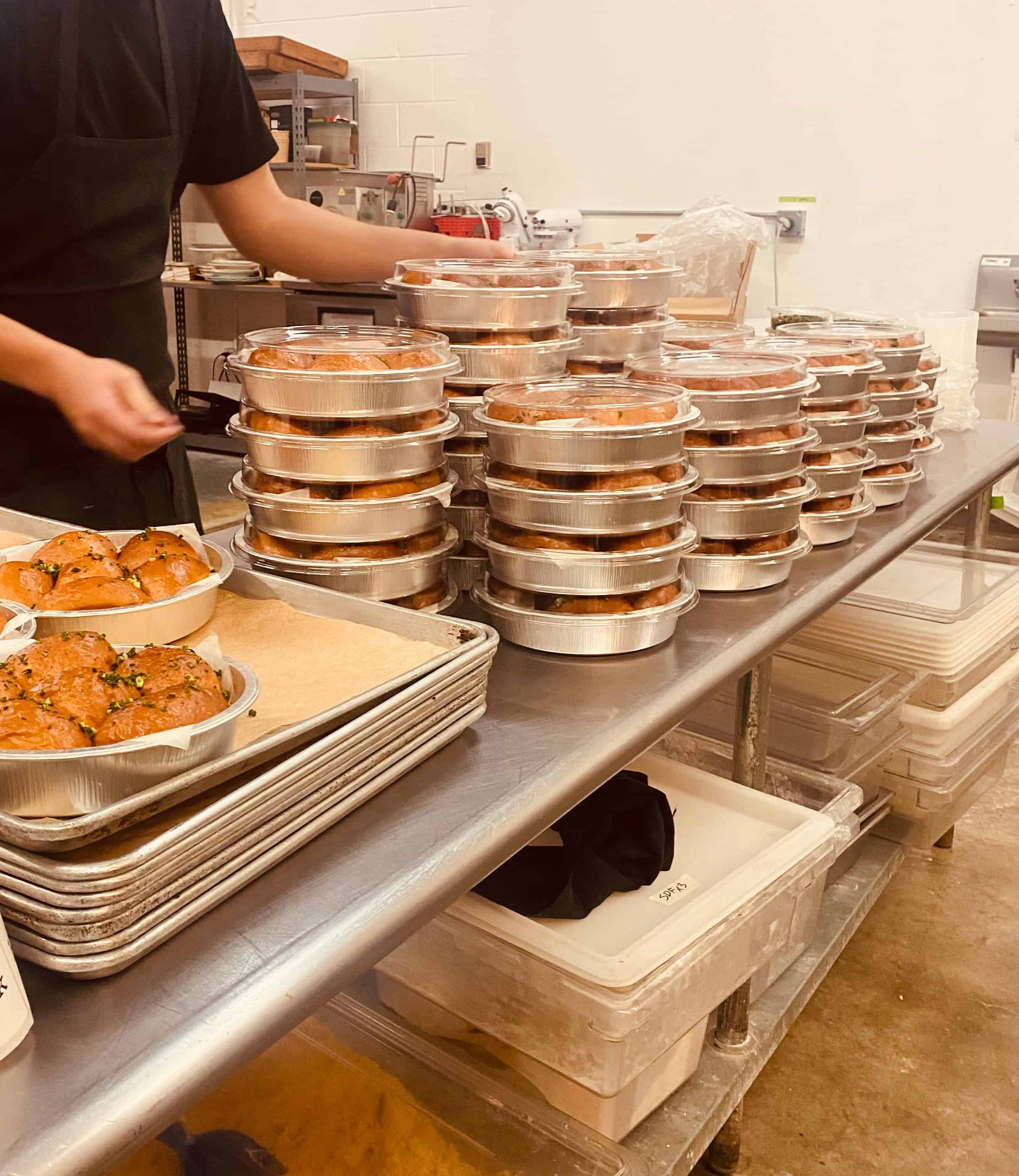
Restaurants often rely on this approach because there's always backup product available, less bread goes to waste, and warm rolls can be served in just a few minutes.
How to Freeze Baked Dinner Rolls
- Bake the rolls completely.
- Allow them to cool.
- Wrap tightly.
- Freeze.
When you're ready to serve:
- thaw the rolls
- warm in a 325°F (160°C) oven for 5–10 minutes
Freshly warmed rolls are remarkably difficult to distinguish from rolls baked that day.
👉 Pocket Baker Tip: Freeze the rolls as soon as they've cooled to preserve freshness.
Should You Par-Bake Dinner Rolls?
Par-baking is another option, although it's one I use less often.
The idea is to partially bake the rolls until the structure is set, cool them, then finish baking later.
While this technique works for some lean breads, I generally find that freezing fully baked rolls produces equally good results with fewer variables.
Rich doughs such as brioche and Japanese milk bread don't always respond well to par-baking, and underbaked rolls can collapse if they haven't reached the proper internal temperature.
If you'd like to experiment with par-baking:
- bake until the rolls reach an internal temperature of approximately 180–190°F (82–88°C)
- cool completely
- wrap well
- freeze
- thaw and finish baking until golden brown
For most home bakers, freezing fully baked rolls is the simpler and more reliable option.
Which Method Should You Choose?
Choose the method that fits your schedule.
| If you... | Choose... |
|---|---|
| Need rolls tomorrow | Refrigerate the dough overnight |
| Want freshly baked rolls but would like to prepare weeks ahead | Freeze shaped dough |
| Have very little time or oven space on serving day | Freeze fully baked rolls |
Professional baking isn't about using one method all the time.
It's about using the right method for the situation.
Storage Guide
Refrigerated Dough
- Enriched dough: up to 24 hours
- Lean dough: 1-2 days
- Keep covered
Frozen Dough
- Best quality within 2-3 weeks
- Can generally be stored for up to 2 months (may not rise as well)
- Wrap well to prevent freezer burn
Frozen Baked Rolls
- Freeze as soon as cooled
- Best quality within 2-3 weeks
- Can generally be stored for 1-2 months
FAQ
Can I refrigerate dinner roll dough for two days?
Enriched doughs are generally best baked within 24 hours. Lean doughs often perform well after 1-2 days of refrigeration.
Is it better to freeze the dough or bake the rolls first?
Both methods work well.
If you want freshly baked rolls, freeze the shaped dough.
If your goal is reducing work on serving day, freeze fully baked rolls.
Can I refrigerate shaped rolls overnight?
Yes.
Shape the rolls, place them on the baking tray, cover well, and refrigerate overnight. Allow extra proofing time before baking.
How long does frozen dough take to thaw?
Overnight in the refrigerator works best.
If thawing at room temperature, expect the process - including proofing - to take approximately 5-6 hours (depending on the temperature of the room).
Do frozen dinner rolls taste as good as fresh?
Yes.
When wrapped properly, thawed completely, and refreshed in the oven, most people won't notice a differenc
Bread Making: Start Here
Bread Fundamentals
👉 Bread Making Explained: The 12 Steps That Matter
👉 Do You Really Need to Proof Yeast?
Make-Ahead & Workflow
👉 Why Does Baking Take Me So Long?
👉 Freezer-Friendly Workflow: The Professional Baker's Approach
👉 How to Make Pizza Dough Ahead of Time
Bread Troubleshooting
👉 How Long Should Bread Proof?
👉 How to Proof Bread in the Oven
Final Thoughts
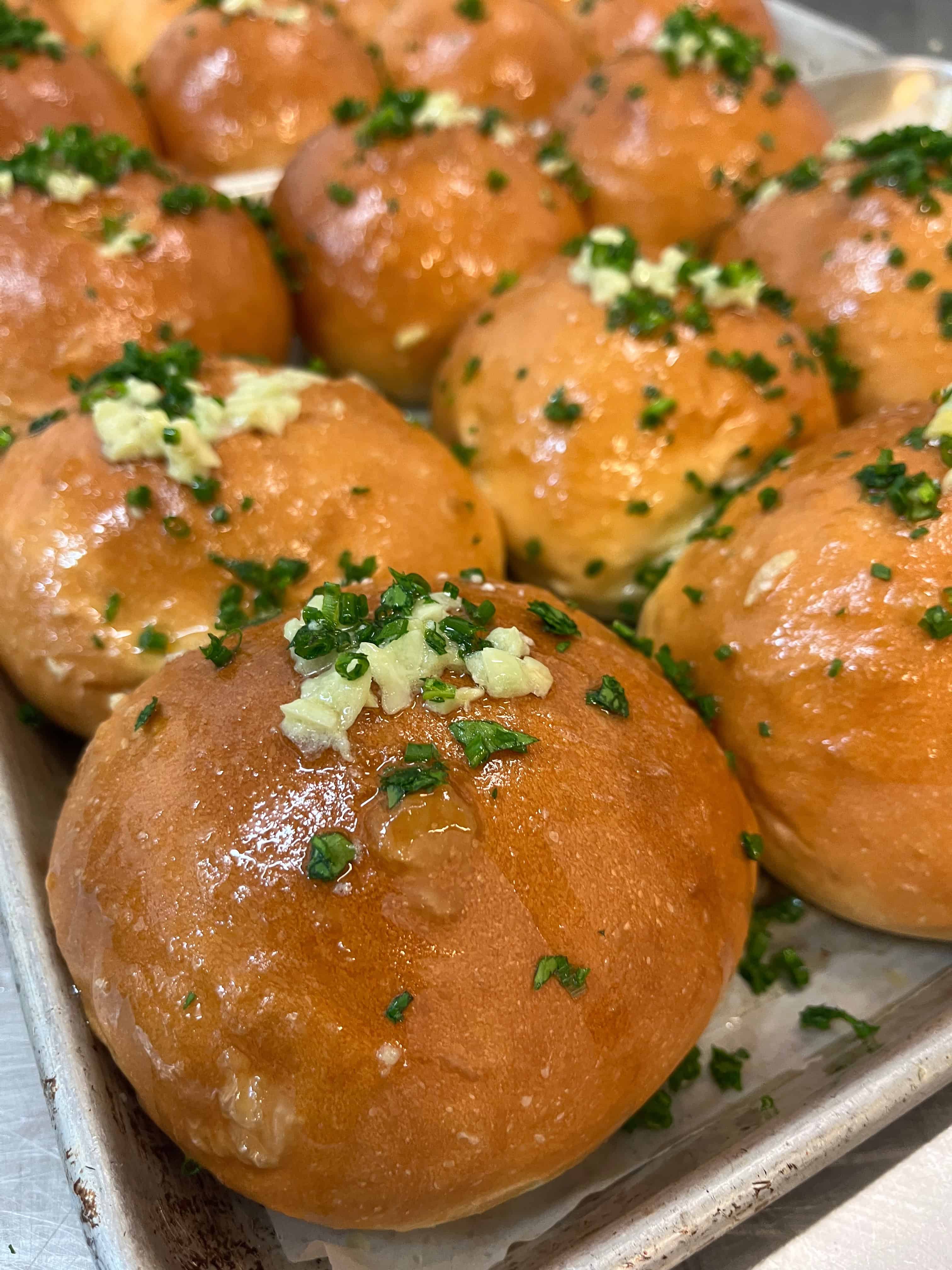
Making dinner rolls ahead isn't about cutting corners.
It's about choosing a workflow that allows you to bake with less stress and more flexibility.
Whether you refrigerate the dough overnight, freeze shaped rolls, or freeze fully baked rolls, you're using the same techniques that professional kitchens rely on every day.
The goal isn't simply to bake great bread.
It's to make great bread fit into your schedule.
Pocket Baker Perspective
One of the biggest surprises for people entering a professional kitchen is how little is actually made from start to finish on the day it's served.
Dinner rolls are a perfect example.
Over the years, I've used all three of these methods, depending on the situation.
When I was running a bakeshop, freshly baked products were part of what customers expected. Freezing shaped dough gave me the flexibility to bake fresh rolls each day while still spreading the work over several days.
In restaurants and for catered events, the priorities were different. The meal - not the bread - was the focus, and oven space and time were often limited. In those situations, freezing fully baked rolls and refreshing them just before service was often the simplest and most reliable option.
None of these methods are shortcuts.
They're simply different tools for organizing production.
That's one of the biggest lessons professional kitchens taught me.
There usually isn't one "right" way to do something.
Professional baking is about choosing the method that best supports the product you're making, the customers you're serving, and the workflow you've built.