





Introduction
For years, I thought the problem with my homemade Neapolitan-style pizza was the dough.
I tried different recipes, changed fermentation times, changed the flour, used a pizza stone, and finished the pizza under the broiler. But the crust was always too thick, too chewy, and nothing like the light, softly crisp pizza I remembered eating in Italy.
The missing piece wasn't another dough recipe.
It was how I baked it.
Pizza styles are shaped by more than flour, hydration, and fermentation. The oven temperature, baking surface, and length of the bake all influence how quickly the dough expands, how much moisture it loses, and whether the finished crust becomes soft, crisp, chewy, airy, or charred.
A Neapolitan pizza baked at 500°F will not behave like the same dough baked at 850°F. A thick pan pizza needs more time for its interior to bake through. A New York–style crust needs strong bottom heat, but also enough baking time to develop a crisp underside while remaining flexible.
Understanding how those elements work together makes it easier to choose a pizza style that suits your oven - and to stop blaming the dough for a result the oven was never equipped to produce.
Jump to:
- Introduction
- Quick Answer: What Temperature Should Pizza Be Baked At?
- Why Pizza Temperature Matters
- Traditional Pizza Baking Temperatures by Style
- Professional Ovens vs. Home Ovens
- How to Adapt These Pizza Styles to a Home Oven
- Match the Pizza Style to the Oven You Have
- Continue Learning: Pizza & Bread Dough Fundamentals
- FAQ
- Final Thoughts
- Pocket Baker Perspective
- Get the FREE Profitable Baker Pricing Calculator
Quick Answer: What Temperature Should Pizza Be Baked At?
The best pizza-baking temperature depends on the style you are making.
Thin pizzas designed for intense heat, such as Neapolitan pizza, may bake at 800-900°F in approximately 60-90 seconds. New York and New Haven-style pizzas are generally baked at somewhat lower temperatures for several minutes. Thick pan pizzas require longer baking times so the center can cook before the exterior becomes too dark.
In a home oven, the goal is not always to reproduce a commercial pizza oven perfectly. It is to create the best possible balance of:
- bottom heat
- top heat
- baking time
- dough thickness
- pan or baking surface
The closer the home setup comes to supplying the kind of heat a particular style requires, the closer the finished pizza will come to its traditional texture.
Why Pizza Temperature Matters
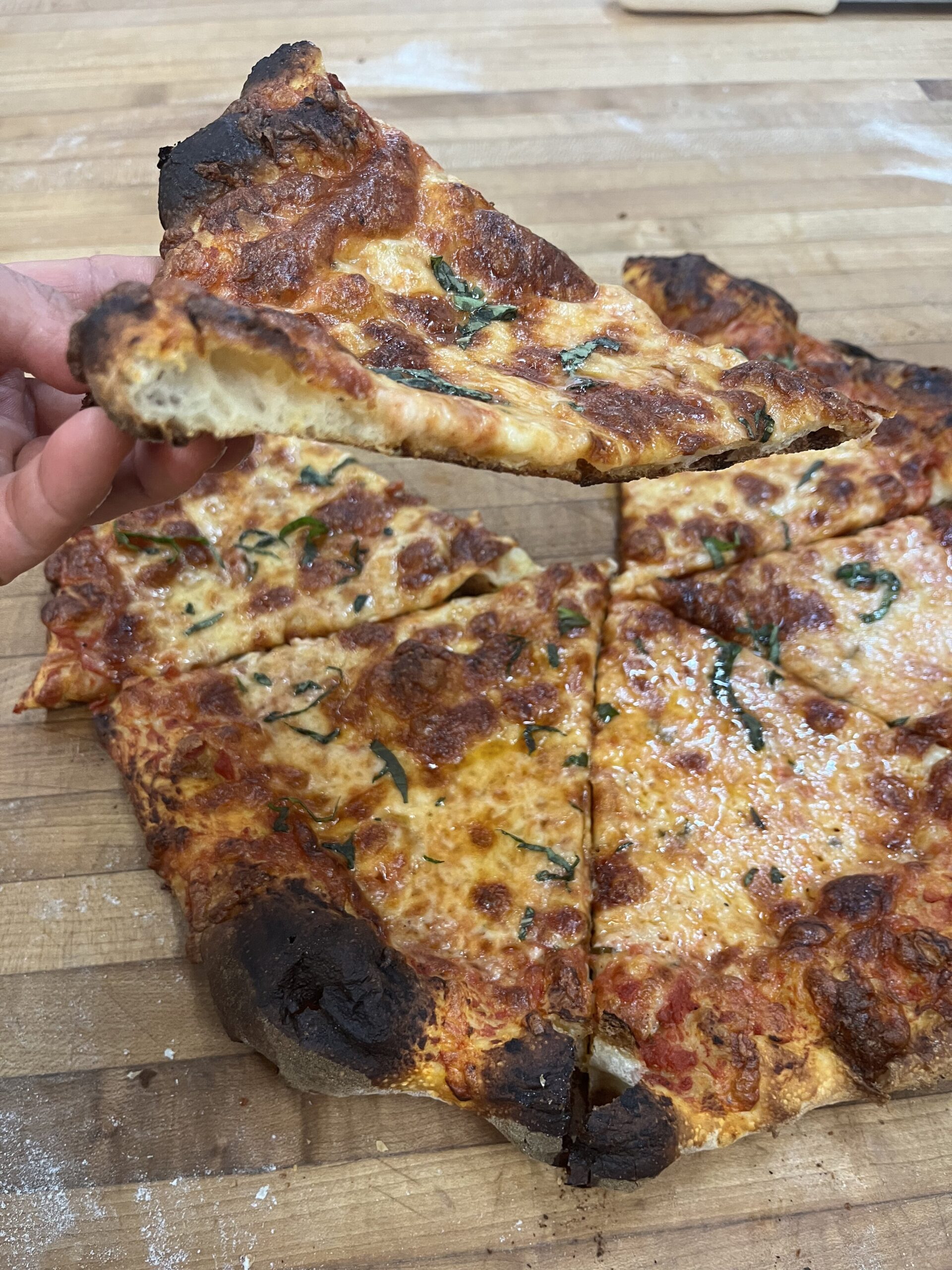
Pizza changes remarkably quickly once it enters the oven.
As soon as pizza enters the oven, the dough begins expanding, moisture turns to steam, the crust starts setting, and browning begins. How quickly those changes happen depends largely on the oven temperature - and that's one of the biggest reasons different pizza styles require different baking temperatures.
The oven temperature determines how quickly those changes happen - and that ultimately shapes the finished pizza.
At very high temperatures, the dough expands and sets before much moisture can escape. The result is a puffy rim, a soft interior, and the blistered, lightly charred crust associated with styles like Neapolitan pizza.
At lower temperatures, the pizza spends more time in the oven. That longer bake allows more moisture to evaporate, producing a firmer, crispier crust while giving thicker doughs and heavier toppings time to cook through.
Neither approach is inherently better. They're simply designed to produce different textures, structures, and styles of pizza.
Traditional Pizza Baking Temperatures by Style
The traditional oven is part of what defines a pizza style. Different ovens deliver heat in different ways, especially through the oven floor and the heat surrounding the pizza.
| Style | Traditional Oven | Baking Temperature | Bake Time | Characteristic Result |
|---|---|---|---|---|
| Neapolitan | Wood-fired oven | 800–900°F | 60–90 seconds | Puffy, crispy, soft crust with leopard spotting |
| New York | Gas deck oven | 550–650°F | 5–8 minutes | Crisp bottom with a foldable slice |
| New Haven | Coal-fired or gas deck oven | 650–700°F | 4–6 minutes | Thin, charred crust with a chewy interior |
| Detroit | Deck oven with a blue-steel pan | 500–550°F | 12–16 minutes | Airy crumb with crisp, caramelized cheese edges |
| Sicilian | Deck oven | 450–500°F | 15–20 minutes | Thick, fluffy interior with a crisp bottom |
| Chicago deep dish | Deck oven with a deep-dish pan | 425–475°F | 30–45 minutes | Crispy, buttery pastry-like crust |
| Tavern style | Gas deck oven | 500–550°F | 8–10 minutes | Thin, crisp, cracker-like crust |
These temperatures and times are general working ranges rather than fixed rules. Individual pizzerias adjust them according to dough thickness, hydration, toppings, oven type, and production needs.
Professional Ovens vs. Home Ovens
Traditional pizza ovens don't simply reach different temperatures. Wood-fired, coal-fired, and deck ovens also transfer heat differently, which is one of the reasons home ovens produce different results.
These ovens differ from home ovens in two important ways:
- They can maintain much higher temperatures.
- They recover heat much faster after the oven is opened or another pizza is loaded.
A commercial deck oven also stores a substantial amount of heat in its hearth. When the dough is placed directly on that surface, heat transfers rapidly into the bottom of the pizza, helping the crust expand, brown, and bake evenly.
A home oven may display a temperature of 500 or 550°F, but the oven floor, air, and baking surface do not deliver heat with the same intensity or stability as a commercial oven.
Why Use a Pizza Stone or Baking Steel?
A pizza stone or baking steel helps bridge that gap by storing heat before the pizza is loaded and then transferring it directly into the dough. This stronger bottom heat promotes better oven spring, faster browning, and a more evenly baked crust than placing the pizza on a standard baking sheet or oven rack.
Although they serve the same purpose, they behave a little differently.
- Pizza stones absorb and release heat more gradually. They produce excellent results and are often more forgiving, making them a good choice for many home bakers.
- Baking steels transfer heat much more aggressively. They typically brown the bottom of the pizza faster and can produce a crisper crust, especially for thin-crust styles like New York pizza.
Neither is universally better. The best choice depends on the style of pizza you're making and how your oven performs.
For many home bakers, either option is one of the biggest improvements they can make because it helps recreate the strong bottom heat of a commercial deck oven.
A dedicated pizza oven goes a step further by supplying intense heat from both above and below, making it the closest practical home substitute for a traditional wood-fired or high-temperature gas oven.
How to Adapt These Pizza Styles to a Home Oven
A home oven cannot perfectly mimic every commercial pizza oven, but it can produce excellent results when the pizza style, baking surface, and temperature are matched realistically.
| Style | Home Setup | Home-Oven Temperature | Approximate Bake Time | How the Setup Mimics the Traditional Oven |
|---|---|---|---|---|
| Neapolitan-style | Dedicated gas- or wood-fired pizza oven | 800–900°F | 60–90 seconds | Provides the intense floor and overhead heat needed for rapid oven spring and leopard spotting |
| Neapolitan-inspired | Steel or stone placed high in a standard oven; finish under the broiler if needed | 500–550°F | 4–7 minutes | A fully preheated surface strengthens bottom heat, while the broiler supplies additional top heat |
| New York | Baking steel or stone | 500–550°F | 5–8 minutes | The preheated surface mimics the strong, steady floor heat of a gas deck oven |
| New Haven-inspired | Baking steel, preferably positioned high in the oven | 500–550°F | 6–10 minutes | The steel promotes a dark underside, while a high rack or brief broiler finish encourages char |
| Detroit | Detroit-style steel or anodized-aluminum pan | 475–500°F | 12–18 minutes | The dark metal pan conducts heat rapidly, crisping the bottom and caramelizing cheese around the edges |
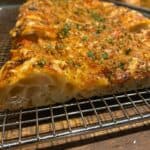
| Sicilian | Dark metal sheet pan or rectangular pizza pan | 450–500°F | 15–25 minutes | The oiled metal pan transfers heat into the thicker dough, producing a crisp bottom beneath a fluffy interior |
| Chicago deep dish | Deep-dish pan or cast-iron skillet | 425–450°F | 25–40 minutes | The heavy, high-sided pan supports the filling and gives the crust enough time to bake through |
| Tavern style | Baking steel, stone, or pizza screen | 500–550°F | 7–12 minutes | The hot surface or screen helps the thin dough bake evenly and become crisp throughout |
Use these figures as starting points rather than exact instructions.
Preheat a stone or steel for at least 45-60 minutes, and judge doneness by the color and structure of the crust rather than time alone.
A dark metal pan will generally brown pizza more quickly than a light-colored pan. A baking steel also transfers heat more aggressively than a stone, so the bottom of the pizza may cook faster.
Match the Pizza Style to the Oven You Have
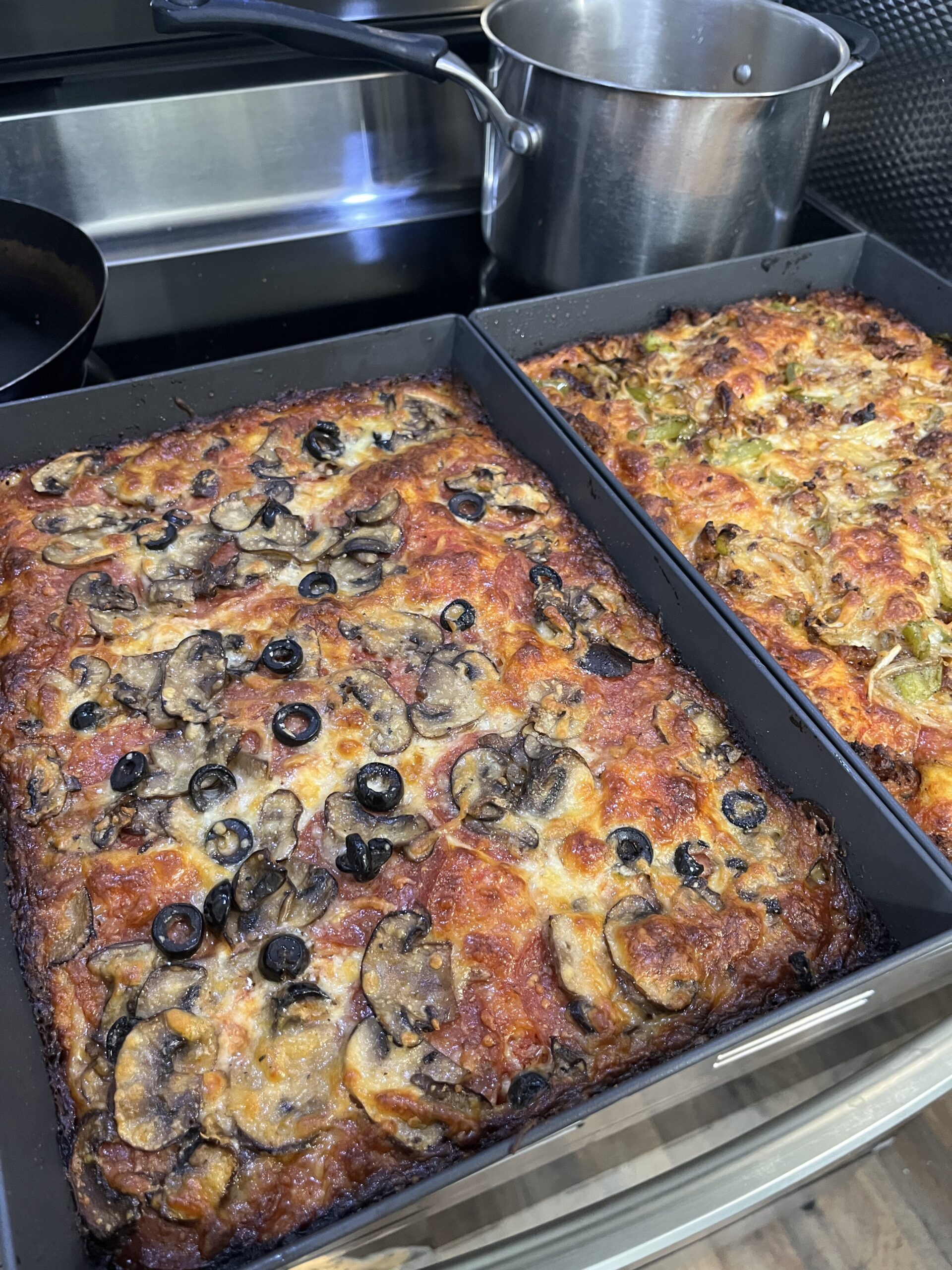
One of the most practical ways to improve homemade pizza is to stop asking a home oven to produce a style that depends on equipment it cannot imitate.
A standard home oven is well suited to:
- New York–inspired pizza
- tavern-style pizza
- Detroit-style pizza
- Sicilian pizza
- Chicago deep dish
- other pan pizzas
It is less suited to authentic Neapolitan pizza because that style depends so heavily on extreme heat and a very short bake.
You can still use a Neapolitan-inspired dough and make a good pizza. But the finished crust will be different because the baking environment is different.
That is not a failure of the recipe or the baker. It is simply the result of matching a dough to a different oven.
Continue Learning: Pizza & Bread Dough Fundamentals
If you're just getting started, these guides will help you build a strong foundation before moving on to more advanced techniques.
👉 How to Make Pizza Dough Ahead of Time (Refrigerate, Freeze or Par-Bake)
Build Better Pizza Dough
Pizza dough follows many of the same principles as bread dough. Learning how dough develops will improve both your bread and your pizza.
👉 How to Knead Dough Properly (And How to Know When It's Ready)
👉 Why Is My Dough Sticky? (And How to Fix It)
👉 Why Is My Dough Not Smooth or Elastic? (And How to Fix It)
Understand Fermentation
Fermentation affects flavor, texture, oven spring, and structure - whether you're making a loaf of bread or a pizza crust.
👉 Do You Really Need to Proof Yeast? (Instant vs. Active Dry Explained)
👉 How Long Should Bread Proof? (And How to Know When It's Ready)
Troubleshoot Your Dough
Many pizza problems begin long before the dough reaches the oven.
👉 Why Is My Bread Dense? (6 Common Causes and How to Fix Them)
👉 Can You Overknead Dough? (Why It's Less Common Than You Think)
Learn the Bread-Making Process
If you'd like to understand why dough behaves the way it does, this guide walks through each stage from mixing to baking.
FAQ
What is the best temperature for baking pizza at home?
For most stone- or steel-baked pizzas, use the highest stable temperature your oven allows, commonly 500-550°F.
Pan pizzas may bake better at 425–500°F, depending on their thickness, pan material, and toppings.
How long should I preheat a pizza stone or steel?
Preheat it for at least 45-60 minutes.
The oven air may reach the selected temperature much sooner, but the stone or steel needs additional time to store enough heat to brown the bottom effectively.
Should a pizza stone go on the top or bottom rack?
It depends on what the pizza needs.
A lower position generally strengthens bottom browning. A higher position brings the pizza closer to the top heating element or broiler, which can help the rim and toppings brown.
When using steel, placing it high in the oven often creates a useful balance between aggressive bottom heat and stronger overhead heat.
Can I make Neapolitan pizza in a standard home oven?
You can make a Neapolitan-inspired pizza, but a standard oven will not reproduce the exact crust created by an 800-900°F pizza oven.
The longer bake changes the crust's moisture, texture, and browning.
Is a pizza steel better than a stone?
Steel is not universally better. It simply transfers heat more aggressively.
It is particularly useful for thin pizzas that need strong bottom browning. A stone may be preferable when you want gentler heat or are concerned about burning the base.
Final Thoughts
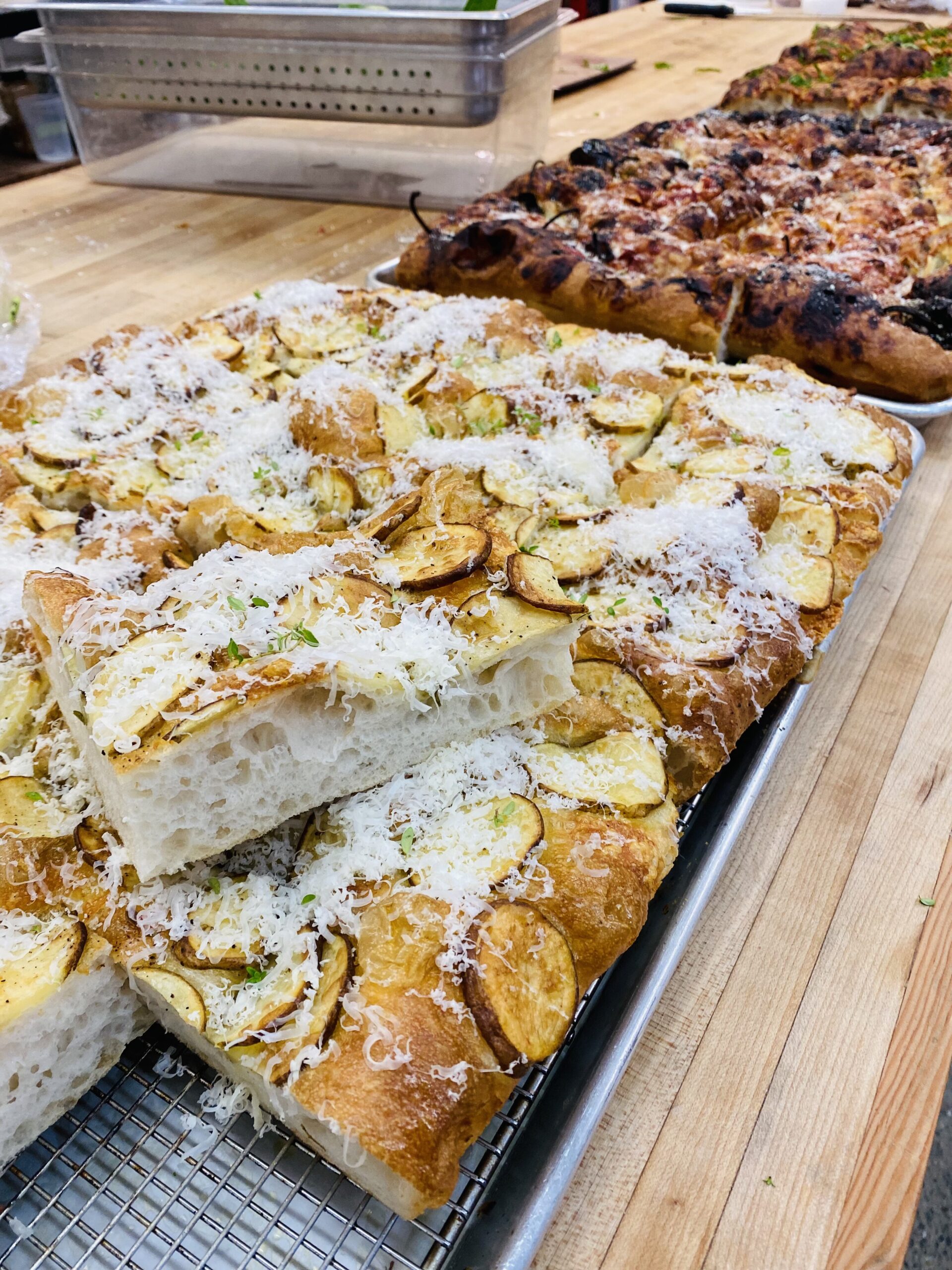
Pizza styles are not defined by dough formulas alone.
The oven, temperature, baking surface, and bake time are part of the formula too.
Neapolitan pizza requires extreme heat and a very short bake. New York-style pizza needs strong, steady bottom heat and enough time to develop a crisp but flexible crust. Pan pizzas rely on metal pans, oil, and longer baking times to cook thicker dough and create a crisp base.
Once you understand what each style needs from the oven, it becomes easier to choose the right equipment, adjust the method, and set realistic expectations for the result.
The goal is not always to force a home oven to behave like a commercial one. It is to use the heat you have as effectively as possible.
Pocket Baker Perspective
Before pizza making became so popular online - and before I became a more experienced baker - I spent years trying to make Neapolitan-style pizza in my home oven.
It was always too thick and too chewy, and it never had the light, crisp exterior and soft interior I remembered from pizza in Italy.
I tried different dough recipes. I purchased Italian flour. I used a pizza stone. I set the oven to broil. But no matter what I changed, I could never get particularly close to the result I wanted.
And I never would have - because my home oven could not reach the temperatures required to create that style of pizza.
When it comes to pizza, temperature matters. Bottom heat matters. Both matter more than many home bakers realize.
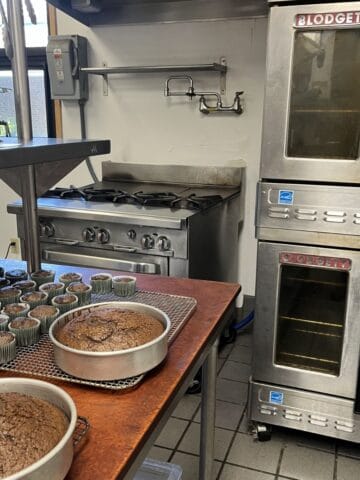
Later, while managing a bakery and testing New York-style pizzas in a commercial deck oven, I had a lightbulb moment. I already understood the importance of high heat and a hot hearth, but seeing how quickly and evenly the deck oven baked the crust made it clear how much had been missing from my home setup.
That became even more obvious after I purchased a gas-powered home pizza oven capable of reaching approximately 900°F and made my first successful Neapolitan-style pizza.
This does not mean you cannot make good pizza in a standard home oven. You absolutely can.
But unless you have a dedicated high-temperature pizza oven, I would avoid making authentic Neapolitan pizza the standard by which you judge your results. It can create a great deal of frustration over something your oven was never designed to do.
A home oven is much better suited to New York-inspired pizza, tavern-style pizza, Detroit-style pizza, Sicilian pizza, deep dish, and other pan pizzas.
Looking back, the dough was never the problem. I was asking my home oven to produce a style of pizza it simply wasn't designed to make. Once I understood how temperature, heat transfer, and baking time work together, choosing the right pizza style - and getting consistent results - became much easier.