






If you’ve ever followed a bread recipe, chances are you’ve seen this step:
Dissolve yeast in warm water. Wait for it to foam.
For many bakers, this feels like a required part of the process.
But in most cases, it isn’t.
And in professional kitchens, it’s rarely done at all.
If you’ve ever wondered whether skipping this step will affect your results, the answer is simpler than it seems.
Jump to:
- Quick Answer: Do You Really Need to Proof Yeast?
- Why Proofing Yeast Became Standard
- What’s Changed
- Instant vs Active Dry Yeast
- When You Should Still Proof Yeast
- Temperature and Time Matters More Than Proofing
- How Professional Bakers Approach Yeast
- What This Means in Practice
- Simple Yeast Conversions (When You Need Them)
- Can You Just Substitute Yeast 1:1?
- How This Connects to Troubleshooting
- Bread Making: Start Here
- Final Thoughts
- Pocket Baker Perspective
- Get the FREE Profitable Baker Pricing Calculator
Quick Answer: Do You Really Need to Proof Yeast?
In modern baking:
• Instant yeast can be added directly to dry ingredients - no proofing required
• Active dry yeast is traditionally dissolved first, but can often be used the same way
• Proofing yeast today is less about “activating” it - and more about confirming it’s still alive
👉 In most cases, yeast doesn’t need to be proofed
👉 It just needs to be properly hydrated and given the right conditions to work
Why Proofing Yeast Became Standard
Older baking instructions include proofing yeast for a reason.
Active dry yeast was once produced in larger, coarser granules that didn’t hydrate easily. Dissolving it in warm water ensured it would activate properly.
At the time, it was a necessary step.
What’s Changed
Modern active dry yeast is:
• more finely granulated
• more consistent
• easier to hydrate
Because of this, it can often be mixed directly into flour without issue.
Manufacturers still recommend dissolving it first - not because it won’t work otherwise, but because it reduces the risk of failure, especially for newer bakers.
Instant vs Active Dry Yeast
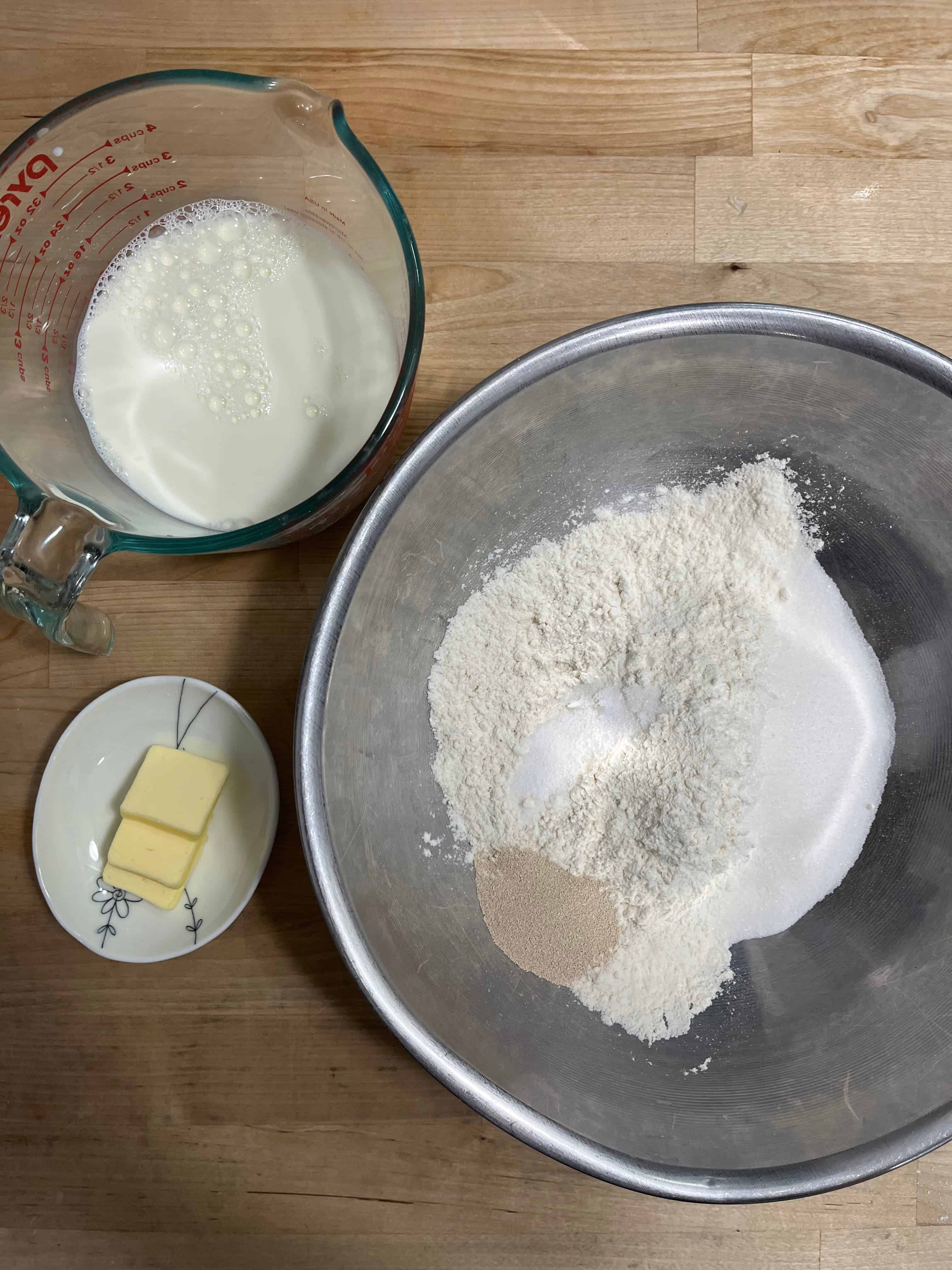
Understanding the difference between these two types helps clarify when proofing matters - and when it doesn’t.
Instant Yeast
• finer granules
• hydrates quickly
• designed to be added directly to dry ingredients
This is the yeast most commonly used in professional baking.
It simplifies the process and allows fermentation to begin more evenly.
Active Dry Yeast
• slightly larger granules
• traditionally dissolved before use
• still widely used in home baking
While manufacturers recommend proofing, many modern versions can be incorporated directly into the dough by first combining it with the flour - especially when given enough time to hydrate during mixing.
When You Should Still Proof Yeast
Even though it’s often unnecessary, proofing still has a purpose.
It’s useful:
• when the yeast is older
• when storage conditions are uncertain
• when troubleshooting fermentation issues
In these situations, proofing is simply a quick check before committing to the full process.
Temperature and Time Matters More Than Proofing
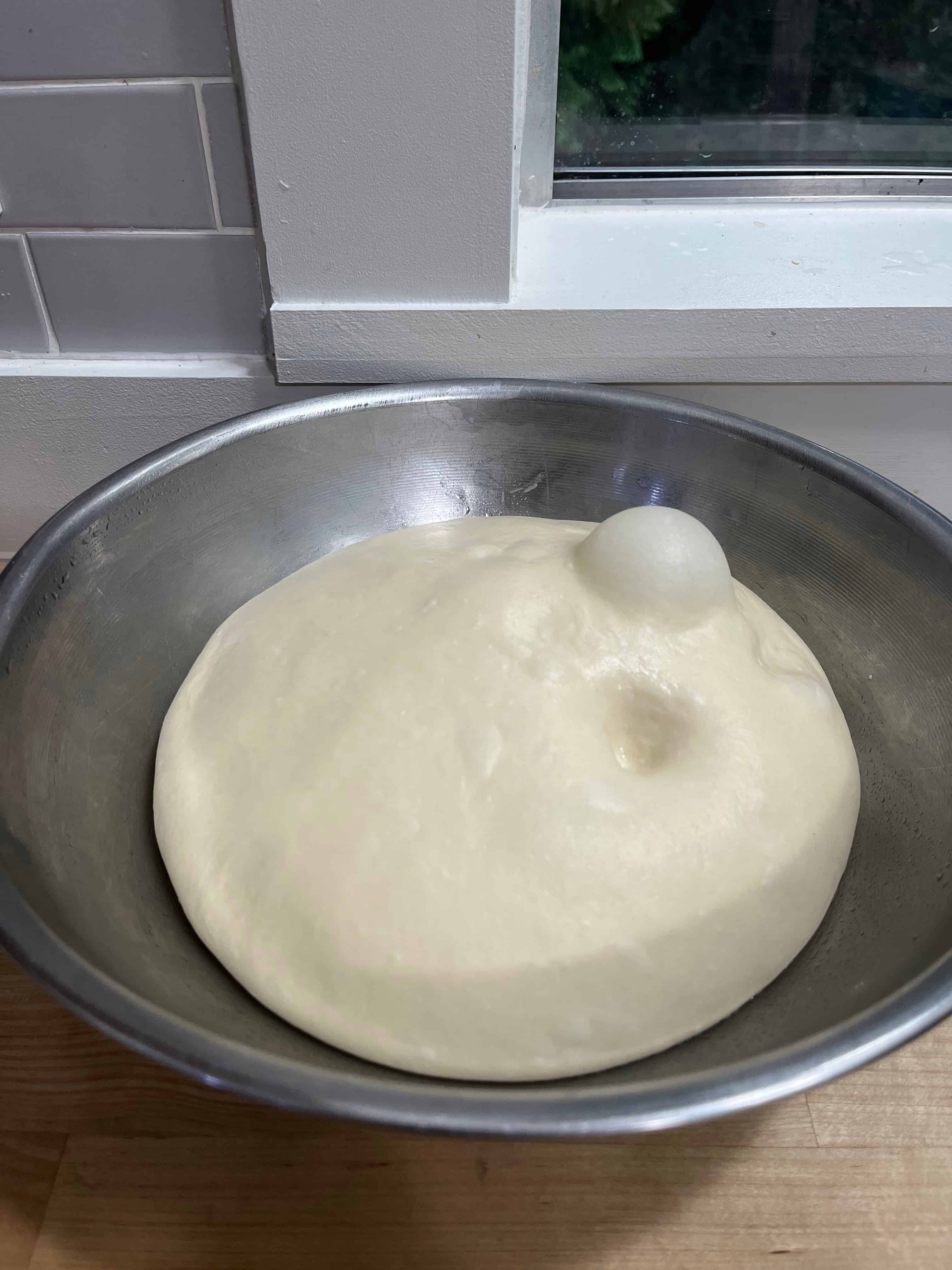
If there’s are factors that affect yeast more than anything else, it’s temperature and time.
• cooler temperatures → slower fermentation
• warmer temperatures → faster fermentation
For most doughs:
👉 70 - 85°F is a comfortable working range
At higher temperatures:
• ~120°F → yeast begins to weaken
• ~140°F → yeast dies
This is why temperature management is far more important than whether or not you proof yeast.
👉 For a deeper look at how fermentation works in practice:
→ How Long Should Bread Proof (And How to Know When It’s Ready)
How Professional Bakers Approach Yeast
In a professional kitchen, yeast isn’t treated as something that needs to be activated in a separate step.
It’s simply mixed with the flour before the dough is brought together.
From there, fermentation is controlled through:
• time
• temperature
• dough development
Because once yeast is hydrated, what matters most is how the process is managed - not how it was started.
This is the same idea behind the full bread process:
👉 A Guide to Bread Making - 12 Steps for the Home Baker
What This Means in Practice
If you’re baking regularly, you can simplify your process:
• use instant yeast when possible
• add yeast directly to dry ingredients
• focus on dough temperature and fermentation
If you’re using active dry yeast:
• follow manufacturer instructions for consistency
• or incorporate it directly if you understand how your dough behaves
Simple Yeast Conversions (When You Need Them)
Most home and cottage bakers won’t need to convert between yeast types often.
But if you do, here’s a simple guideline:
• Active Dry → Instant Dry: multiply by 0.75
• Instant Dry → Active Dry: divide by 0.75
For example:
10 g active dry yeast → about 7.5 g instant yeast
10 g instant yeast → about 13 g active dry yeast
That’s it.
👉 In most cases, small variations won’t significantly affect your dough.
(for reference, 1 packet of yeast = 7g)
Can You Just Substitute Yeast 1:1?
Yes - and many people do.
In most home baking, a 1:1 swap between instant and active dry yeast will still work.
But it’s not exact.
• Instant yeast is slightly more efficient
• Active dry yeast needs a bit more
👉 For best results, adjust slightly
👉 But if you don’t, your dough will usually still be fine - just expect small changes in timing
How This Connects to Troubleshooting
If your dough isn’t rising properly, the issue is rarely whether you proofed your yeast.
It’s more often:
• weak or old yeast
• poor temperature control
• underdeveloped dough
• incomplete fermentation
👉 Why Is My Bread Dense? (6 Common Causes and How to Fix Them)
👉 Why Your Cinnamon Rolls Fail (and How to Fix Them)
Bread Making: Start Here
If you're trying to become a more confident bread baker, it's helpful to understand how each stage of the process builds on the next.
Step 1: Understand the Bread-Making Process
Start by learning how bread comes together from beginning to end.
👉 Bread Making Explained: The 12 Steps That Matter
Step 2: Build Strong Dough
A well-developed dough is the foundation of good bread.
👉 Why Is My Dough Sticky? (And How to Fix It)
👉 Why Is My Dough Not Smooth or Elastic? (And How to Fix It)
👉 How to Knead Dough Properly (And How to Know When It's Ready)
Step 3: Master Fermentation & Proofing
Learn how yeast, time, and temperature affect your dough.
👉 Do You Really Need to Proof Yeast? (Instant vs Active Dry Explained)
👉 How to Proof Bread in the Oven (Without Overproofing It)
👉 How Long Should Bread Proof? (And How to Know When It's Ready)
Step 4: Troubleshoot Your Bread
If something doesn't turn out as expected, these guides can help.
👉 Why Is My Bread Dense? (6 Common Causes and How to Fix Them)
👉 Can You Overknead Dough? (Why It's Less Common Than You Think)
Step 5: Apply It to Specific Bakes
See how these same principles apply to enriched doughs and specialty breads.
👉 Troubleshooting Cinnamon Rolls (Fix Dense, Dry or Flat Rolls)
👉 Are All Cinnamon Roll Recipes Basically the Same? (Here's What Actually Matters)
Final Thoughts
Proofing yeast isn’t wrong.
But for most modern baking, it’s no longer essential.
That said, proofing still has its place.
If your dough has been sluggish - or you suspect your yeast may be old - proofing is a simple way to confirm that it’s still active before you begin.
Understanding when it matters - and when it doesn’t - allows you to simplify your process without sacrificing results.
Pocket Baker Perspective
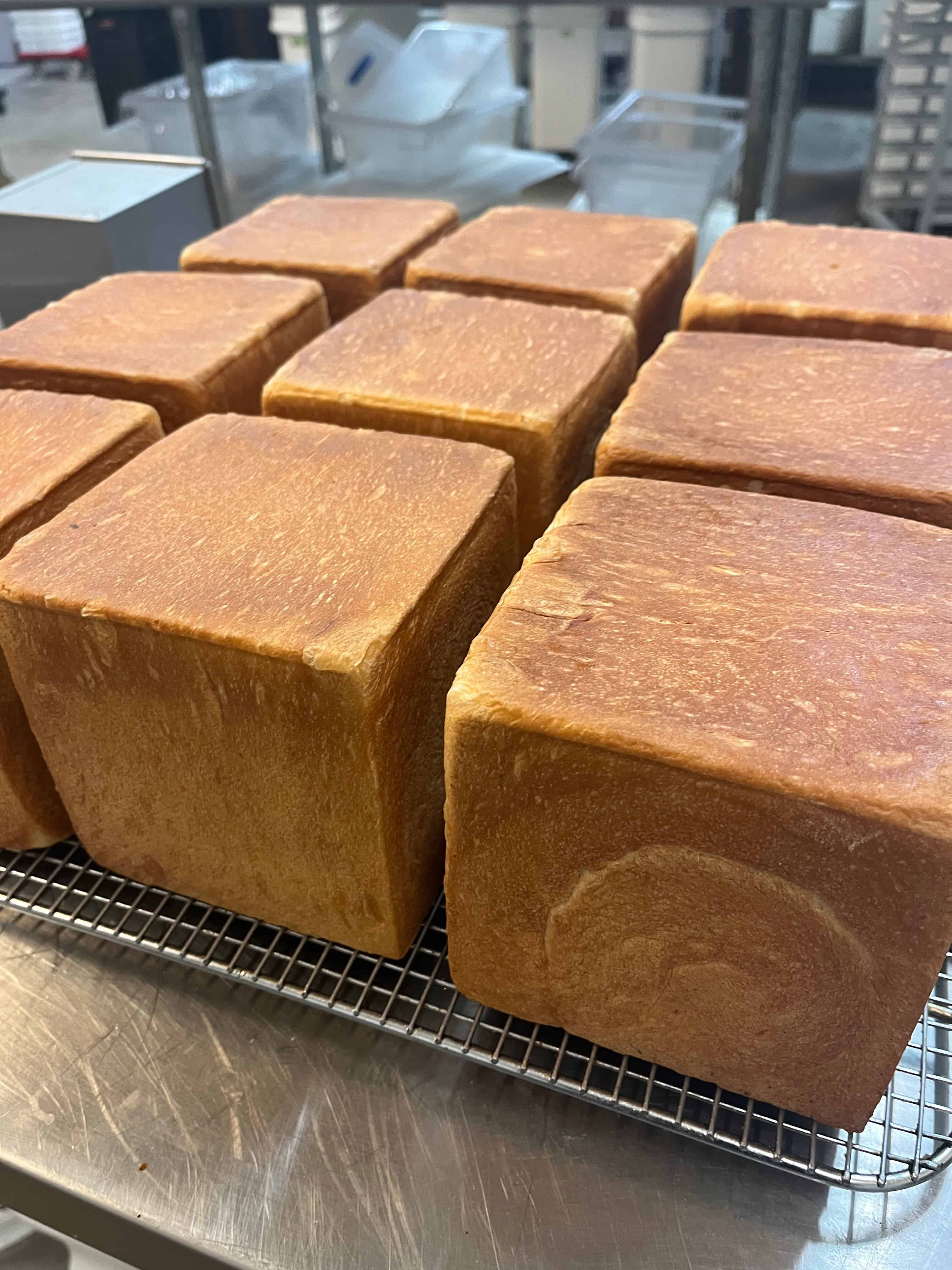
In professional kitchens, every step is considered.
Not just for accuracy - but for efficiency.
If a step doesn’t improve the outcome, it’s often simplified or removed.
Proofing yeast is one of those steps.
Small changes like this don’t seem significant on their own.
But over time, simplifying your workflow makes baking more consistent, more efficient, and easier to manage.