







Introduction
Freezing muffin batter is one of the most practical ways to manage production.
Instead of mixing batter each time you want to bake, you can prepare it in advance, portion it, and bake as needed.
This isn’t a workaround.
👉 It’s how many kitchens produce fresh muffins consistently without starting from scratch each day.
Jump to:
- Introduction
- Quick Answer: Can You Freeze Muffin Batter?
- Why Freezing Works
- How to Freeze Muffin Batter (Practical Method)
- How to Bake Muffins from Frozen Batter
- What to Expect When Baking from Frozen
- When You May Need to Adjust
- A Practical Production Approach
- Related Guides
- Final Thoughts
- Pocket Baker Perspective
- Get the FREE Profitable Baker Pricing Calculator
Quick Answer: Can You Freeze Muffin Batter?
Yes - you can freeze muffin batter.
👉 Most batters that include baking powder or a combination of baking powder and baking soda freeze well.
You may notice:
- slightly longer bake time
- minimal to no difference in texture
👉 When handled properly, frozen batter produces results very similar to fresh.
Why Freezing Works
Freezing slows down:
- leavening activity
- moisture movement
- structural changes
👉 The batter is essentially “paused” until it goes into the oven.
Once baked:
- leavening activates with heat
- structure sets as normal
👉 This is why frozen batter can still rise and bake properly.
👉 For short-term storage, see: Can You Refrigerate Muffin Batter
How to Freeze Muffin Batter (Practical Method)
A simple and effective approach:
1. Portion the Batter
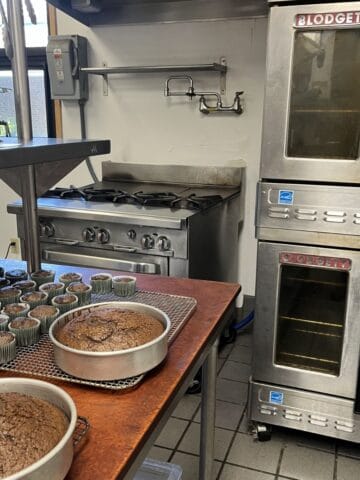
- line muffin tins with paper liners or parchment
- portion batter as you normally would
2. Freeze in the Tin
- place the filled tin directly in the freezer
- freeze until fully solid
3. Remove and Store
- remove frozen portions from the tin
- transfer to a container or freezer bag
👉 This allows you to reuse your tins immediately and store batter efficiently.
How to Bake Muffins from Frozen Batter
- thaw overnight in the refrigerator
- or leave at room temperature for about 1 hour
👉 This helps the batter bake more evenly and consistently.
What to Expect When Baking from Frozen
In most cases:
- texture remains consistent
- structure holds well
- rise is not significantly affected
When You May Need to Adjust
Some batters may require small adjustments:
Fruit-Based Muffins
- fresh or frozen fruit can release moisture
- centers may take longer to bake through
👉 Add a few extra minutes as needed.
Colder Batter
- colder batter = slower heat penetration
👉 Expect a slightly longer bake time overall.
A Practical Production Approach
This is how many bakers use this method:
Freeze for On-Demand Baking
- portion batter in advance
- freeze and store
- bake as needed
👉 This allows for fresh products without daily mixing.
This approach helps:
- reduce daily prep time
- maintain consistency across batches
- simplify production
Related Guides
👉 What Is the Creaming Method? (And Why It Affects Your Results)
👉 Can You Refrigerate Muffin Batter? (What Actually Happens)
👉 How Leavening Actually Works (Coming Soon)
Final Thoughts
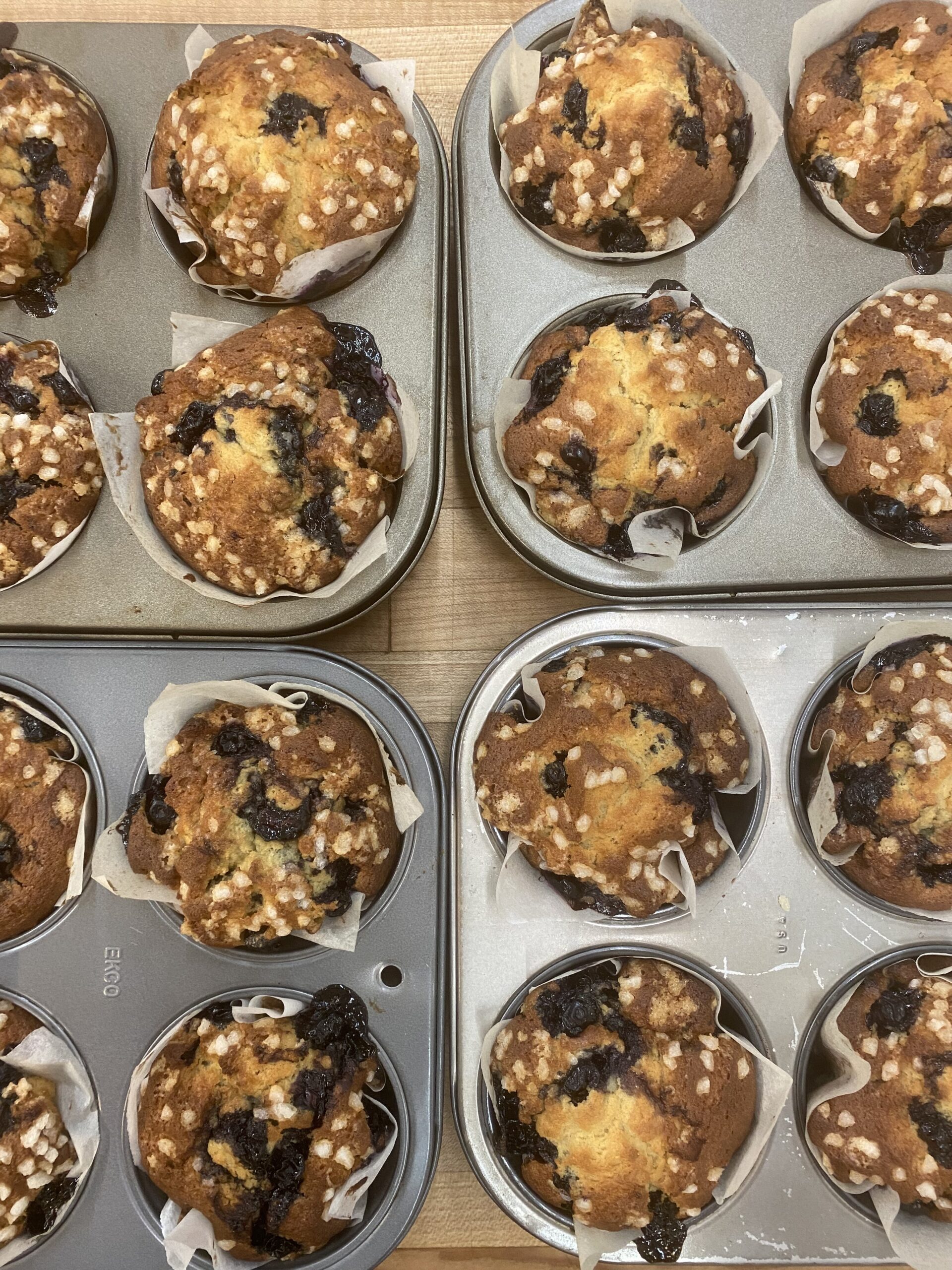
Freezing muffin batter isn’t just possible - it’s practical.
It allows you to:
- manage your time more efficiently
- maintain consistent results
- bake fresh products without repeating the same prep
👉 In most cases, the difference is minimal - but the convenience is significant.
Pocket Baker Perspective
In professional kitchens, batter is often prepared ahead, portioned, and stored.
Because it makes production more efficient and results more consistent.
👉 When you understand how batter behaves, you can use that to your advantage - rather than working around it.