








Introduction
If you can refrigerate muffin batter overnight (which you can), it’s natural to ask:
👉 Can you refrigerate cake batter the same way?
You’ll often see mixed answers - and there’s a reason for that.
Not all cake batters are built the same way.
Some can be held overnight with little to no impact.
Others need to go into the oven shortly after mixing.
In this guide, you’ll learn:
- which cake batters can be refrigerated
- which should be baked right away
- and what actually changes when batter sits
👉 Can You Refrigerate Muffin Batter? (What Actually Happens)
Quick Answer: Can You Refrigerate Cake Batter?
It depends on the cake.
👉 Cake batters that rely on baking powder or a combination of baking powder and baking soda for leavening can usually be refrigerated overnight without issue.
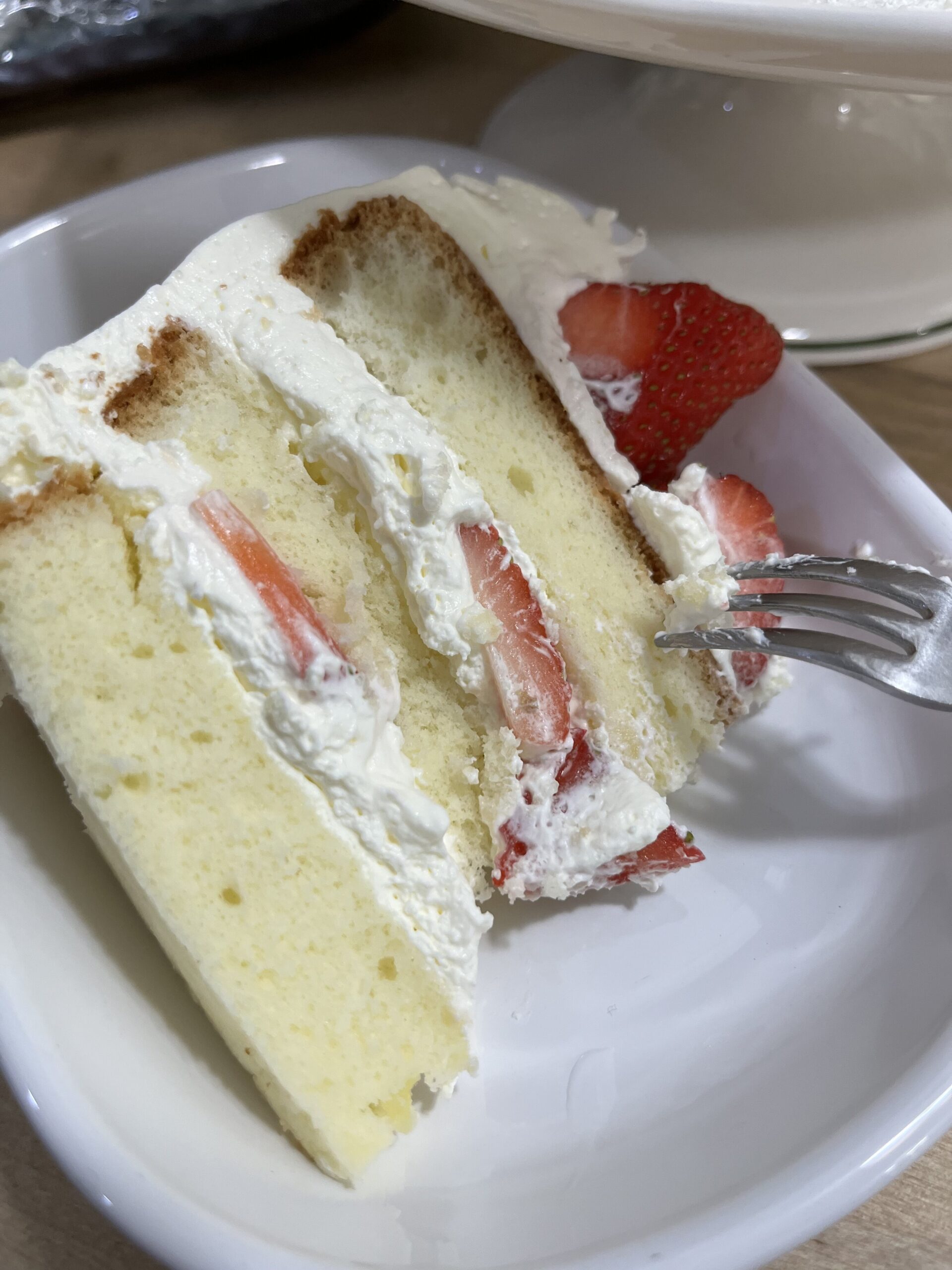
👉 Cake batters that rely on whipping eggs to incorporate air (like sponge, genoise, or chiffon) should be baked right away.
Why It Depends on the Cake
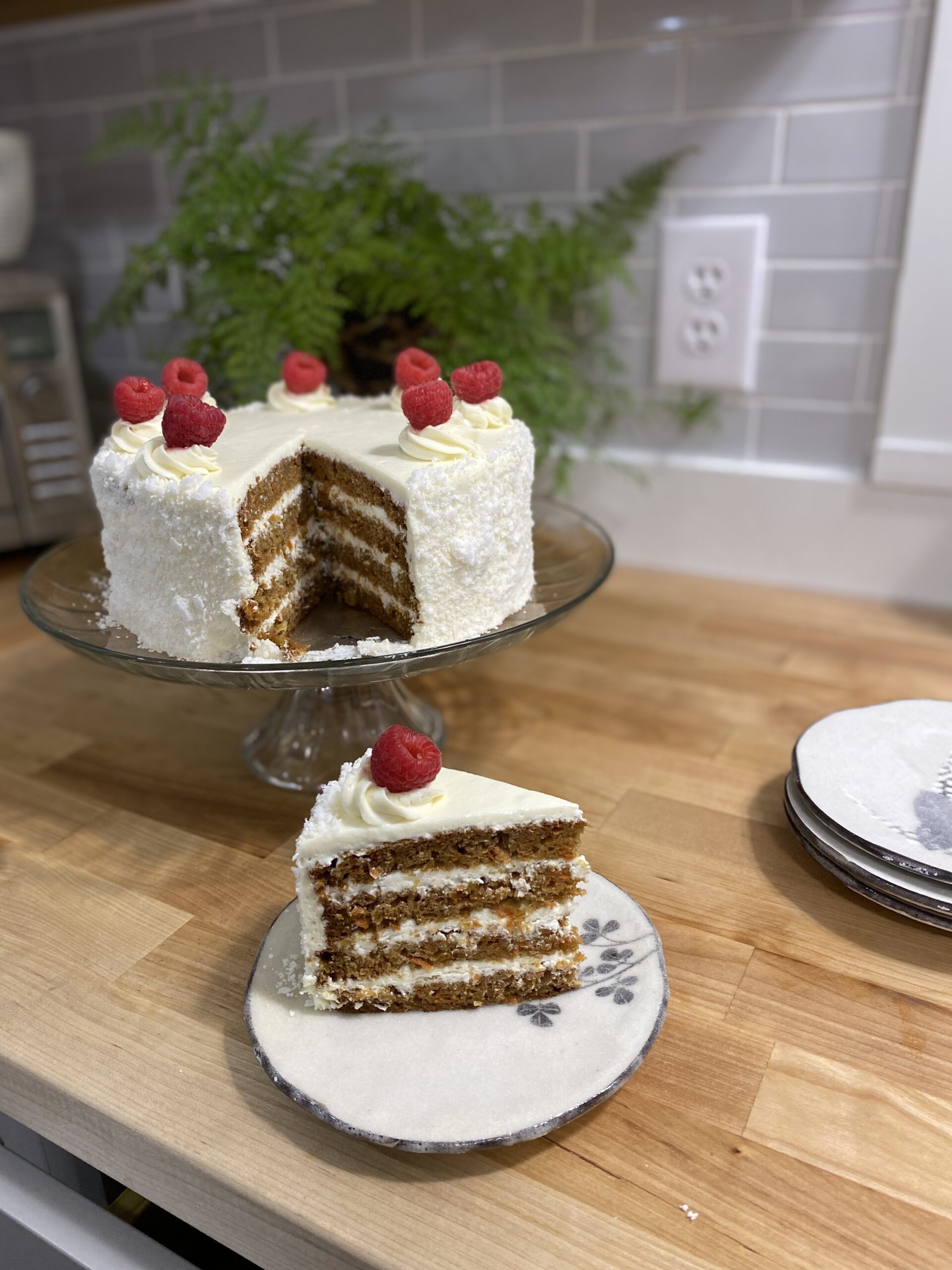
Cake batters fall into two general categories:
Chemically Leavened Cakes (More Flexible)
These use:
- baking powder
- baking soda
Examples:
- butter cakes
- oil-based cakes
- coffee cake
- carrot cake
- cakes high in fat and sugar
Mechanically Leavened Cakes (More Sensitive)
These rely on:
- whipped eggs or egg whites
- incorporated air
Examples:
- sponge cakes
- genoise
- chiffon
- jaconde
- lady fingers
👉 These batters depend on air for structure and should be baked immediately.
What Happens When Cake Batter Sits in the Fridge
For chemically leavened batters:
1. Hydration Improves
- flour absorbs liquid more fully
- batter becomes more cohesive
👉 This can lead to a finer, more even crumb.
2. Some Leavening Happens Early
- a small amount of gas is released
- total lift may shift slightly
👉 In most cases, this is not enough to affect the final result in a meaningful way.
3. Structure Still Sets in the Oven
- remaining leavening activates with heat
- the cake rises and sets as expected
👉 This is why refrigerated batter still works.
How Long Can You Refrigerate Cake Batter?
A practical guideline:
👉 up to overnight (8–12 hours) works well
Beyond that:
- the batter continues to change
- results may become less consistent
👉 For longer storage, freezing is the better option.
Why This Works in Practice
Chemically leavened cake batters don’t rely on a single moment of leavening.
When batter is refrigerated:
- the rate of reaction in baking powder and baking soda slows down
- some leavening may begin early, but not all of it is lost
During baking:
- double-acting baking powder continues to activate in the oven
- remaining leavening contributes to rise as the structure sets
👉 This is why rested batter can still produce consistent results.
A Practical Approach
For chemically leavened cakes:
Refrigerate Overnight
- mix batter ahead of time
- bake the next day
Freeze for Longer Storage
Cake batters made with double-acting baking powder or a combination of baking powder and baking soda can be frozen, but it is more common to freeze cakes after they’ve baked.
To freeze cake batter:
- portion into pans or molds
- freeze until ready to bake
👉 Thaw in the fridge overnight and bake as directed.
What About Finished Cakes? (Important Note)
In many professional kitchens, cakes are often:
👉 baked first, then frozen
This is especially common for:
- birthday cakes
- wedding cake layers
Freezing baked cakes:
- improves structure
- makes layers easier to cut and handle
- helps retain moisture
👉 It also allows for more efficient production and scheduling.
Related Guides
👉 Can You Refrigerate Muffin Batter? (What Actually Happens)
👉 Can You Freeze Muffin Batter? (And How to Bake from Frozen)
👉 What Is the Creaming Method? (And Why It Affects Your Results)
👉 When Leavening Happens (And Why Timing Matters More Than You Think)
Final Thoughts
Refrigerating cake batter isn’t a strict yes-or-no rule.
It depends on how the batter is built.
👉 If the batter uses baking powder or a combination of baking powder and baking soda, it can usually be refrigerated overnight without issue.
👉 If the batter relies on air for structure, it should be baked shortly after mixing.
And ultimately, the decision to refrigerate shouldn’t be based only on the type of cake you’re making but also on how it fits into your overall workflow.
Pocket Baker Perspective
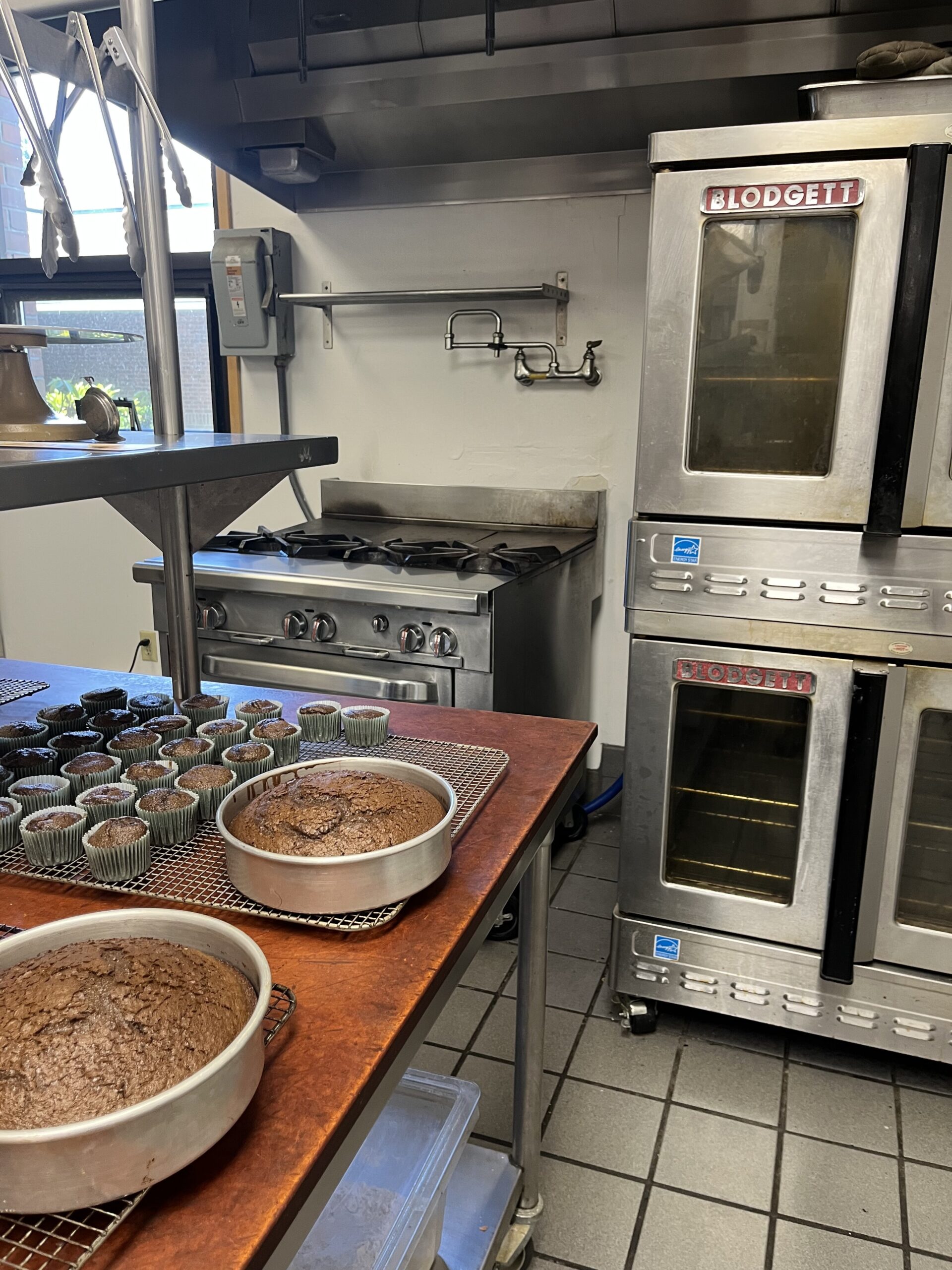
Although it’s possible to refrigerate chemically leavened cake batter, most professional kitchens choose to bake cake layers first, then wrap and freeze them.
👉 Refrigerating batter and freezing cakes aren’t workarounds - they’re ways to build a process that is consistent, efficient, and manageable.