








Introduction
Pizza doesn't have to be made in a day.
In fact, making pizza dough ahead of time is one of the easiest ways to improve both the quality of your pizza and the experience of making it.
Many professional pizzerias prepare dough days before it's baked.
Others might freeze dough until it's needed.
And for parties, catering, or high-volume production, partially baked crusts are often prepared ahead of time and finished to order.
The best make-ahead method depends on when you'll be using the dough and the style of pizza you're making.
Knowing which method to choose allows you to work ahead without sacrificing quality.
Jump to:
- Introduction
- Quick Answer: Can You Make Pizza Dough Ahead of Time?
- Why Make Pizza Dough Ahead?
- Option 1: Refrigerate Pizza Dough
- Option 2: Freeze Dough Balls
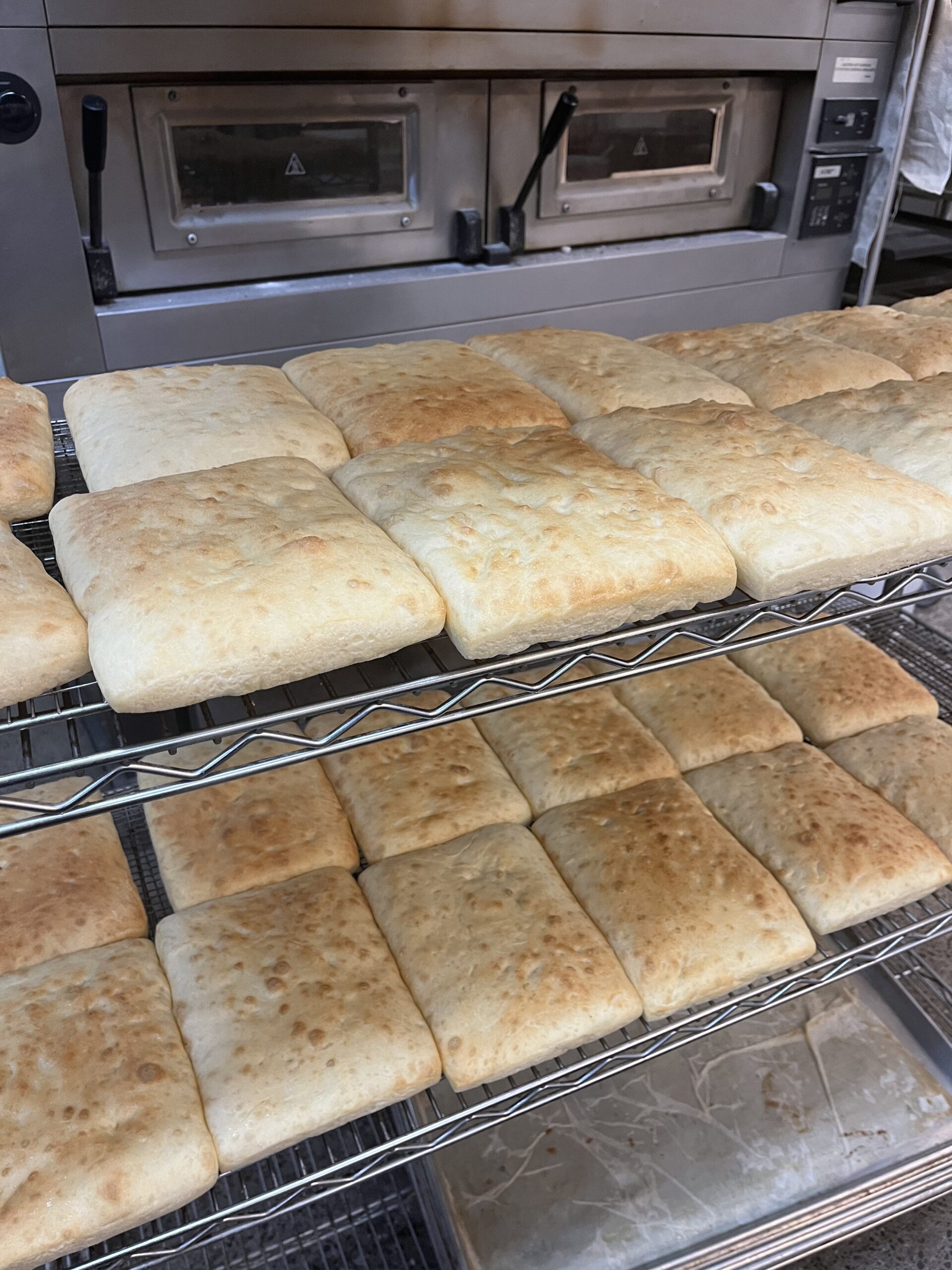
- Option 3: Par-Bake Pizza Crusts
- Why Par-Baking Works So Well for Detroit-Style Pizza
- Which Make-Ahead Method Should You Choose?
- How to Store Pizza Dough
- FAQ
- Related Guides
- Final Thoughts
- Pocket Baker Perspective
- Get the FREE Profitable Baker Pricing Calculator
Quick Answer: Can You Make Pizza Dough Ahead of Time?
👉 Yes. Pizza dough can be made ahead in several different ways.
Depending on your needs, you can:
- refrigerate dough balls for 3-5 days
- freeze shaped dough balls
- par-bake pizza crusts for quick assembly later
Each method has its own advantages.
👉 The best choice depends on when you'll be using the dough and the style of pizza you're making.
Why Make Pizza Dough Ahead?
Making pizza dough ahead offers more than convenience.
It can:
- improve flavor
- improve texture
- break up tasks
- reduce stress on pizza night
- make entertaining easier
Professional kitchens rarely make pizza from start to finish the same day it's served.
Instead, they spread the work over several days.
Time becomes part of the recipe.
Option 1: Refrigerate Pizza Dough
For most pizza styles, refrigeration is the best choice if you'll be using the dough within the next few days.
After mixing:
- divide the dough into portions
- shape into dough balls
- store in an airtight container or dough box
- refrigerate
👉 If the dough is sticky or tends to cling to the container, a very light coating of oil can make it easier to remove.
👉 A bowl scraper is also one of the easiest ways to release dough cleanly without tearing or deflating it.
Most pizza doughs can be refrigerated for 3-5 days.
The exact time can depend on the dough formula and yeast percentage, but a slow cold fermentation is widely used because it improves the finished pizza.
Cold fermentation often produces:
- better flavor
- improved extensibility
- a lighter texture
- better browning
Watch for Oxidation
Over time, dough may begin developing gray spots.
This is usually oxidation rather than spoilage.
Although the dough is often still usable, oxidation can affect both appearance and flavor.
👉 Keeping dough tightly covered helps reduce oxidation and prevents the surface from drying out.
Option 2: Freeze Dough Balls
If you won't be using the dough within a few days, freezing is an excellent option.
After shaping the dough into balls:
- lightly oil each dough ball
- place into freezer-safe bags or airtight containers
- freeze immediately
When ready to use:
- thaw overnight in the refrigerator
- allow the dough to finish proofing at room temperature until relaxed and easy to stretch
The exact time depends on your recipe and the temperature of the dough.
Freezing is ideal when:
- you've made extra dough
- you're meal prepping
- pizza night isn't until next weekend
Does Freezing Hurt Pizza Dough?
Yeast survives freezing surprisingly well.
While very long freezer storage can gradually reduce yeast activity, most home bakers won't notice any difference when the dough is properly wrapped and used within a month or two.
Option 3: Par-Bake Pizza Crusts
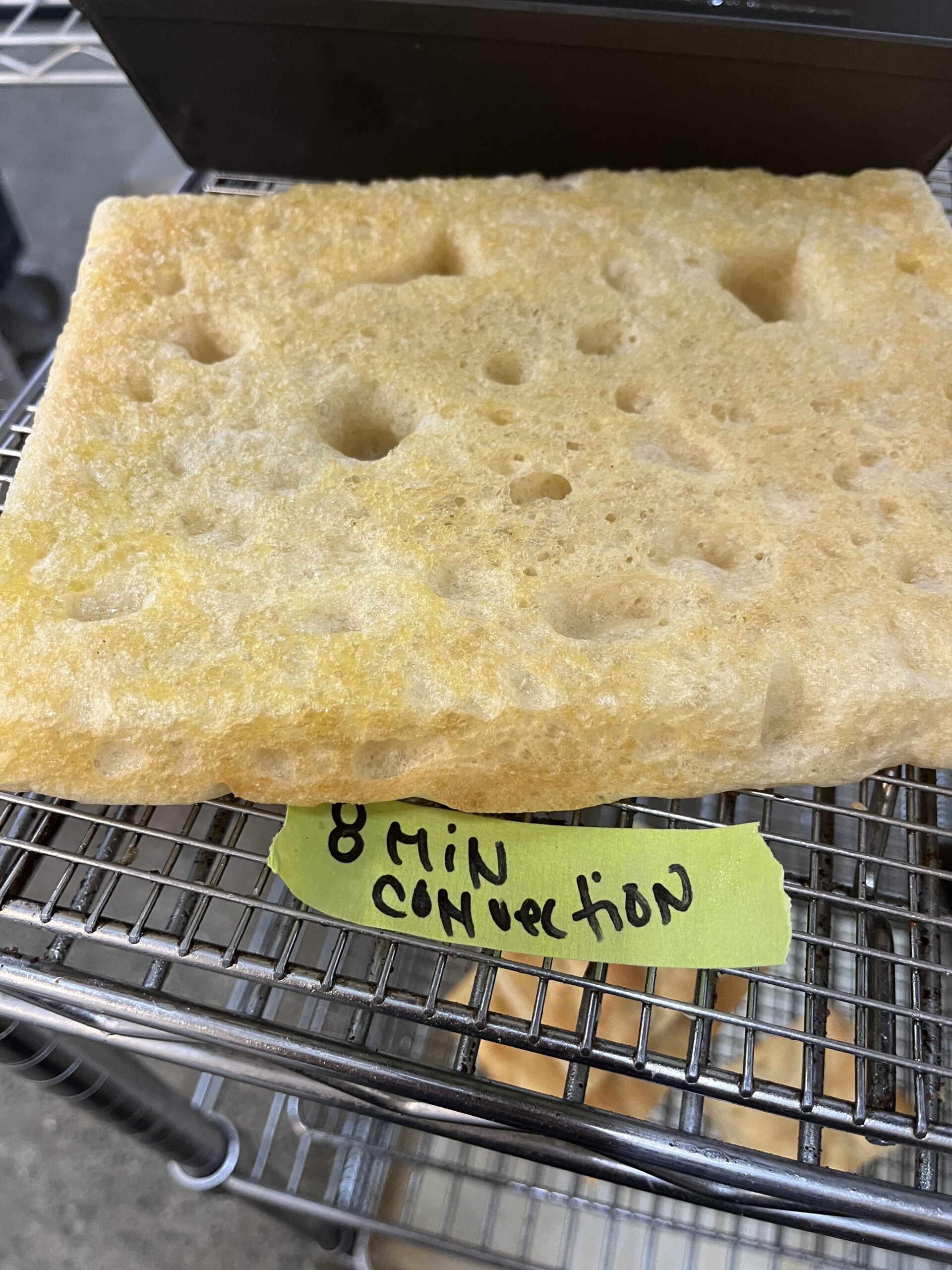
Par-baking is one of the most overlooked make-ahead methods.
Instead of storing raw dough:
- shape the crust
- bake without sauce or toppings
- bake until the crust is fully set but still pale in color
- cool completely
The crust can then be:
- used later the same day
- refrigerated
- frozen for longer storage
When you're ready to serve:
- thaw if frozen
- add sauce, cheese, and toppings
- finish baking until the crust is browned and the toppings are fully cooked
Depending on your oven, you may need to make small adjustments to baking time or temperature so the toppings and crust finish at the same time.
Why Par-Baking Works So Well for Detroit-Style Pizza
Detroit-style pizza is a little different.
Many Detroit-style formulas rely on a relatively short fermentation to produce their signature light, airy crumb.
Because of that, many pizzerias prefer to:
- proof the dough in the pan
- par-bake the crust
- cool and assemble during service
- cool and freeze for later
The pizzas can then be assembled and baked to order while maintaining excellent texture.
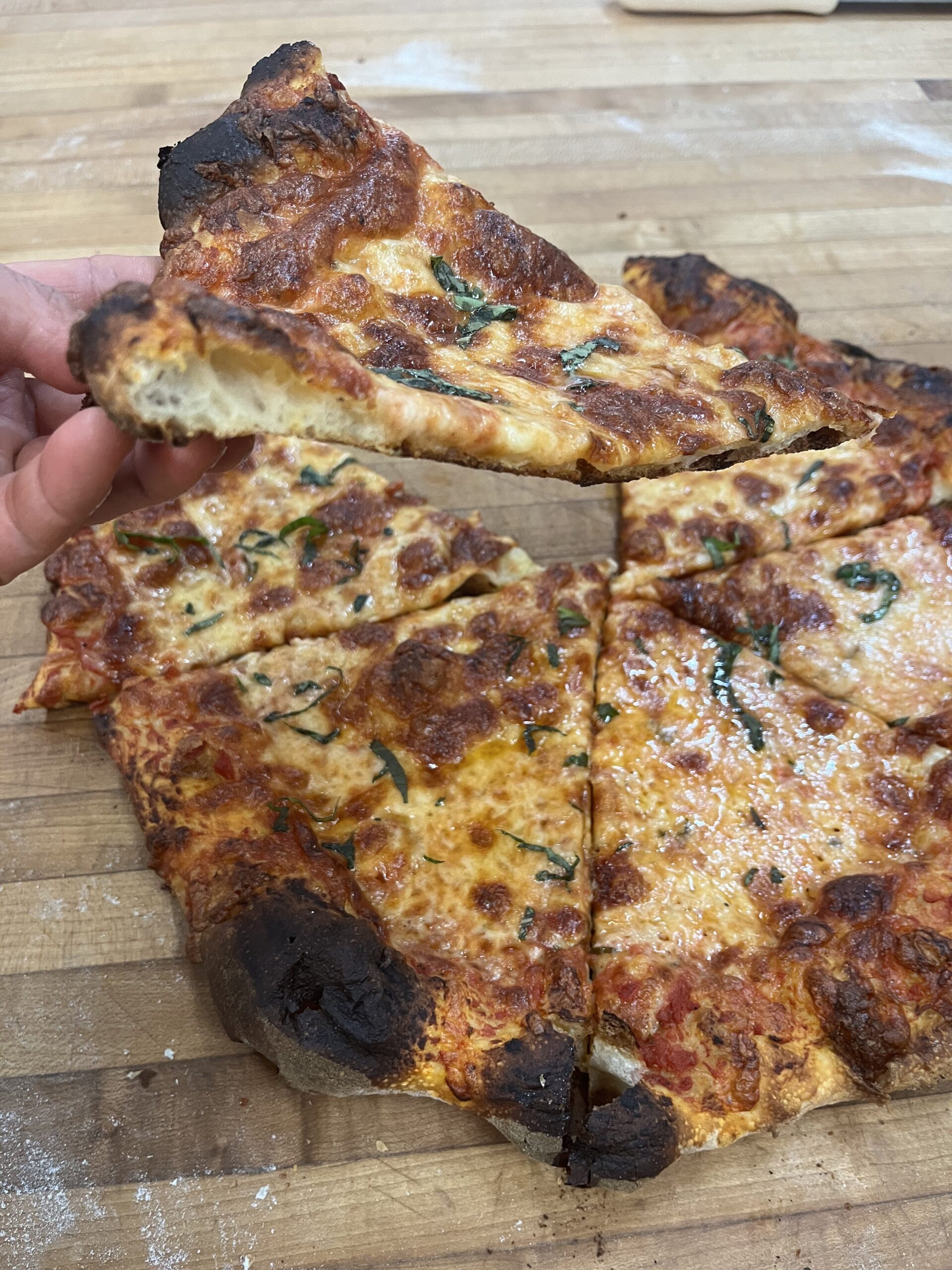
If you're making Detroit-style pizza ahead of time, par-baking is often the method I'd recommend.
Which Make-Ahead Method Should You Choose?
Making Pizza This Week?
👉 Refrigerate the dough.
Cold fermentation improves flavor while keeping the dough ready to use.
Making Pizza Next Weekend?
👉 Freeze dough balls.
They're easy to thaw and behave very similarly to fresh dough once they've warmed up.
Feeding a Crowd?
👉 Par-bake the crusts.
This is one of the easiest ways to serve homemade pizza at:
- birthday parties
- family gatherings
- school events
- game nights
Pizzas can be assembled and baked in just minutes.
Making Detroit-Style Pizza?
👉 Consider par-baking instead of long-term refrigeration.
It's one of the simplest ways to prepare ahead while preserving the dough's light, fluffy texture.
How to Store Pizza Dough
Refrigerated Dough
- divide into dough balls
- store in airtight containers
Proper storage prevents the dough from drying out.
Frozen Dough Balls
- lightly oil each dough ball
- wrap well or place into freezer bags
- freeze immediately after shaping
The better the dough is protected from air, the better the quality after thawing.
Par-Baked Crusts
- remove from the pan
- cool completely
- wrap each crust individually
- freeze
Individual wrapping makes it easy to remove only as many crusts as you need.
FAQ
Can I Refrigerate Pizza Dough After the First Rise?
Yes.
There isn't just one correct way to prepare pizza dough.
Some recipes call for dividing and refrigerating the dough immediately after mixing, while others begin with a bulk ferment before the dough is divided.
If your recipe includes a first rise, simply divide the dough into balls and refrigerate them afterwards.
👉 The dough will continue to ferment slowly in the refrigerator, often developing better flavor and texture along the way.
Can I Freeze Pizza Dough After the First Rise?
Yes.
Just like refrigeration, there isn't one correct time to freeze pizza dough.
Some recipes call for freezing the dough immediately after it's divided and shaped, while others include a bulk ferment first.
If your recipe calls for a first rise, simply divide the dough into portions, shape into dough balls, and freeze them afterwards.
👉 When you're ready to make pizza, thaw the dough overnight in the refrigerator, then allow it to sit at room temperature until it's relaxed and easy to handle.
How long can pizza dough stay in the freezer?
For the best quality, use frozen pizza dough within 1-2 months.
While it often remains safe to use longer, flavor, texture, and yeast activity gradually decline over time.
Is refrigerated or frozen pizza dough better?
If you'll use the dough within a few days, refrigeration is usually the better option because it continues developing flavor.
For longer storage, freezing works exceptionally well.
Related Guides
Workflow & Make-Ahead Baking
👉 Freezer-Friendly Workflow – The Professional Baker's Approach
👉 Why Does Baking Take Me So Long?
Bread & Dough Fundamentals
Final Thoughts
There isn't one "best" way to make pizza dough ahead.
The right method depends on when you'll be using it and what you're trying to accomplish.
Refrigeration develops flavor.
Freezing extends storage.
Par-baking creates convenience.
Understanding when to use each method allows you to work ahead without sacrificing quality.
Pocket Baker Perspective
One of my responsibilities as a pastry chef was overseeing pizza dough production for two very different restaurants within the same restaurant group.
The first was a busy Neapolitan pizzeria producing around 1,500 dough balls every week. They had a wood-fired oven, a walk-in cooler dedicated to pizza dough, and experienced pizzaiolos who knew how to handle fermented dough and bake beautiful pizzas.
For them, refrigerating dough balls was the obvious choice.
The second restaurant couldn't have been more different.
It was a small café with a varied menu, limited kitchen space, and a conveyor-style oven. The staff needed a pizza that could be assembled quickly, required very little handling, and worked well with the equipment they already had.
After a fair amount of testing, I developed a par-baked Detroit-style crust that could be frozen, dropped into a pan, topped, and finished to order.
The goal was to make it work for that kitchen.
That's one of the biggest lessons I've learned over the years.
Professional bakers choose the method that best supports their equipment, staff, workflow, and the type of product they're trying to produce.
That's why I don't think of refrigeration, freezing, and par-baking as competing methods.
They're simply different tools - each one useful in the right situation.