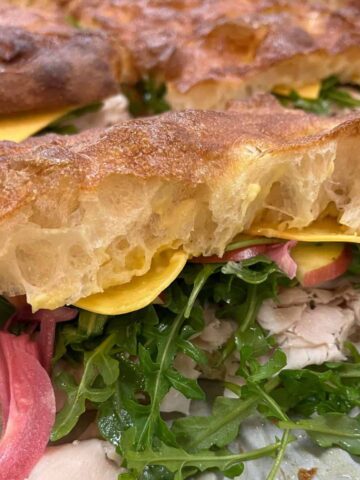










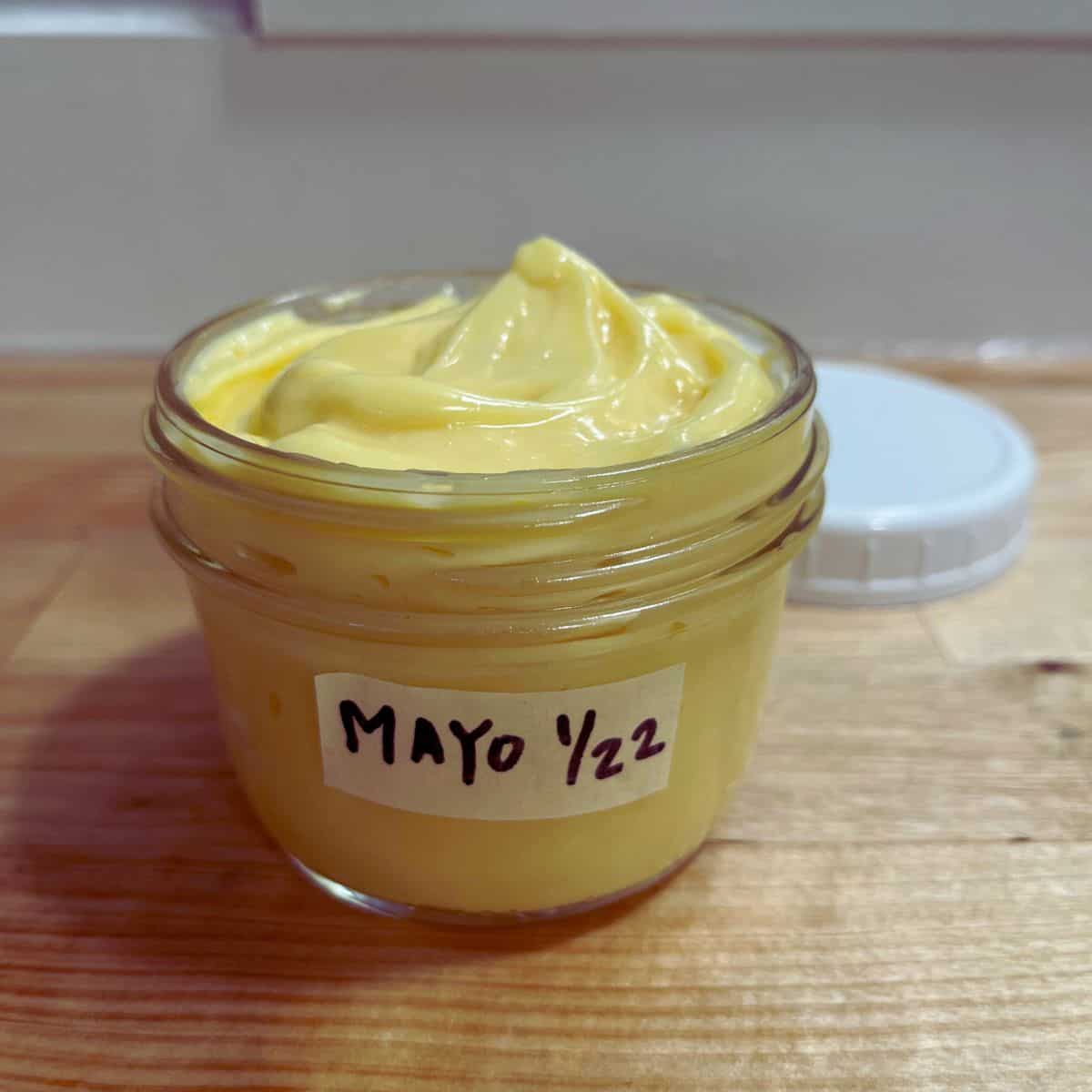
Made with simple ingredients commonly found in most kitchens, this homemade mayonnaise is thick, creamy, and comes together in less than five minutes. Not only that, the ratio is so easy to remember you won’t hesitate to whip up a batch. Spread it on freshly made focaccia for sandwiches, mix in a little sriracha for dipping fries, or add fresh dill, minced pickles, and a squeeze of lemon for a homemade tartar sauce.
Jump to:
Recipe overview
Mayonnaise is simply an emulsified sauce made of eggs, oil, and a liquid (typically lemon juice or vinegar). The lecithin in the egg yolk helps bind the oil and liquid, turning them into a smooth, creamy condiment. To add flavor, this recipe also incorporates a bit of mustard and salt.
- This recipe uses a KitchenAid mixer, but I also provide instructions on how to make mayonnaise by hand. For more suggestions, please see Equipment below.
- You can use lemon juice, lime juice, or different vinegars as the acid in this recipe.
- I prefer a neutral oil because of its clean taste, but olive oil or any other oil can also be used.
- There is always some risk when using raw eggs in homemade mayonnaise—but it's no different than eating your eggs cooked over-easy. If you're concerned, feel free to use pasteurized egg yolks.
- When stored in a container with a tight-fitting lid, homemade mayonnaise is good for a week in the fridge. If adding garlic, herbs or other fresh ingredients, use within two days.
Mise en place for Mayonnaise
Have ready in advance:
- KitchenAid mixer w/whisk attachment, or a bowl and whisk (if mixing by hand).
Ingredient Properties & Substitutions
Substituting ingredients in a recipe may affect the flavor and texture of the final product.
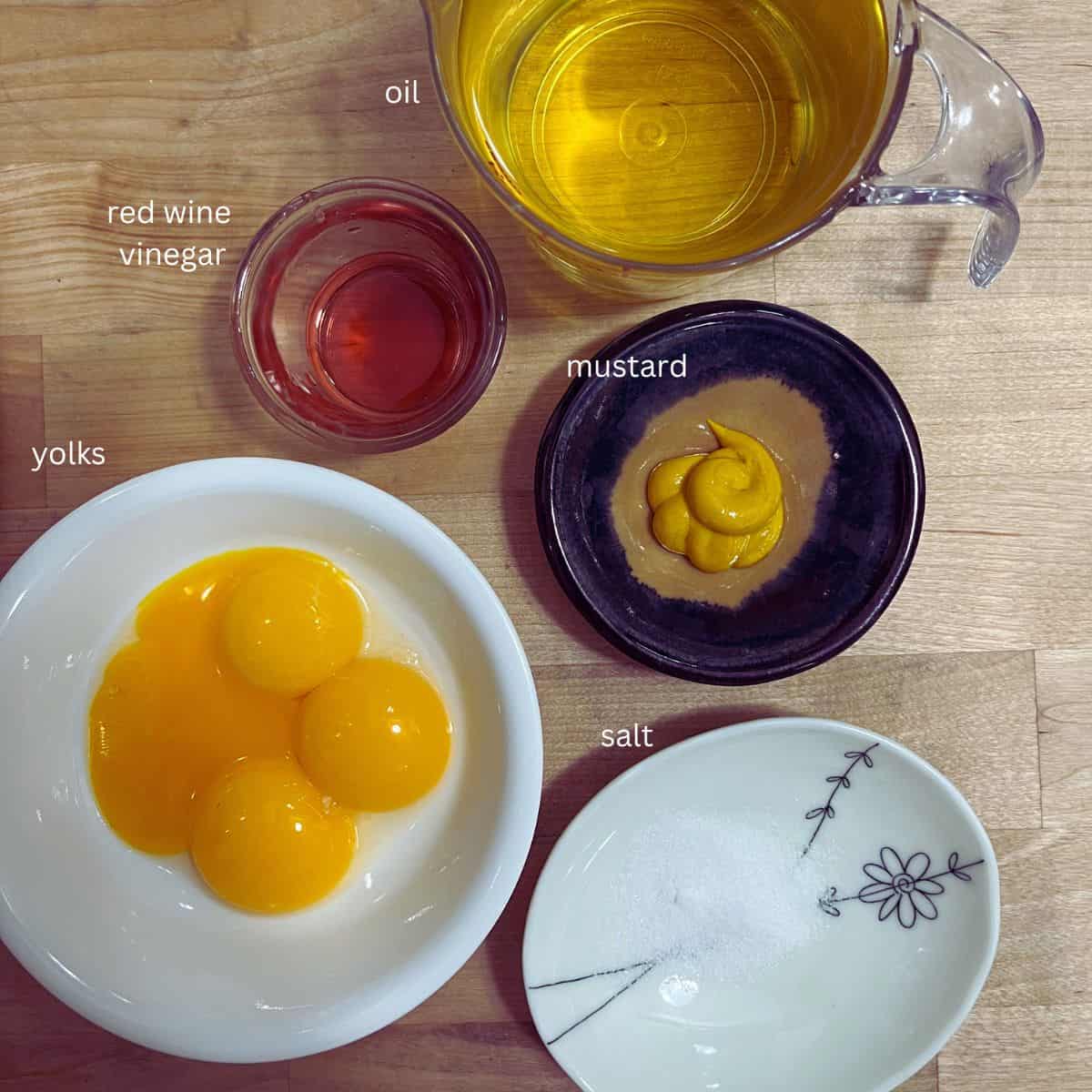
Yolk – No substitution for this recipe. The yolk is essential for creating the stabilized emulsion.
Oil – I prefer neutral-tasting oils like vegetable, canola, or avocado oil. You can use olive oil, but it tends to impart a slightly bitter flavor.
Red Wine Vinegar – You can use most citrus juices (lemon, lime) or other vinegars in this recipe. Avoid anything overly sweet or strongly flavored. For a milder, less tangy mayo, substitute some of the vinegar with water.
Mustard – In addition to adding flavor, mustard helps stabilize the emulsion. Any kind will work, but keep in mind that whole grain mustard will add texture to an otherwise smooth sauce.
Salt – For flavor. Add as little or as much as you'd like to suit your taste.
Sugar - There's no sugar in this recipe, but if you want to give it that store-bought, from-the-jar taste, add a pinch or two of sugar after the yolks are frothy, but before streaming in the oil .
Technique
The smooth, creamy texture of mayonnaise is created when tiny droplets of oil are suspended in a liquid (in this case, vinegar). Because oil and water don’t naturally mix, lecithin is needed to stabilize the emulsion—and that’s where the egg yolk comes in.
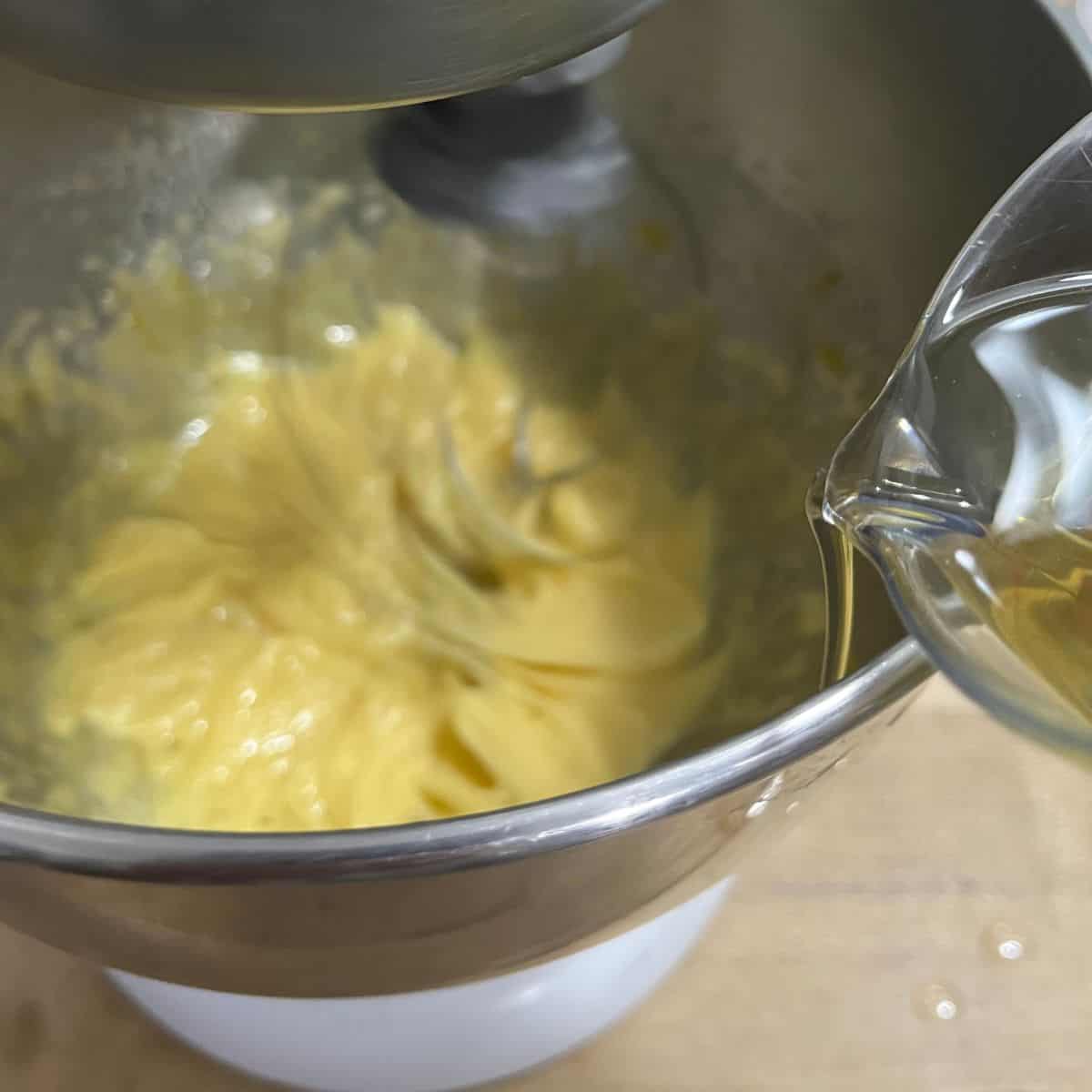
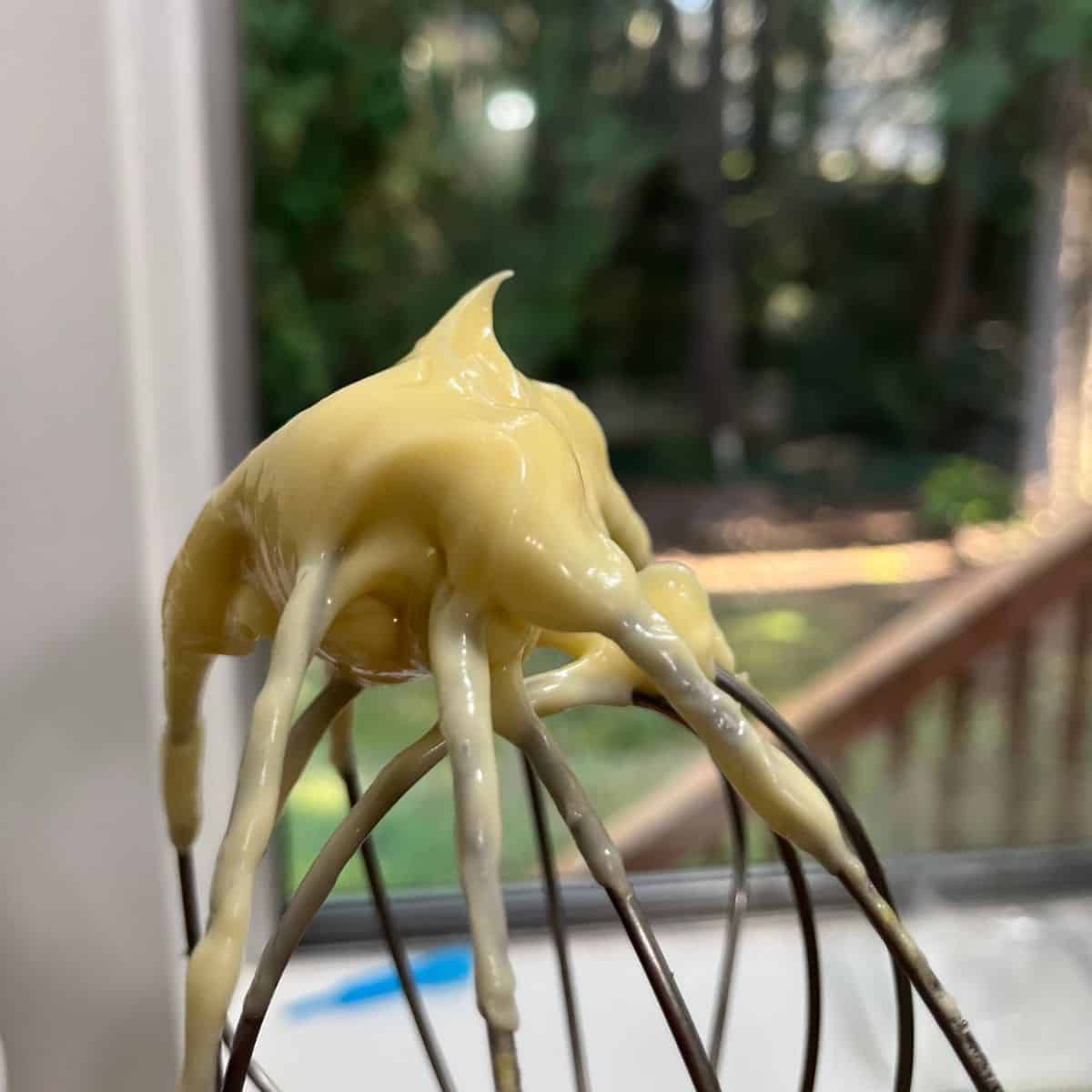
Baker's Assistant: How to fix a broken emulsion
If your mayonnaise looks greasy, overly shiny, soupy, or separated, chances are your emulsion has broken. To fix it, add a teaspoon of water to a clean bowl and, while whisking, slowly add the broken mayonnaise a little at a time until it's fully incorporated.
Equipment
I like to use a stand mixer, because I have one hanging out on the counter so it's the most convenient for me (it's also the easiest to clean). You can also make mayonnaise using the following tools:
- Food processor
- Immersion blender
- Whisk
- Blender
Baker's Assistant: Mayo Variations
In his book Ratio, Michael Ruhlman says that a basic mayonnaise recipe will last up to a week in the fridge if it's well wrapped (a tight-fitting lid on a jar should do the trick). I suggest making the base recipe below and seasoning it as needed throughout the week while preparing meals. You can use homemade mayonnaise just like store-bought: as a sandwich spread, to dip your fries, in creamy dressings, or for tuna or egg salads. Use seasoned mayonnaise within a day or two. Here are a few of my favorite variations:
- Tartar sauce – Add fresh dill, a squeeze of lemon, and finely chopped pickles (dill or sweet) or capers.
- Sriracha mayo – Simply add a squeeze of sriracha. For extra flavor, mix in a little sesame oil and finely chopped green onions.
- Garlic and fresh herb mayo – Finely chop garlic and your choice of fresh herbs.
- Chipotle mayo – Blend up a chipotle pepper, then add it to the mayo and mix.
- Garlic confit mayo – Place peeled garlic in an oven-safe dish, add enough olive oil to cover the garlic, cover with a lid or aluminum foil, and bake at 250°F until fork-tender. Remove the garlic from the oil and add it to the mayo. Use the leftover oil for your homemade focaccia.
Mayonnaise From Scratch
Equipment
- KitchenAid Mixer
Ingredients
Mix together
- 1 ea Egg Yolk
- 1 tablespoon Red Wine Vinegar
- ½ teaspoon Mustard
- ¼ teaspoon Salt
Slowly drizzle in
- 1 cup oil
Instructions
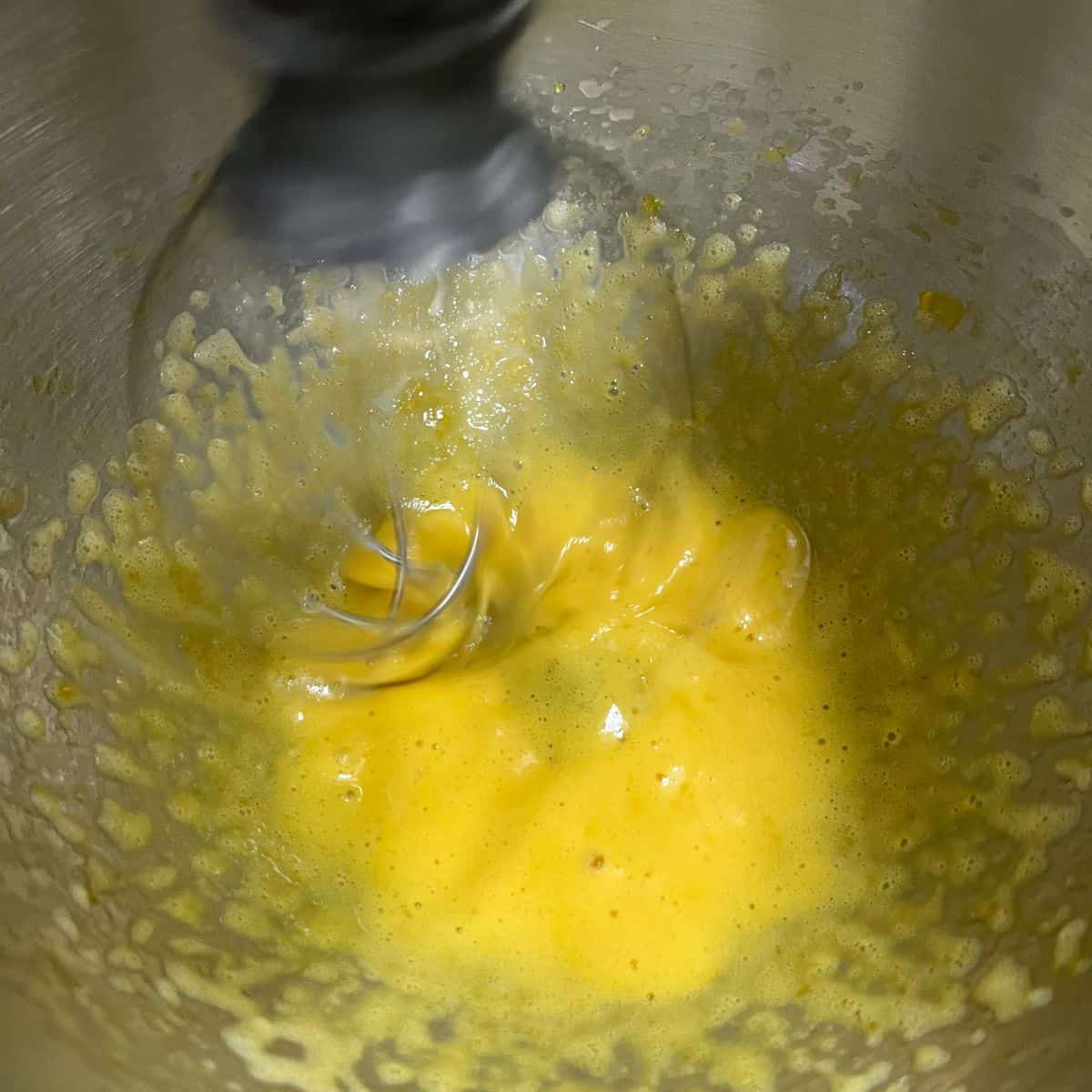
- Using a KitchenAid with the whip attachment, mix together the egg yolk, vinegar, mustard, and salt until frothy. Alternatively, to make mayo by hand, combine the ingredients in a bowl and whisk until frothy.
- With the mixer on medium-high speed (or by whisking vigorously), add a few drops of oil to the yolk mixture, then a few more drops. Continue to mix while adding the remaining oil in a thin stream. Once all the oil is incorporated, your mayonnaise should be thick, creamy, and ready to use.
Nutrition
Credit, sources, shout outs (& sometimes ramblings)
Very few recipes are true originals. Here is where I share my inspiration and cite my sources.
In just about every restaurant I’ve worked in, aioli contained yolks. As it turns out, that’s entirely wrong, and the aioli purists will come after you for misusing the term (apparently, aioli is just garlic and oil mashed together with a mortar and pestle). Worse yet, if you take mayonnaise from a jar, add garlic, and then call it aioli—God help you.
I’m all about preserving tradition and honoring culture. BUT… food globalization is a thing. Adaptation and change are a thing. And, sorry, but in some places, yolks in aioli are a thing.
Maybe we just name it mayoli, as one Redditor suggested, and call the whole thing off.
This homemade mayonnaise recipe was created using a ratio out of Michael Ruhlman’s book Ratio.
Baker's Assistant: Ratio for Mayonnaise
- 1 yolk
- 1 tablespoon liquid
- 1 cup oil
Why should you trust my recipes? You can read about me here.