Pocket Baker

  • Baking Fundamentals
  • Troubleshooting
  • Pricing & Systems
  • Workflow & Make-Ahead
  • Measurement & Consistency
menu icon
go to homepage
  • Baking Fundamentals
  • Troubleshooting
  • Pricing & Systems
  • Workflow & Make-Ahead
  • Measurement & Consistency

search icon
Homepage link
  • Baking Fundamentals
  • Troubleshooting
  • Pricing & Systems
  • Workflow & Make-Ahead
  • Measurement & Consistency

×
Home

Overnight Whole Wheat Banana Pancakes

Made with 100% whole grain wheat flour and bananas, these are the pancakes you'll feel good about eating any (or every) day of the week. I highly recommend resting the batter overnight, as it makes these fiber-rich pancakes extra soft. Plus, pre-made pancake batter makes hectic mornings so much easier! They're so good that my 10-year-old cleans her plate without hesitation, and I think you’ll love them too!

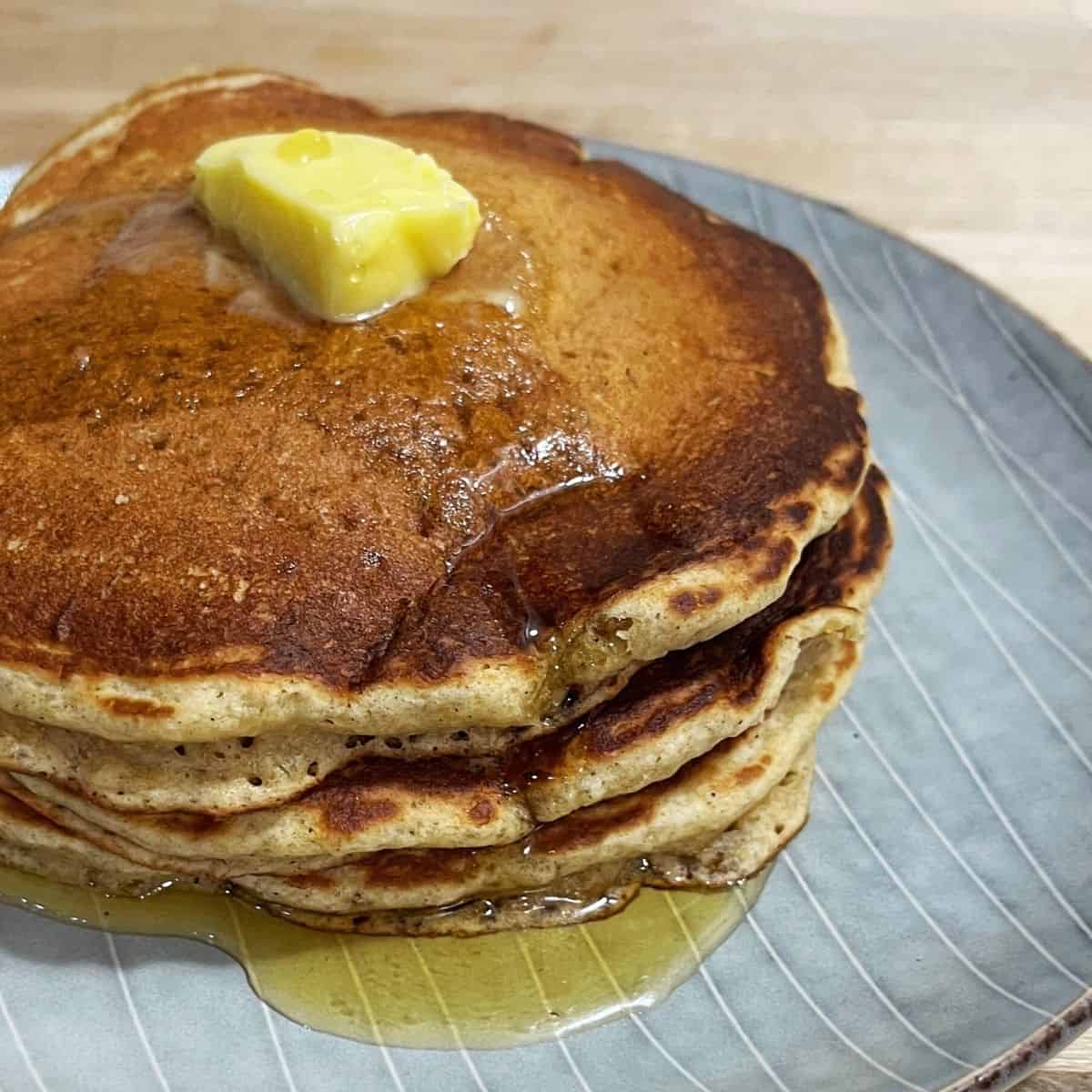
A stack of three whole wheat banana pancakes with a pat of butter and maple syrup.
[feast_advanced_jump_to]

Recipe overview

This recipe follows the general rules of pancake making—combine the wet and dry ingredients, and don’t over-mix. You can even substitute white flour for the whole wheat and still end up with a good stack of what I like to call "weekend pancakes."

But the goal here is to make pancakes that are more nutritious and fiber-rich while still maintaining that soft, tender texture that makes them such a joy to eat. So, how do we make that happen?

First, the secret ingredient—whole wheat pastry flour. It has a lower protein content than regular whole wheat flour, meaning it doesn’t form as much gluten, resulting in a more tender pancake. You can typically find it in the bulk section of your grocery store, or on Amazon.

Regular whole wheat flour, on the other hand, has a protein content similar to bread flour. So, just as you wouldn’t use bread flour to make pancakes, avoid using regular whole wheat flour in this recipe.

Next, it’s not critical, but it does make a noticeable difference: let the batter rest overnight. After mixing, store it in an airtight container and leave it in the fridge until morning. When you're ready to make pancakes, just pour the batter onto a hot griddle.

Resting the batter softens the bran and hydrates the flour (especially important for whole grain flours), resulting in a tender, moist, and flavorful crumb.

Bonus: When the alarm goes off in the morning, you can justify hitting the snooze button a few more times because your pancake batter is already ready to go.

Baker's Assistant: Resting doughs and batters overnight

There seems to be some confusion around resting batters and doughs in the fridge, but as someone who has worked in bakeries for years and developed many recipes, I can tell you: you can absolutely refrigerate (most) doughs and batters overnight, when the primary leavening agent is a chemical leavener. In fact, the result is almost always better when baked the next day. You can also freeze these batters and doughs with no negative effects.

Cake batters, such as genoise and angel food cake, that primarily depend on mechanical leavening need to be baked right away.

Next time you make chocolate chip cookies, try letting the dough rest for two or three days in the fridge and take note of the difference in flavor and texture.

Mise en place for Whole Wheat Banana Pancakes

Have ready in advance:

  • Melted butter, warm but not hot
  • Combine milk and vinegar to make "buttermilk"
  • Thaw bananas (if frozen)

Ingredient Properties & Substitutions

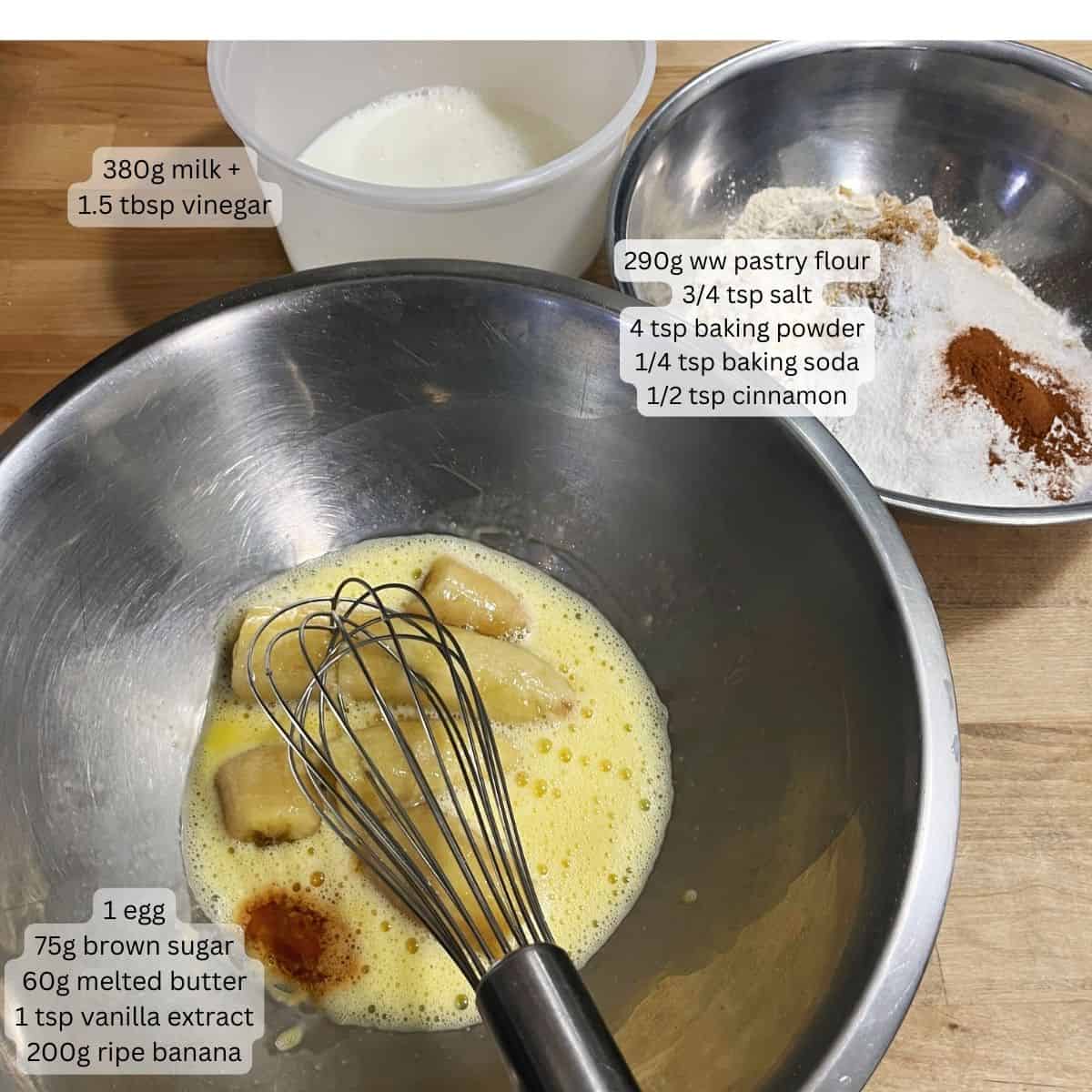
A bowl with a whisked egg, banana, vanilla and melted butter. A second bowl with whole wheat flour, brown sugar, cinnamon, baking power, baking soda and salt. A third container with milk + vinegar.

Substituting ingredients in a recipe can affect the flavor and texture of the final product. To ensure accuracy, I strongly recommend weighing your ingredients and following the recipe as written.

Here’s a breakdown of the key ingredients and how substitutions might work:

  • Whole Wheat Pastry Flour – Whole wheat pastry flour is low in protein, making for soft, tender pancakes. You can also use white pastry flour, all-purpose flour, or a blend of flours. If you only have regular whole wheat flour, I suggest blending it with all-purpose or pastry flour in a 50/50 ratio.
  • Brown Sugar – Brown sugar has a rich flavor that pairs well with bananas and the nuttiness of whole wheat flour. This recipe is a little on the sweeter side because I don't generally top my pancakes with maple syrup. You can decrease the amount of sugar, but I don’t recommend omitting it entirely. White sugar or honey can be substituted.
  • Baking Powder – Double-acting baking powder acts as a leavening agent and carbon dioxide is released when mixed with a liquid and again when heated.
  • Baking Soda – Baking soda acts as a leavening agent and carbon dioxide is released when mixed with an acid (like the vinegar or brown sugar in the recipe).
  • Salt – For flavor. You can decrease the salt by up to half if preferred.
  • Cinnamon – Cinnamon complements bananas and enhances the nuttiness of the whole wheat flour. Substitute or omit as desired.
  • Egg – Binds the ingredients together and adds richness and structure to the pancakes.
  • Vanilla – For flavor. Substitute or omit as desired.
  • Butter – Adds richness and flavor. You can brown the butter for an extra layer of flavor, or substitute with oil if needed.
  • Milk + Acid – I use whole milk + vinegar. You can also use lemon juice + milk, or just buttermilk. Baking soda reacts with the acid in the vinegar (or buttermilk) to produce carbon dioxide, so I don’t recommend using plain milk. Plant-based milk alternatives + lemon juice or vinegar should work fine as a substitute.
  • Bananas – The riper, the better. You can decrease the quantity or omit them entirely if desired.

Baker's Assistant: Freeze your brown bananas

I actively seek out discounted brown bananas. Overripe bananas are naturally sweeter, and using them in baked goods and smoothies allows me to reduce the total amount of added sugar. When I find them, I buy as many as will fit in my freezer because they’re perfect for pancakes, muffins, and smoothies.

I’ve found the best way to freeze them is to peel the bananas and lay them out on a sheet tray with parchment paper or plastic wrap underneath. Once the bananas are frozen, remove them from the tray, place them in a ziplock bag, and return them to the freezer. To use them in pancakes, thaw them first in the microwave for 30 seconds to 1 minute, or leave them on the counter for about an hour.

Method

For soft, delicate pancakes follow these three key points:

  • Don't over-mix
  • Use whole wheat pastry flour
  • Rest the batter overnight
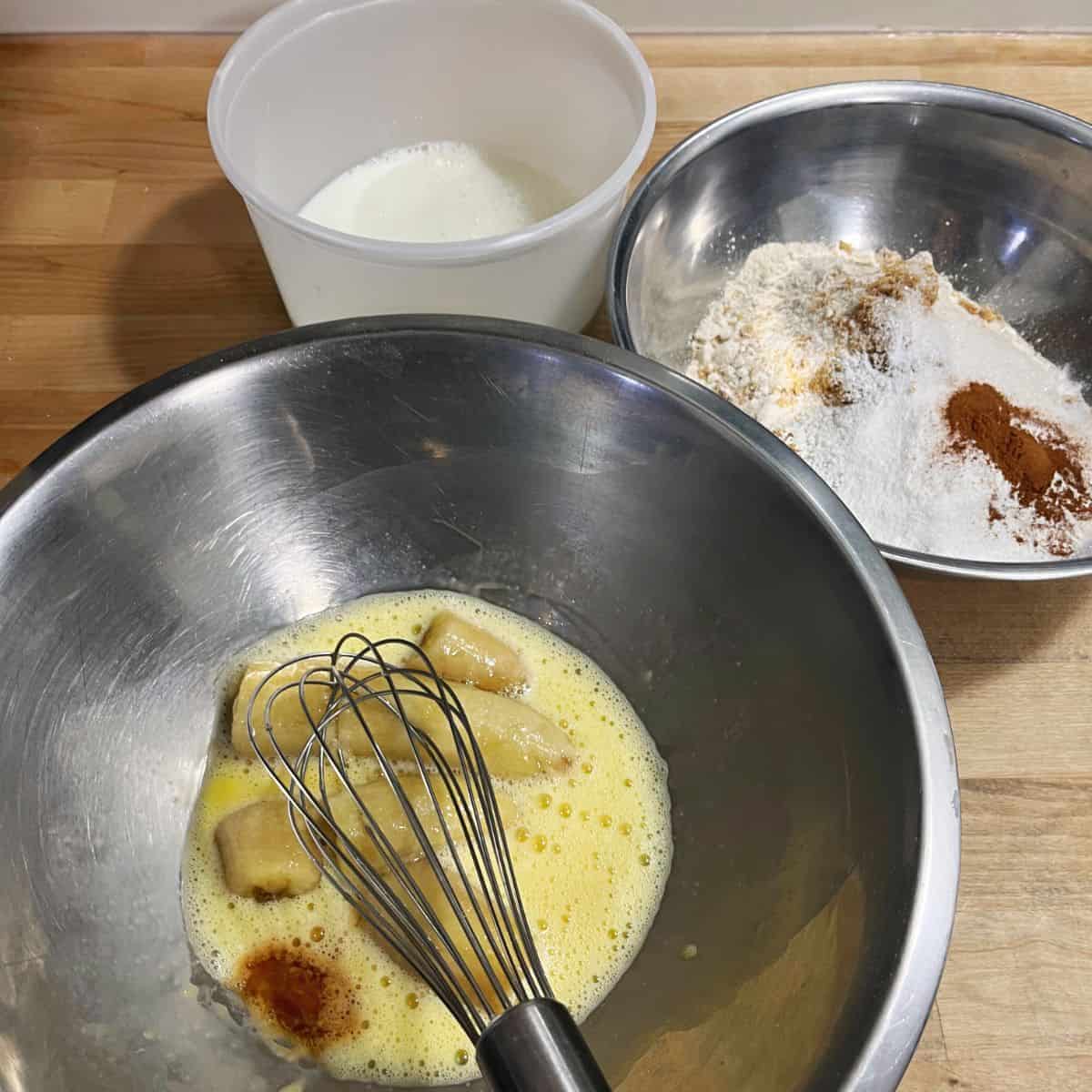
A bowl with a whisked egg, banana, vanilla and melted butter. A second bowl with whole wheat flour, brown sugar, cinnamon, baking power, baking soda and salt. A third container with milk + vinegar.
Combine wets ingreidents + bananas in one bowl and dry ingredients in another.
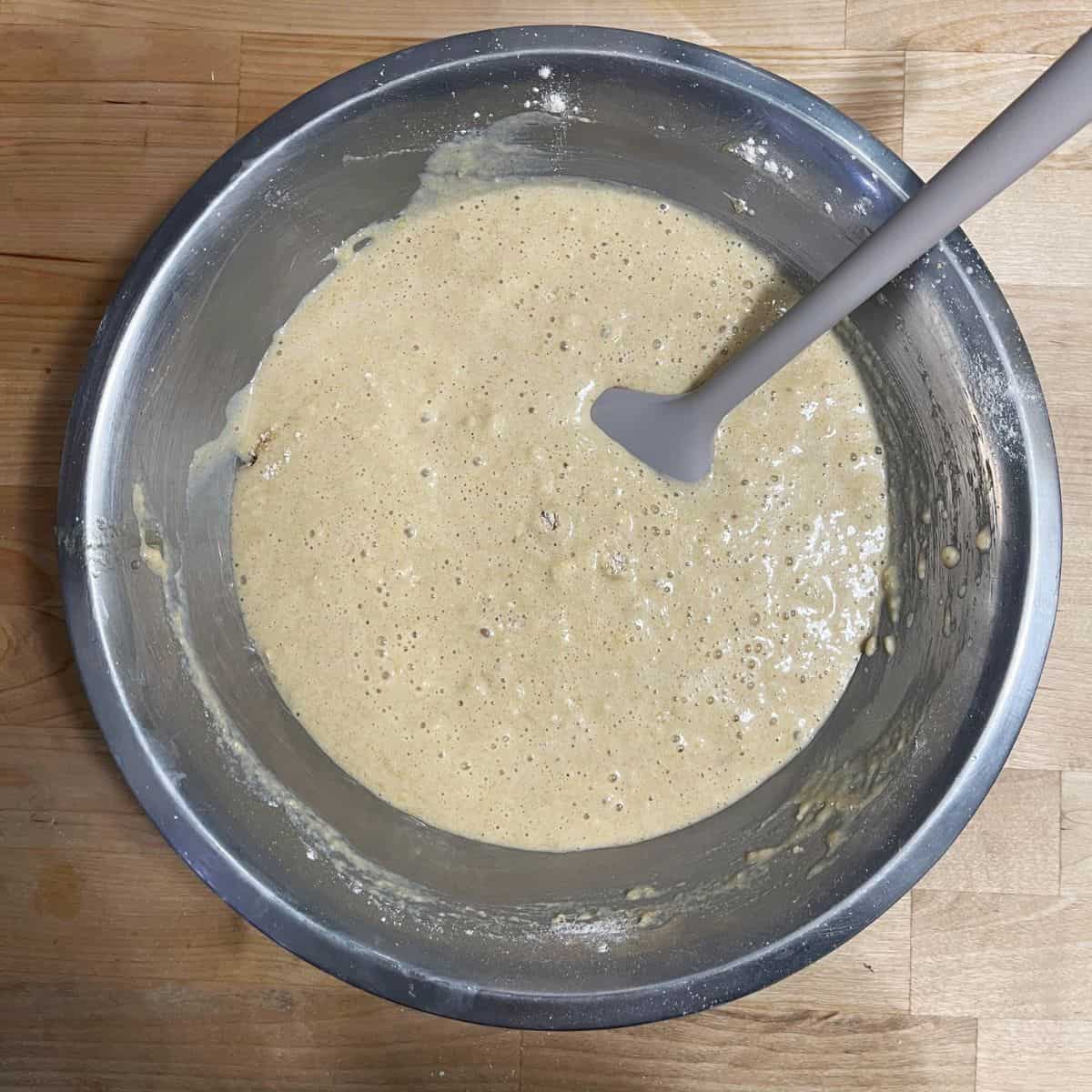
Well-mixed but slightly lumpy batter.
Fold the flour into the wet ingredients. Once combined, stop mixing. Batter will be lumpy. Refrigerate overnight for best results.
A pancake in a frying pan, just before flipping with noticeable bubbles.
Preheat griddle. Using a little oil and a paper towel, lightly grease the pan. Add a ladle of batter to the pan, and allow it to cook until the top starts to appear dry and air pockets form. Lift up the pancake slightly, if the color looks golden, flip it.
A golden-brown pancake after flipping in pan.
Leave the pancake undisturbed until the bottom becomes golden.

Baker's Assistant: Griddle Temperature

When it comes to pancakes, heating your pan to the right temperature is a bit of an art. You want the batter to set and firm up just as the bottom turns a nice golden color. If the temperature is too high, the bottom will burn before the pancake is ready to flip. If the temperature is too low, the pancake won't puff up as well, and it will lose moisture due to the longer cooking time.

For non-stick pans, I find these pancakes cook best at a medium heat (if you're looking at the temperature knob like an analog clock, think somewhere between 6 and 7 o'clock). In a cast iron skillet, medium-low heat seems to work best (around 7 to 9 o'clock).

To test if your pan is properly preheated, add a few of drops of water onto the surface. If the droplets skitter across the pan and quickly evaporate, the pan is too hot. If the water just sits there, looking like it’s about to boil, the pan is too cold. The right temperature will make a nice sizzle, and the water should evaporate within a couple of seconds.

A stack of three whole wheat banana pancakes with a pat of butter and maple syrup.  The pancakes have been cut into, showing the interior.  There's a fork on the plate.

Equipment

This recipe doesn't require any special equipment. You'll just need a scale, two bowls, a whisk and a frying pan (also, a spatula wouldn't hurt).

Baker's Assistant: Leftover Pancakes?

If you've seen it in the freezer section of the grocery store, then chances are you can freeze it—and yes, you can freeze pancakes too! Frozen pancakes are super convenient when you're running short on time in the morning. Simply pop one in the microwave, give it a swipe of Nutella, and you're good to go.

To freeze pancakes, lay them out on a sheet tray with a piece of parchment paper or plastic wrap underneath. Once the pancakes are frozen, remove them from the tray, place them in a ziplock bag, and toss them back in the freezer.

Overnight Whole Wheat Banana Pancakes

These 100% whole wheat banana pancakes are not only a delight to eat, but also a great source of fiber. Prepare the batter the night before, and be ready to enjoy moist, soft, and tender pancakes in the morning.
The equipment section lists only the specific 'specialty' items needed for this recipe. Additional bowls, spoons, cups, and spatulas may also be required. Please use a scale for the best results.
Print Recipe Pin Recipe Add to Collection Go to Collections
Prep Time 10 minutes mins
Cook Time 20 minutes mins
Total Time 25 minutes mins
Course Breakfast
Cuisine American
Servings 5 people
Calories 429 kcal

Equipment

  • 2 Medium-Sized Bowls
  • 1 Well-seasoned cast iron or non-stick frying Pan

Ingredients


Wet Ingredients

  • 380 g Whole Milk
  • 1½ tablespoon Vinegar
  • 1 ea Egg
  • 75 g Brown Sugar
  • 60 g Butter Melted, but not hot
  • 1 teaspoon Vanilla Extract
  • 200 g Ripe Banana, Mashed About 2 bananas

Dry Ingredients

  • 290 g Whole Wheat Pastry Flour
  • ¾ teaspoon Salt
  • 4 teaspoon Baking Powder Double acting
  • ¼ teaspoon Baking Soda
  • ½ teaspoon Cinnamon

For Cooking

  • 1 teaspoon Neutral Oil Canola, vegetable, avocado

Instructions
 

Make "buttermilk" and melt butter

  • Combine the milk and vinegar and set aside for 10 minutes to create your "buttermilk".
  • Melt butter and set aside to cool.

Combine wet ingredients

  • Whisk egg and brown sugar together.
  • Add mashed banana, vanilla, and melted butter. Mix well.
  • Add the "buttermilk" and whisk to combine

Combine dry ingredients

  • In a separate bowl, combine the flour, salt, baking powder, baking soda and cinnamon.

Pour dry into wet

  • Add the bowl of dry ingredients to the wet, all at once. Fold the flour into the wet ingredients, being careful not to over mix. Stop mixing when the flour is mostly incorporated. There will be lumps, and that’s perfectly fine.
  • Cover the bowl and store the batter in the fridge overnight.

Cooking pancakes the next day

  • The next day, remove the batter from the fridge. Do not stir.
  • Preheat a griddle or frying pan over medium-low heat. The pan is ready when you sprinkle a few drops of water on it and they sizzle gently.
  • Pour a small amount of oil onto the pan, wipe of excess with a paper towel.
  • Pour a ladle of batter onto the griddle or pan. Cook until bubbles form on the surface of the pancake and the bottom is golden brown. Flip the pancake and cook until the other side is golden and the pancake is cooked through.
  • Serve immediately with butter and maple syrup, or a swipe of Nutella and banana slices.

Nutrition

Serving: 2pancakesCalories: 429kcalCarbohydrates: 70gProtein: 11gFat: 14gSaturated Fat: 8gPolyunsaturated Fat: 1gMonounsaturated Fat: 3gTrans Fat: 0.4gCholesterol: 36mgSodium: 856mgPotassium: 497mgFiber: 7gSugar: 24gVitamin A: 459IUVitamin C: 3mgCalcium: 324mgIron: 3mg
Keyword 100% whole wheat, banana, breakfast, overnight, pancakes, whole grain, whole wheat
Tried this recipe?Let us know how it was!

Credit, sources, shout outs (& sometimes ramblings)

Very few recipes are true originals. Here is where I share my inspiration and cite my sources.

The best pancake recipe I’ve tried so far is Café Delites Best Fluffy Pancakes. Apparently, everyone else loves it too, since it’s one of the highest-rated pancake recipes on Google. I’ve been making different variations of it for years, tweaking it to suit my own tastes, and this recipe for whole wheat banana pancakes is now my go-to for everyday breakfasts. If you’re looking for a solid non-whole wheat pancake recipe, be sure to check hers out.

This pancake recipe was inspired by Cafe Delites Best Fluffy Pancake Recipe.

Why should you trust my recipes? You can read about me here.

Same Day Focaccia by Hand (no mixer)

From start to finish, this focaccia takes about three hours to make (mostly just waiting time), requires no mixer, and can be baked in just about any pan. Have fresh focaccia on the dinner table tonight—just don’t forget to set out a dish of olive oil and balsamic vinegar for dipping!

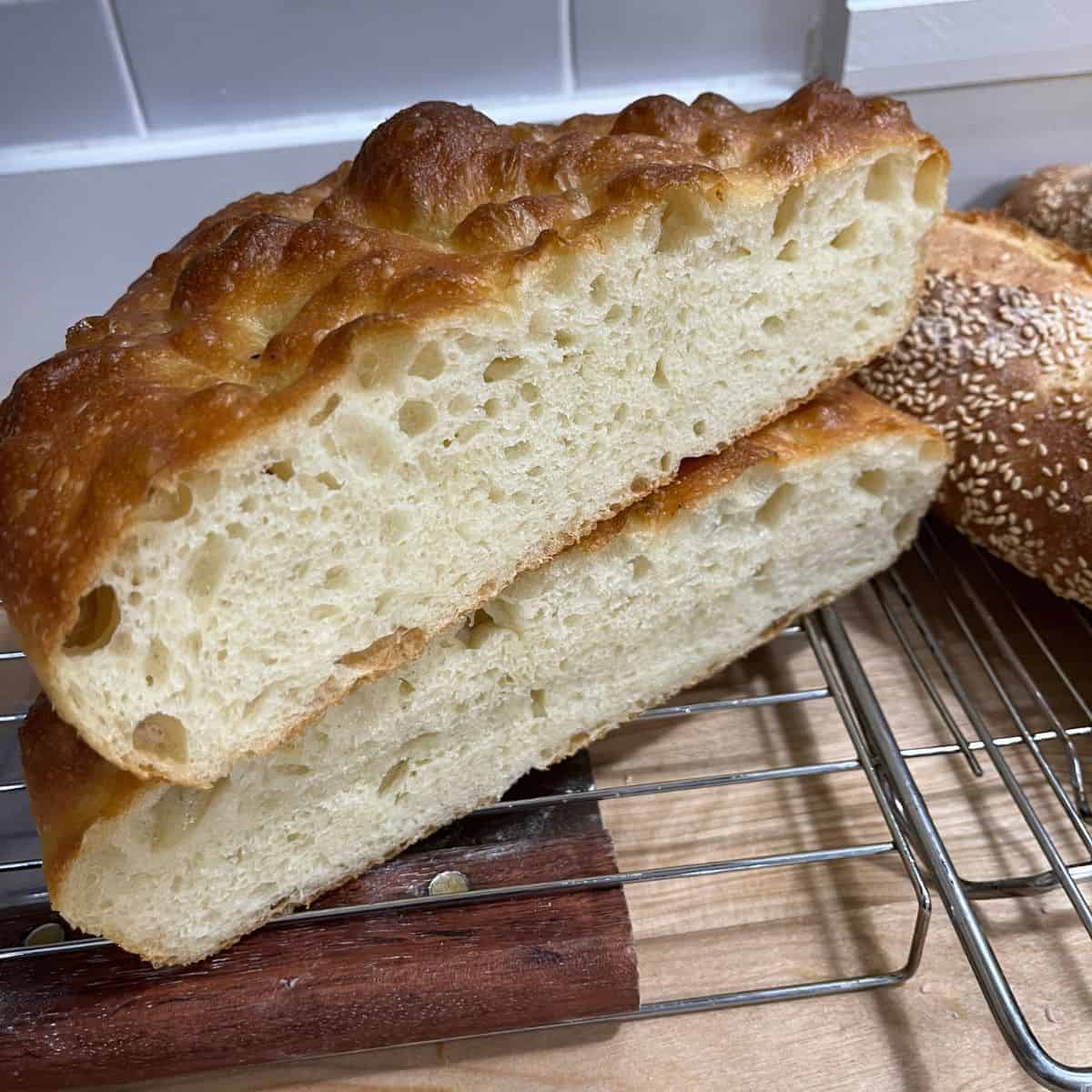
Fluffy focaccia, cut in half, and stacked on top of eachother.
[feast_advanced_jump_to]

Recipe overview

This focaccia doesn’t have the big air pockets, chew, and fermented flavor of the sandwich focaccia, which benefits from a slow, cold fermentation, but it’s super easy, quick and satisfyingly soft.

  • This is a one-day recipe. At a room temperature of around 70-75°F, the process should take about 3 hours. At colder temperatures, it may take a little longer.
  • For this focaccia, we'll be making the dough by hand—no special equipment needed.
  • Bake in any oven-safe pan—see below for recommendations.

Baker's Assistant: Dive Deeper

For more in-depth information about topics covered on this page, follow the links

  • A Guide to Bread Making 12 Steps for the Home Baker

Mise en place

Have ready in advance:

  • Round pan (at least 10" in diameter) or a rectangular dish between 7" x 11" and 9.5" x 13".
  • Parchment paper (for pans that are not non-stick)
  • Kitchen scale
  • Thermometer (beneficial but not required)

Ingredient Properties & Substitutions

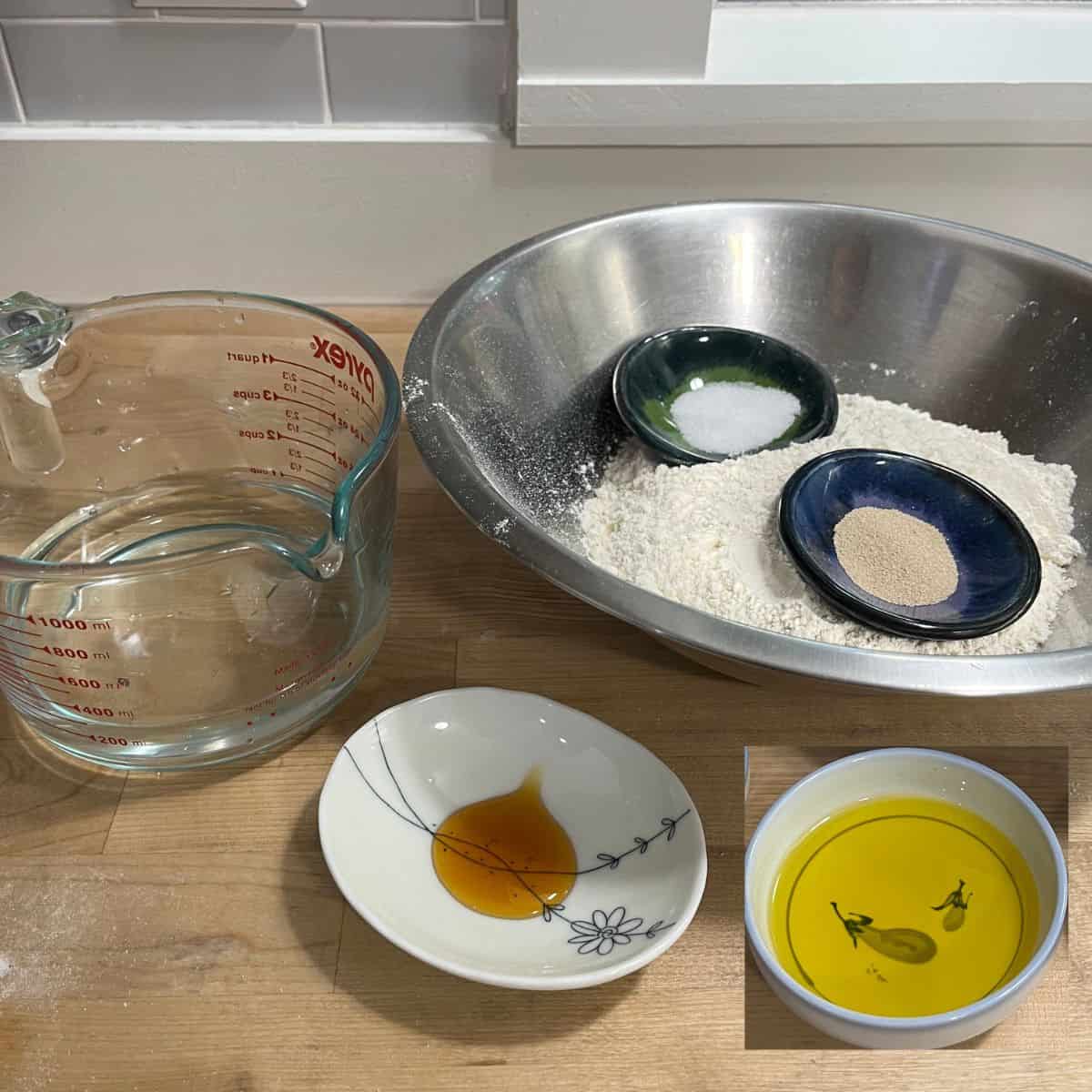
Ingredients - Water, honey, olive oil, flour, yeast and salt.

Substituting ingredients in a recipe—especially when baking—will almost certainly affect the flavor and texture of the final product. Additionally, not using a scale to measure your ingredients can lead to inconsistent results. To ensure accuracy, I strongly recommend weighing your ingredients and following the recipe as written.

Bread Flour – Protein content: 12-14%. I like to use a combination of all-purpose flour and bread flour to achieve a focaccia that is both soft and sturdy. You can substitute all-purpose flour, but the outcome may vary depending on the protein content.

All-Purpose Flour – Protein content: 8-11%. You can substitute bread flour for all-purpose flour in this recipe, but this will likely result in a focaccia that’s less soft and a bit chewier.

Water – If your kitchen is around 75°F, the water temperature for your dough should feel neither hot nor cold. If using a thermometer, aim for a reading of 75-80°F. If your kitchen is cold, warm the water slightly; if it’s hot, make it cooler. The goal is for your dough to sit at around 75°F after mixing all the ingredients. This will allow for optimal yeast activity and fermentation. Unless you're in a very cold environment or your flour has been refrigerated, avoid using water warmer than 90°F.

Oil – Olive oil is recommended for this recipe, but you can use any oil in the dough. I suggest brushing the baked focaccia with extra virgin olive oil for enhanced flavor.

Yeast – I prefer instant yeast because it can be added directly to the flour without needing to be bloomed first (although it now seems that you no longer have to do this—see article from King Arthur Baking). To substitute active dry or fresh yeast, refer to the notes section of the recipe card.

Honey – It contributes to the soft texture of the dough and acts as food for the yeast. Granulated sugar can be substituted.

Salt – Provides flavor and helps control yeast activity.

Baker's Assistant: Toppings

Focaccia dough is an excellent base for various odds and ends from the fridge. I’ve topped it with everything from cheddar & kimchi, cured meats, jalapeños, pears, nuts, and gorgonzola. Of course, a simple sprinkle of flaky sea salt is always a winner.

Here are a few tips when adding toppings:

  • Make sure your toppings are ready before your focaccia has fully proofed.
  • Toppings should not be hot.
  • Add toppings just before you’re ready to dimple the dough.
  • Fresh garlic, onions, herbs, sun-dried tomatoes, and some dry cheeses tend to burn in the oven. If you want to incorporate these ingredients into your dough, add them after your first fold (the garlic and onion should be cooked first). Alternatively, you can top the baked focaccia with an oil-based condiment like chimichurri or gremolata.

Technique

Proper mixing, proofing, shaping and baking are all vital for making good bread. For more in-depth information please see: A Guide to Bread Making 12 Steps for the Home Baker.

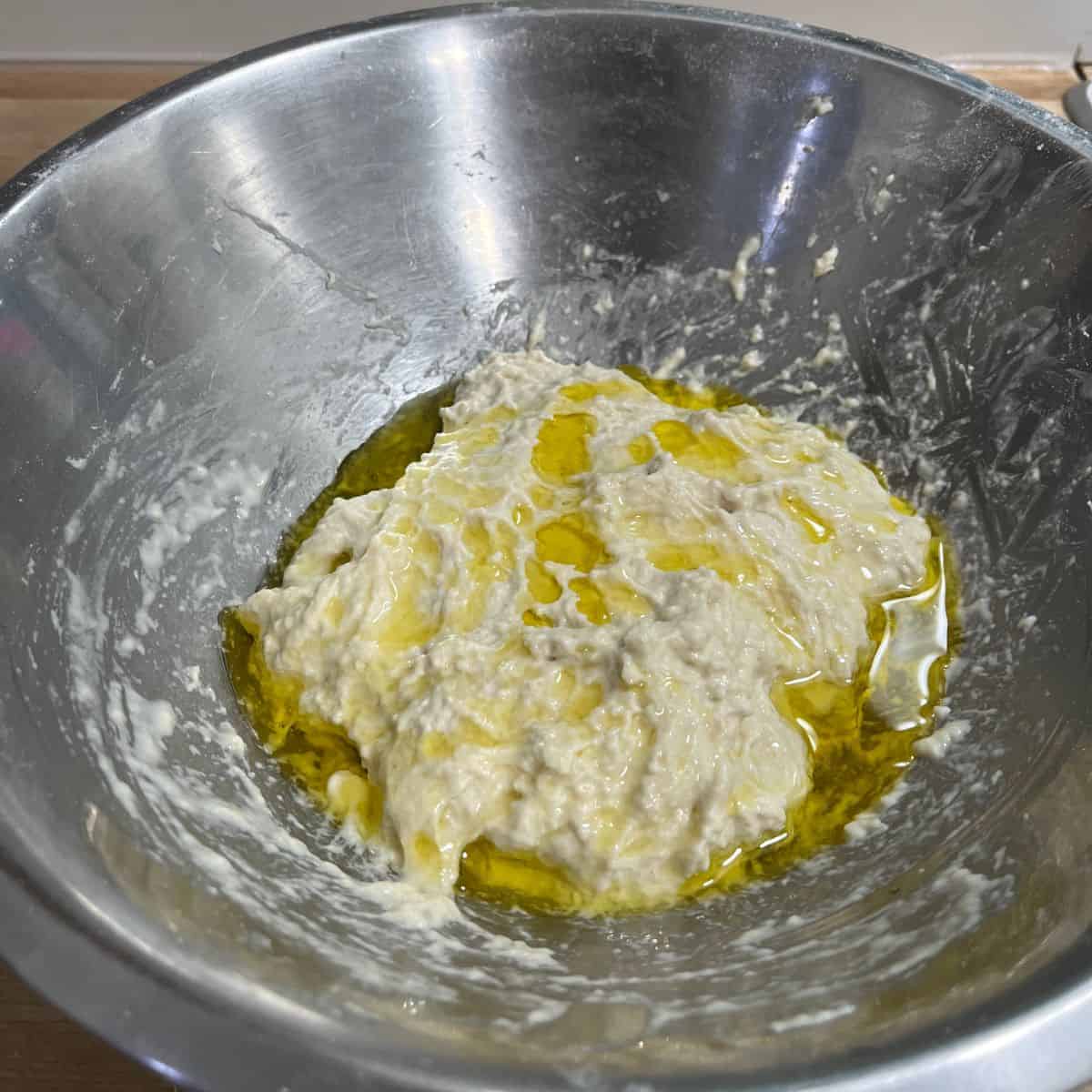
A shaggy mass of focaccia dough with olive oil on top.
In the KitchenAid bowl, add water, flour, yeast, and honey. Mix to combine. Add oil and use your hands to incorporate it into the dough.
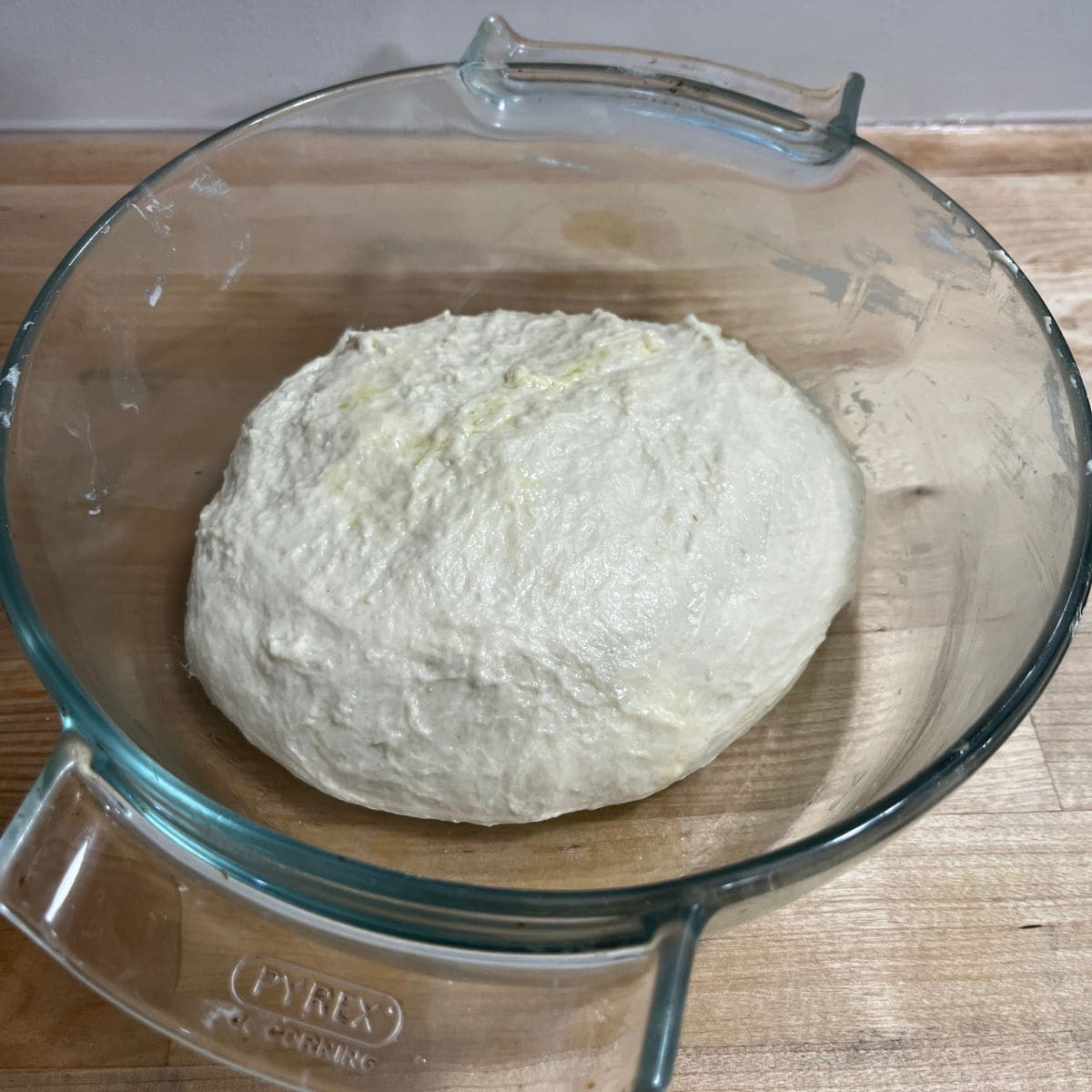
A homogenous focaccia dough.
After a few minutes, the dough should be homogeneous and sticky. It should no longer feel slick or oily.
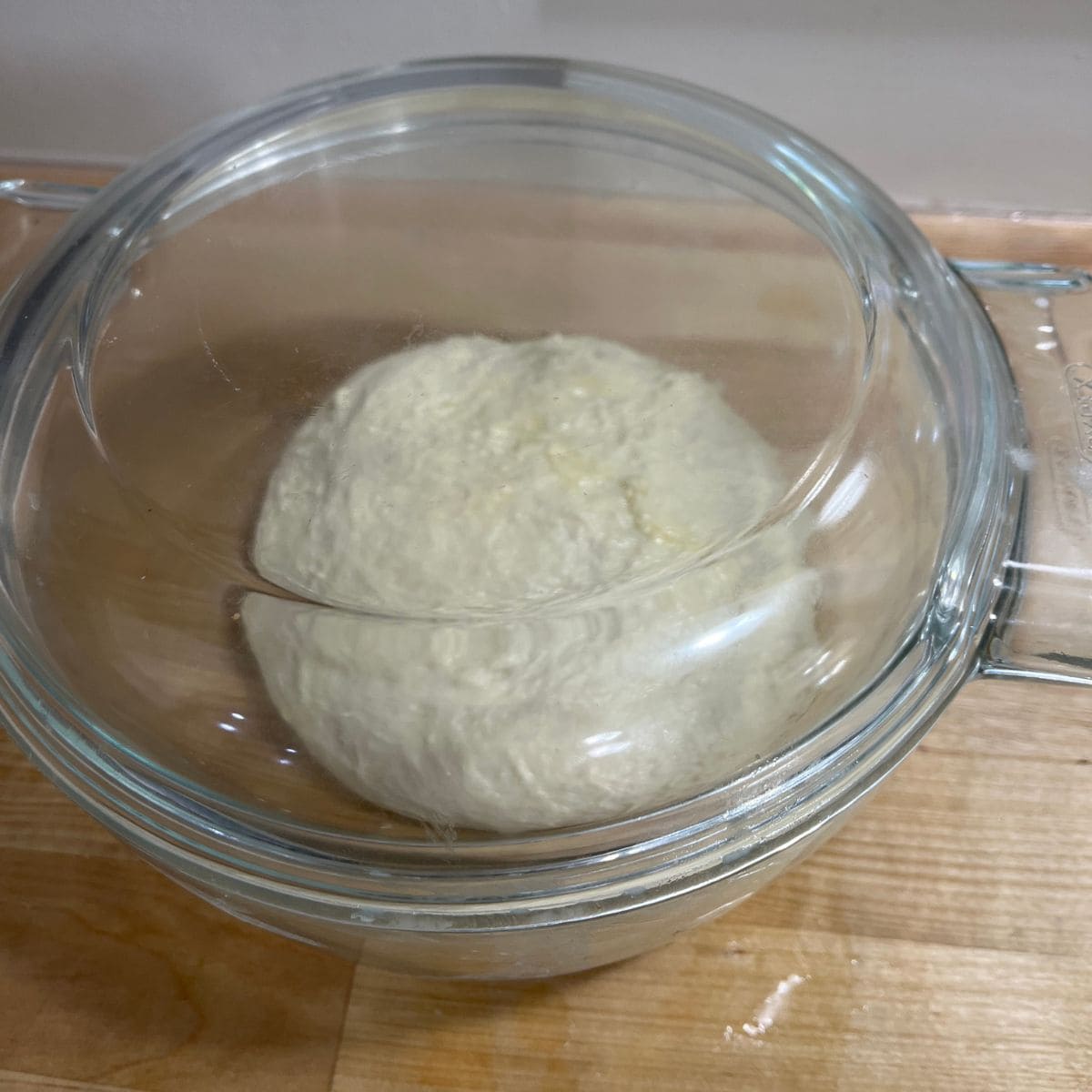
Focaccia dough in a glass container, covered.
Cover the dough and rest 30 minutes.
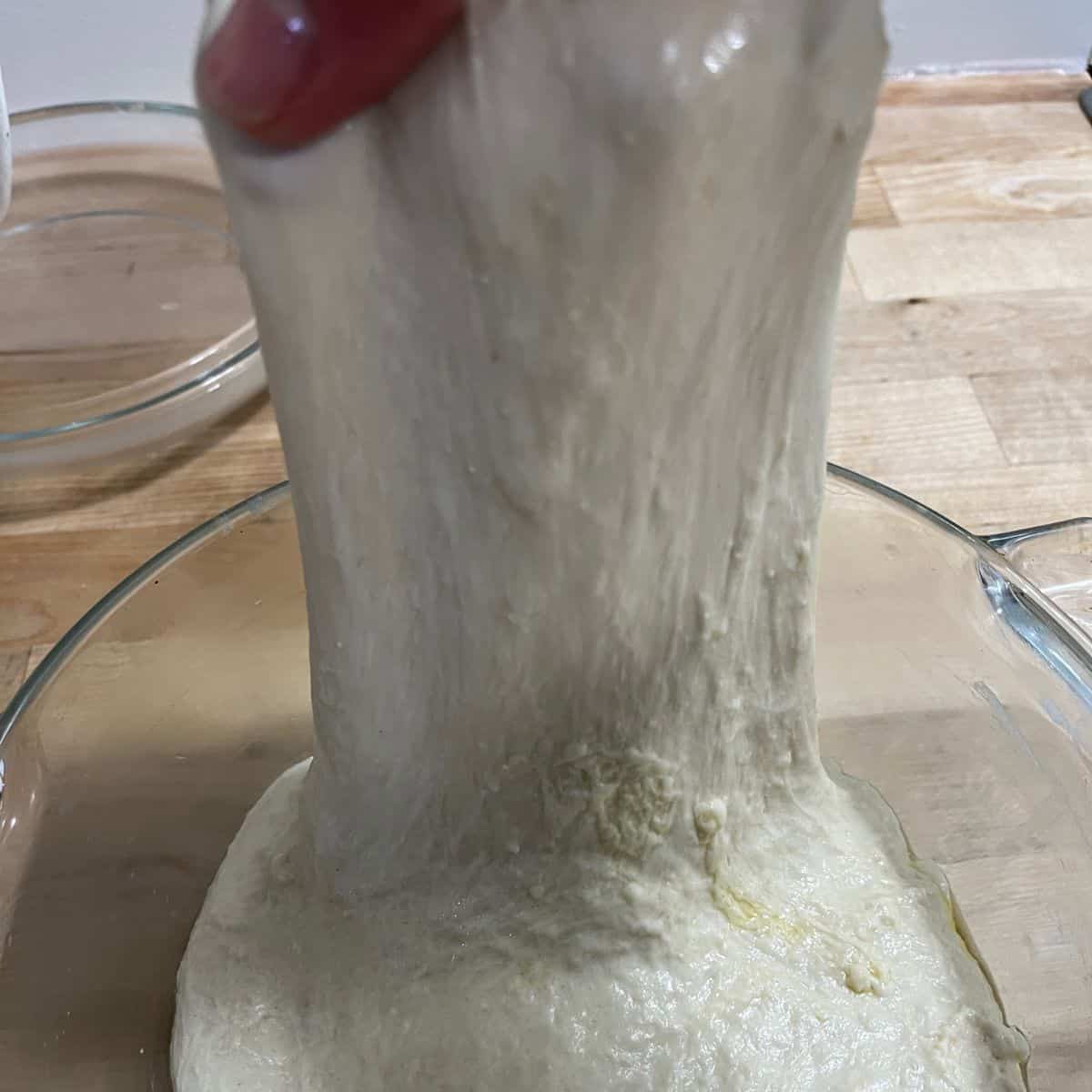
Stretching dough.
After 30 minutes, perform a series of stretch-and-folds.
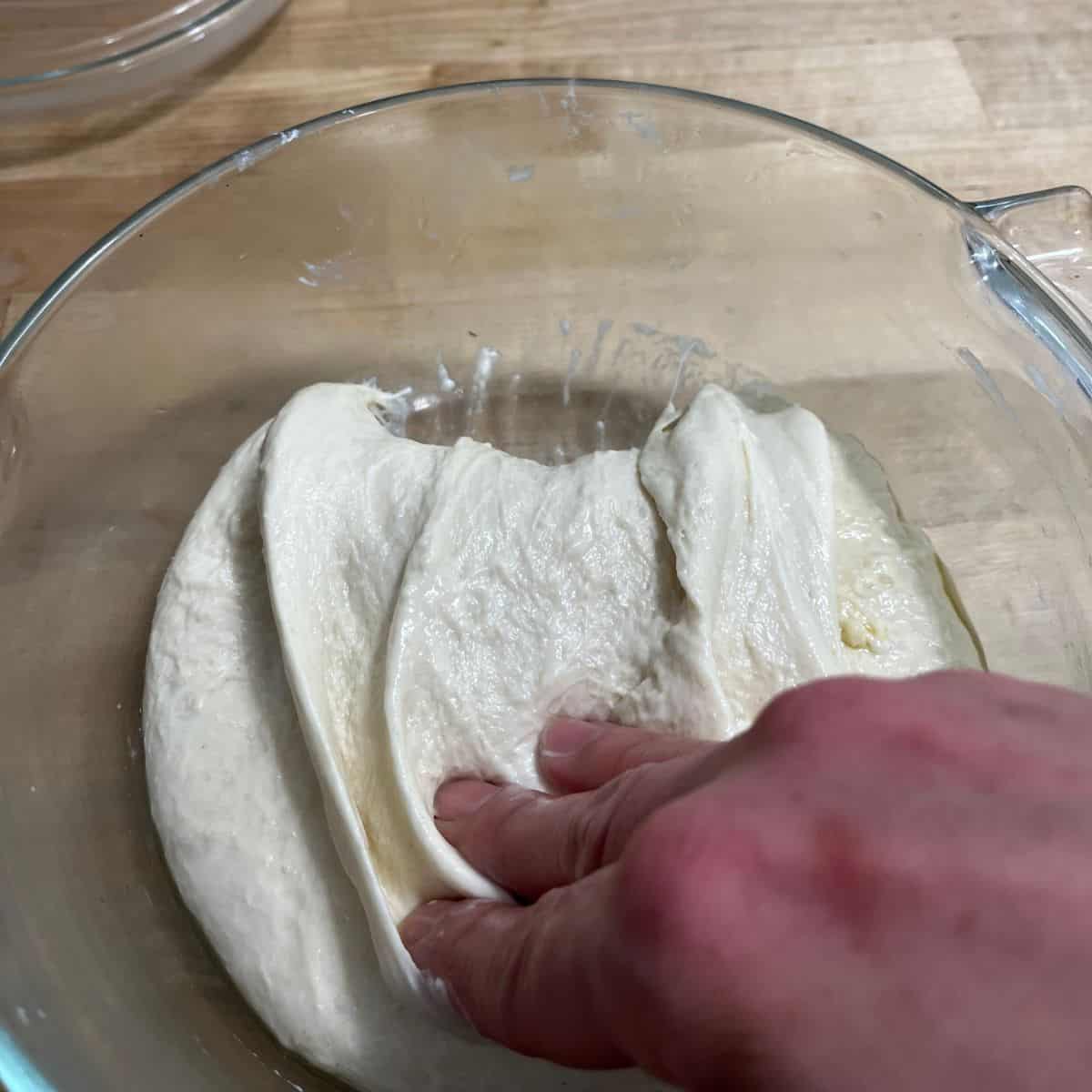
Folding over dough.
After completing a set of stretch-and-folds, flip the dough so the smooth side is facing up. Cover and let it rest for 30 minutes. Repeat this process two more times.
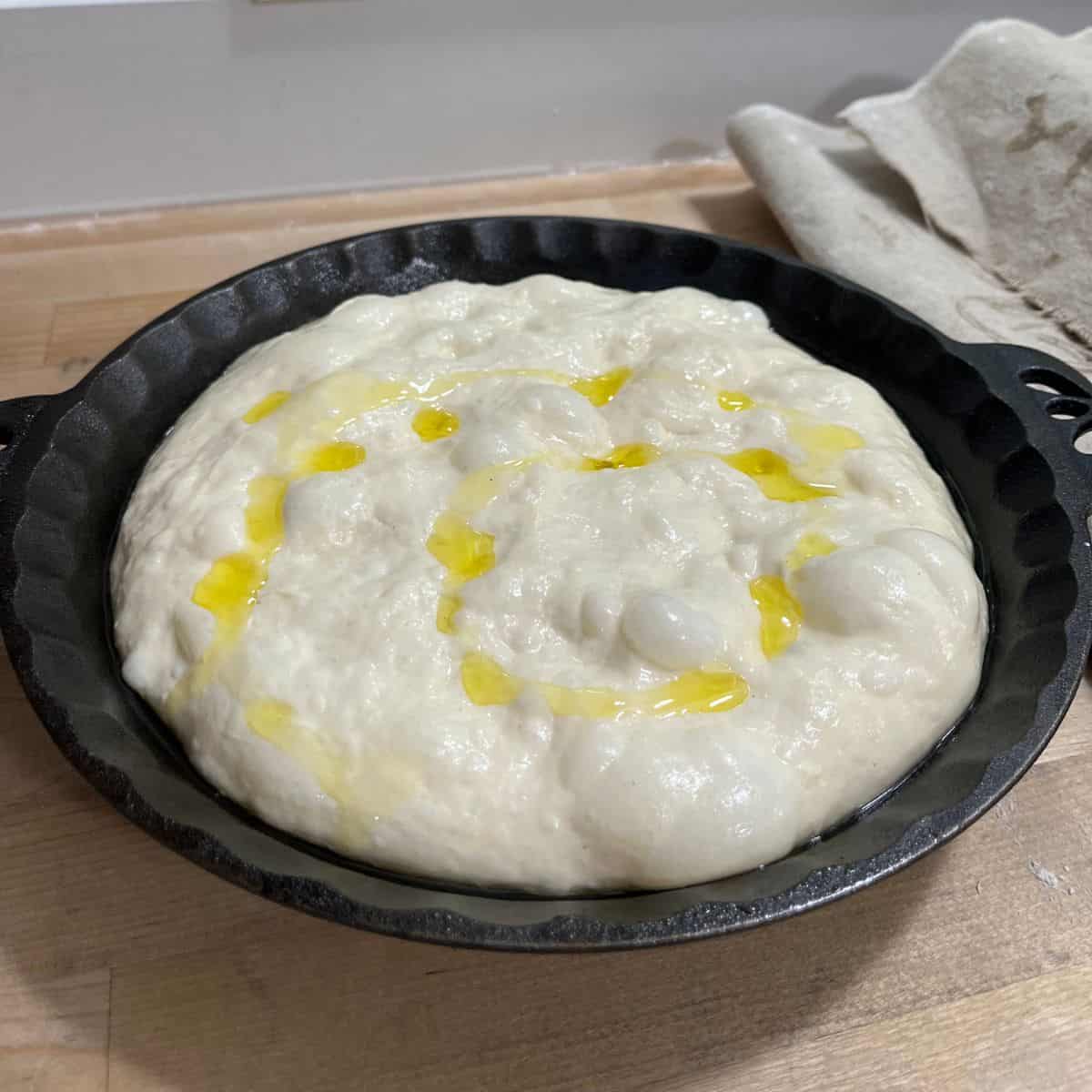
Focaccia dough is puffy and fills the cast iron pan.
After the third and final stretch-and-fold, place the dough in an oiled baking dish, smooth-side up. Cover and proof for 30-45 minutes.
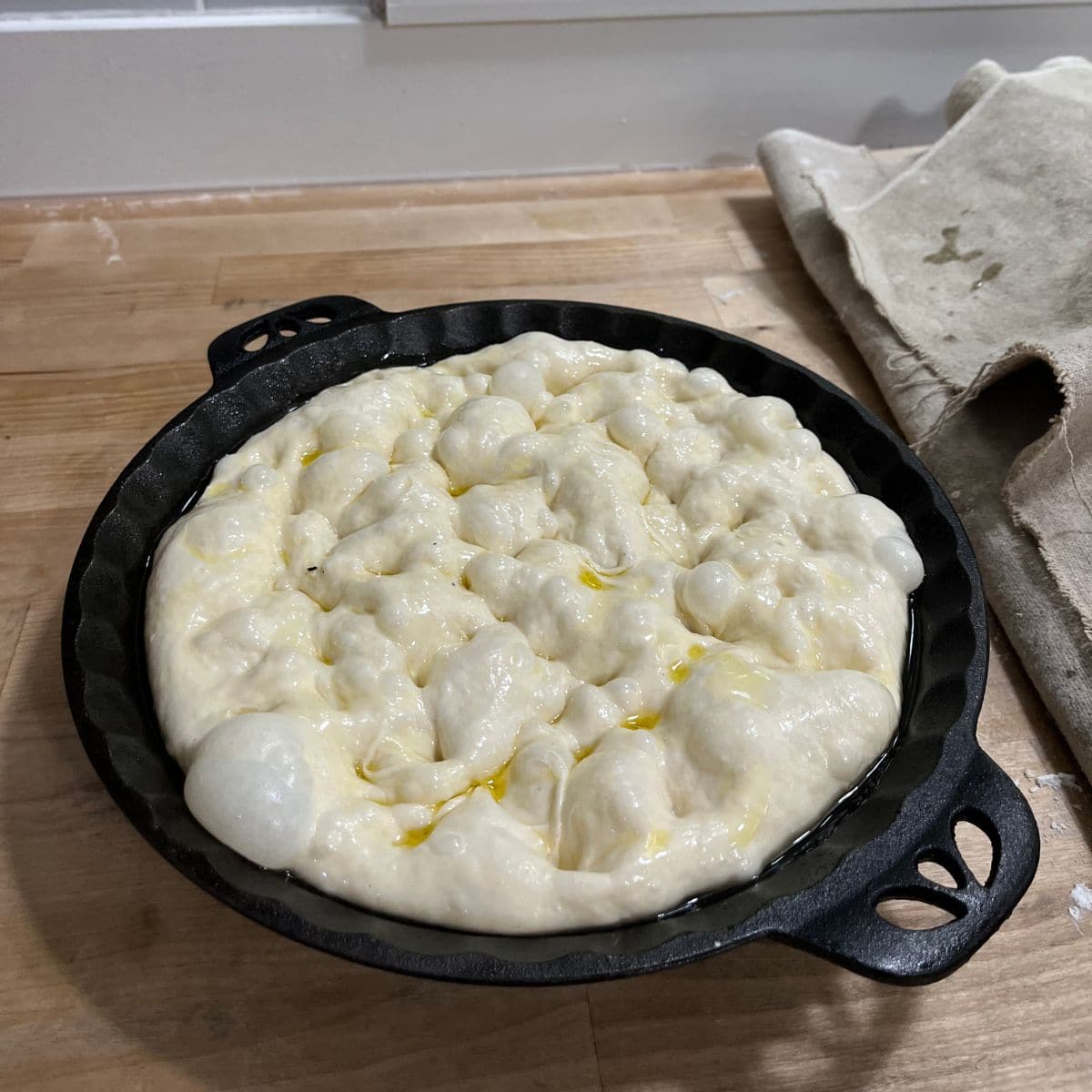
Dimpled focaccia dough in cast iron pan.
The dough is ready for the oven when it’s jiggly and bouncy, mostly fills the pan (if using the suggested pans), and produces bubbles when dimpled.
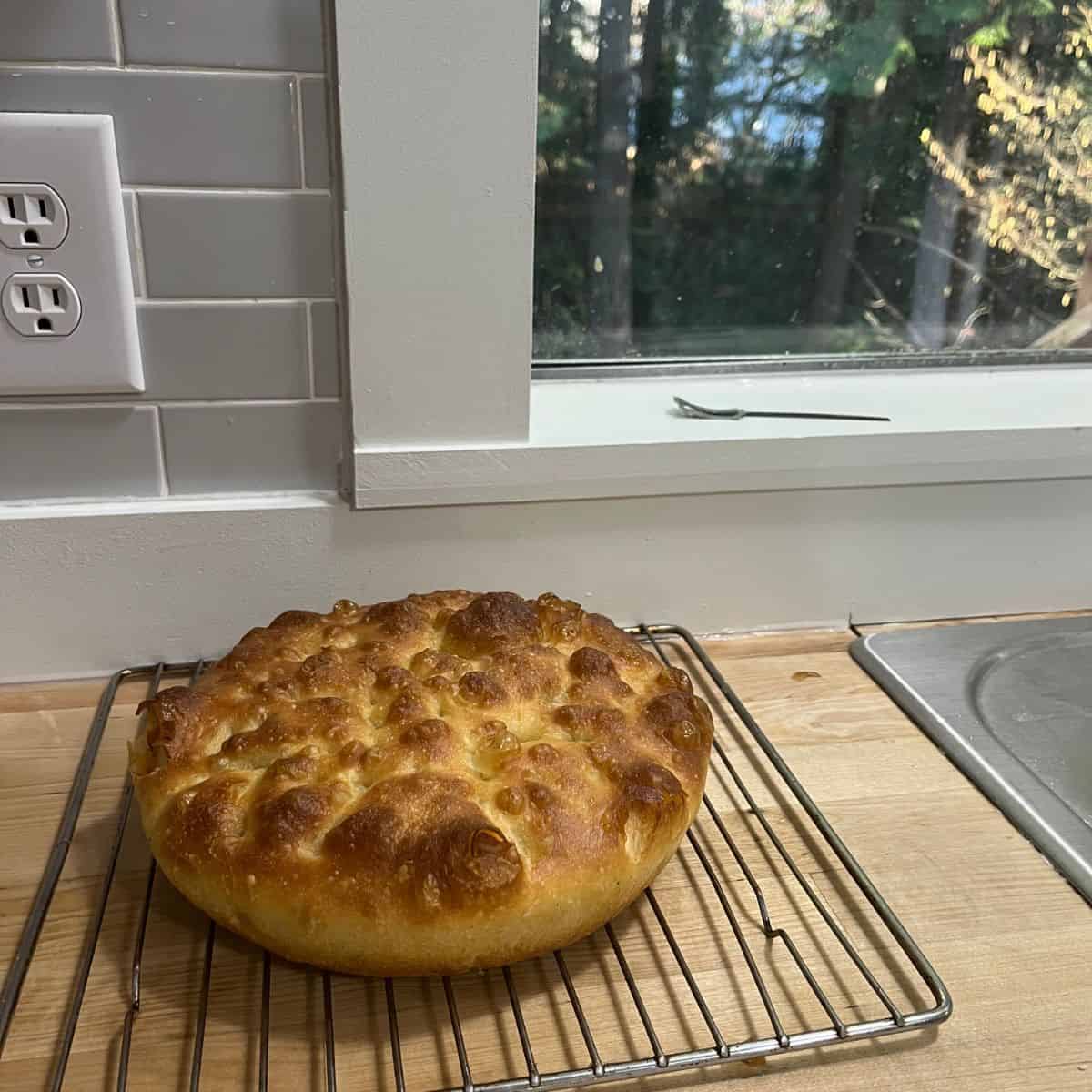
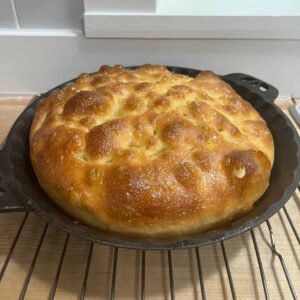
Fully baked focaccia on cooling rack.
Place the focaccia in a preheated 500°F oven. Reduce the temperature to 450°F. Bake for approximately 20-25 minutes, or until the top and bottom are golden. Transfer the focaccia to a wire rack and brush with olive oil.

Pans

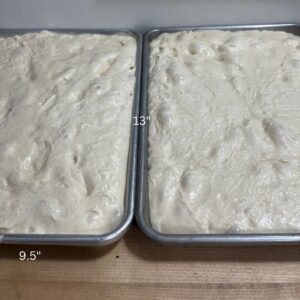
Two pans with dough filled to the sides and top.  There are numbers that show the pan is 9" x 13".

You can bake focaccia in just about anything—cake pans, PYREX glass dishes, muffin tins, or cast iron (especially great for an extra crispy bottom crust!). For one batch of this recipe, a round pan 10"-12" in diameter or a rectangular dish between 7" x 11" and 9.5" x 13" works great. Obviously, the larger the pan, the thinner your focaccia will be.

Pay careful attention

Two points to pay attention to for soft, fluffy focaccia.

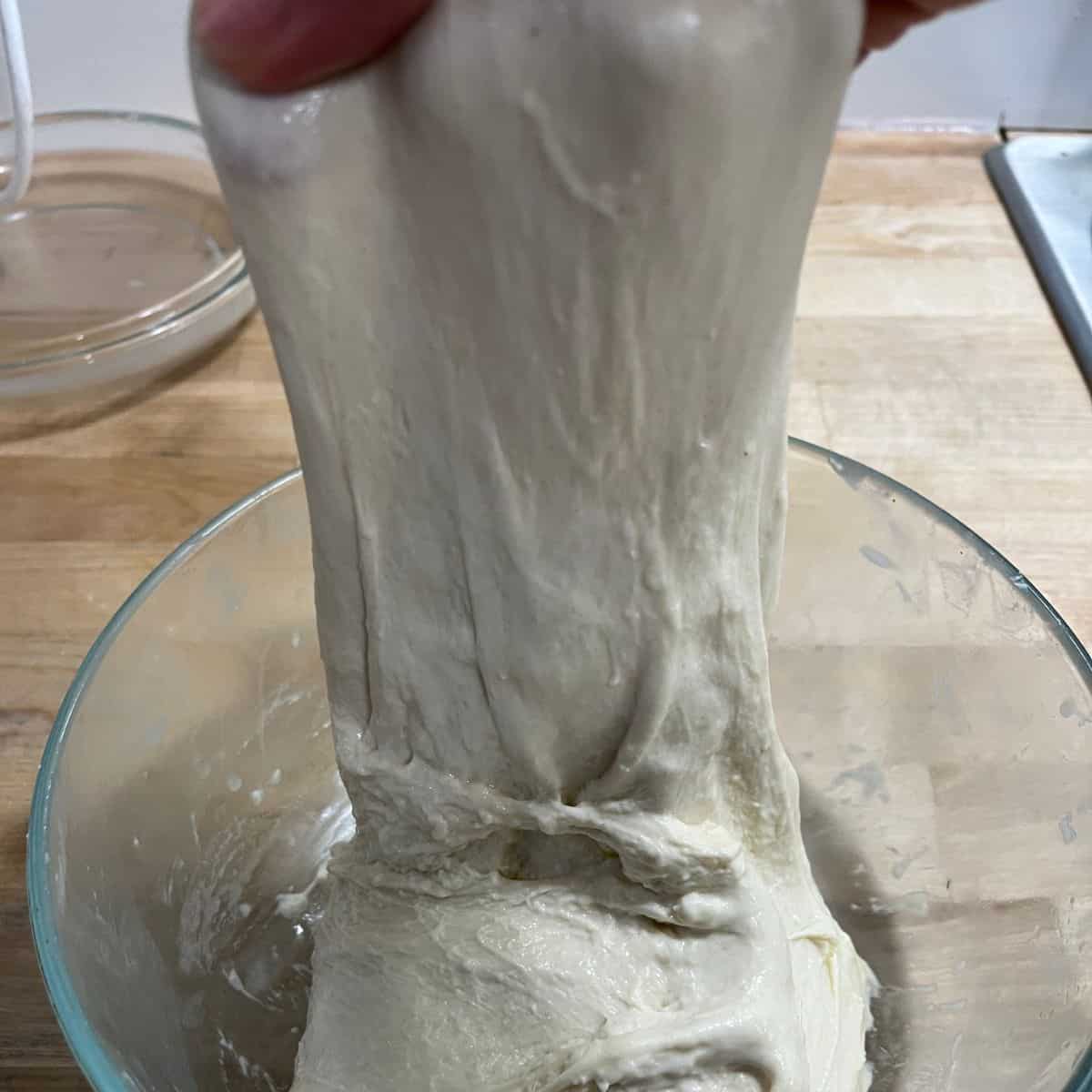
Stretching focaccia dough in glass bowl.
It's important to stretch and fold the dough to build the strength it needs to rise. If you skip this step, a dense loaf is inevitable. When you lift the dough to stretch it, make sure it’s at the point where it starts to resist (but don’t stretch it so far that it tears).
Focaccia dough is puffy and fills the cast iron pan.
A well-proofed focaccia dough will still be springy but will easily dimple. If it resists when you press your fingers in, cover it and wait another 15-30 minutes.

Baker's Assistant: Folding Dough

How to Stretch and Fold:

  • With wet hands, gently stretch one side of the dough upwards
  • Fold the stretched portion over to the middle/opposite end of the dough
  • Rotate the bowl 45° and repeat this process three times with the other sides of the dough.
  • Flip dough so that the smooth side is now up
  • Repeat this process as necessary, every 30-45 minutes

Baker's Assistant: Make Extra & Freeze

Always Make Extra! No matter how easy a recipe is, good bread still takes time. When mixing a batch of dough, consider making enough for an extra sheet of focaccia—bread freezes incredibly well and comes in handy when you need to throw a meal together.

How to Freeze Baked Focaccia: Don’t just throw the whole sheet in the freezer. Cut it into pieces and slice it in half if you plan to use it for sandwiches (need mayo? Check out my recipe that takes less than five minutes). Place it in a ziplock bag or wrap it tightly with plastic wrap. When you're ready to use it, simply thaw on the counter or pop it into the toaster oven—ready in minutes!

Same Day Focaccia

A fluffy focaccia that can be made from start to finish in just three hours. A 1x batch makes 680g of dough—enough to fit in standard-sized pans for home baking (see pan suggestions in the post).
The equipment section lists only the specific 'specialty' items needed for this recipe. Additional bowls, spoons, cups, and spatulas may also be required. Please use a scale for the best results.
Print Recipe Pin Recipe Add to Collection Go to Collections
Prep Time 20 minutes mins
Cook Time 25 minutes mins
Fermentation Time 2 hours hrs 15 minutes mins
Total Time 3 hours hrs
Course Appetizer, Side Dish, Snack
Cuisine Italian
Servings 6 pieces
Calories 262 kcal

Equipment

  • Kitchen Scale
  • Pan (see Pans for Focaccia)
  • Bench Scraper
  • Parchment Paper (see note1)

Ingredients


Mix Together

  • 285 g Water Room temp
  • 178 g Bread Flour
  • 178 g All Purpose Flour
  • 5 g Instant Yeast See note2
  • 5 g Honey
  • 5 Salt

Add Oil

  • 28 g Olive Oil

Brush After Baking

  • Olive OIl as needed

Instructions
 

Make dough

  • Add the water to the bowl, then honey. In a separate bowl, combine the bread flour, all-purpose flour, salt and yeast. Then, add the dry ingredients to the water.
  • Using a sturdy wooden spoon or spatula (I like to use a paddle rice scoop) mix until the flour is fully hydrated. Add the oil and use your hands to work it into the dough. After a few minutes, the dough should be homogenous and sticky again. It should no longer be slick or feel oily. Cover the dough and let it rest for 30 minutes.
  • After the 30-minute rest, remove the plastic wrap and complete one set of stretch-and-folds. Cover the dough and repeat this process two more times, making sure to let the dough rest between folds.
  • After the third, and final stretch-and fold, place the dough in an oiled baking dish smooth-side up. Cover and proof for 30-45 minutes. Begin preheating your oven to 500℉ about 20 minutes before your dough is ready.

Final Proof and Bake

  • After about 30-45 minutes, the dough should be jiggly and bouncy, almost filling the pan (if using the pans suggested) and easily dimpled. If the dough resists when you press in with your fingers, cover and wait another 15-30 minutes.
  • Once the dough has sufficiently proofed, add toppings (if desired) and dimple. Place the dough in the preheated oven, and reduce the temperature to 450℉. Bake for approximately 20-25 minutes. See note3

Finishing & Cooling

  • Remove the focaccia from the oven and transfer it to a cooling rack. If the bread is stuck to the edges of the pan, use a bench scraper to release it. Brush with olive oil and allow to cool fully before cutting.

Notes

  1. Parchment paper is not necessary if you're using non-stick or well-seasoned cast iron pans. You can purchase 18" x 13" parchment sheets on Amazon.
  2. If you're using fresh yeast, increase the quantity to 15g. Crumble and add it to the water, then proceed with the recipe as instructed. For active dry yeast, increase the quantity to 7g.
  3. Oven times and temperatures: Baking times can vary depending on your oven and pan size. Some ovens run hotter (or colder), have hot spots, or behave differently in convection mode. 

Nutrition

Serving: 6piecesCalories: 262kcalCarbohydrates: 45gProtein: 7gFat: 6gSaturated Fat: 1gPolyunsaturated Fat: 1gMonounsaturated Fat: 4gSodium: 327mgPotassium: 70mgFiber: 2gSugar: 1gVitamin A: 1IUVitamin C: 0.01mgCalcium: 11mgIron: 2mg
Keyword fluffy, focaccia, quick, same day, sandwich focaccia, soft
Tried this recipe?Let us know how it was!

Credit, sources, shout outs (& sometimes ramblings)

Very few recipes are true originals. Here is where I share my inspiration and cite my sources.

I have a bit of a bone to pick with "no-knead" breads, specifically the ones that require no handling after the initial mixing.

Ever wonder why your no-knead bread turns out dense, gummy, or fails to rise? You’re not alone—these are some of the most common occurrences when using this method.

Assuming your yeast is active and your water wasn’t too cold (or too hot to kill the yeast), the problem often lies in the dough not developing enough gluten. Gluten is what gives a loaf its structure and strength to rise. Without it, the dough can’t hold its shape, resulting in a dense and/or gummy interior.

The good news is, this is easy to fix in just about any "no-knead" recipe. Simply let the dough rest for 30 minutes, then perform a set of stretch-and-folds two or three times, every 30 to 45 minutes. Even if the recipe calls for immediate refrigeration after mixing, you can pull it out to do the stretch-and-folds then return it to the fridge. I promise you’ll be amazed by the difference it makes.

To learn more tips, check out my post: A Guide to Bread Making – 12 Steps for the Home Baker.

Baker's Assistant: Baker's Percentage

Flour 100%

Water 80%

Sugar 1%

Yeast 1%

Salt 1%

Oil 8%

Why should you trust my recipes? You can read about me here.

Subscribe to get our latest content by email

    Fast & Easy Homemade Mayonnaise + Variations

    Made with simple ingredients commonly found in most kitchens, this homemade mayonnaise is thick, creamy, and comes together in less than five minutes. Not only that, the ratio is so easy to remember you won’t hesitate to whip up a batch. Spread it on freshly made focaccia for sandwiches, mix in a little sriracha for dipping fries, or add fresh dill, minced pickles, and a squeeze of lemon for a homemade tartar sauce.

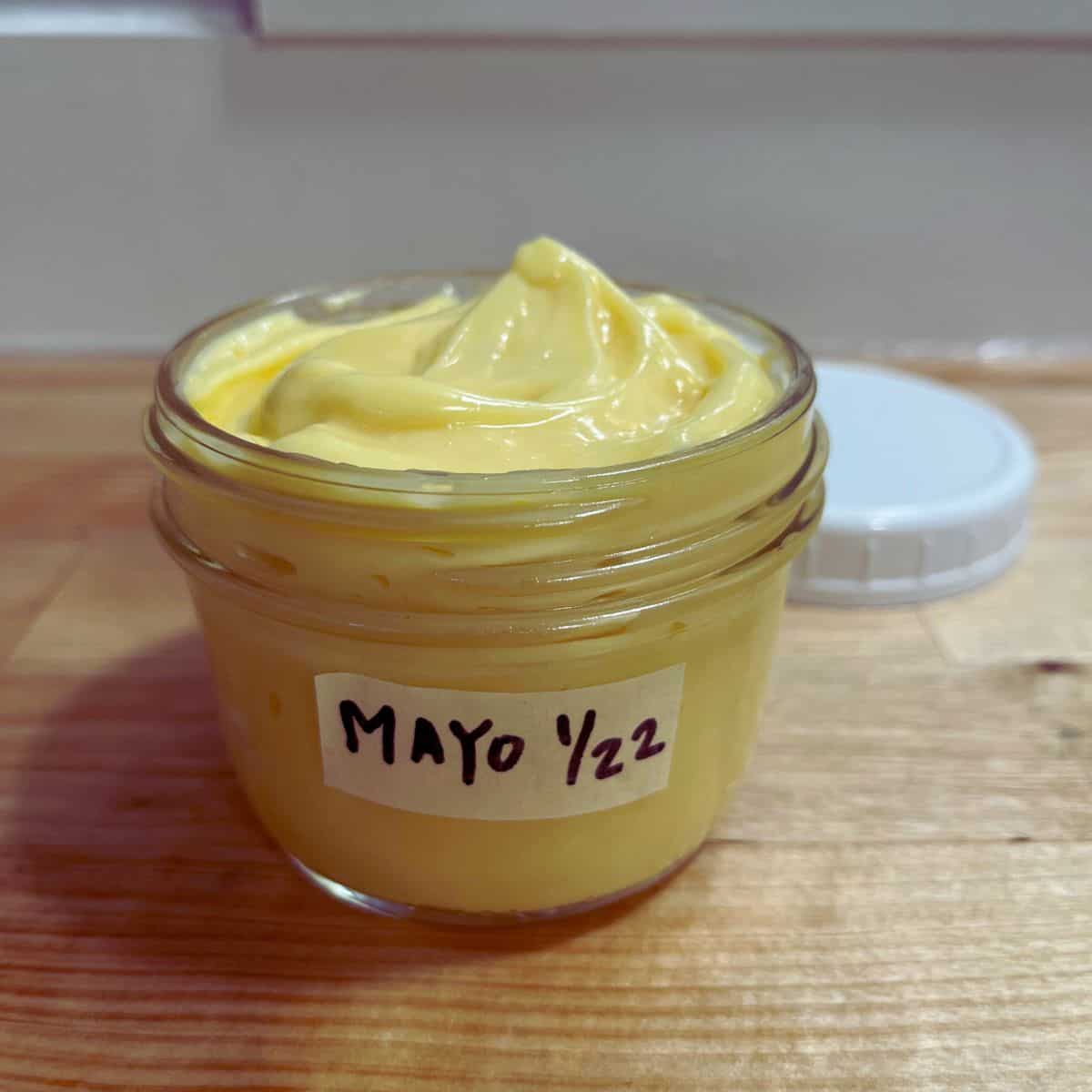
    An 8oz mason jar of mayonnaise with a label that reads "mayo 1/22".
    [feast_advanced_jump_to]

    Recipe overview

    Mayonnaise is simply an emulsified sauce made of eggs, oil, and a liquid (typically lemon juice or vinegar). The lecithin in the egg yolk helps bind the oil and liquid, turning them into a smooth, creamy condiment. To add flavor, this recipe also incorporates a bit of mustard and salt.

    • This recipe uses a KitchenAid mixer, but I also provide instructions on how to make mayonnaise by hand. For more suggestions, please see Equipment below.
    • You can use lemon juice, lime juice, or different vinegars as the acid in this recipe.
    • I prefer a neutral oil because of its clean taste, but olive oil or any other oil can also be used.
    • There is always some risk when using raw eggs in homemade mayonnaise—but it's no different than eating your eggs cooked over-easy. If you're concerned, feel free to use pasteurized egg yolks.
    • When stored in a container with a tight-fitting lid, homemade mayonnaise is good for a week in the fridge. If adding garlic, herbs or other fresh ingredients, use within two days.

    Mise en place for Mayonnaise

    Have ready in advance:

    • KitchenAid mixer w/whisk attachment, or a bowl and whisk (if mixing by hand).

    Ingredient Properties & Substitutions

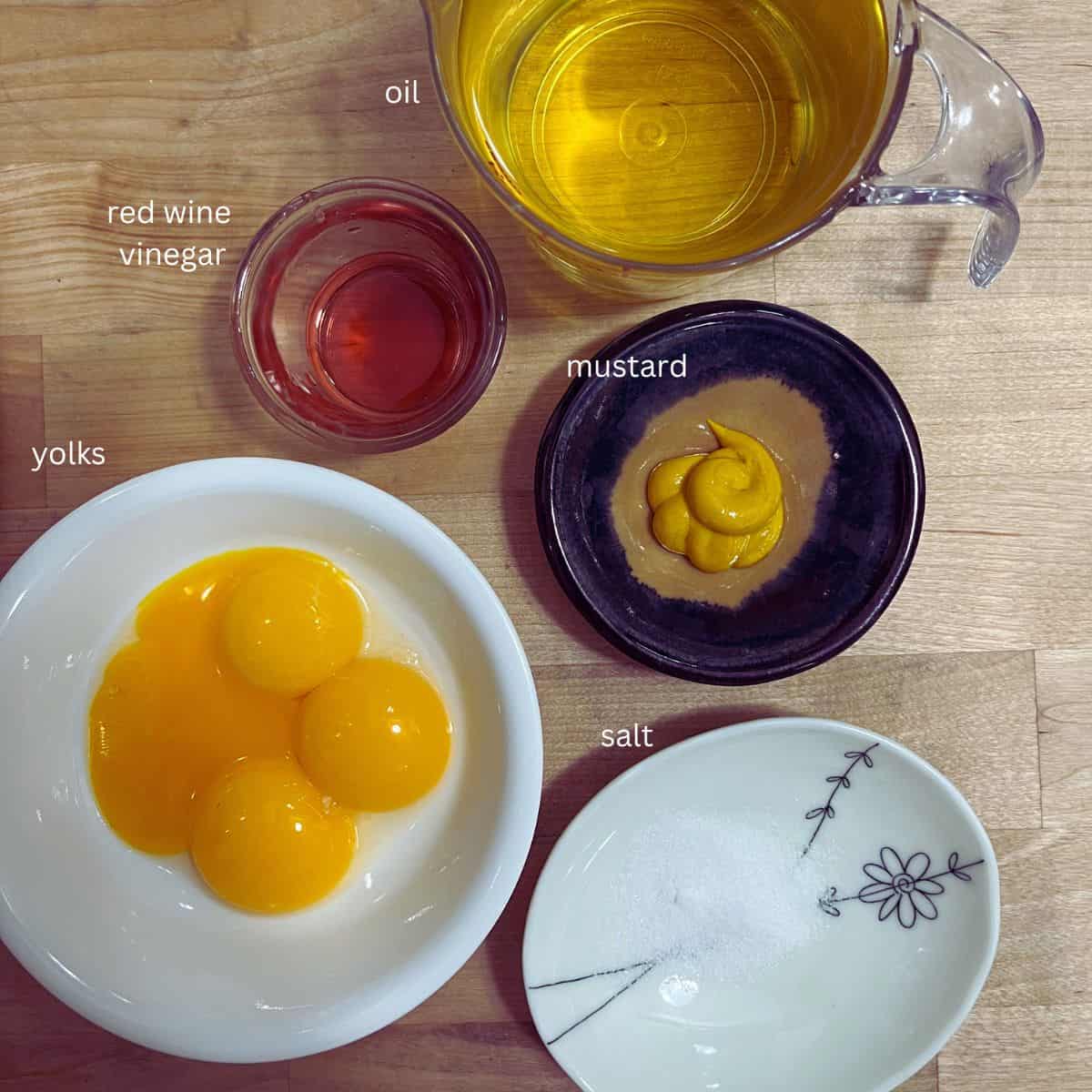
    Ingredients.  Yolk, mustard, salt, vinegar and oil.

    Substituting ingredients in a recipe may affect the flavor and texture of the final product.

    Yolk – No substitution for this recipe. The yolk is essential for creating the stabilized emulsion.

    Oil – I prefer neutral-tasting oils like vegetable, canola, or avocado oil. You can use olive oil, but it tends to impart a slightly bitter flavor.

    Red Wine Vinegar – You can use most citrus juices (lemon, lime) or other vinegars in this recipe. Avoid anything overly sweet or strongly flavored. For a milder, less tangy mayo, substitute some of the vinegar with water.

    Mustard – In addition to adding flavor, mustard helps stabilize the emulsion. Any kind will work, but keep in mind that whole grain mustard will add texture to an otherwise smooth sauce.

    Salt – For flavor. Add as little or as much as you'd like to suit your taste.

    Sugar - There's no sugar in this recipe, but if you want to give it that store-bought, from-the-jar taste, add a pinch or two of sugar after the yolks are frothy, but before streaming in the oil .

    Technique

    The smooth, creamy texture of mayonnaise is created when tiny droplets of oil are suspended in a liquid (in this case, vinegar). Because oil and water don’t naturally mix, lecithin is needed to stabilize the emulsion—and that’s where the egg yolk comes in.

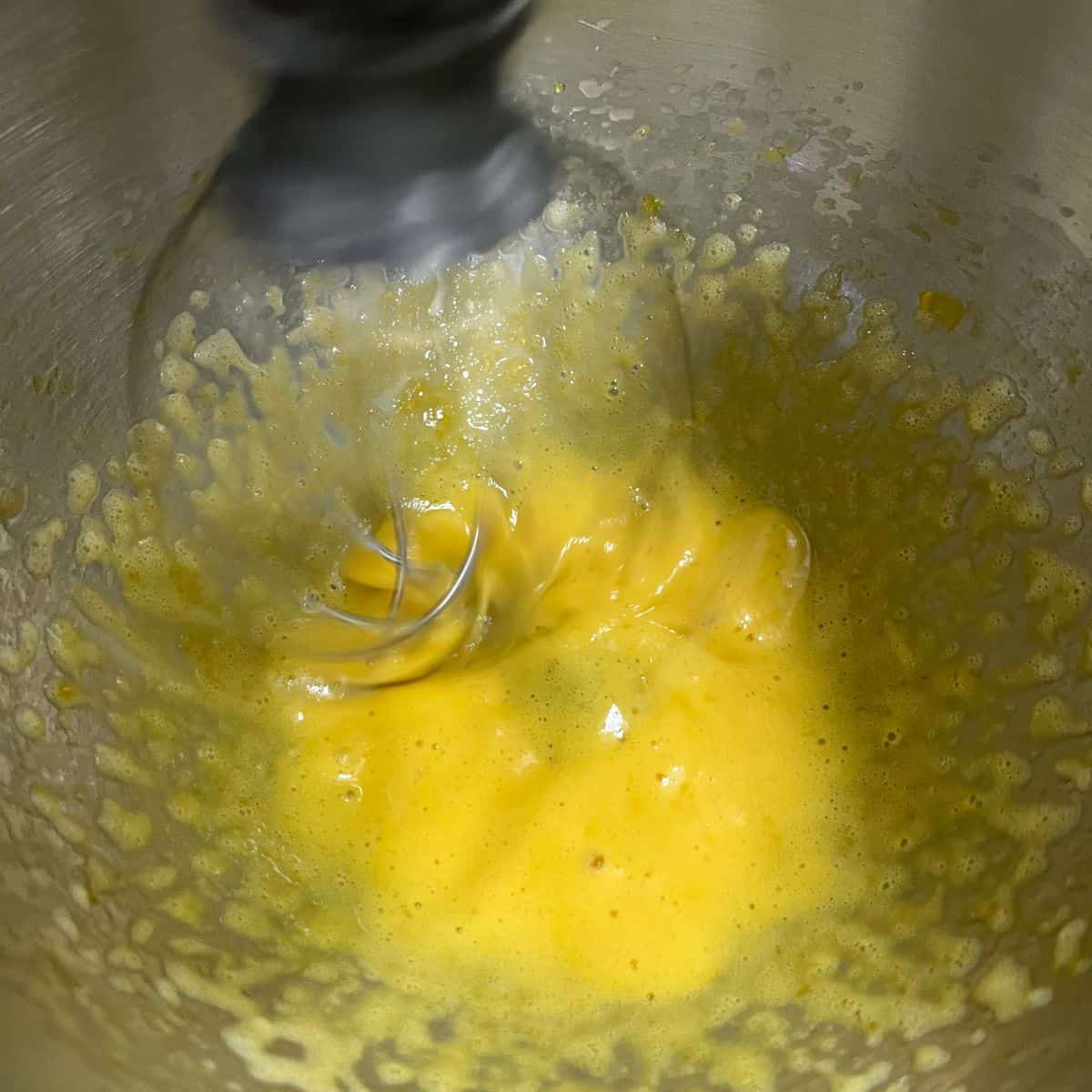
    Yolk, mustard, salt and vinegar looking frothy in a a KitchenAid bowl with whip attachment.
    Whip together egg yolk, mustard, salt and vinegar until frothy.
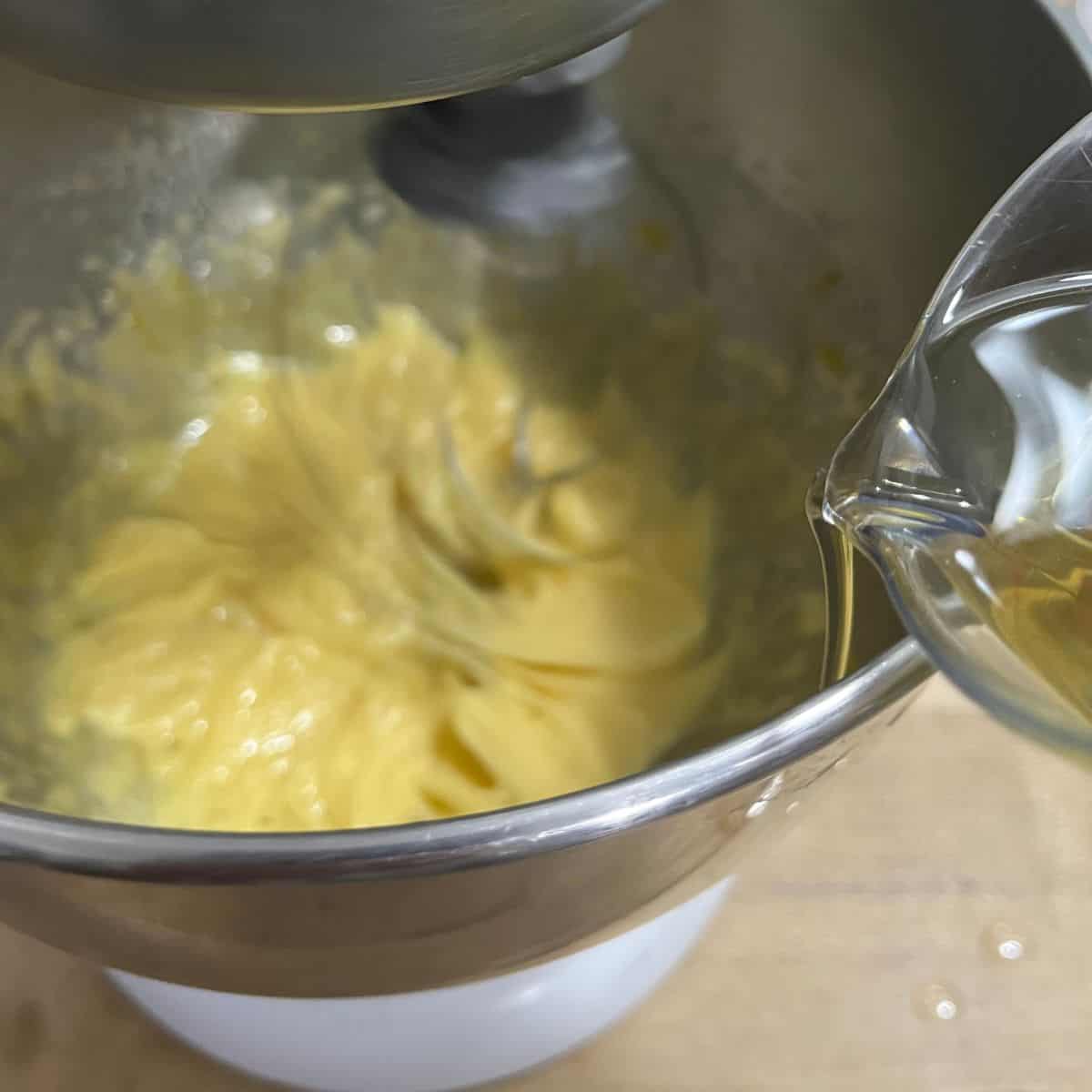
    The yolk mixture is a paler yellow.  The whip is still mixing and oil is being drizzled in on the side of the bowl.
    On medium-high speed, slowly drizzle in the oil.
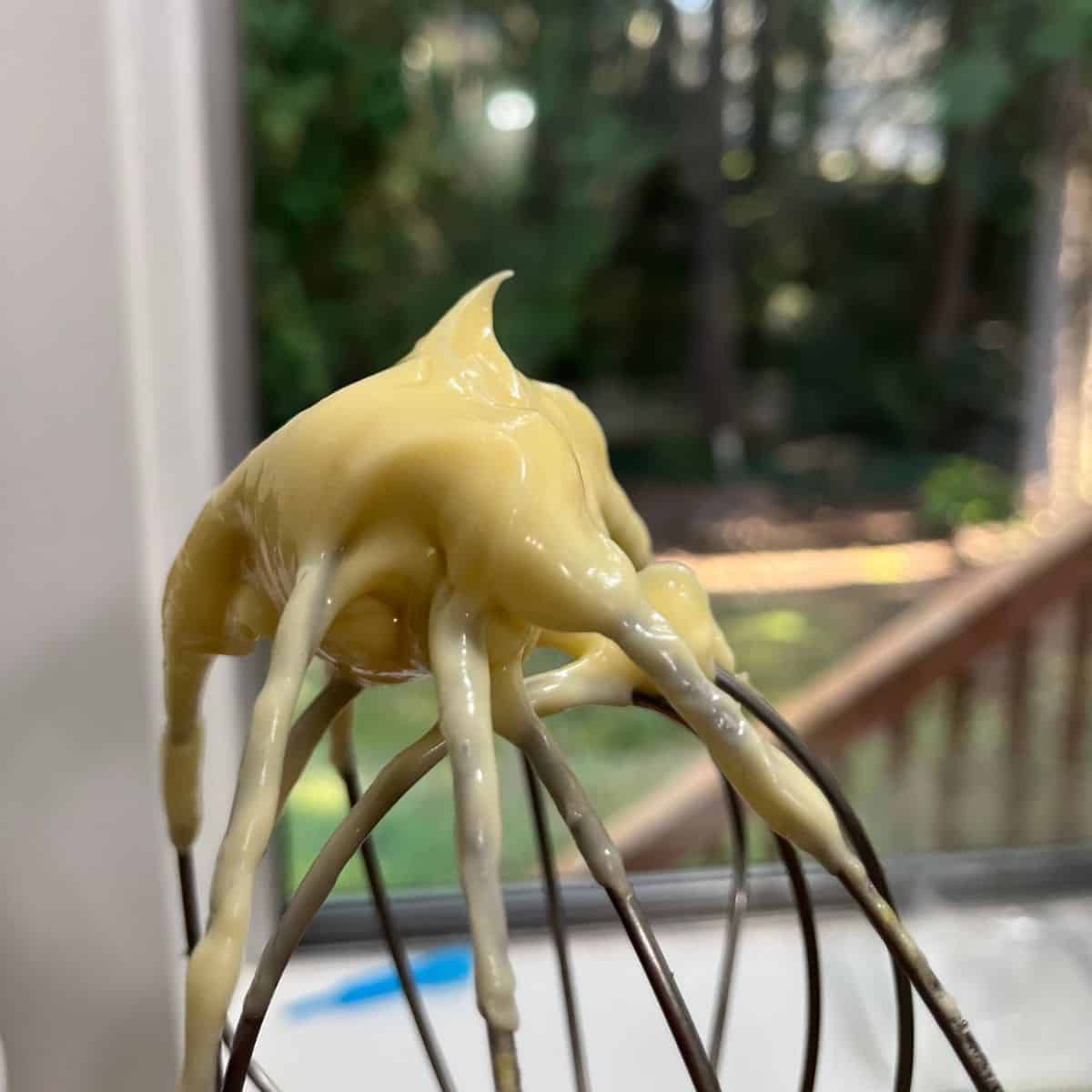
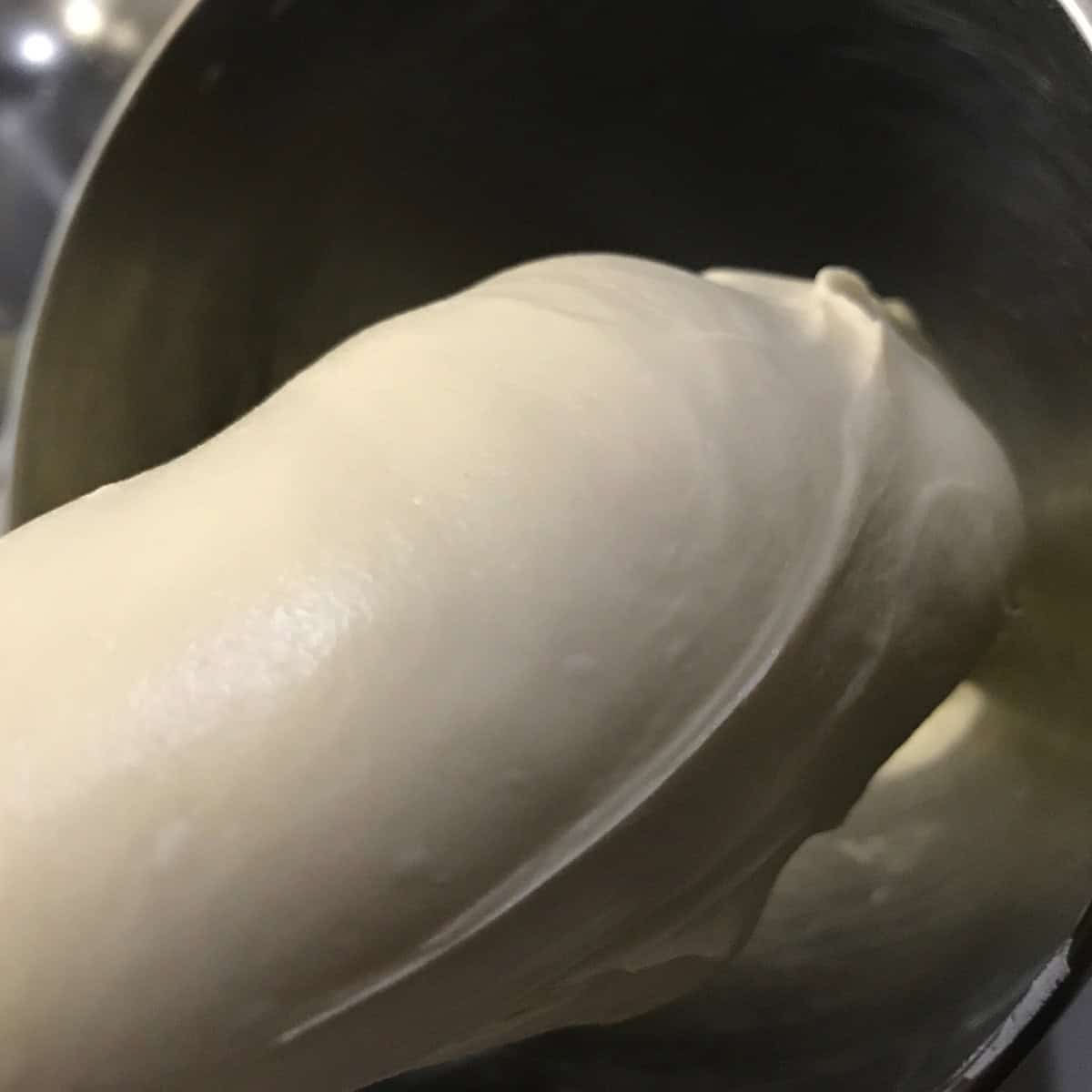
    Finished mayonnaise on the tip of the whip, showing medium peaks.
    Once all the oil is incorporated, whip for another 30 seconds to ensure all ingredients are well distributed.

    Baker's Assistant: How to fix a broken emulsion

    If your mayonnaise looks greasy, overly shiny, soupy, or separated, chances are your emulsion has broken. To fix it, add a teaspoon of water to a clean bowl and, while whisking, slowly add the broken mayonnaise a little at a time until it's fully incorporated.

    Equipment

    I like to use a stand mixer, because I have one hanging out on the counter so it's the most convenient for me (it's also the easiest to clean). You can also make mayonnaise using the following tools:

    • Food processor
    • Immersion blender
    • Whisk
    • Blender

    Baker's Assistant: Mayo Variations

    In his book Ratio, Michael Ruhlman says that a basic mayonnaise recipe will last up to a week in the fridge if it's well wrapped (a tight-fitting lid on a jar should do the trick). I suggest making the base recipe below and seasoning it as needed throughout the week while preparing meals. You can use homemade mayonnaise just like store-bought: as a sandwich spread, to dip your fries, in creamy dressings, or for tuna or egg salads. Use seasoned mayonnaise within a day or two. Here are a few of my favorite variations:

    • Tartar sauce – Add fresh dill, a squeeze of lemon, and finely chopped pickles (dill or sweet) or capers.
    • Sriracha mayo – Simply add a squeeze of sriracha. For extra flavor, mix in a little sesame oil and finely chopped green onions.
    • Garlic and fresh herb mayo – Finely chop garlic and your choice of fresh herbs.
    • Chipotle mayo – Blend up a chipotle pepper, then add it to the mayo and mix.
    • Garlic confit mayo – Place peeled garlic in an oven-safe dish, add enough olive oil to cover the garlic, cover with a lid or aluminum foil, and bake at 250°F until fork-tender. Remove the garlic from the oil and add it to the mayo. Use the leftover oil for your homemade focaccia.

    Mayonnaise From Scratch

    1 yolk, 1 tablespoon vinegar and 1 cup oil. A little mustard and salt to taste. Remember this, and homemade mayonnaise will be a breeze every time.
    Print Recipe Pin Recipe Add to Collection Go to Collections
    Prep Time 5 minutes mins
    Total Time 5 minutes mins
    Course Condiment
    Cuisine American, French
    Servings 18
    Calories 110 kcal

    Equipment

    • KitchenAid Mixer

    Ingredients


    Mix together

    • 1 ea Egg Yolk
    • 1 tablespoon Red Wine Vinegar
    • ½ teaspoon Mustard
    • ¼ teaspoon Salt

    Slowly drizzle in

    • 1 cup oil

    Instructions
     

    • Using a KitchenAid with the whip attachment, mix together the egg yolk, vinegar, mustard, and salt until frothy. Alternatively, to make mayo by hand, combine the ingredients in a bowl and whisk until frothy.
    • With the mixer on medium-high speed (or by whisking vigorously), add a few drops of oil to the yolk mixture, then a few more drops. Continue to mix while adding the remaining oil in a thin stream. Once all the oil is incorporated, your mayonnaise should be thick, creamy, and ready to use.

    Nutrition

    Serving: 1TCalories: 110kcalCarbohydrates: 0.01gProtein: 0.02gFat: 12gSaturated Fat: 1gPolyunsaturated Fat: 4gMonounsaturated Fat: 8gTrans Fat: 0.05gCholesterol: 1mgSodium: 34mgPotassium: 1mgFiber: 0.01gSugar: 0.003gVitamin A: 1IUVitamin C: 0.01mgCalcium: 0.2mgIron: 0.01mg
    Keyword aioli, creamy, hand mix, homemade, mayonnaise, mixer, scratch, thick, variations, yolks
    Tried this recipe?Let us know how it was!

    Credit, sources, shout outs (& sometimes ramblings)

    Very few recipes are true originals. Here is where I share my inspiration and cite my sources.

    In just about every restaurant I’ve worked in, aioli contained yolks. As it turns out, that’s entirely wrong, and the aioli purists will come after you for misusing the term (apparently, aioli is just garlic and oil mashed together with a mortar and pestle). Worse yet, if you take mayonnaise from a jar, add garlic, and then call it aioli—God help you.

    I’m all about preserving tradition and honoring culture. BUT… food globalization is a thing. Adaptation and change are a thing. And, sorry, but in some places, yolks in aioli are a thing.

    Maybe we just name it mayoli, as one Redditor suggested, and call the whole thing off.

    This homemade mayonnaise recipe was created using a ratio out of Michael Ruhlman’s book Ratio.

    Baker's Assistant: Ratio for Mayonnaise

    • 1 yolk
    • 1 tablespoon liquid
    • 1 cup oil

    Why should you trust my recipes? You can read about me here.

    Subscribe to get our latest content by email

      Sandwich Focaccia

      Have you seen the Instagram reels where an Italian man slices into warm focaccia, adds a generous swipe of pistachio spread, and finishes with a topping of fresh burrata and thin slices of mortadella? That’s the inspiration behind this sandwich focaccia recipe.

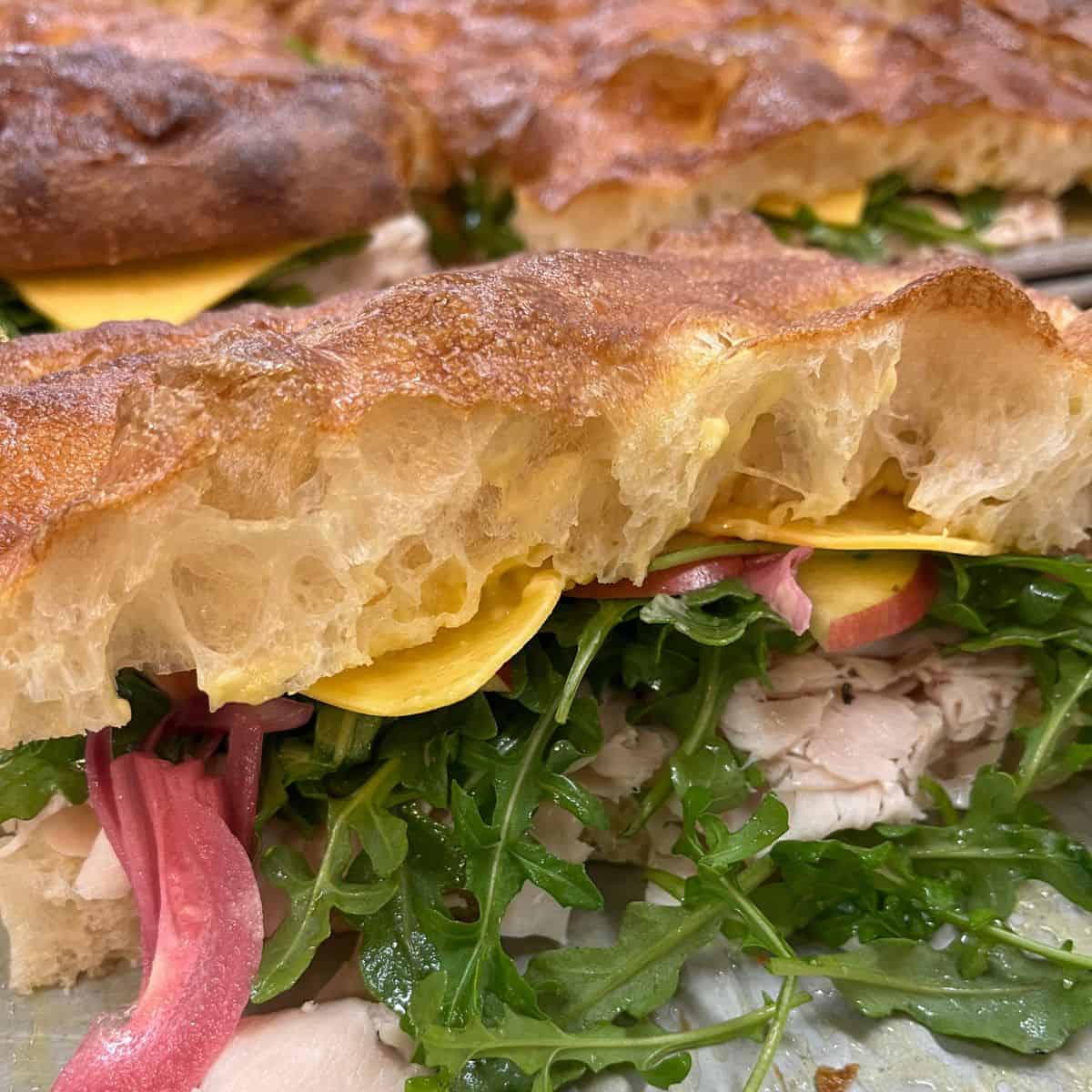
      Close up of turkey, cheddar, pickled onions, arugula and apples sandwiched between focaccia.
      [feast_advanced_jump_to]

      Recipe overview

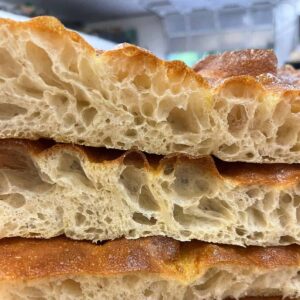
      This focaccia is soft yet sturdy, with a bubbly texture full of nooks and air pockets that are perfect for holding aioli, pesto, or olive oil—ideal for making sandwiches. Not only that, it’s versatile enough for Sicilian-style pizza, as table bread, or topped with a variety of sweet or savory ingredients. The dough can be refrigerated for up to three days, and the baked focaccia can be stored in the freezer for future use in panini.

      • This is a 2 day recipe. The overnight fermentation builds flavor, creates a more open crumb and yields a slightly chewier texture which is ideal for sandwiches.
      • For this sandwich focaccia, I’m using a 4.5-quart KitchenAid stand mixer with a dough hook attachment. (I’m also working on a recipe that can be made by hand—stay tuned for that version!)
      • For this recipe, we use a technique called bassinage (don't worry, it's not complicated!), so be sure to read the "Pay Careful Attention" section for details.
      • For a 1x batch of dough, a 9.5” x 13” quarter sheet pan yields the perfect thickness for sandwiches. If you prefer your focaccia thicker or thinner, simply adjust the size of the pan.
      • A 4.5-quart KitchenAid bowl is large enough to handle a 2x batch of the recipe.
      • For a large sheet of focaccia, a 2x batch of dough fits perfectly in an 18” x 13” half sheet pan.
      • When made in the recommended pan sizes, a 1x batch will yield approximately 6 sandwiches, while a 2x batch will yield about 12 sandwiches.

      Baker's Assistant: Dive Deeper

      For more in-depth information about topics covered on this page, follow the links

      • A Guide to Bread Making 12 Steps for the Home Baker

      Mise en place

      Have ready in advance:

      • KitchenAid mixer w/hook attachment
      • 9.5" x 13" sheet pan (for 1x recipe)
      • Parchment paper
      • Bench scraper
      • Cold water from fridge

      Ingredient Properties & Substitutions

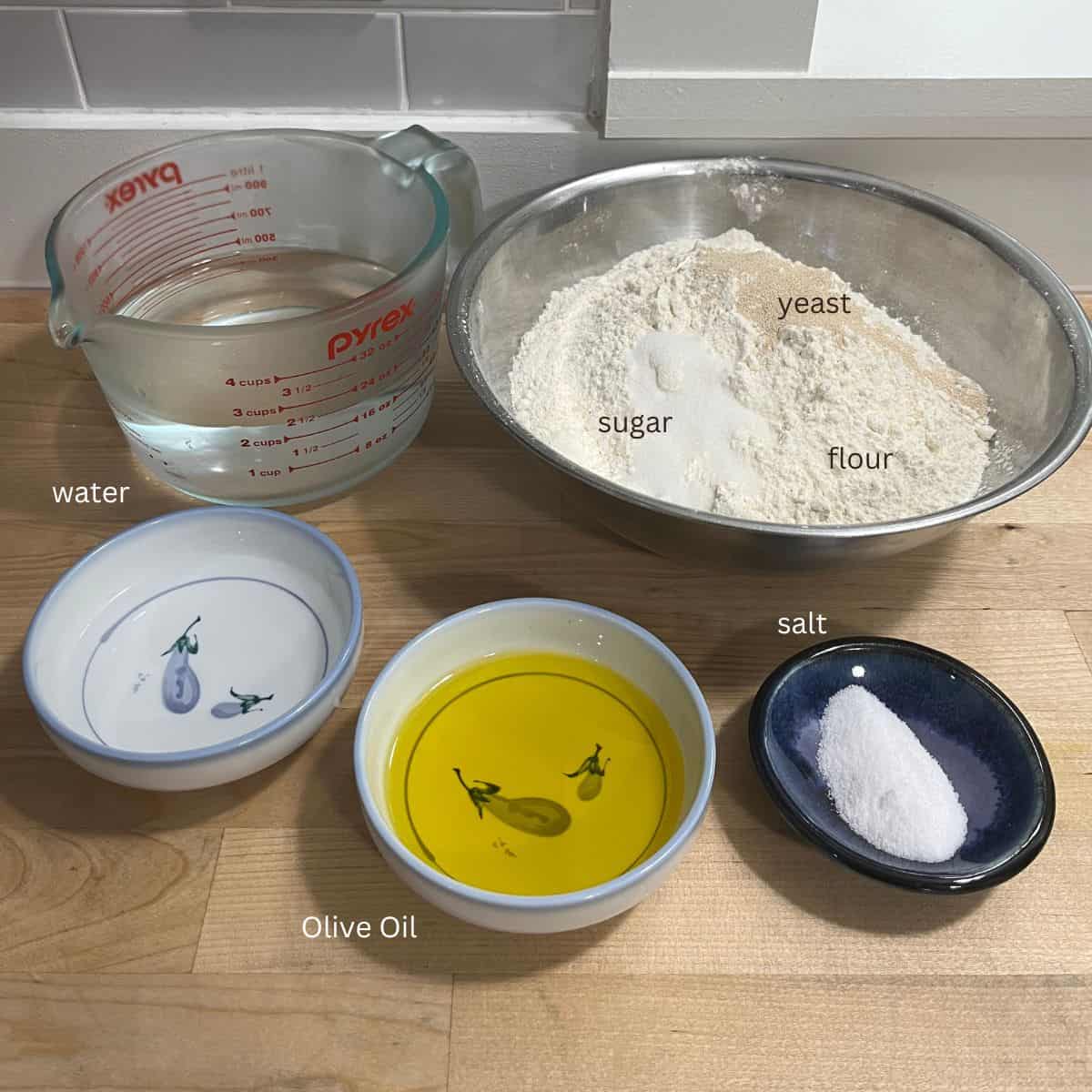
      Two bowls of water, olive oil, salt and a bowl with flour, sugar and yeast.

      Substituting ingredients in a recipe—especially when baking—will almost certainly affect the flavor and texture of the final product. Additionally, not using a scale to measure your ingredients can lead to inconsistent results. To ensure accuracy, I strongly recommend weighing your ingredients and following the recipe as written.

      Bread Flour – Protein content 12-14%. I like to use a combination of all purpose flour and bread flour so the focaccia is soft yet sturdy. You can substitute all-purpose flour, but the outcome may vary depending on the protein content.

      All-Purpose Flour – Protein content 8-11%. You can substitute bread flour for AP flour in this recipe. This will likely result in a focaccia that's less soft and a bit chewier.

      Cold Water – It's important that the water is cold from the fridge, or you can chill it by adding ice and then removing the ice before measuring. The dough may not come together properly if the water is too warm.

      Oil – Olive oil is recommended for this recipe, but you can use any oil in the dough. I suggest brushing the baked focaccia with extra virgin olive oil for enhanced flavor.

      Yeast – I prefer instant yeast because it can be added directly to the flour without needing to be bloomed (or activated) first. Active dry yeast requires blooming in warm water, and since this recipe involves cold dough, I don't recommend it. Instant yeast can be used in place of active dry yeast in any recipe and it's so much easier to work with! To substitute fresh yeast, refer to the notes section of the recipe card.

      Sugar – Granulated white sugar. It contributes to the soft texture of the dough and acts as food for the yeast. You can substitute honey or omit it entirely, but I have not tested this substitution.

      Salt – Provides flavor and helps control yeast activity.

      Technique

      Proper mixing, proofing, shaping and baking are all vital for making good bread. For more in-depth information please see: A Guide to Bread Making 12 Steps for the Home Baker.

      A shaggy dough mixing in a KitchenAid at slow speed.
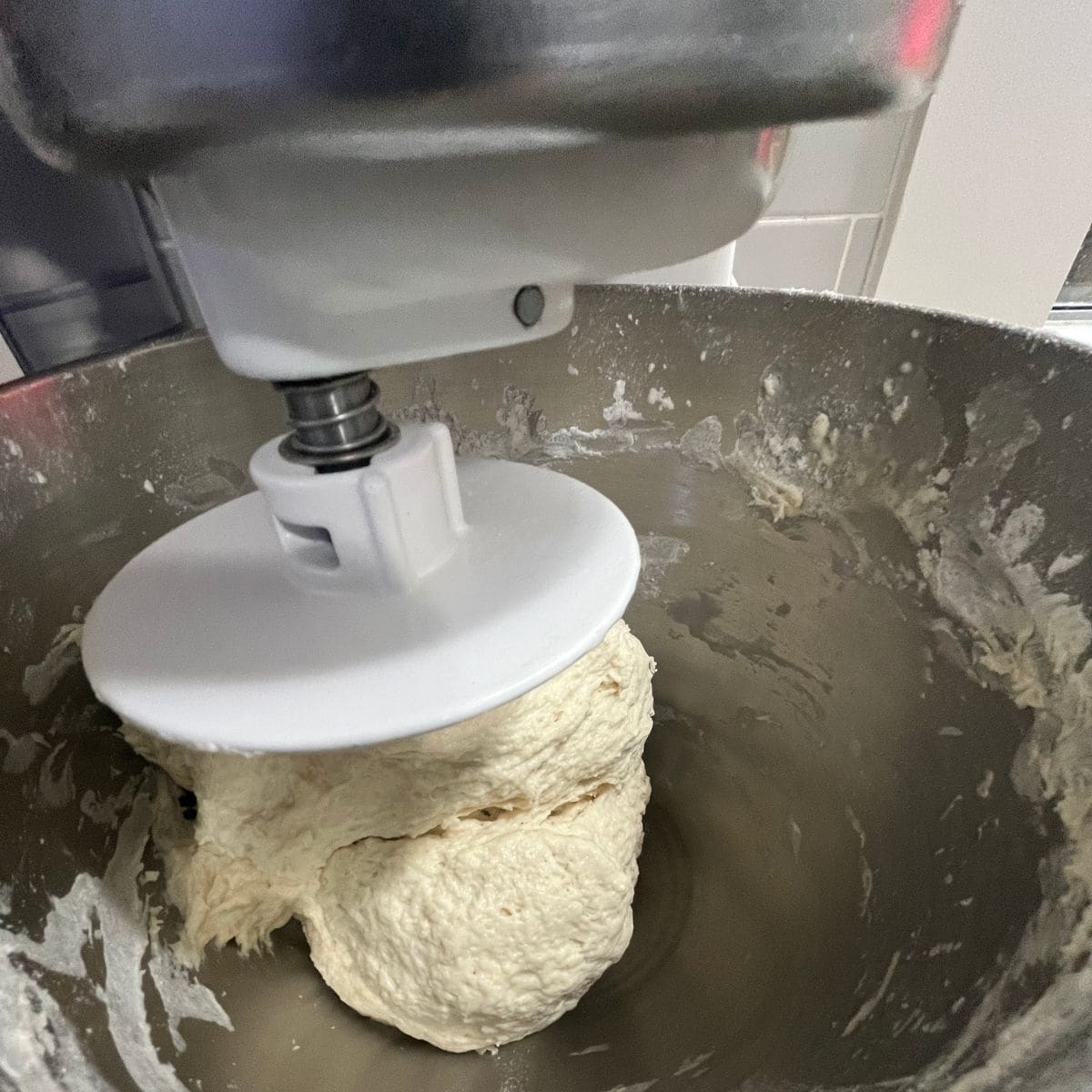
      In KitchenAid bowl, add 1st water, flour, yeast & sugar. Mix to combine. Cover & rest 10 min. Add salt and 2nd water. Mix 1 minute. Cover and rest 10 minutes.
      A smoother dough mixing in a KitchenAid at medium-high speed.
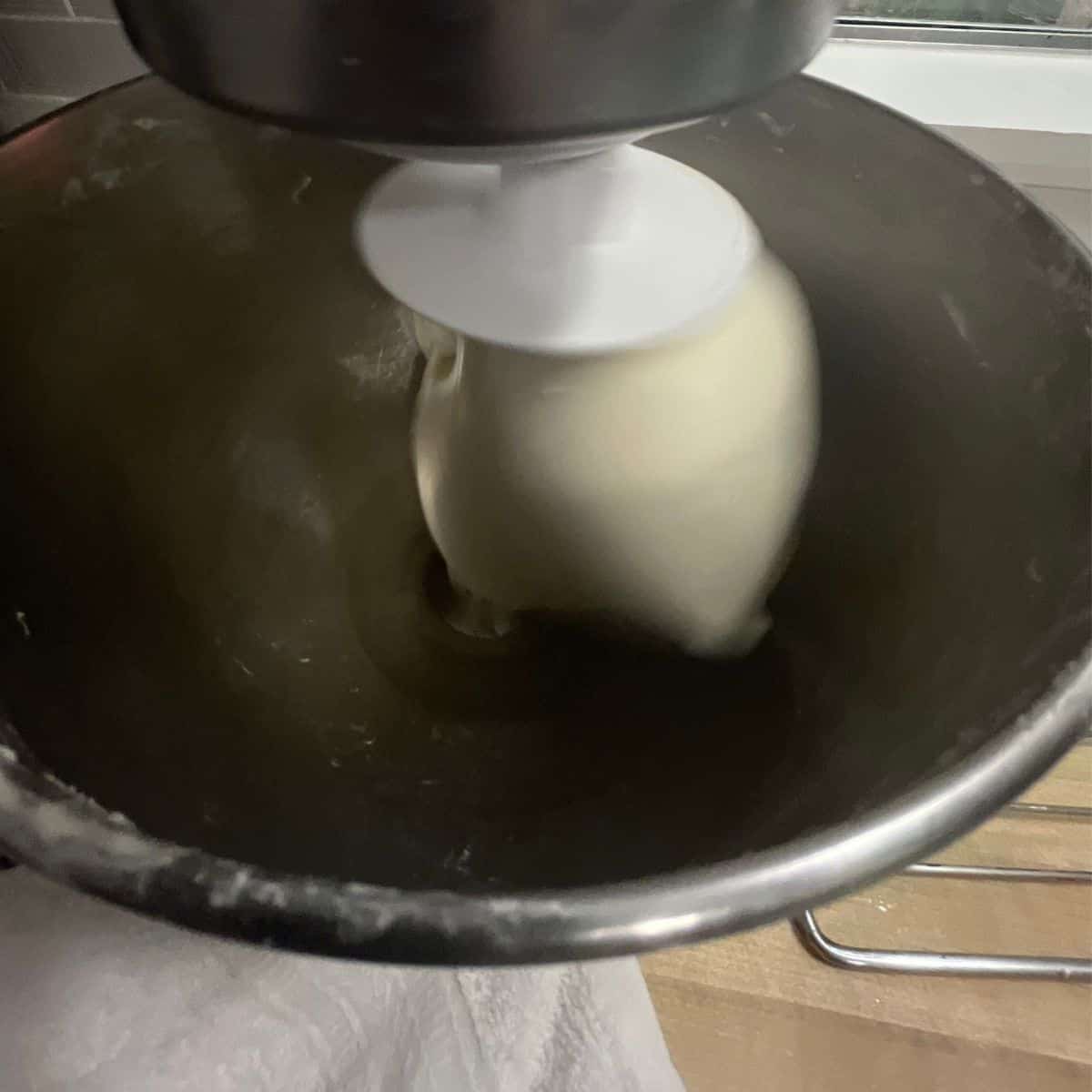
      Add oil. Mix 5 minutes. Dough should be smooth, and pass the windowpane test.
      Two focaccia dough, rounded with smooth tops.
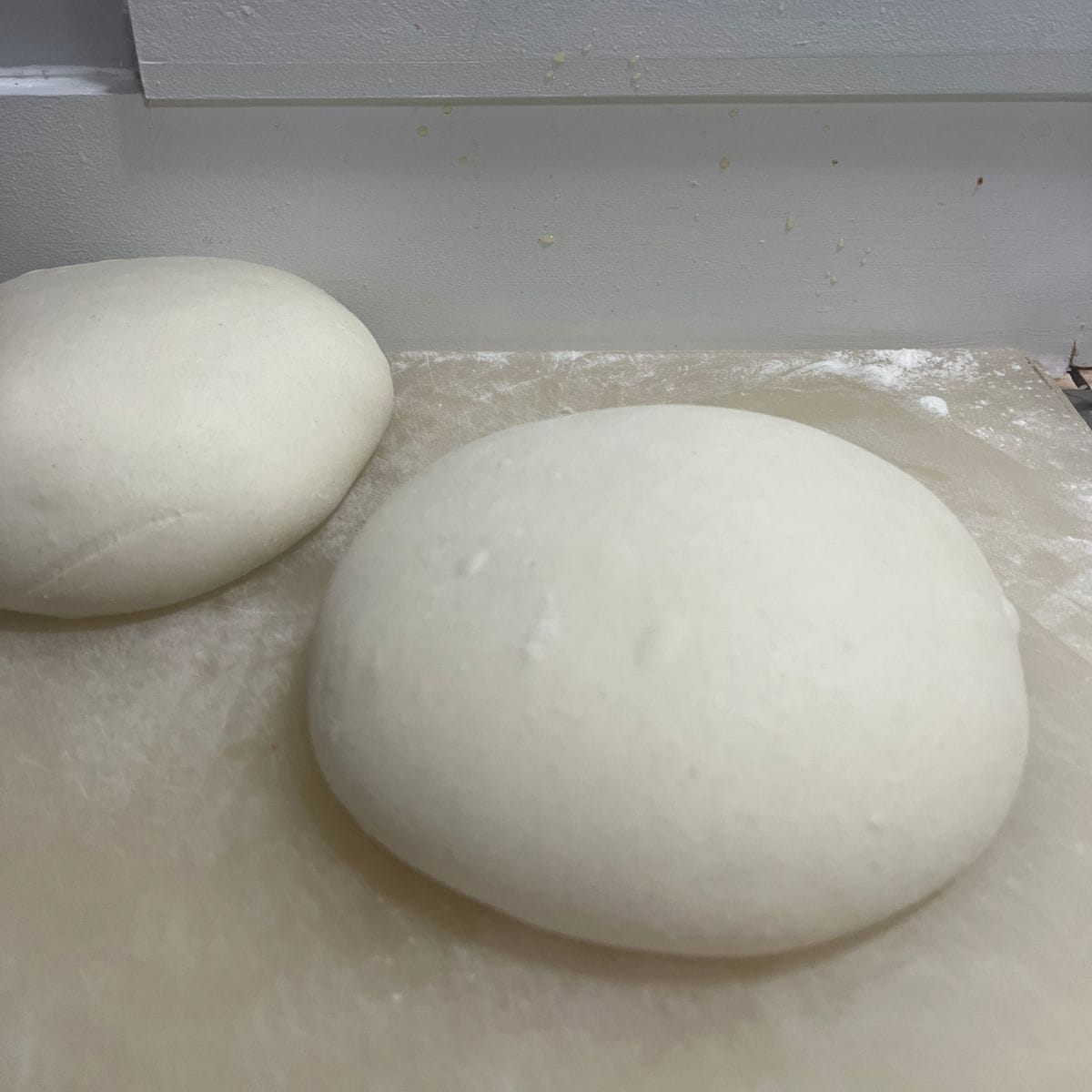
      On a counter dusted with flour, round the dough(s) into a ball.
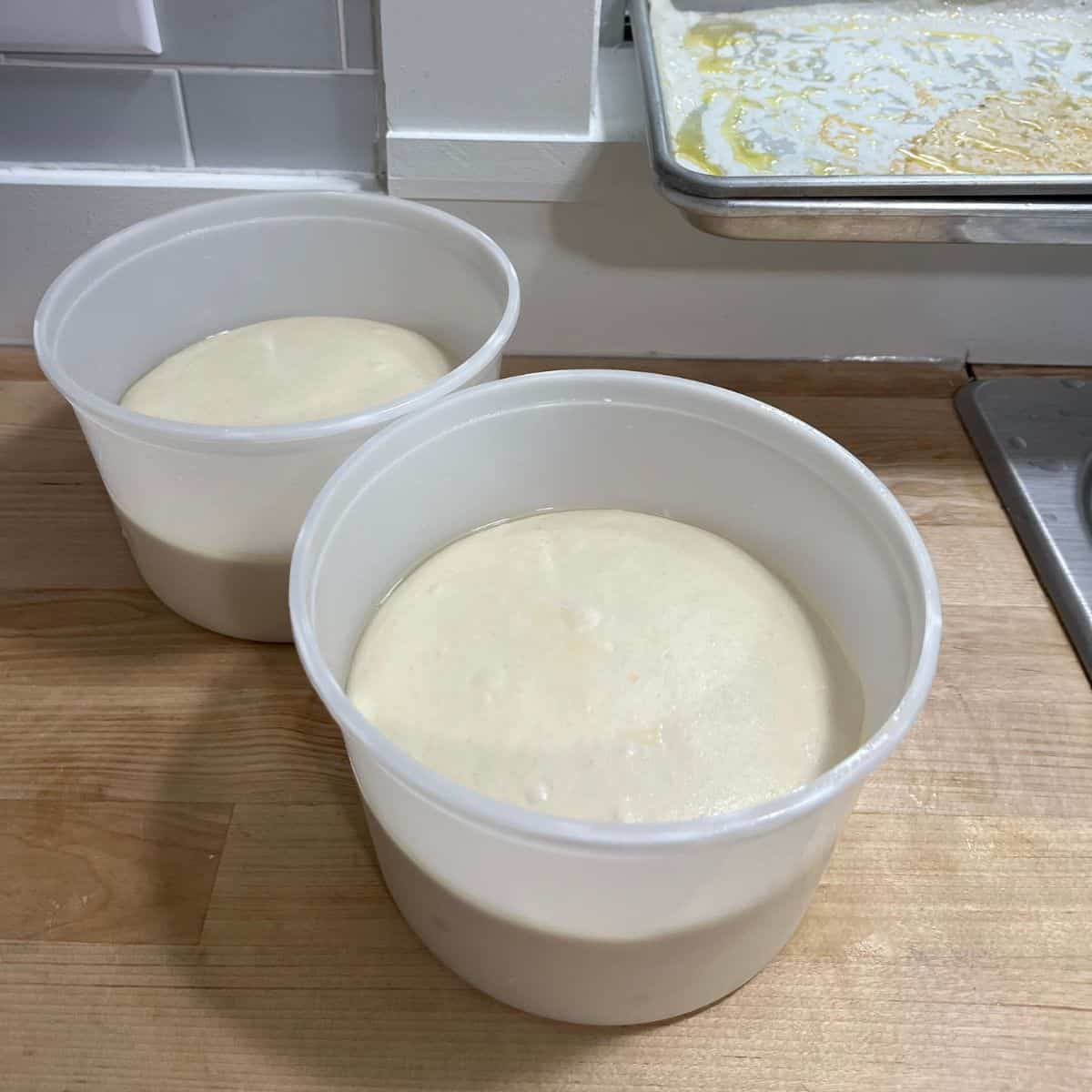
      Two focaccia doughs in containers, risen, after being in the fridge.
      Place dough(s) a lightly oiled container, cover and rest in fridge overnight.
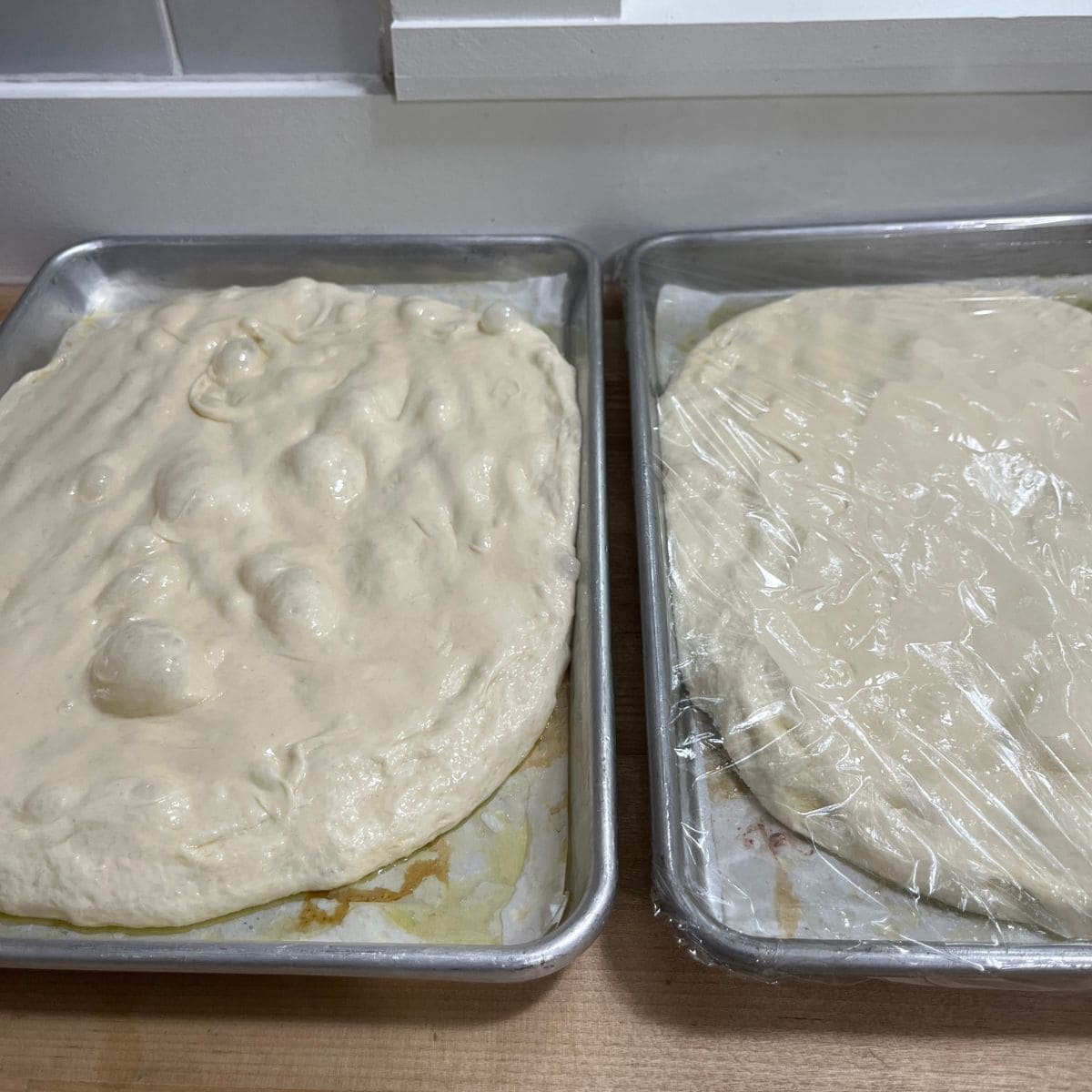
      Two trays of focaccia dough, flattened and stretched ¾ of the way.  One dough shows plastic covering it.
      Brush 2-3 tablespoons of EVOO onto a parchment-lined sheet tray. Transfer dough to tray, smooth side up. Using oiled hands, flatten and stretch.. Cover with plastic wrap and place in a warm room.
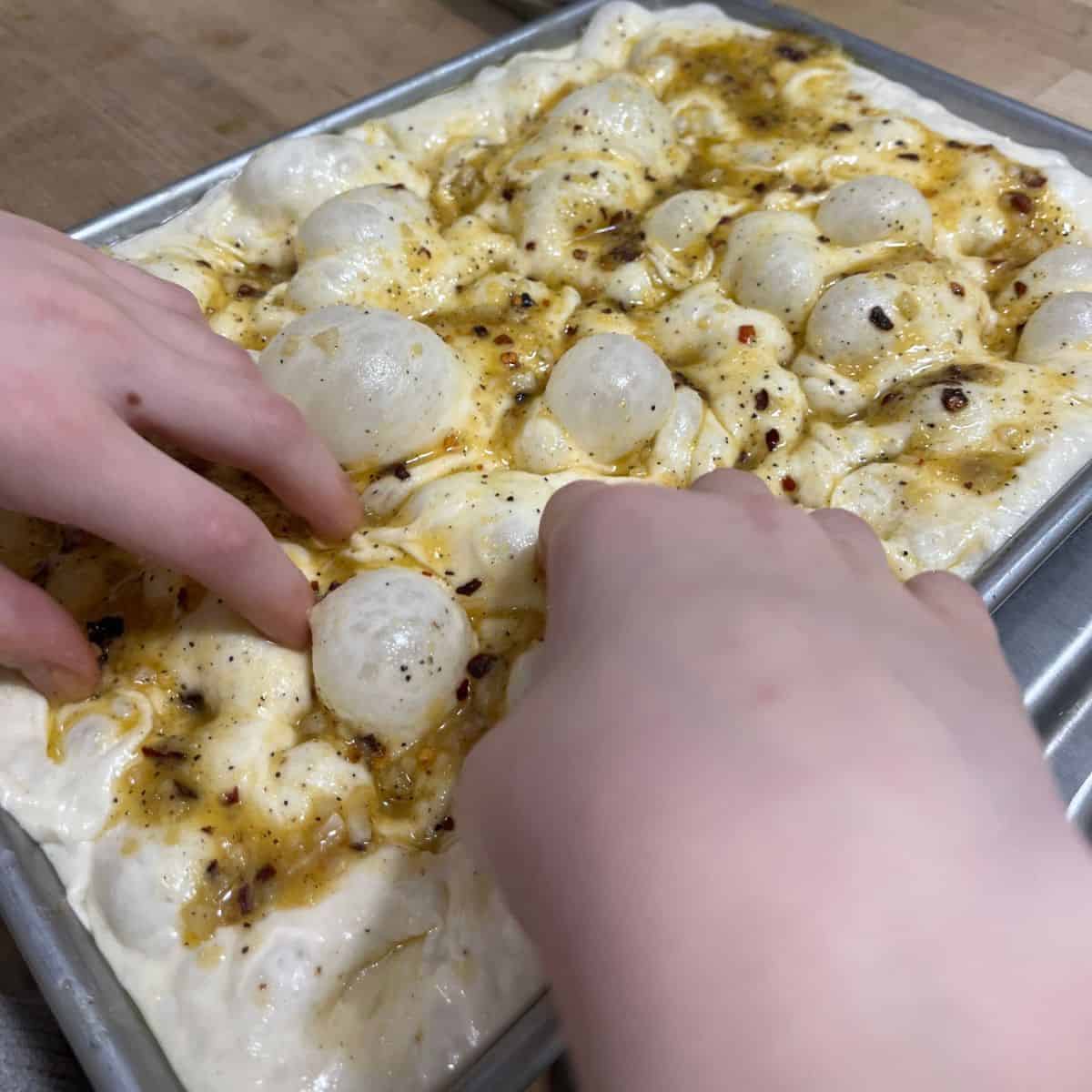
      Two hands dimpling focaccia dough.  Dough fills the pan completely and is showing bubbles.
      As the dough is proofing, stretch it two or three more times (allowing it to relax for 30 minutes after each stretch) or until the dough reaches all corners and sides of the pan. Continue to proof until the dough has reached the top and filled the pan. Drizzle oil, and dimple.
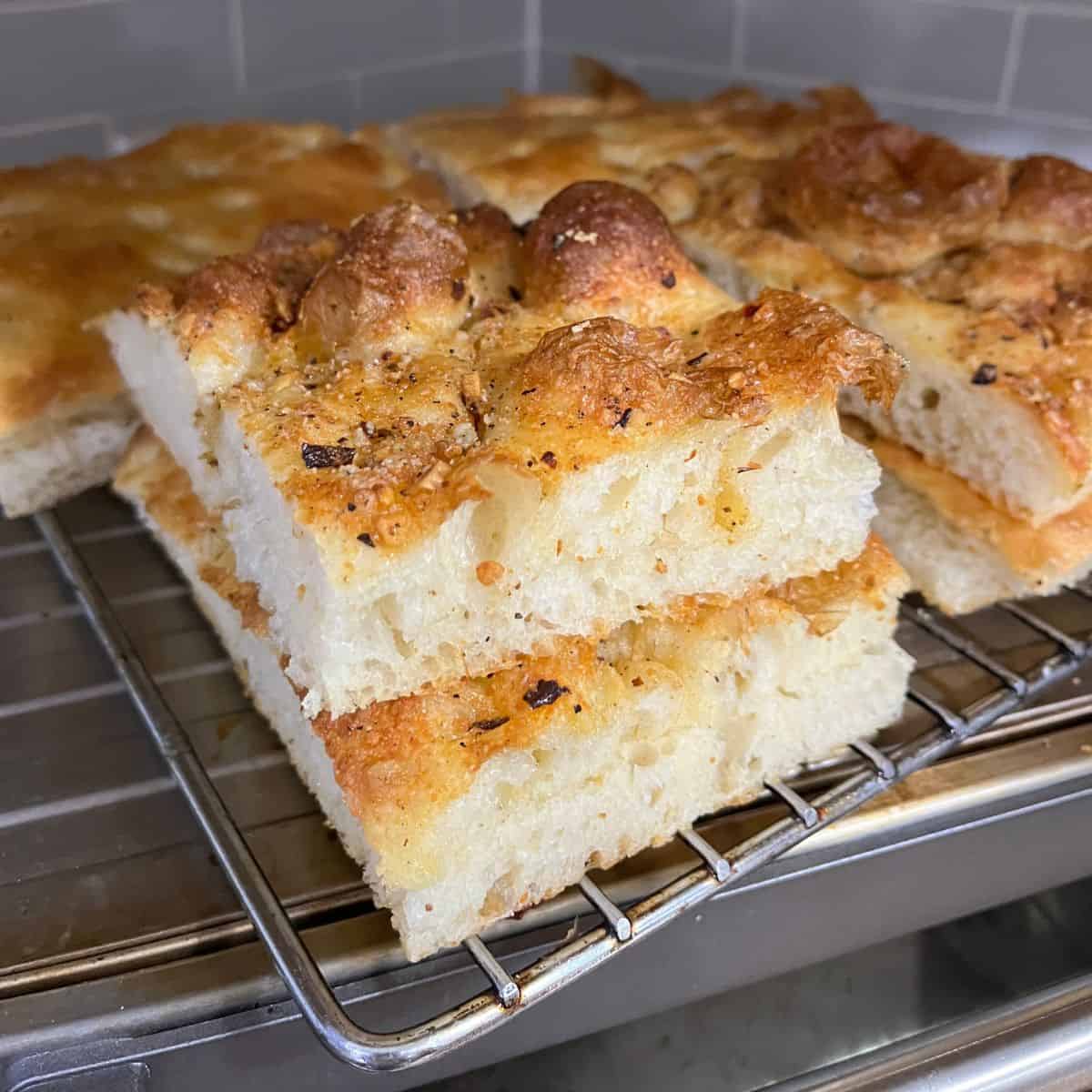
      Several pieces of sandwich focaccia sliced and on cooling rack.
      Place your focaccia in a preheated 500 degree oven. Drop temperature to 450. Bake for approximately 20-25 minutes, or until the top and bottom are golden. Transfer focaccia to wire rack. Brush with olive oil.
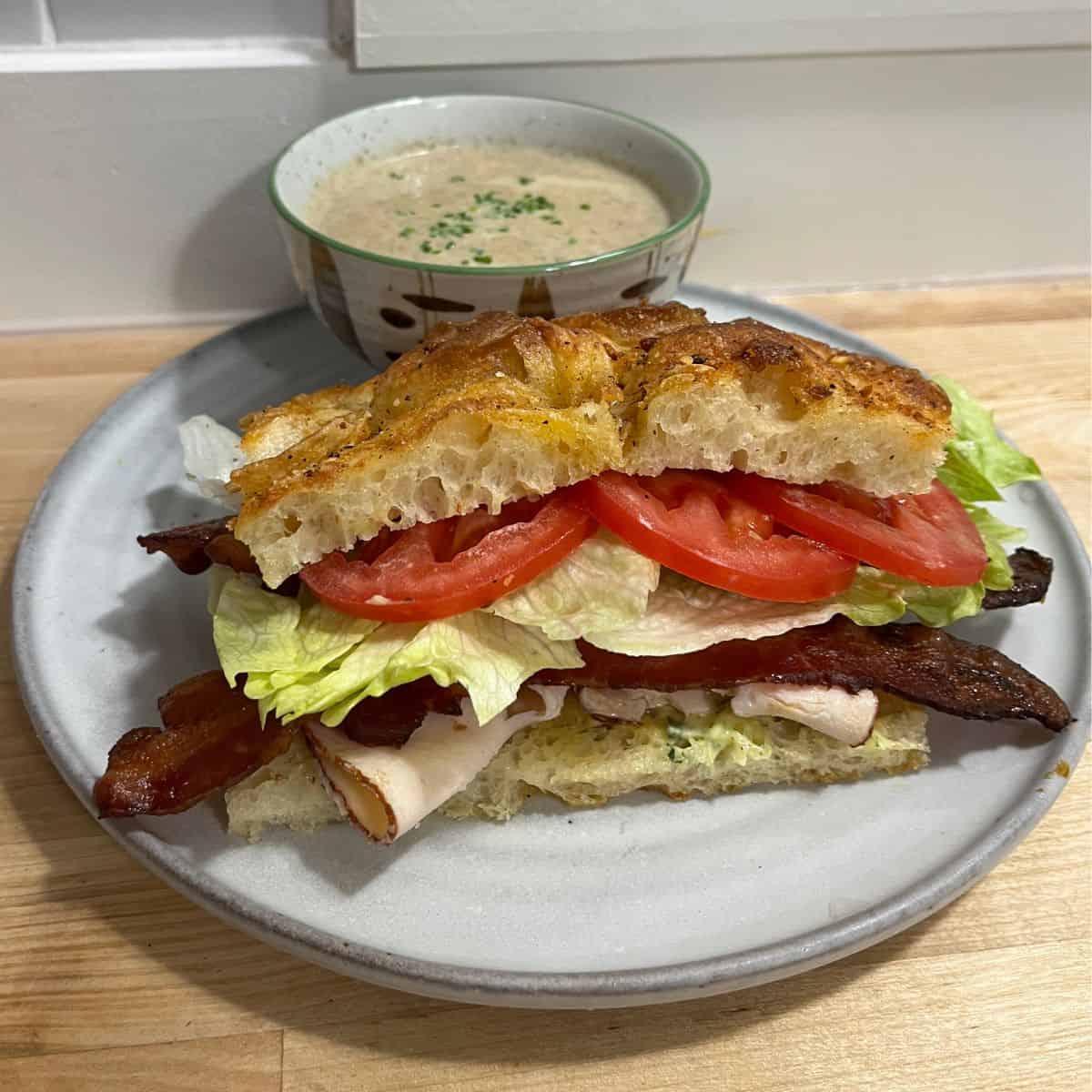
      A turkey, bacon, lettuce and tomato on focaccia with a cup of soup in the background.
      Once cool, cut into desired sizes and slice in half for sandwiches.

      Pans

      Two pans with dough filled to the sides and top.  There are numbers that show the pan is 9" x 13".

      You can bake focaccia in just about anything—cake pans, PYREX glass dishes, muffin tins, cast iron (especially great!), but for sandwich focaccia and Sicilian-style pizza, a 9.5" x 13" quarter sheet pan works best for a 1x batch of dough from this recipe.

      For a larger sheet of focaccia, make a 2x batch of dough and use an 18" x 13" half-sheet pan.

      When baked in the recommended pan sizes, a 1x batch will yield approximately 6 sandwiches, while a 2x batch will yield about 12 sandwiches.

      Pay careful attention

      Four points to pay attention to for soft, bubbly focaccia.

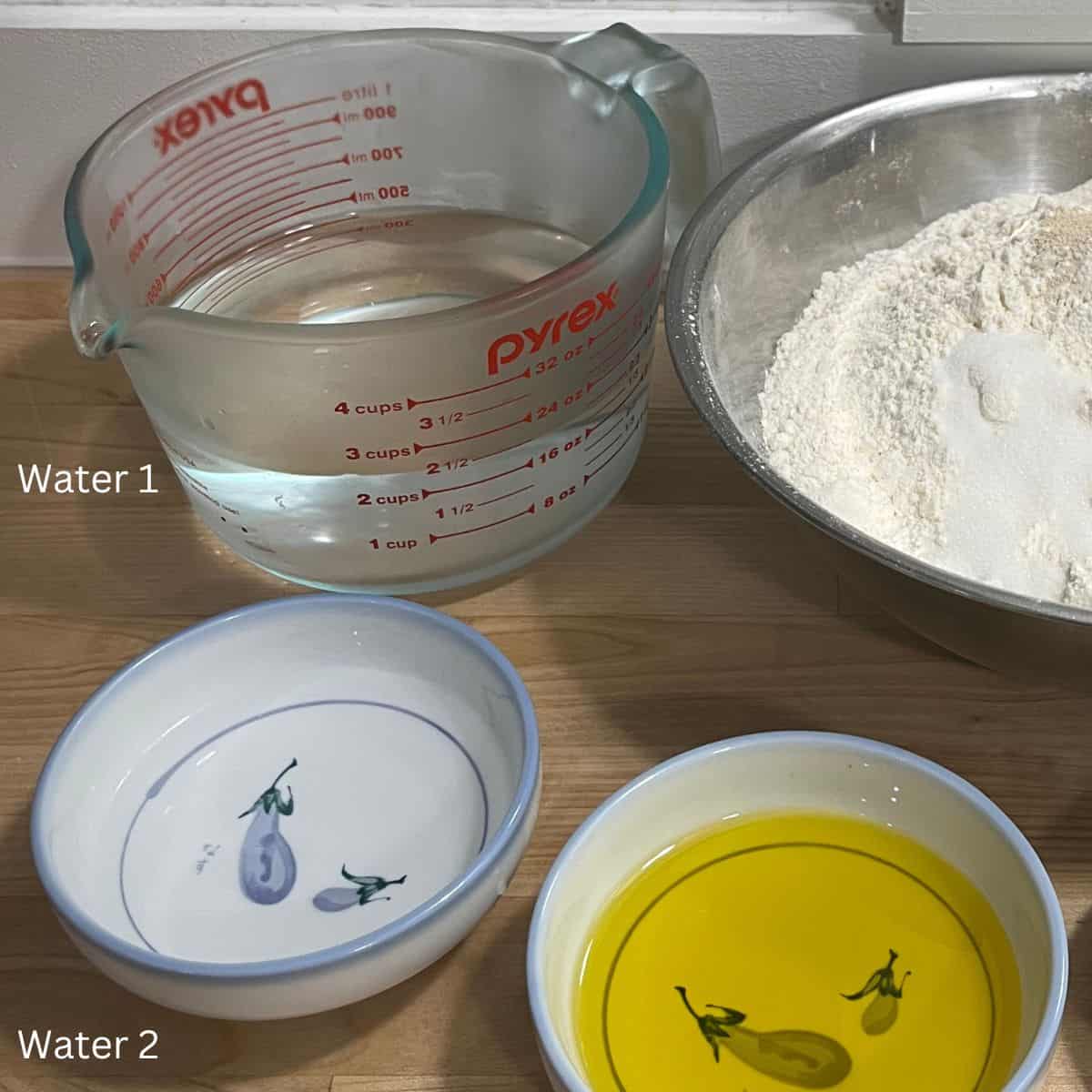
      An image to show that there are two separate waters measured.
      This recipe uses a technique called bassinage. Essentially, we set aside a portion of the water—10% in this case—to add after the dough has developed some gluten structure. This technique allows the dough to absorb more water without overheating. You may see it used in recipes where bread and pizza doughs with higher hydration undergo cold bulk fermentation. If you add all the water at once, there's a risk the dough will break down before it has a chance to form enough gluten.
      A closeup of the focaccia dough after mixing and shaping round to show the smoothness.
      Mix until full gluten development is achieved. A well-formed gluten network gives the dough the strength to trap air as it rises and bakes. Under-mixing may result in dense focaccia. Dough should be smooth and springy and pass the windowpane test.
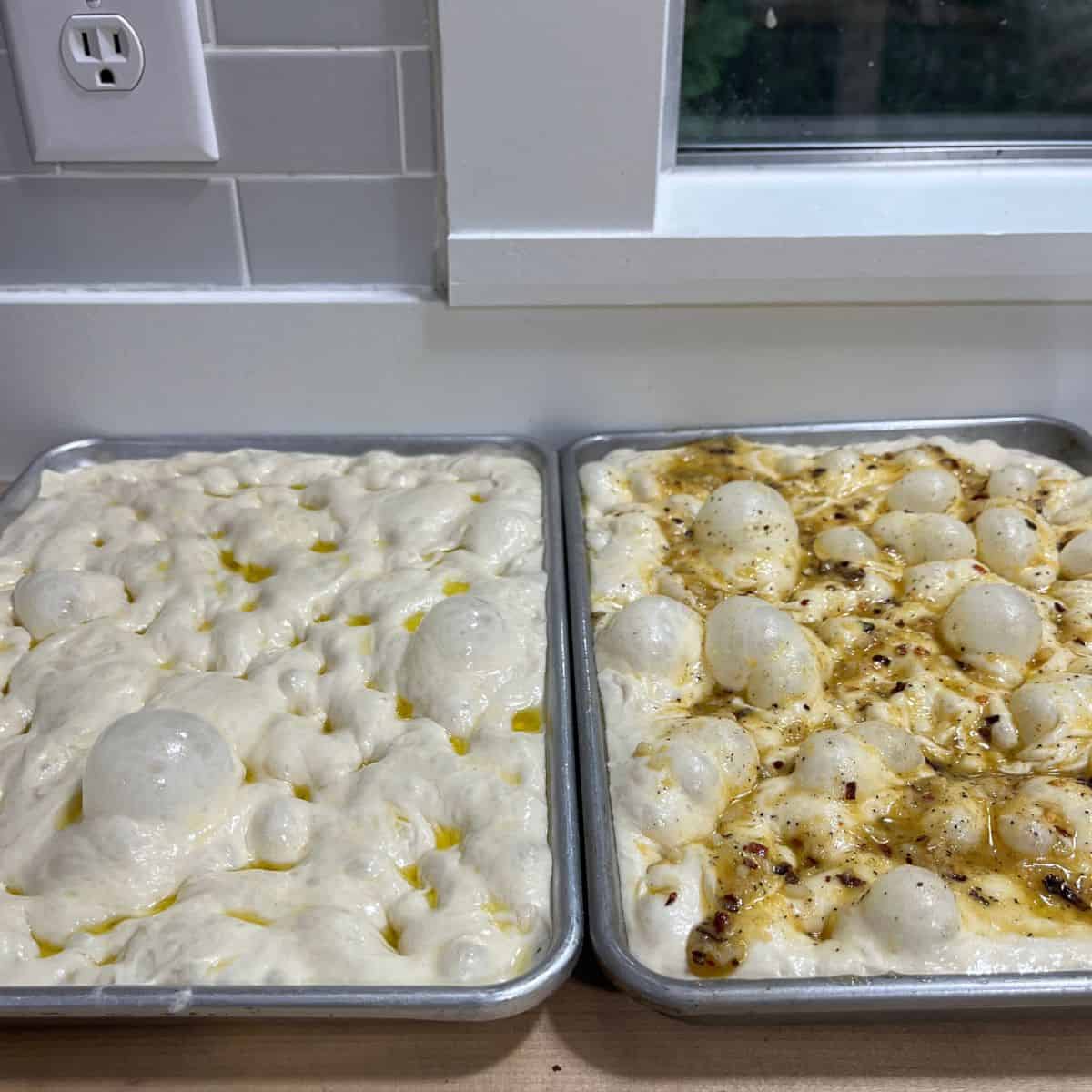
      Two trays with focaccia dough filling the pan.  Dimpled and ready for the oven.
      The sandwich focaccia is fully proofed and ready for the oven when the dough is jiggly and bouncy, rises to the top of the pan (if using the sheet pans suggested), and produces bubbles when dimpled.
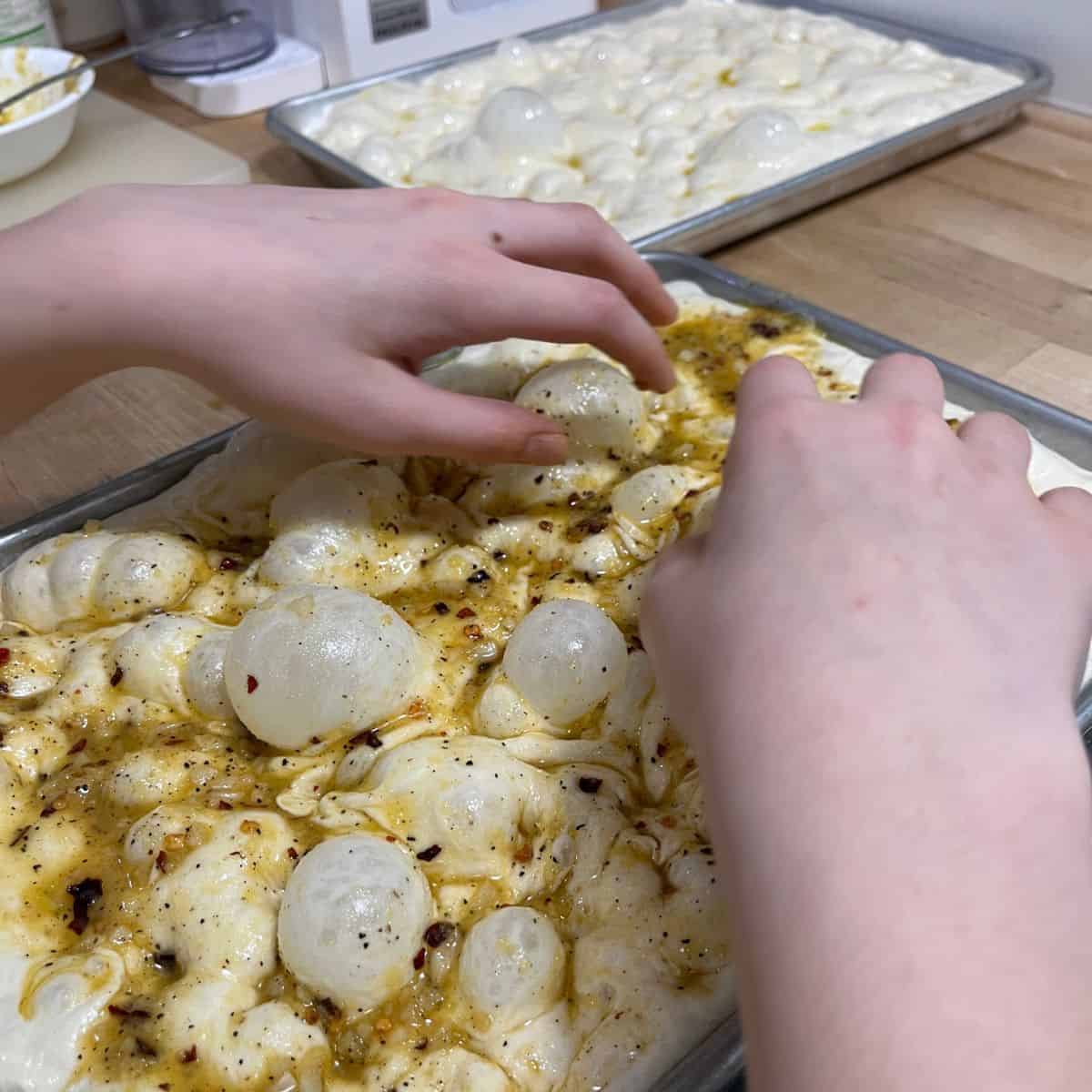
      Two hands and a bubbly focaccia dough to show how to dimple.
      If making focaccia for sandwiches, avoid pressing your fingers all the way down to the bottom of the pan. This can create holes in the bottom crust, which isn't ideal for holding spreads and fillings.

      Baker's Assistant: Make Extra & Freeze

      It's incredible how homemade bread can transform your lunch into something truly special. A plate of warm focaccia with extra virgin olive oil and balsamic vinegar for dipping, paired with olives and cheese, makes for a lovely light meal on a sunny afternoon. Or imagine a swipe of aioli, a few slices of salami and provolone, topped with lettuce, tomato, and pickled onions, all nestled between slices of your homemade focaccia. Wrap your sandwich in parchment and head out for a picnic.

      Other delicious ideas? Warm prosciutto paninis, fresh caprese sandwiches, pizza toast topped with arugula, soup and a side of focaccia, crostini for your cheese plate, or croutons for your salad.

      Always Make Extra! No matter how easy a recipe is, good bread still takes time. When mixing a batch of dough, consider making enough for an extra sheet of focaccia—bread freezes incredibly well and comes in handy when you need to throw a meal together.

      How to Freeze Baked Focaccia: Don’t just throw the whole sheet in the freezer. Cut it into pieces and slice it in half if you plan to use it for sandwiches. Place it in a ziplock bag or wrap it tightly with plastic wrap. When you're ready to use it, simply thaw on the counter or pop it into the toaster oven—ready in minutes!

      Sandwich Focaccia

      A two-day focaccia that uses cold fermentation to build flavor. Sturdy and full of air pockets, it’s ideal for sandwiches.
      This recipe is a two-day process. Please note that there are instructions for "Day 1" and "Day 2".
      The equipment section lists only the specific 'specialty' items needed for this recipe. Additional bowls, spoons, cups, and spatulas may also be required. Please use a scale for the best results.
      Print Recipe Pin Recipe Add to Collection Go to Collections
      Prep Time 30 minutes mins
      Cook Time 28 minutes mins
      Fermentation Time 20 hours hrs
      Total Time 20 hours hrs 48 minutes mins
      Course Appetizer, lunch, Side Dish
      Cuisine Italian
      Servings 6 pieces
      Calories 253 kcal

      Equipment

      • KitchenAid Mixer w/hook attachment
      • Kitchen Scale
      • 9x13 pan (see Pans for Focaccia)
      • Bench Scraper
      • Parchment Paper (see note1)

      Ingredients


      Mix Together

      • 254 g Water #1 Cold from fridge
      • 170 g Bread Flour
      • 170 g All Purpose Flour
      • 3 g Instant Yeast See note2
      • 3 g Granulated Sugar

      2nd Water (Bassinage), Salt & Oil

      • 7 g Salt
      • 28 g Water #2 Cold from fridge
      • 30 g Olive Oil

      Brush After Baking

      • Extra Virgin Olive OIl as needed

      Instructions
       

      DAY 1 - MAKE DOUGH

        Combine first five ingredients

        • Add the first portion of water to the KitchenAid bowl. In a separate bowl, combine the bread flour, all-purpose flour, yeast, and sugar, then add the dry ingredients to the water.
        • Place the KitchenAid bowl on the mixer and mix on low speed using the dough hook attachment. Once the flour is fully hydrated, cover the bowl with plastic wrap and let it rest for 10 minutes

        Bassinage

        • After the 10-minute rest, remove the plastic wrap and add the salt and the second portion of water to the dough. Mix on low speed for 2 minutes. Cover the bowl with plastic wrap and let it rest for 5 minutes.
        • After 5 minutes, remove plastic, add the 30g of olive oil and mix on medium-high speed (about speed 6) for 4-5 minutes. The dough should be smooth and shiny. Tacky but not sticky. If the dough isn't smooth after mixing for five minutes. See note 3
        • Remove the dough from the bowl and place onto floured work surface. Shape it into a ball, transfer it to a lightly oiled bowl, and cover with plastic wrap.
          If making a 2x batch of dough, and are using two pans, divide the dough into two equal pieces (each dough should weigh about 650g). Shape into balls, and place each into its own oiled bowl. Cover with plastic wrap.

        DAY 2 - PROOF & BAKE

          Proof

          • Lightly oil a 9 x 13 sheet pan with a neutral oil (this helps prevent the parchment from sliding around). Place a sheet of parchment paper on top and drizzle with olive oil. Using your hands, spread the olive oil over the parchment, including the edges of the pan. The amount of olive oil you use depends on your taste, but generally, 2-3 tablespoons should be enough.
          • About 1.5-3 hours before baking, remove the dough from the fridge (proofing time will depend on the temperature of the room). Remove the dough from the bowl and transfer it to the prepared sheet pan, smooth side up. Lightly coat the top with olive oil and gently flatten and stretch the dough as much as it will allow (don’t force it; we’ll continue to stretch it as it relaxes). Cover with plastic wrap and place in a warm spot.
          • After about 30 minutes, remove the plastic wrap and stretch the dough toward the edges. You don’t need to be overly gentle, but avoid flattening or forcing it. When it doesn’t stretch further, cover with plastic wrap and return it to the warm spot. Repeat this stretching process until the dough reaches all corners and sides. Cover with plastic wrap and return to the warm spot. Now, we wait for the dough to rise and fill the pan.

          Bake

          • About 15 minutes before your dough is ready to go into the oven preheat your oven to 500℉. See note 4
          • Carefully remove the plastic wrap from the dough. Drizzle a little oil on top and dimple the dough (for less oil, you can dip your fingers in oil and dimple it). See note5
          • Place the pan in the oven and turn the temperature down to 450℉. Bake for approximately 20-25 minutes, rotating the pan halfway through. The top and bottom should be golden when finished. See note6

          Finishing & Cooling

          • Remove the focaccia from the oven and transfer it to a cooling rack. If the bread is stuck to the edges of the pan, use a bench scraper to release it. Brush with olive oil and allow to cool fully before cutting.

          Notes

          1. Parchment paper is not necessary if you're using non-stick or well-seasoned cast iron pans. You can also purchase 18" x 13" parchment sheets on Amazon.
          2. If you're using fresh yeast, increase the quantity to 6g. Crumble and add it to the water, then proceed with the recipe as instructed. I do not recommend using active dry yeast for this recipe (see the explanation in the post).
          3. Dough isn't smooth after mixing? If the dough isn't smooth after mixing for five minutes, place it in a lightly oiled bowl and refrigerate it. After 20 minutes, give the dough a fold, and again after 40 minutes. The dough should then be smooth. Resume at step 3 under "Bassinage."
          4. When is the dough ready for the oven? If you're using a 9 x 13 sheet pan, a fully proofed dough should rise to the top of the pan and nearly fill it. Here are some additional indicators to watch for:  dough is jiggly and bouncy, and produces bubbles when dimpled.
          5. Dimpling dough for sandwiches: To avoid large holes in the bottom crust of your focaccia, be gentle and avoid pressing all the way down to the sheet pan.
          6. Oven times and temperatures: Baking times can vary depending on your oven and pan size. Some ovens run hotter (or colder), have hot spots, or behave differently in convection mode. In a commercial convection oven, I baked this focaccia for 12 minutes at 400°F (500°F preheat).

          Nutrition

          Serving: 6piecesCalories: 253kcalCarbohydrates: 43gProtein: 7gFat: 6gSaturated Fat: 1gPolyunsaturated Fat: 1gMonounsaturated Fat: 4gSodium: 456mgPotassium: 64mgFiber: 2gSugar: 1gVitamin A: 1IUVitamin C: 0.002mgCalcium: 10mgIron: 2mg
          Keyword 2-day, bassinage, focaccia, kitchenaid, mixer, overnight, sandwich focaccia
          Tried this recipe?Let us know how it was!

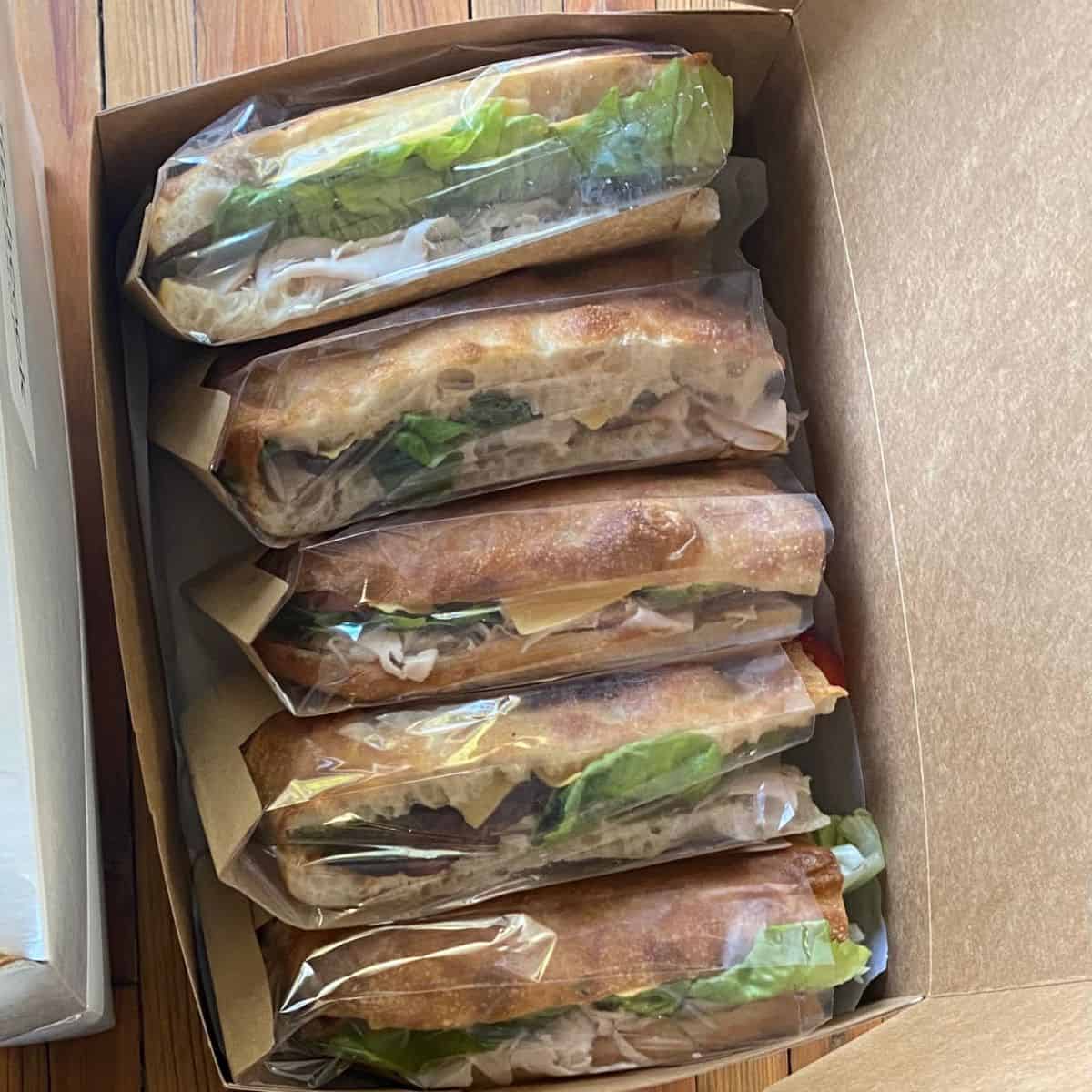
          Six turkey and cheese focaccia sandwiches with lettuce and tomato, packaged in a box.

          Credit, sources, shout outs (& sometimes ramblings)

          Very few recipes are true originals. Here is where I share my inspiration and cite my sources.

          There are as many ways to make focaccia as there are ways to eat it—this recipe is just one of many variations. At the end of the day, no matter which focaccia recipe you follow, the ratios of flour, water, sugar, salt, yeast, and oil remain quite similar. This is because each bread variety has its own set of ratios. You can adjust the proportions of each ingredient slightly in either direction, but careful - going too far can result in your bread no longer being focaccia.

          If the first part of the bread equation is the ingredients, and their ratios, the second part is the method. How you choose to make your focaccia depends entirely on what's at your disposal and what you’re hoping to achieve. Timing restrictions? Don’t have a mixer? Looking for maximum flavor? A fluffier texture? Adjusting the method, along with minor tweaks to the formula, will help you create a recipe that fits your schedule and is uniquely yours.

          Baker's Assistant: Baker's Percentage

          Flour 100%

          Water 83%

          Sugar 1%

          Yeast 1%

          Salt 2%

          Oil 8%

          Why should you trust my recipes? You can read about me here.

          Bread Making Explained: The 12 Steps That Matter

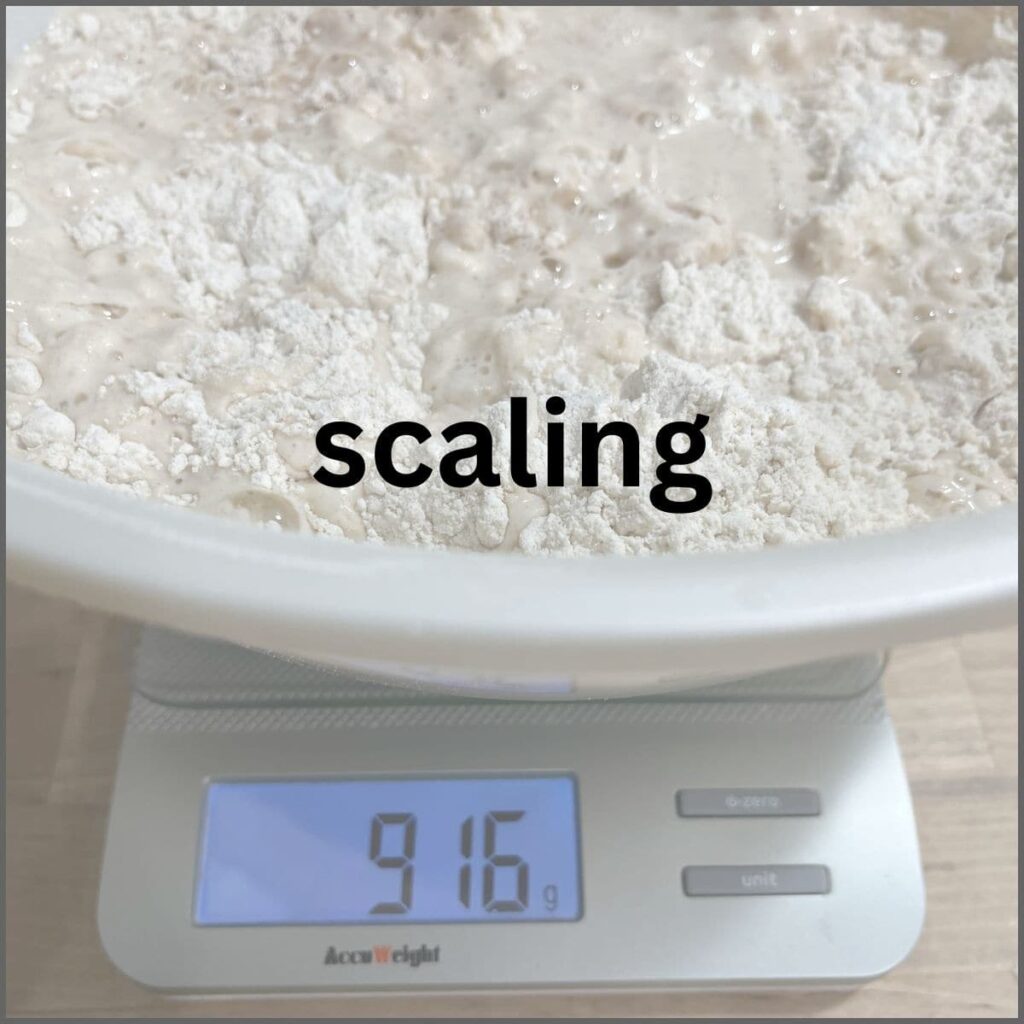
          Bowl of flour and water on a scale
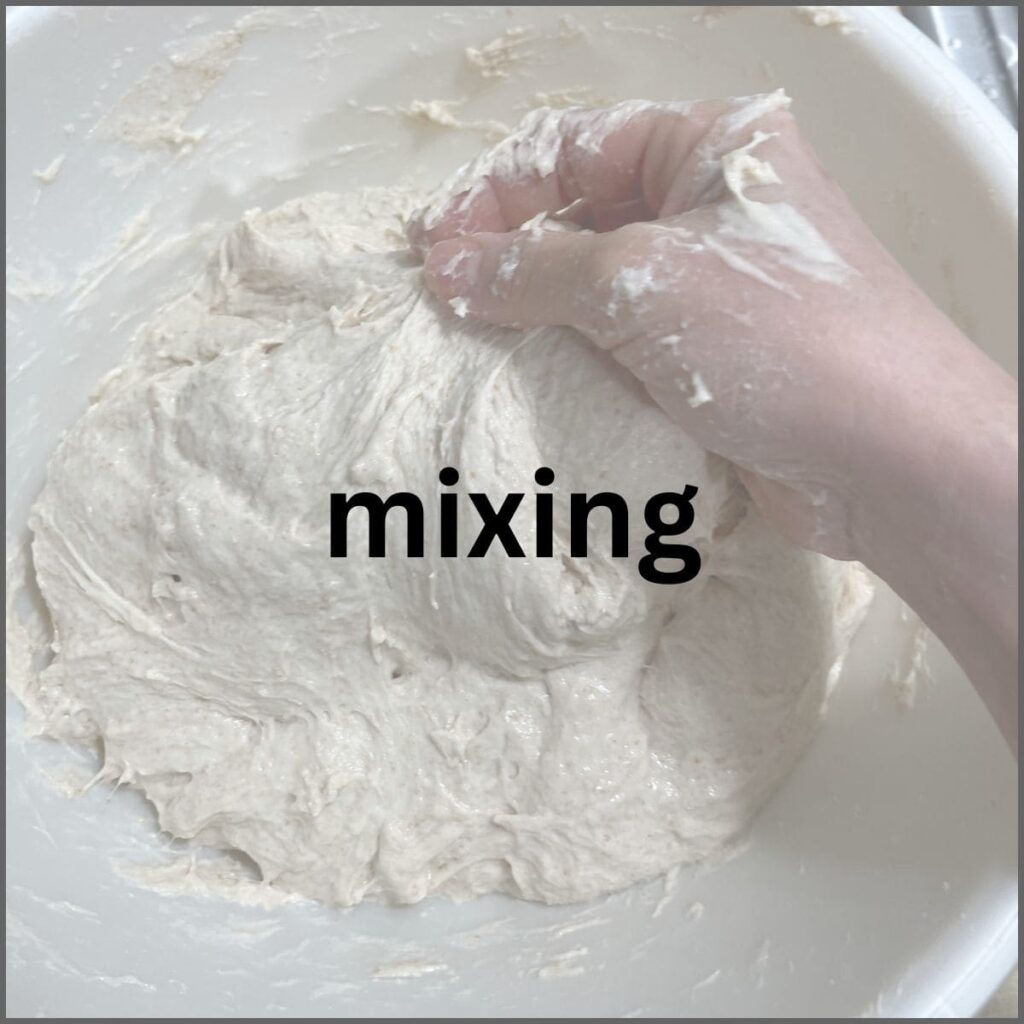
          A hand mixing dough.
          A bowl with smooth dough
          Two hands lifting dough up from the center
          Two doughs, with a scale, bench scraper basket and bread pan in the background.
          Two preshaped doughs, with a scale, bench scraper basket and bread pan in the background.
          Two pre-shaped doughs covered with plastic wrap.
          One dough in a pan and one dough in a proofing basket before putting it in the fridge.
          One dough in a pan and one dough in a proofing basket after putting it in the fridge.
          A loaf of scored dough with a lame in the background.
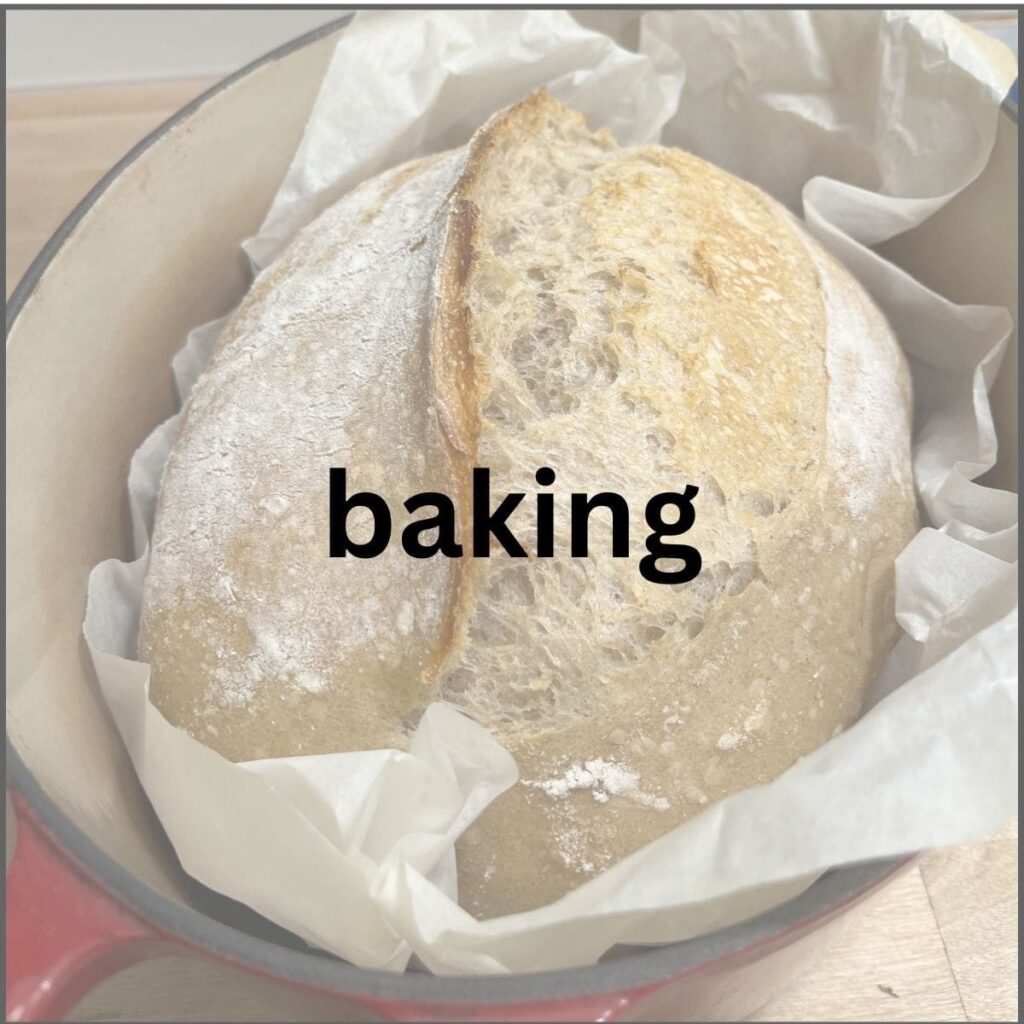
          Dough after 20 minutes of baking in the dutch oven.  Lid removed.
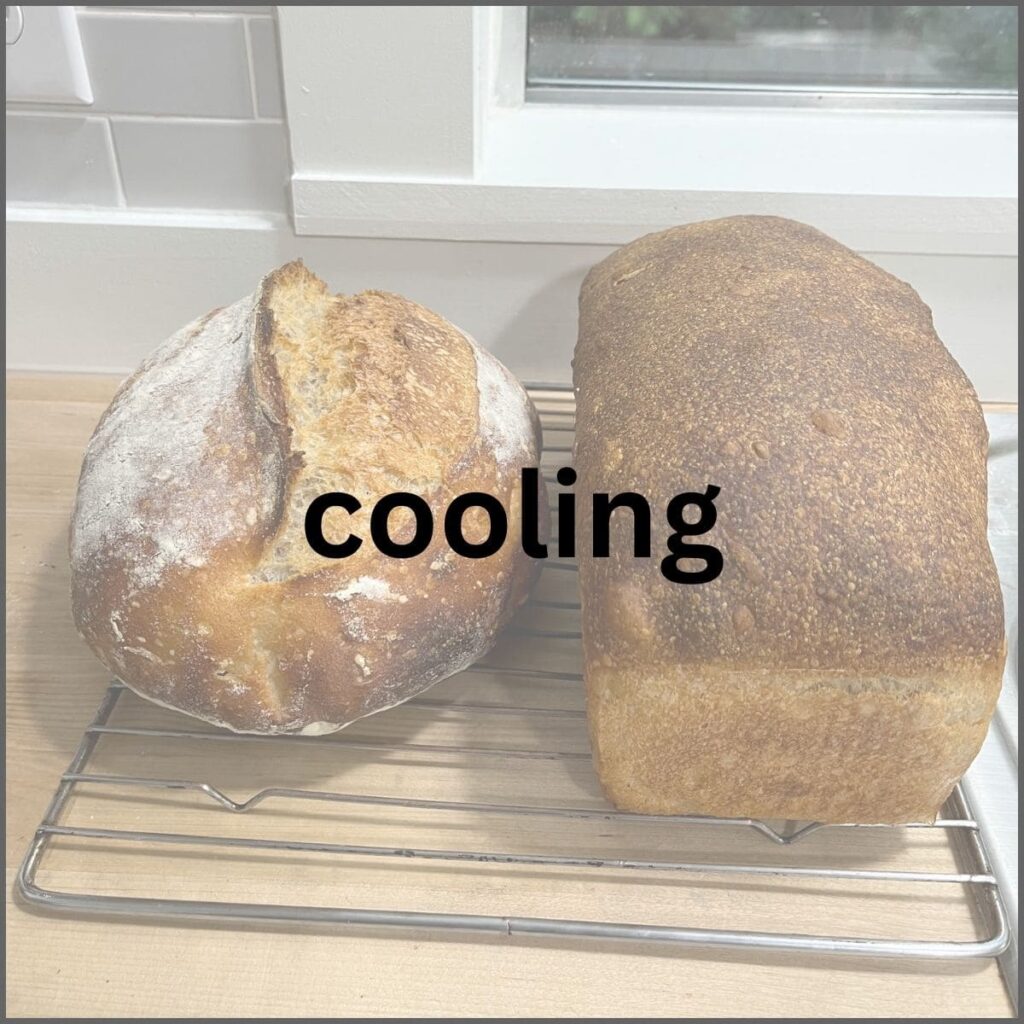
          Two loaves of bread on a cooling rack.

          Introduction

          Bread baking can feel complicated at first.

          There are a lot of steps, a lot of variables, and a lot of moments where things don’t go as expected.

          But at its core, bread making is simpler than it seems.

          Bread making is the process of developing structure in a dough - made from flour and water - then transforming it through baking into a finished product.

          In most breads, yeast (or natural leaven) plays a central role. As the dough rests, fermentation produces gas that becomes trapped within the dough’s structure, allowing it to expand and develop both texture and flavor.

          Because of this, bread baking isn’t just about following a recipe.

          It’s about understanding what your dough is doing at each stage - and how each step builds on the last.

          In professional kitchens, this isn’t treated as a series of isolated techniques.

          It’s treated as a system.

          A sequence of steps that takes you from measuring ingredients to baking and cooling a finished loaf - and while the details may vary, the underlying process applies to most breads.

          Once you understand how these steps connect, baking becomes more predictable - and much easier to troubleshoot.


          [feast_advanced_jump_to]

          Quick Answer: What Are the Steps of Bread Making?

          Most bread follows a general sequence:

          1. Scaling
          2. Mixing
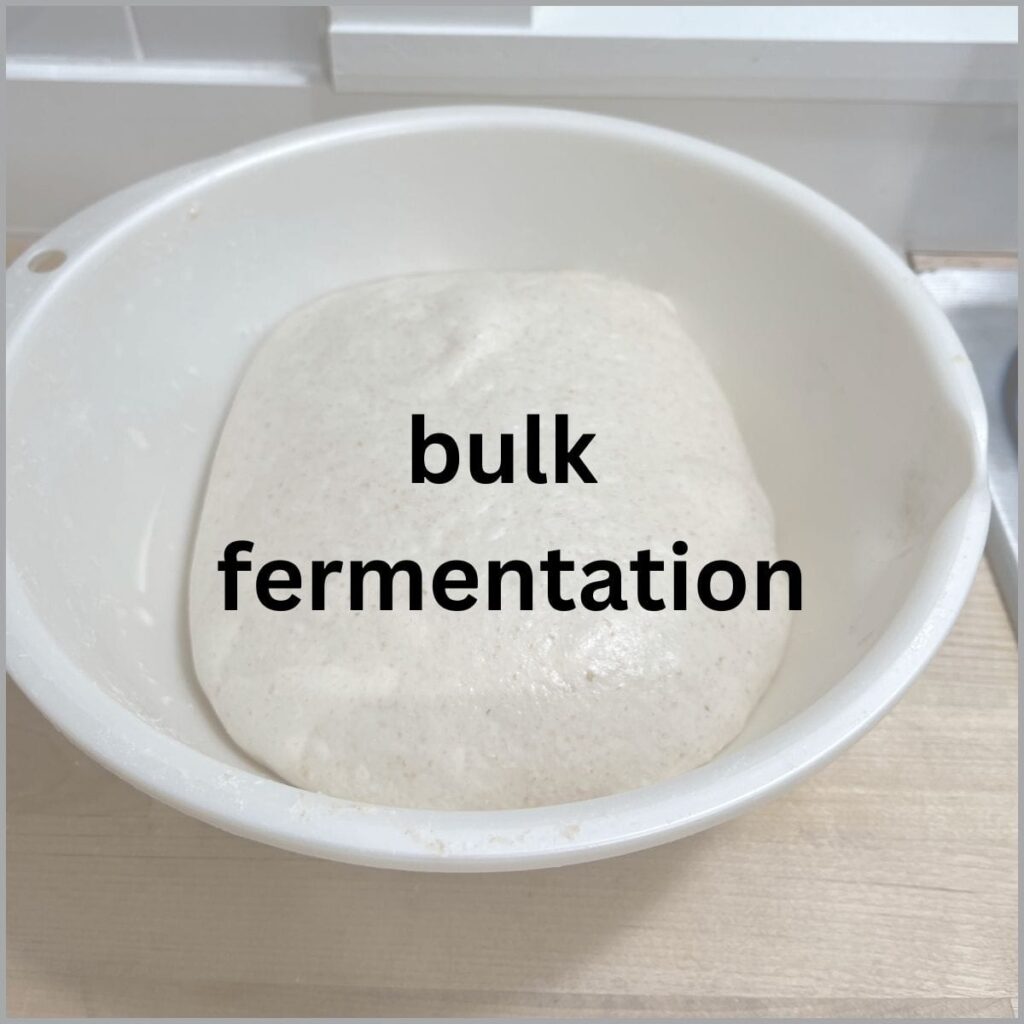
          3. Bulk Fermentation
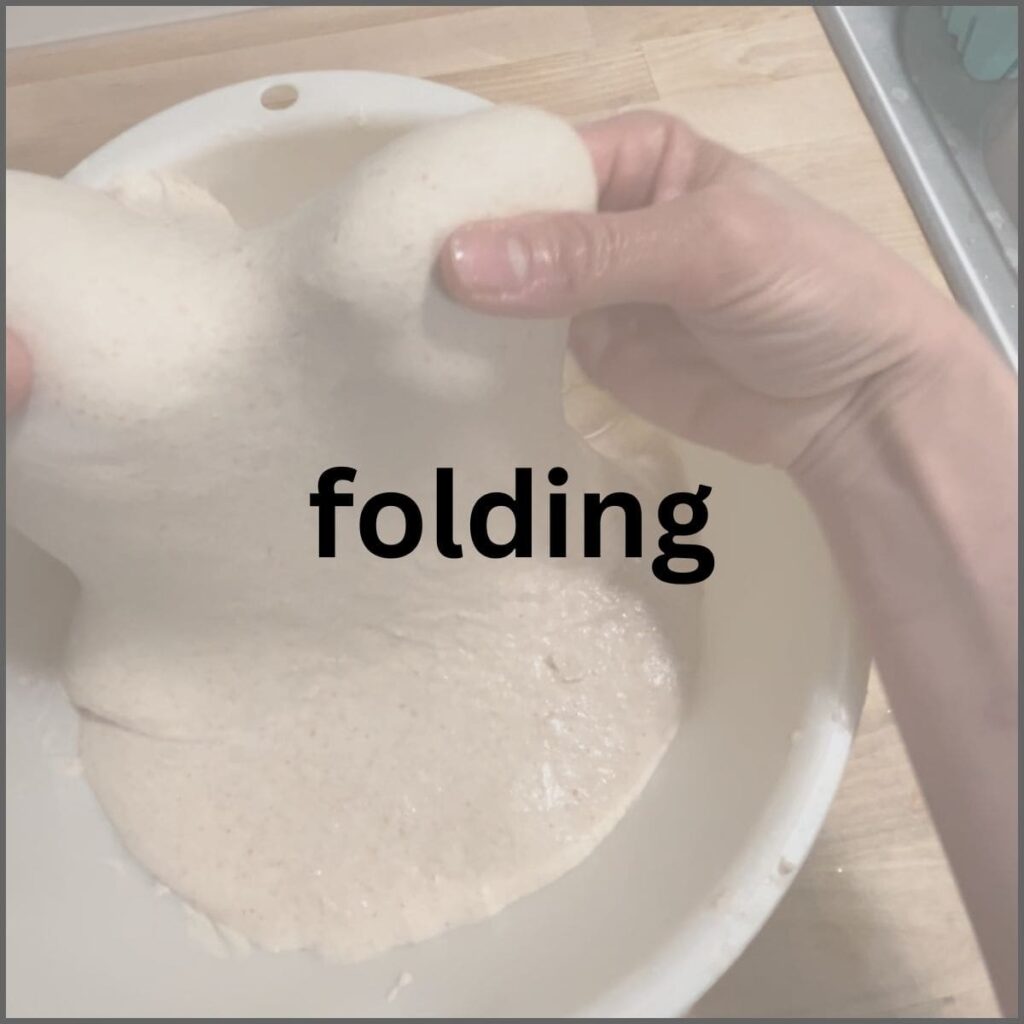
          4. Folding
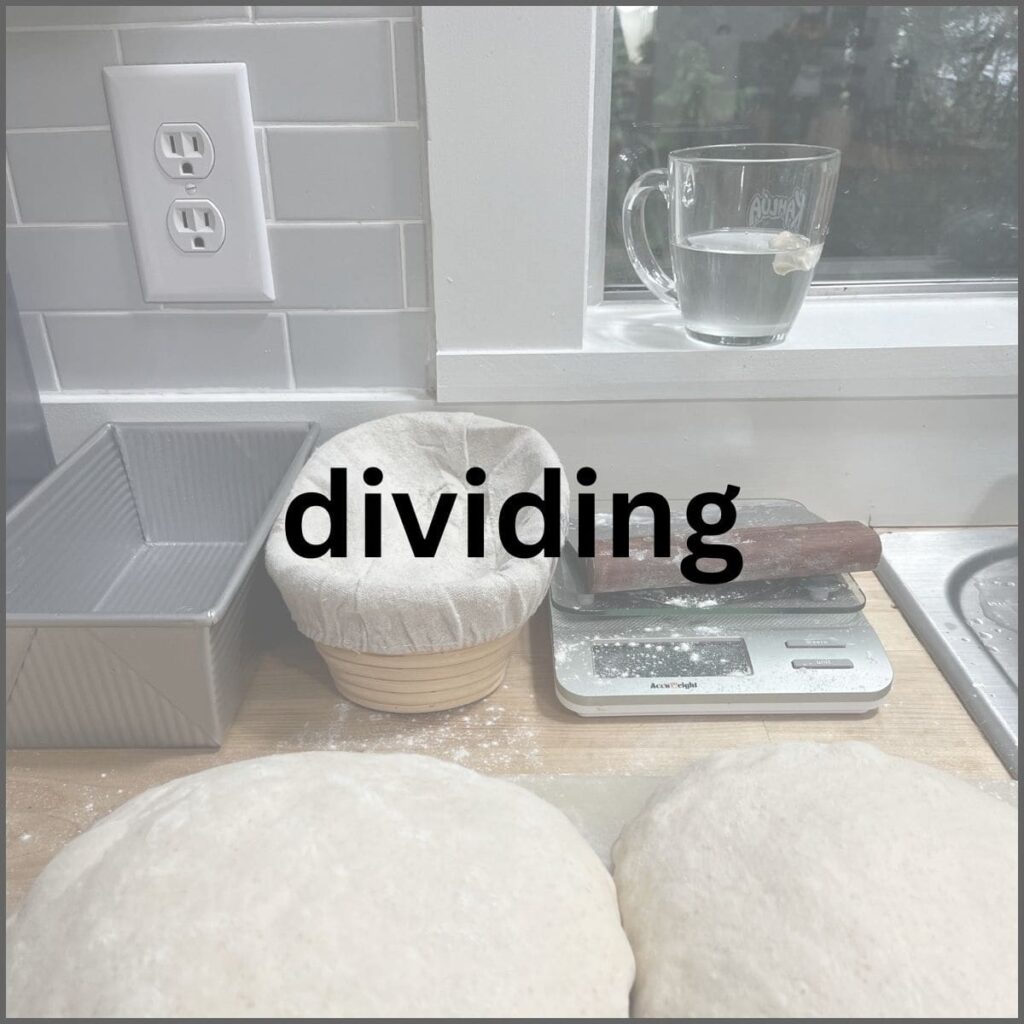
          5. Dividing
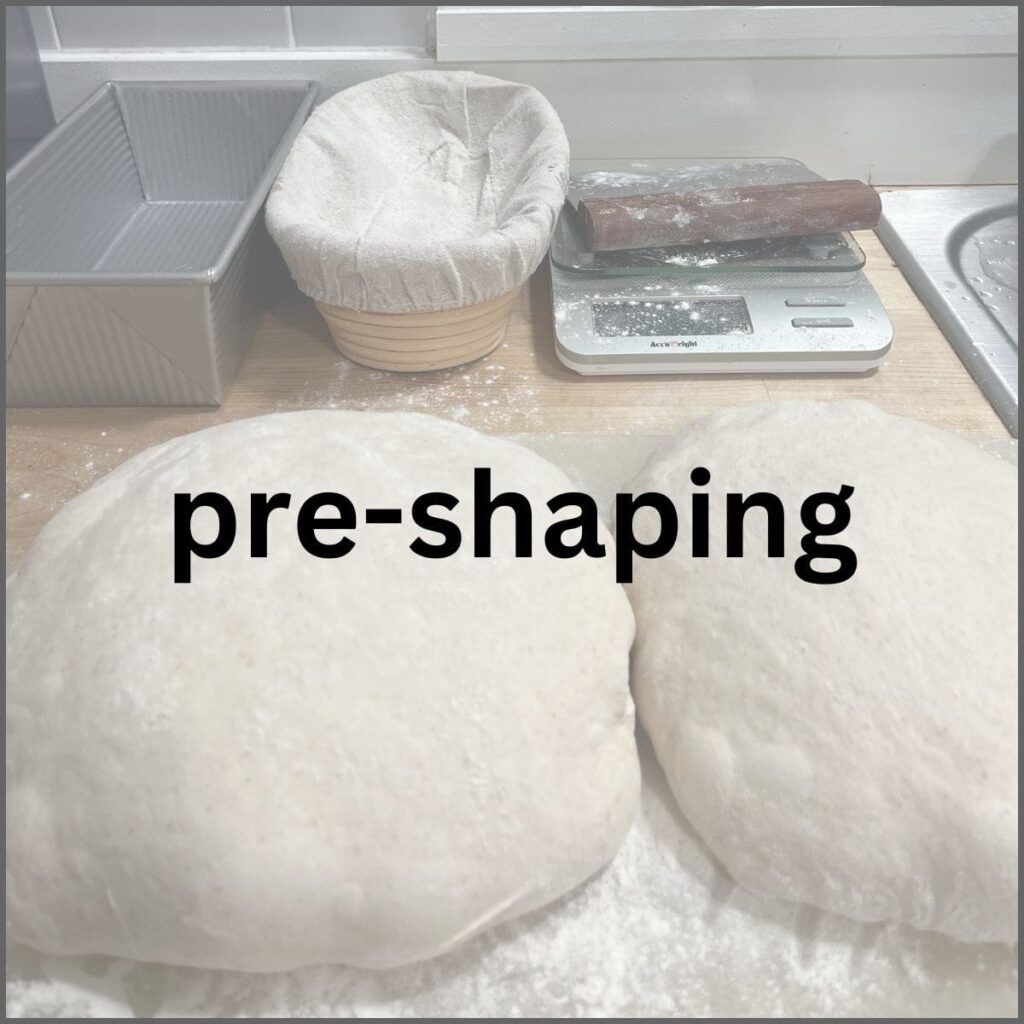
          6. Preshaping
          7. Bench Rest
          8. Shaping
          9. Final Fermentation
          10. Scoring
          11. Baking
          12. Cooling

          When bread doesn’t turn out as expected, the issue usually traces back to one of these steps.


          Why Bakers Get Confused

          Many bread recipes focus on instructions:

          Mix.
          Wait.
          Shape.
          Bake.

          But they don’t explain:

          what’s actually happening
          what to look for
          how each step affects the next

          That’s why problems like dense bread, poor rise, or inconsistent results are so common.

          👉 If you’ve experienced that, you’re not alone:
          Why Is My Bread Dense? (6 Common Causes and How to Fix Them)


          The Professional Perspective

          In a professional kitchen, the goal isn’t simply to follow steps.

          It’s to understand the purpose of each step - and how it fits into the process.

          Because once you understand that:

          • you know how to develop gluten and structure
          • you can manage fermentation through time and temperature
          • you can recognize when your loaves are ready for the oven

          And when those pieces start working together, the entire process becomes more consistent - and much easier to troubleshoot.


          The 12 Steps of Bread Making


          1. Scaling

          Bread making starts with accurate measurement.

          Weighing ingredients ensures consistency.

          This becomes especially important when you start thinking about repeatability and costing.

          👉 Why Using Weight Instead of Volume Is Essential for Accurate Recipe Costing

          Baker's Assistant: Quick Instructions on How to Use a Scale

          1. Turn on scale
          2. Place bowl on scale
          3. Push the "Tare" or "Zero" button, the scale should now read "0"
          4. Put ingredient into bowl
          5. If adding additional ingredients, press the "Tare" or "Zero" button after each ingredient. The scale should read 0 before each additional ingredient.

          2. Mixing

          Mixing begins the process of developing structure.

          When flour and water combine, gluten starts to form.

          The goal is to build enough structure - through mixing, time, folds, or a combination -to allow the dough to hold gas during fermentation.

          Underdeveloped dough often leads to dense bread.

          👉 How to Knead Dough Properly (And How to Know When It’s Ready)

          👉 Why Is My Dough Sticky? (And How to Fix It)

          👉 Troubleshooting Cinnamon Rolls (Fix Dense, Dry or Flat Rolls

          Baker's Assistant: Well Developed Gluten Structure

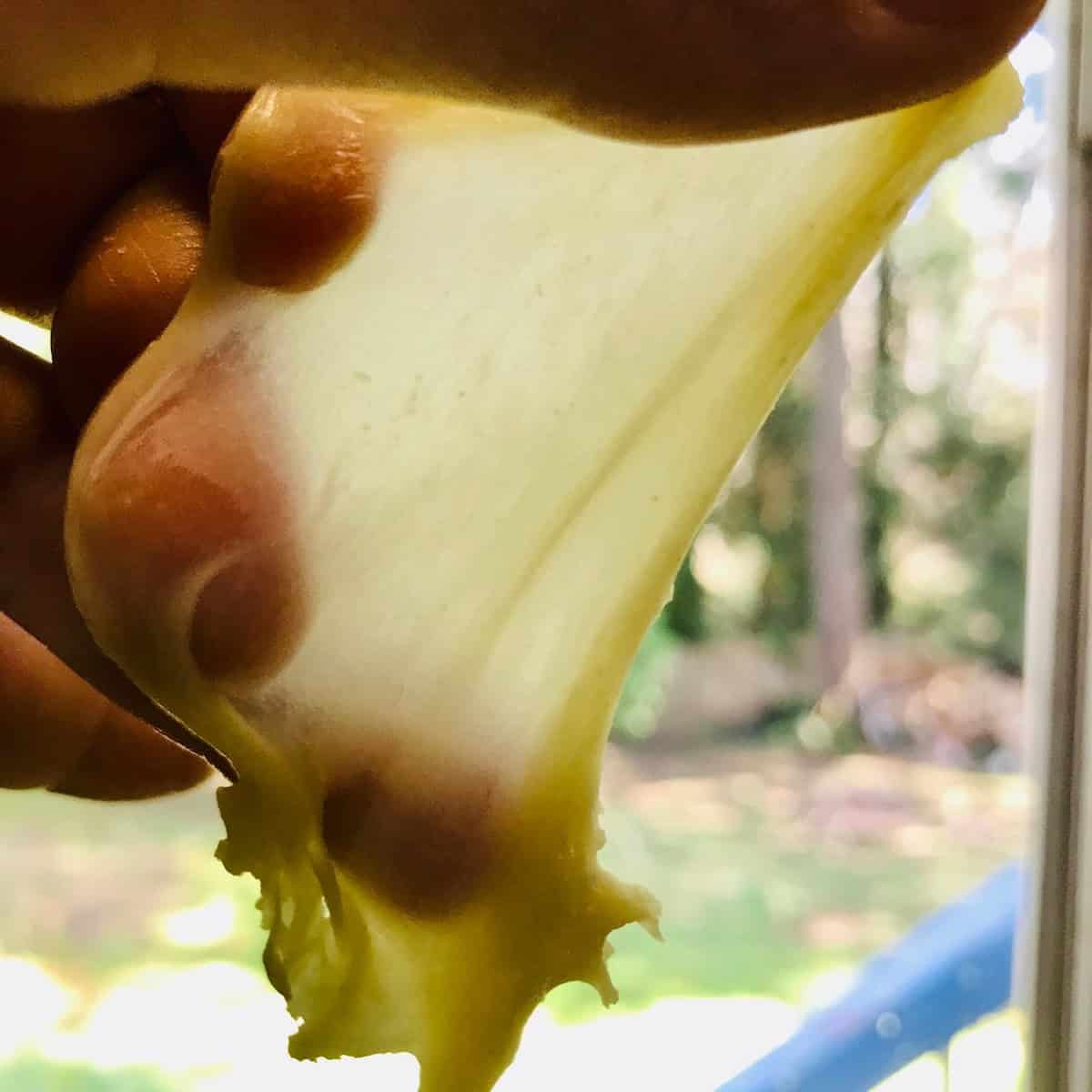
          What to look for: a smooth, supple, and shiny dough. Once you think you're there, break off a piece, and with lightly floured hands, stretch it as thin as possible. If you can stretch it thin enough to almost see through, your dough has passed the windowpane test, and it's time to move on to bulk fermentation.
          Fully developed, smooth, shiny dough in mixer.
          Dough stretched thin to show gluten development.

          3. Bulk Fermentation

          This is where fermentation begins to build gas and develop flavor.

          As the dough rests, yeast produces carbon dioxide, causing the dough to expand.

          👉 Fermentation time mainly depends on:

          • dough temperature
          • ambient temperature
          • dough type (enriched, lean, high hydration, etc.)
          • yeast type and quantity

          Because of this, fermentation is best judged by how the dough looks and feels - not just the clock.

          👉 How Long Should Bread Proof (And How to Know When It’s Ready)

          Baker's Assistant: How to Know When My Dough has Bulk Fermented Sufficiently

          What to look for: Dough has increased in volume as stated in the recipe. Dough passes poke test and/or float test.

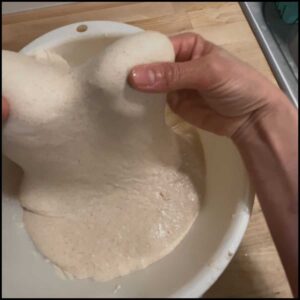
          Dough floating in water.
          Float Test
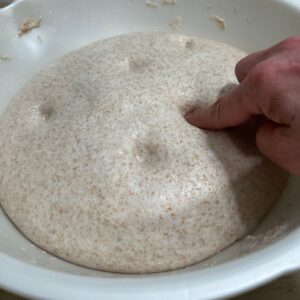
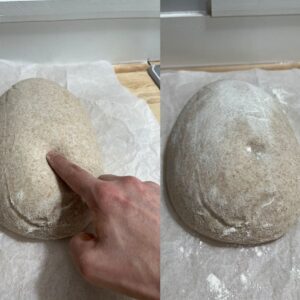
          Finger pressed in dough to show indentation.
          Poke Test

          Float Test: A way to see if your dough or sourdough starter has fermented long enough. This method is generally used for testing sourdough.

          Poke Test: A well-proofed dough will look and feel a bit like a balloon and still have a nice sheen to it. To perform the poke test, dip your finger in flour and gently press it into the dough about ½ inch (halfway up your first knuckle). Under-proofed dough will resist and spring back. Properly proofed dough will hold the indentation but remain springy. Over-proofed dough will look dull, will not spring back when poked, and may even deflate


          4. Folding

          Step 4 in bread making.  Performing coil folds on dough in bowl.

          Folding strengthens the dough.

          It helps align gluten strands and improves structure.

          This is especially important in higher hydration doughs.


          5. Dividing

          Dough is portioned into individual pieces.

          Consistency matters here - uneven sizes lead to uneven baking.


          6. Preshaping

          Preshaping organizes the dough into a loose structure.

          It makes final shaping easier and more consistent.


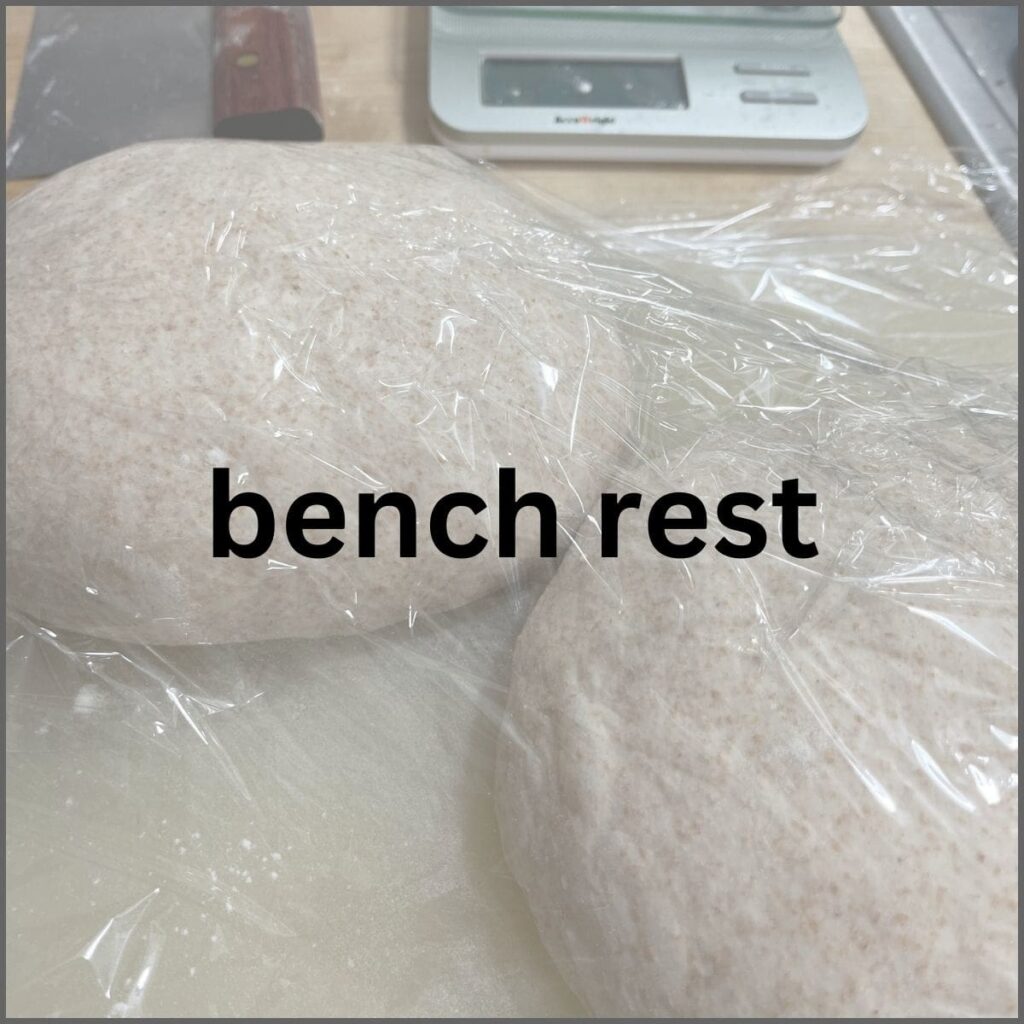
          7. Bench Rest

          This is a short resting period.

          It allows the dough to relax before final shaping.


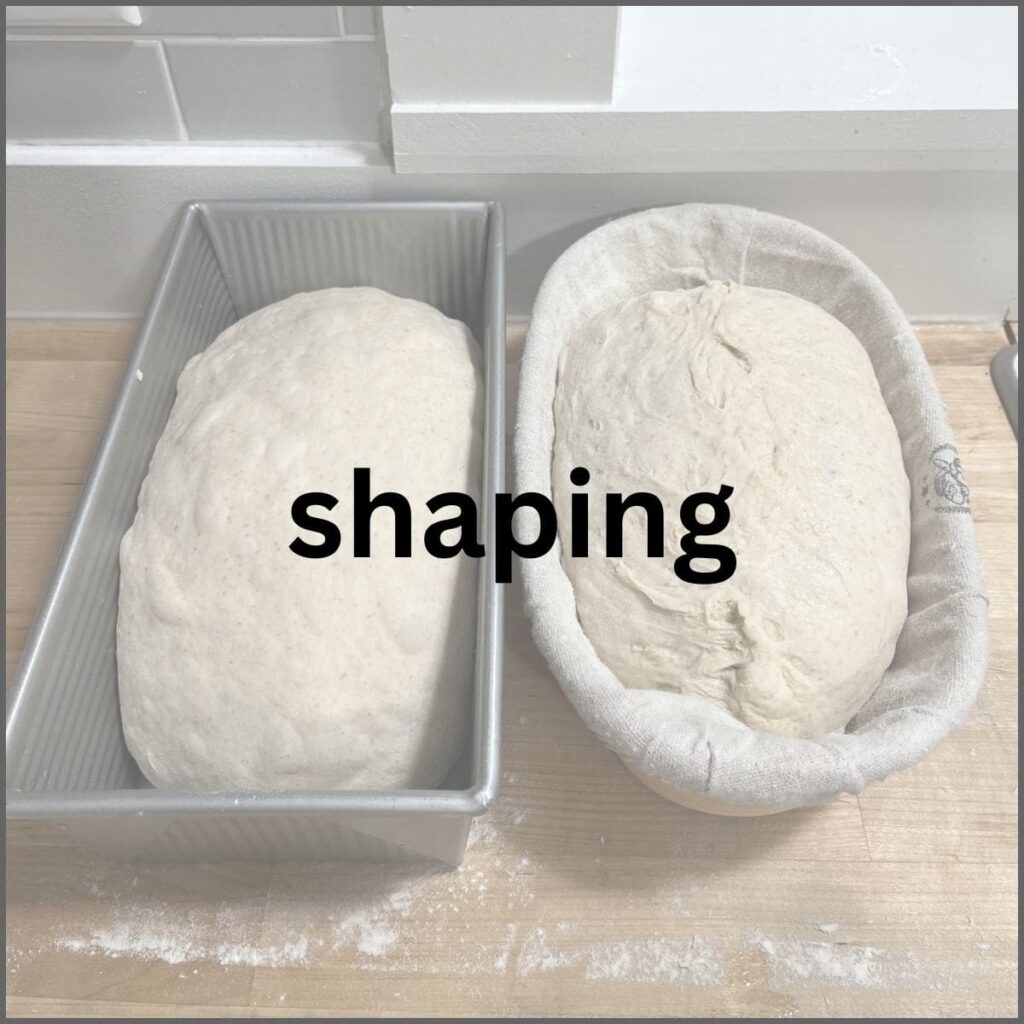
          8. Shaping

          Shaping creates surface tension.

          This helps the dough hold its structure and rise properly.

          Overhandling at this stage can push out gas and lead to dense results.


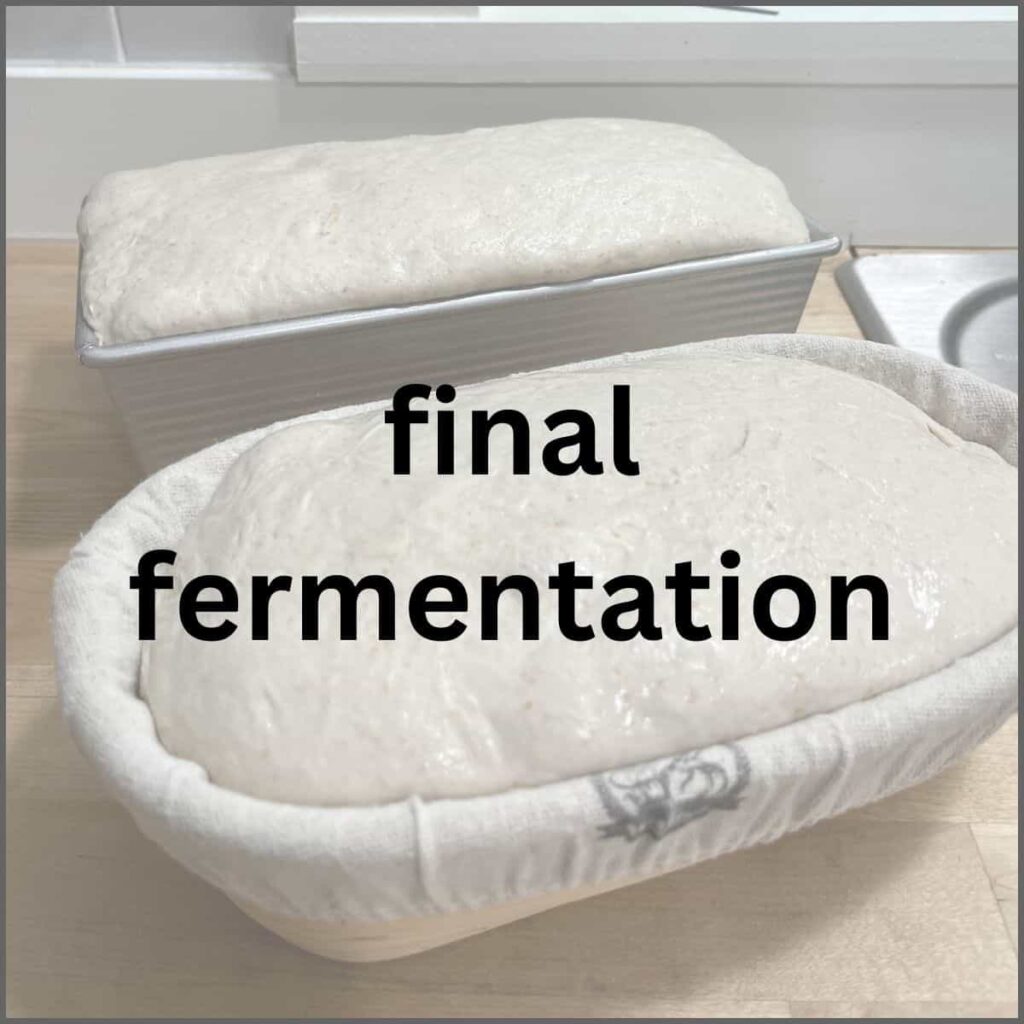
          9. Final Fermentation

          This is the final rise before baking.

          The goal isn’t to follow a timer.

          It’s to recognize when the dough is ready.

          👉 How Long Should Bread Proof (And How to Know When It’s Ready)

          👉 How to Proof Bread in the Oven (Without Overproofing It)

          Baker's Assistant: Bulk Fermentation

          What to look for: Dough has increased in volume as stated in the recipe. Dough passes poke test and/or float test.

          First photo shows pressing on dough with index finger.  Second photo shows finger indentation.
          Poke Test

          Poke Test: A well-proofed dough will look and feel a bit like a balloon and still have a nice sheen to it. To perform the poke test, dip your finger in flour and gently press it into the dough about ½ inch (halfway up your first knuckle). Under-proofed dough will resist and spring back. Properly proofed dough will hold the indentation but remain springy. Over-proofed dough will look dull, will not spring back when poked, and may even deflate.


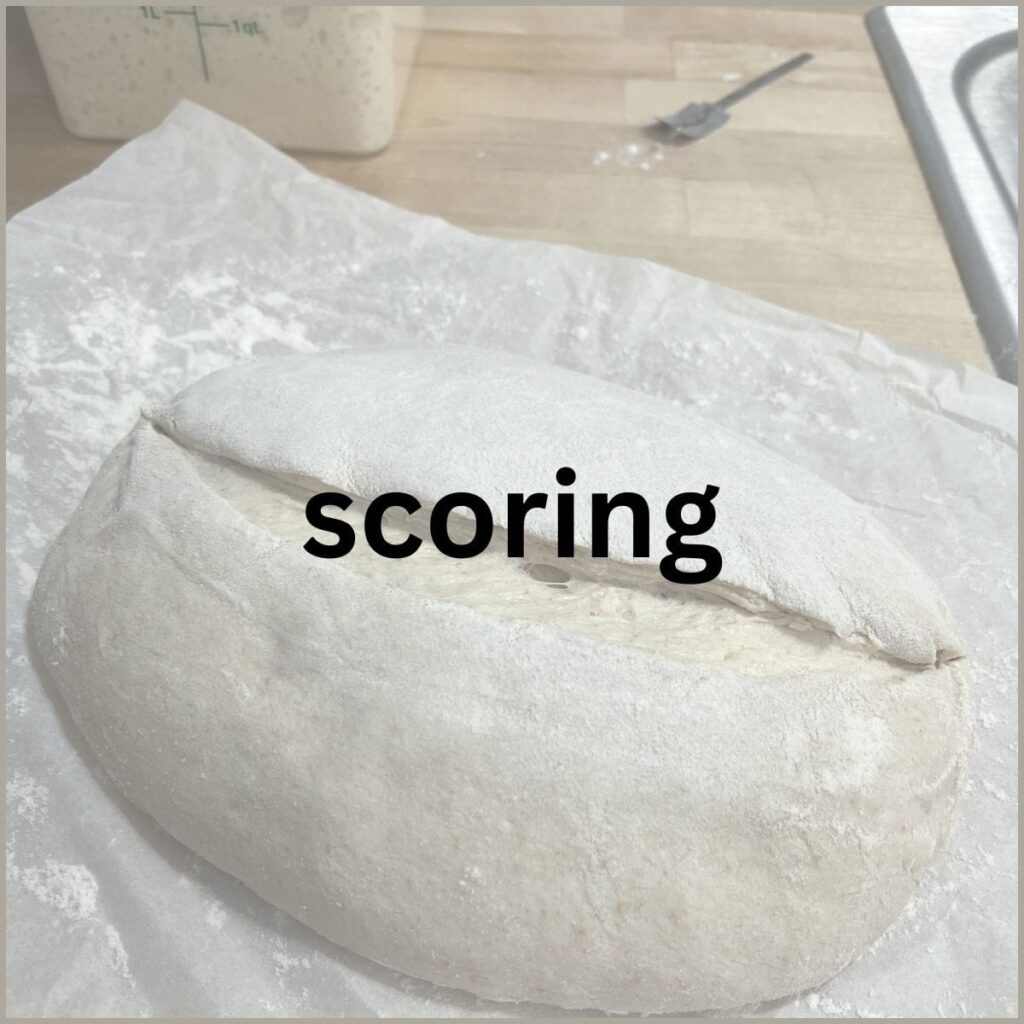
          10. Scoring

          Scoring controls how the bread expands in the oven.

          Without scoring, the dough will find its own weak point - and often tear unpredictably.


          11. Baking

          Heat triggers:

          • oven spring
          • structure setting
          • crust formation

          Steam plays a key role in many breads, allowing the dough to expand properly.

          Baker's Assistant: Baking Temperatures

          • Lean Dough - 425° F to 500° F (Sourdough, baguettes, ciabatta, hard rolls)
          • Enriched Doughs – 350° F to 400° F (Brioche, challah, sandwich bread, shokupan, sweet rolls)

          12. Cooling

          Cooling allows moisture to redistribute and excess steam to escape, helping the crumb set and the crust firm up.

          Cutting too early often leads to a gummy texture.


          How These Steps Work Together

          Each step builds on the previous one.

          If something goes wrong early, it shows up later.

          For example:

          • underdeveloped dough → weak structure
          • poor fermentation → lack of flavor and poor rise
          • improper shaping → dry, flat, dense loaf

          This is why bread problems are rarely caused by one thing.


          A Note on Yeast

          Many home bakers focus heavily on yeast - especially whether it needs to be proofed.

          But in most cases, yeast is not the issue.

          👉 Fermentation management matters more than activation.

          → Do You Really Need to Proof Yeast? (Instant vs Active Dry Explained)


          How This Applies Beyond Bread

          This same system applies to:

          • cinnamon rolls
          • donuts
          • croissants and danish

          👉 The process is the same. The variables change.

          👉 Troubleshooting Cinnamon Rolls (Fix Dense, Dry or Flat Rolls

          👉 Are All Cinnamon Roll Recipes Basically the Same? (Here’s What Actually Matters)


          Related Guides

          If you’d like to go deeper into dough development:

          👉 How to Knead Dough Properly (And How to Know When It’s Ready)
          👉 Why Is My Dough Sticky? (And How to Fix It)
          👉 How to Proof Bread in the Oven (Without Overproofing It)
          👉 Why Is My Bread Dense? (6 Common Causes and How to Fix Them).
          👉 How Long Should Bread Proof (And How to Know When It’s Ready)
          👉 Do You Really Need to Proof Yeast? (Instant vs Active Dry Explained)
          👉 Why Is My Dough Not Smooth or Elastic? (And How to Fix It)


          Final Thoughts

          Bread baking isn’t about memorizing steps.

          It’s about understanding how those steps work together - and recognizing what your dough needs along the way.

          Because once you start to see the process as a system:

          baking becomes more consistent
          troubleshooting becomes easier
          results become more predictable


          Pocket Baker Perspective

          In professional kitchens, bread making isn’t treated as a series of isolated techniques.

          It’s treated as a connected process - one where each step builds on the last.

          Each step supports the next.

          And the goal isn’t to follow the process perfectly.

          It’s to understand it well enough to make adjustments as you go.

          Because that’s what leads to consistent, repeatable results.

          Shokupan Milk Bread

          AKA the BEST sandwich bread ever. Pillowy soft and light as air, shokupan (commonly known as milk bread) is Japan's version of sandwich bread. With a basic understanding of bread making, and a little practice, you'll soon be making the best sandwiches, toast and dinner rolls you've ever had.

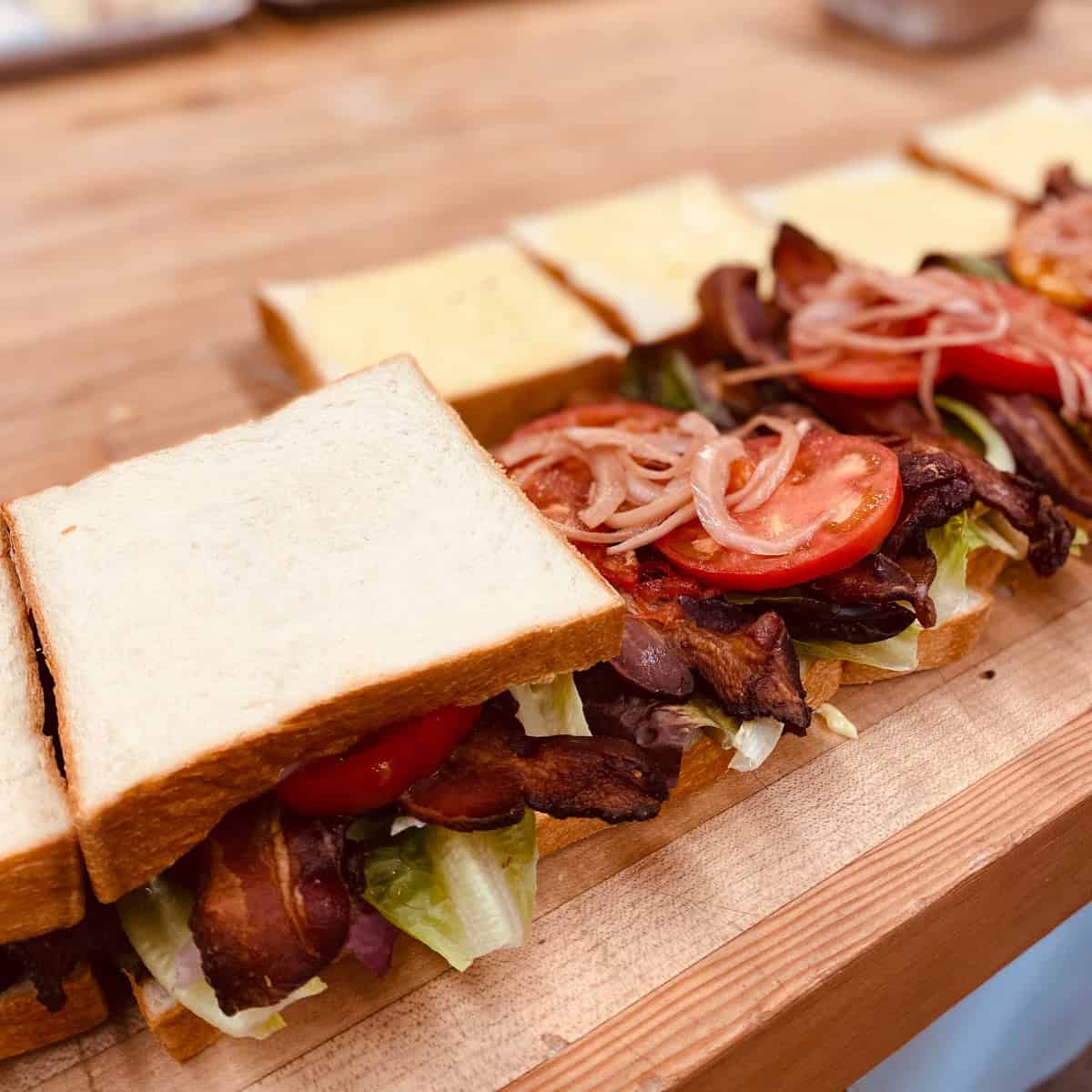
          Bacon, lettuce, tomato being assembled on shokupan.
          [feast_advanced_jump_to]

          Recipe overview

          For this shokupan recipe we will mix boiling water and flour together to make a yudane, one day prior to mixing the final dough. It isn't necessarily common practice to use a yudane to make shokupan in Japan, but here we use the technique because it allows us to achieve a soft, light texture even without access to Japanese flour.

          This is an eggless recipe. Shokupan sold in Japan rarely, if ever, contains egg. There are many recipes on non-Japanese websites that contain egg, and although I'm sure the breads are delicious, they are not shokupan. The pure-white crumb distinctive of this milk bread comes from using the following ingredients: flour, milk or cream, butter, yeast, sugar or honey, salt, and in this case, yudane (flour + water).

          To make shokupan, we'll use the straight dough mixing method. This is the simplest and most straight-forward bread making technique, which basically involves throwing everything into a KitchenAid and mixing until a windowpane is achieved.

          Baker's Assistant:

          For more in-depth information about topics covered on this page, follow the links

          • A Guide to Bread Making 12 Steps for the Home Baker

          Mise en place for shokupan

          Have ready in advance:

          • Yudane - prepare the day before
          • This recipe uses a KitchenAid mixer w/hook attachment
          • Rolling pin
          • Bread Pan
          • Bench scraper
          • A probe thermometer (not a must, but useful to have)

          Ingredient Properties & Substitutions

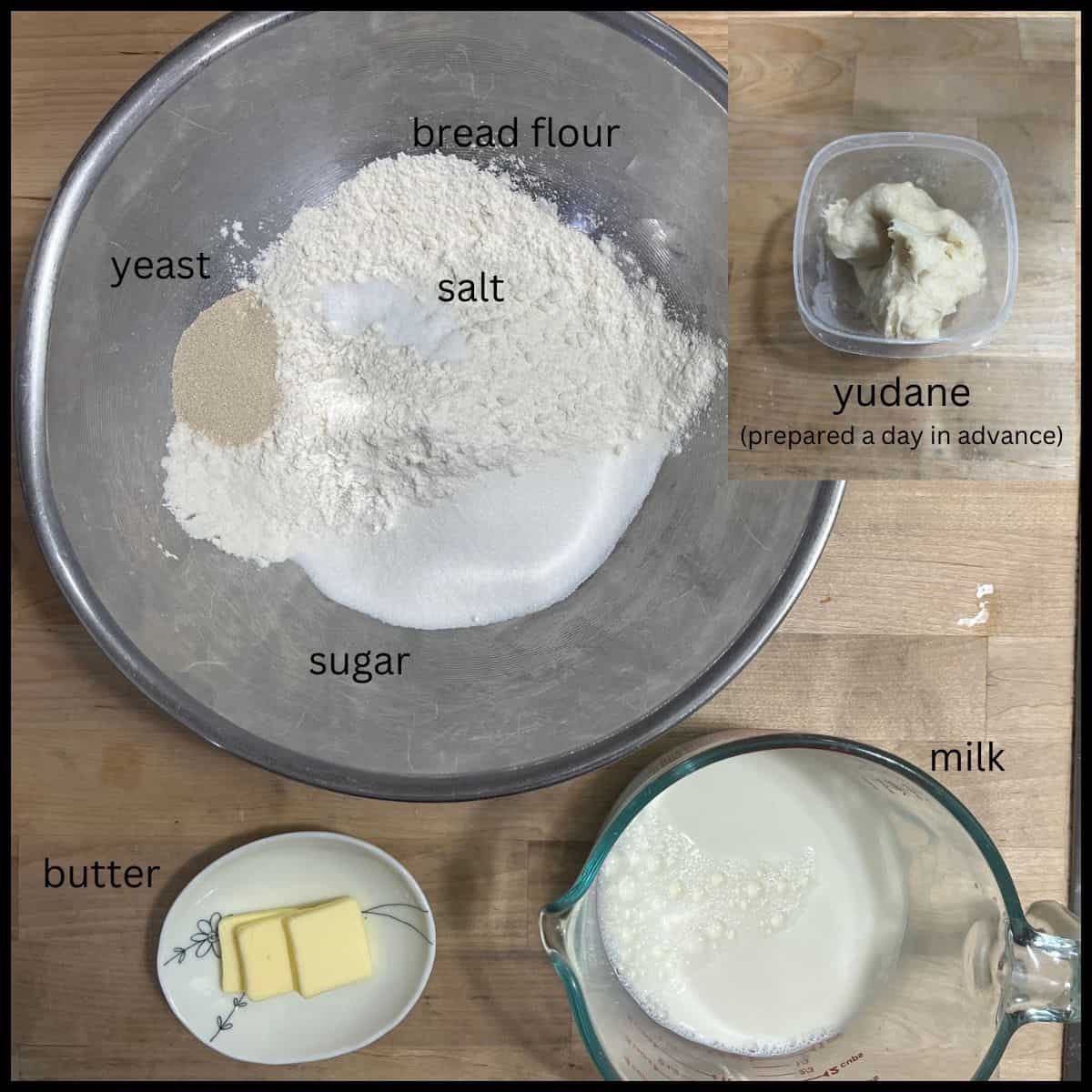
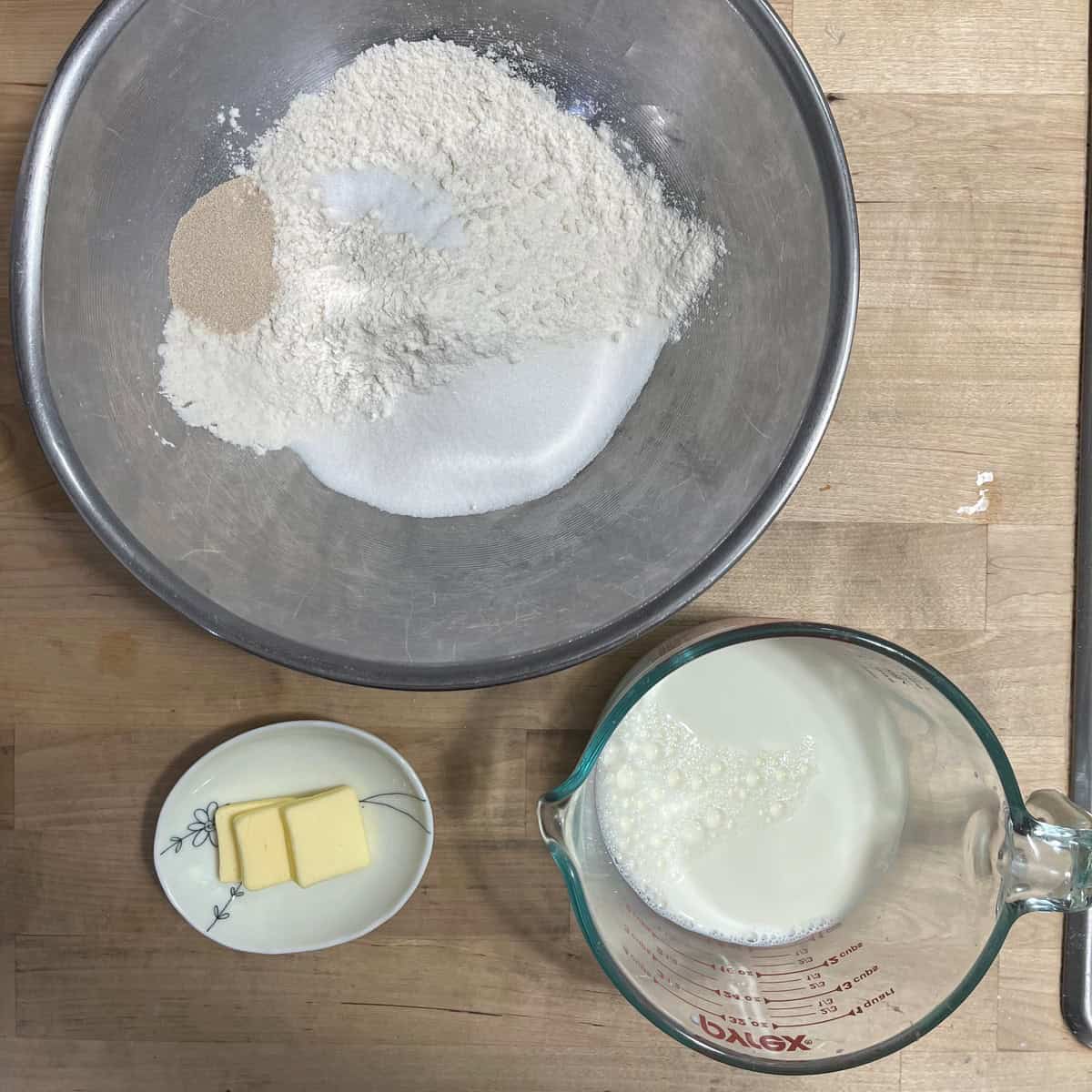
          Ingredients: flour, yeast, salt and sugar together in bowl.  Yudane. Butter. Milk.

          Substituting ingredients in a recipe (especially when baking) will likely change the flavor and texture of the end product. I would suggest first following the recipe as written before making any alterations.

          • Bread Flour - of all the American flours I've tested (and one Italian flour), King Arthur Artisan Bread Flour provided the most delicate crumb and produced a loaf closest in texture to Japanese shokupan. That said, any bread flour (protein 12-14%) will make a decent loaf of sandwich bread. I don't suggest using all purpose flour.
          • Yudane - technically not an ingredient, but a component. Mix equal parts boiling water and bread flour, wrap and rest overnight
          • Milk - whole milk. Contributes to softness and milky taste. Possible to substitute reduced fat or cow milk alternatives*
          • Butter - unsalted and at room temperature. Contributes to softness and richness. Possible to substitute margarine*
          • Yeast - I prefer instant yeast because it can be added directly to the flour (as-is) and doesn't need to be bloomed (or activated) prior to using. To substitute active dry or fresh yeast, see "notes" section of recipe card
          • Sugar - Granulated, white. Adds a little sweetness and contributes to soft texture. Honey may be substituted

          *I have not tested this substitution

          Technique - Straight dough mixing method

          Proper mixing, proofing, shaping and baking are all vital for making good bread. For more in-depth information please see: A Guide to Bread Making 12 Steps for the Home Baker.

          Dough in mixer
          Mix all ingredients until a smooth dough is formed.
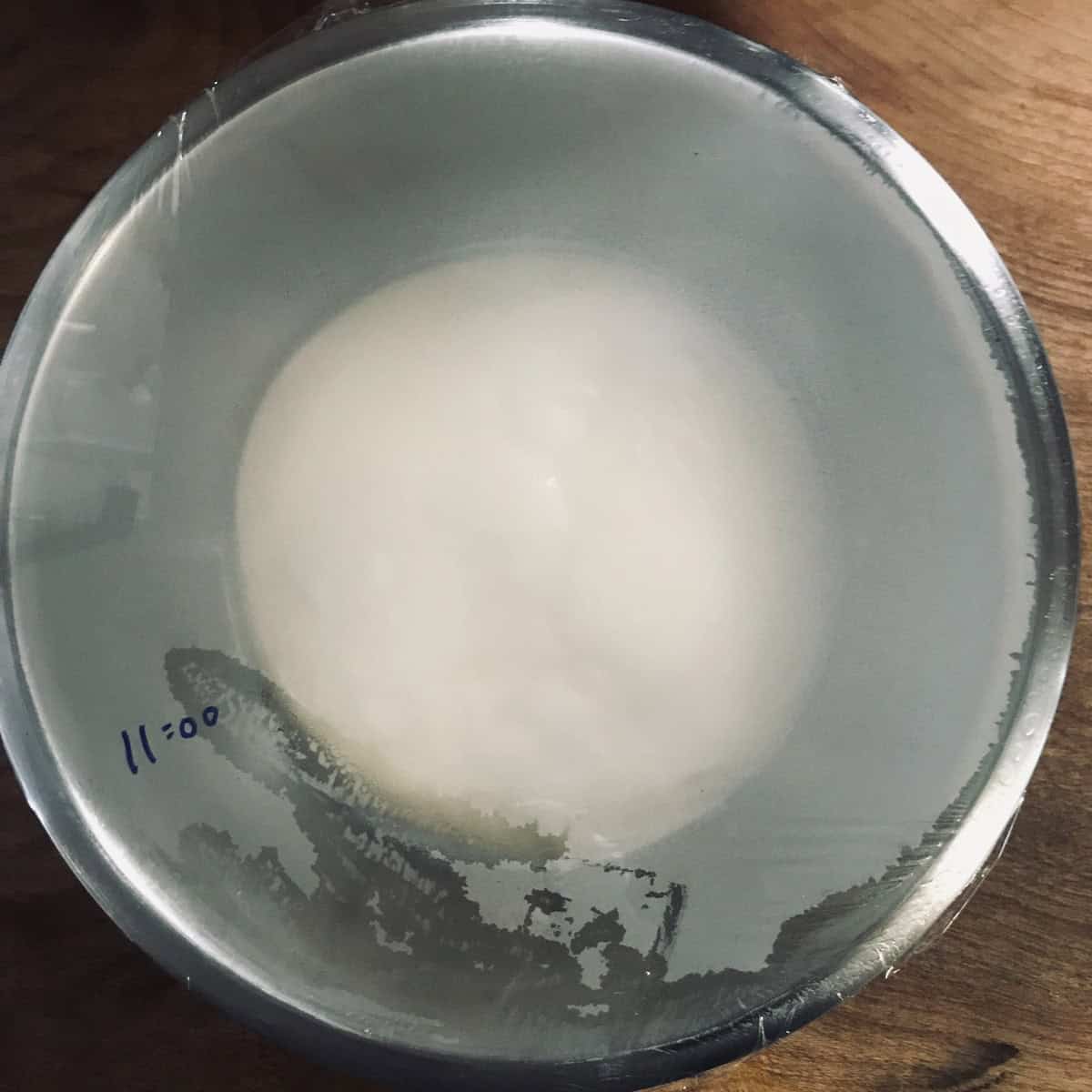
          Dough in bowl, before proofing
          Round dough & place in oiled bowl. Cover.
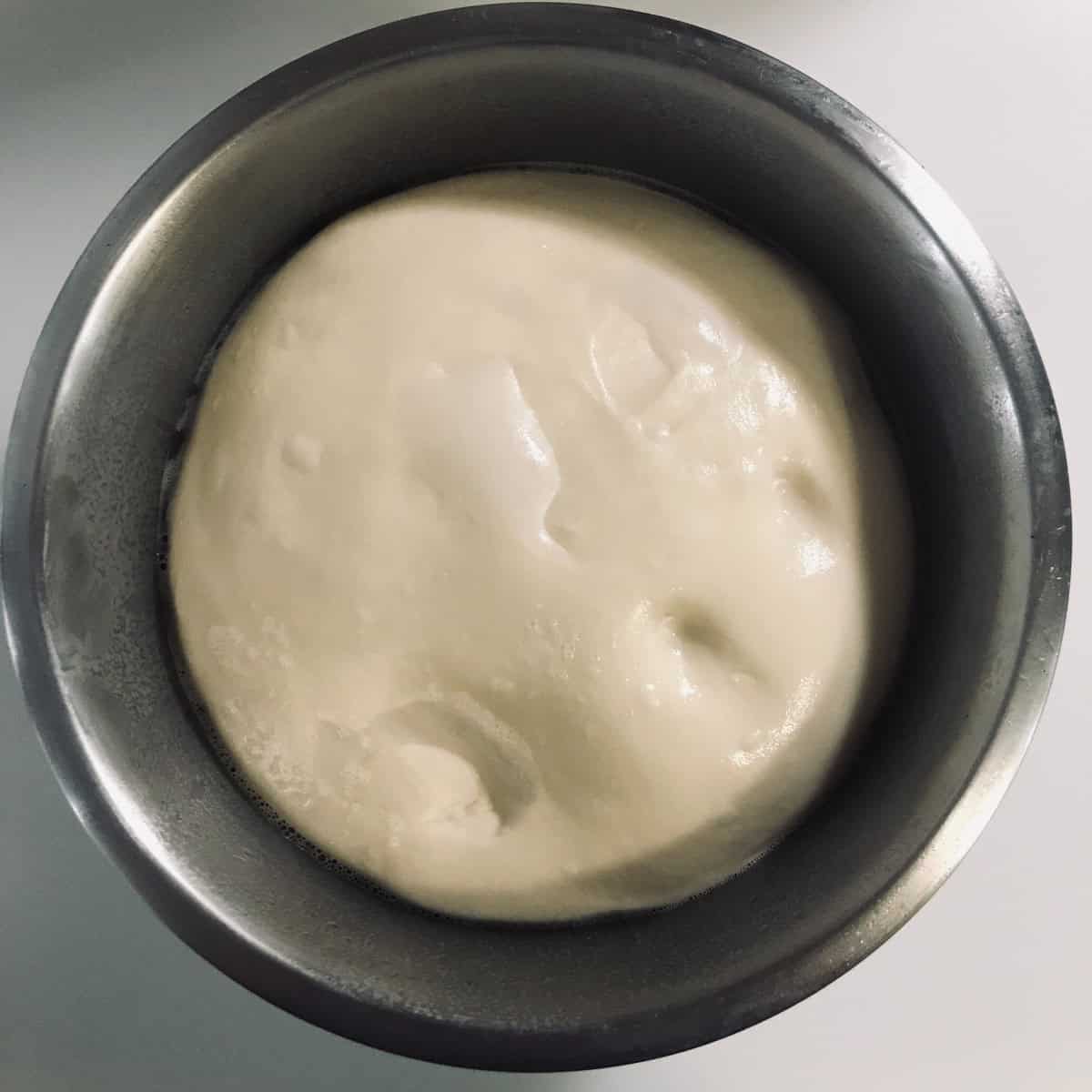
          Dough in bowl after proofing with finger indentation
          Allow dough to grow to 2.5-3x in size. Use poke test to check (see notes on recipe card)
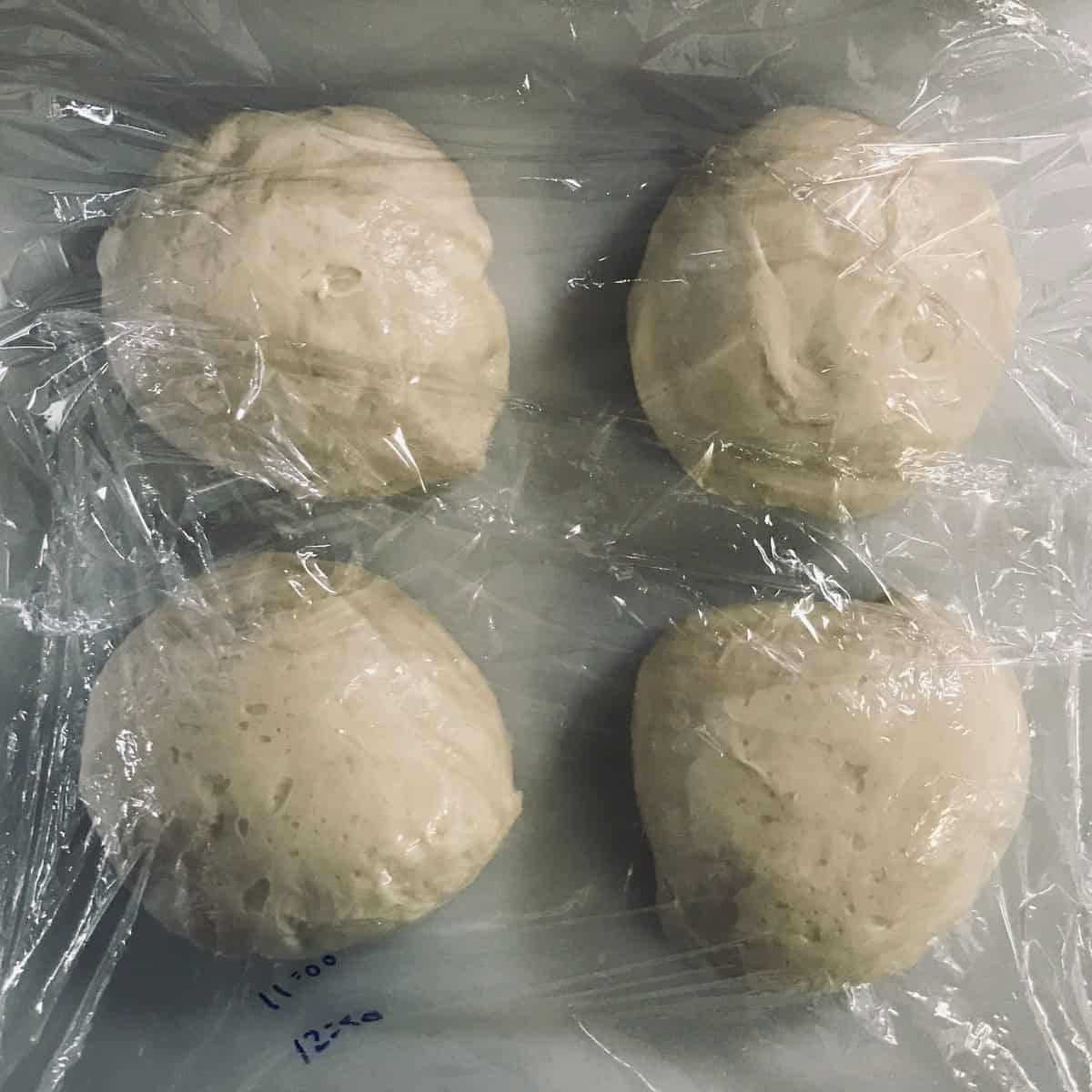
          Dough divided and rounded into four balls
          Divide dough into equal pieces
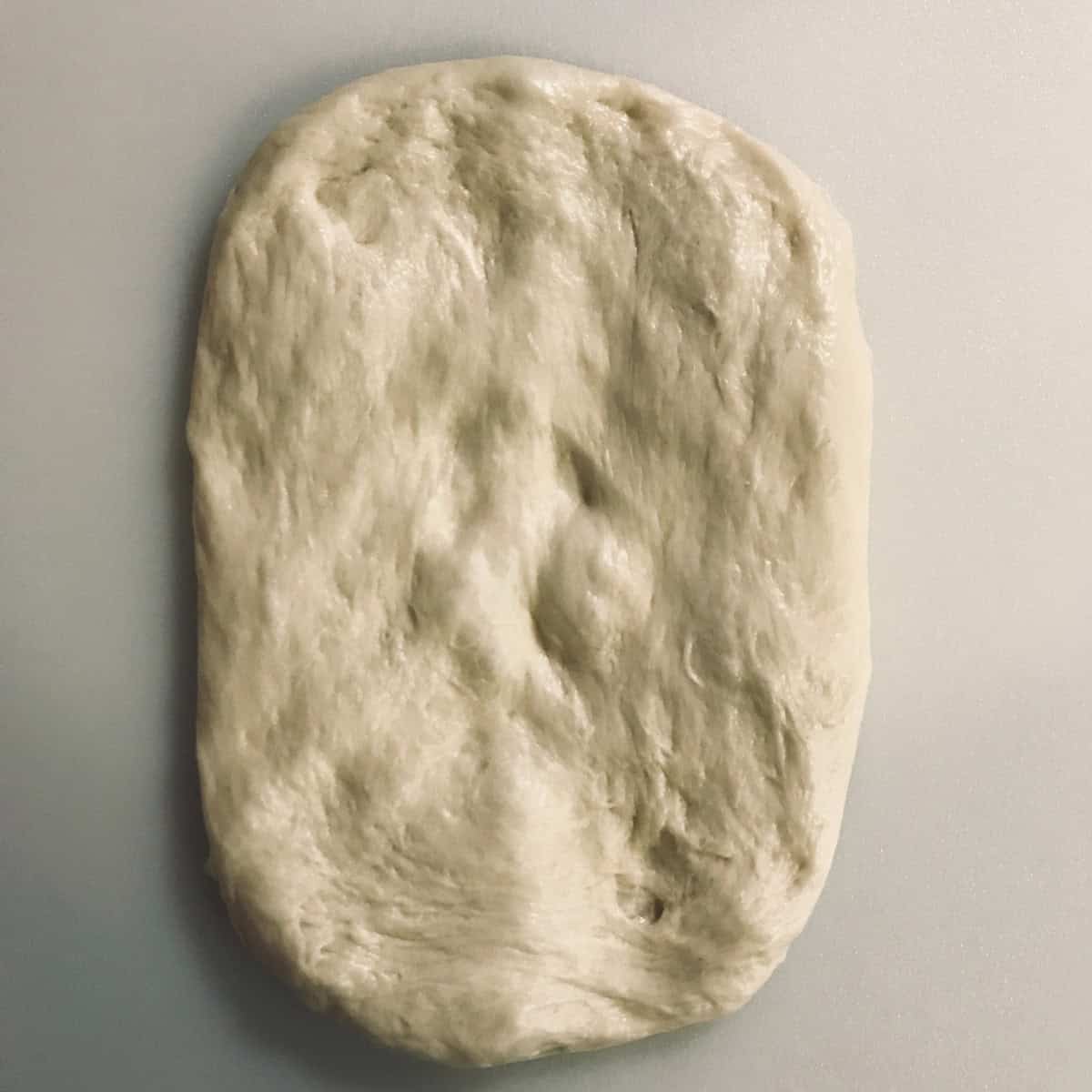
          Dough flattened and stretched
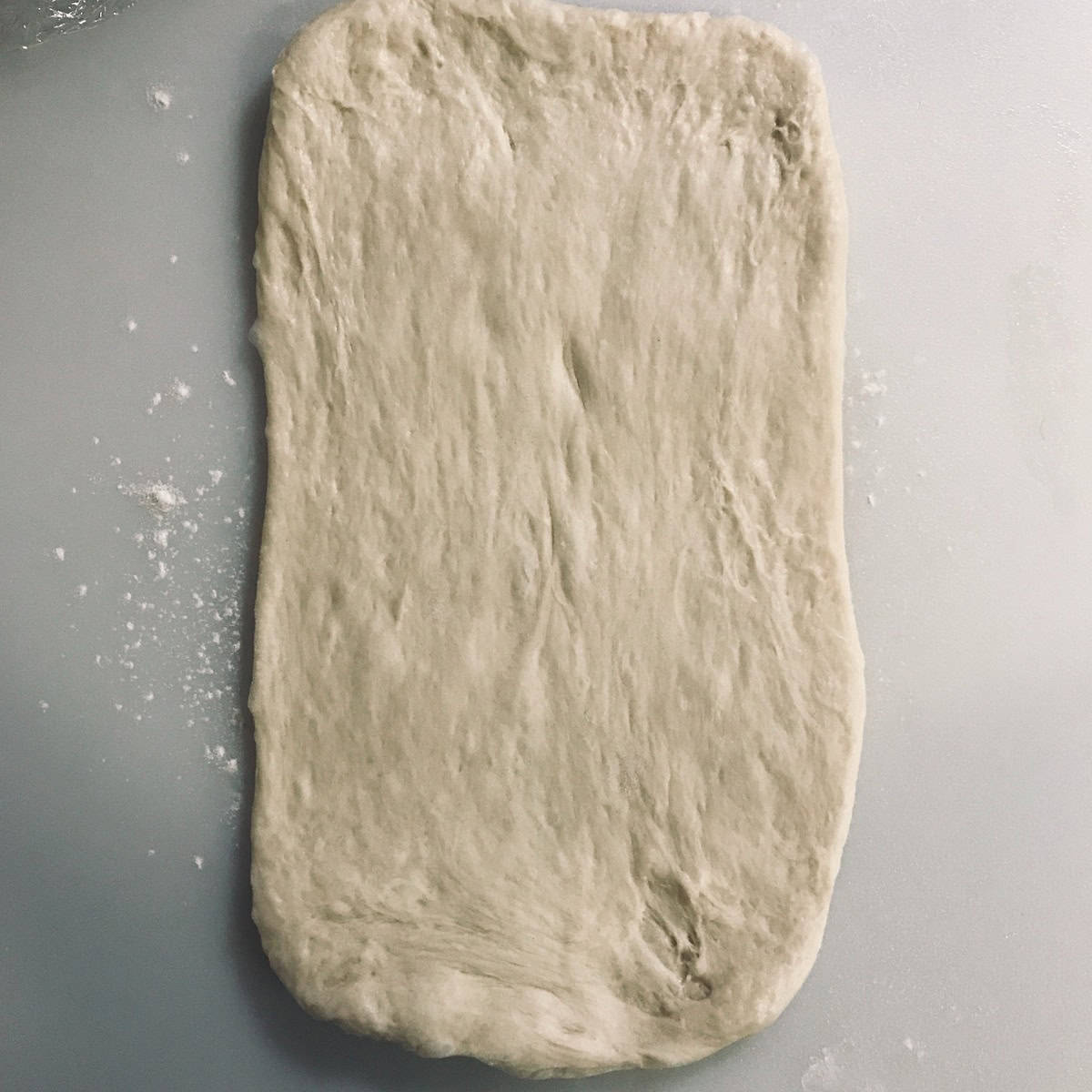
          Flatten each piece of dough into a rectangle
          Dough rolled into a rectangle
          Using a rolling pin, roll the dough out until the length is roughly 2x the width
          Shokupan milk bread dough with left and right sides folded and meeting in the middle
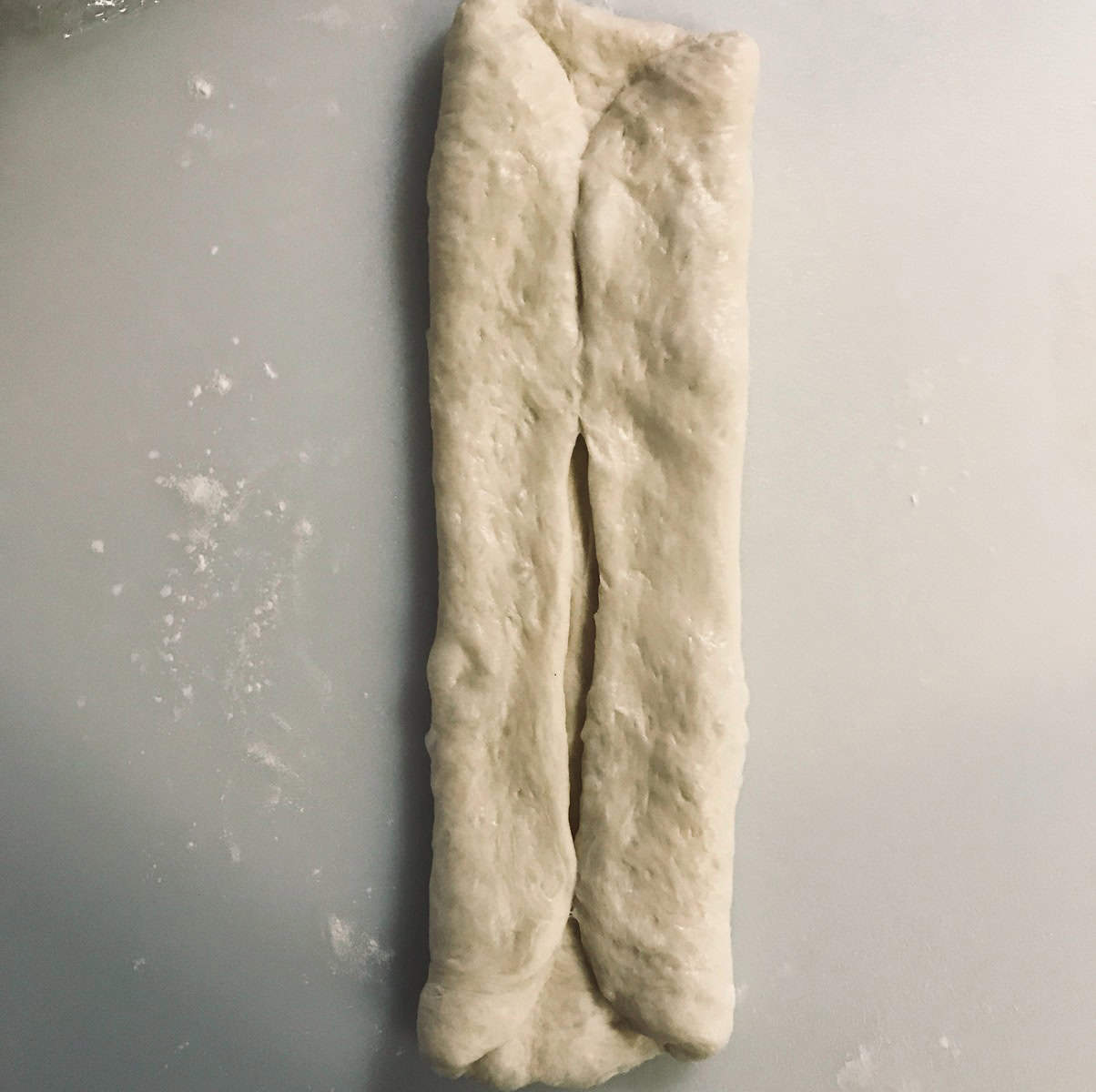
          Fold so the sides meet in the middle
          Shokupan milk bread dough being rolled from one end to another
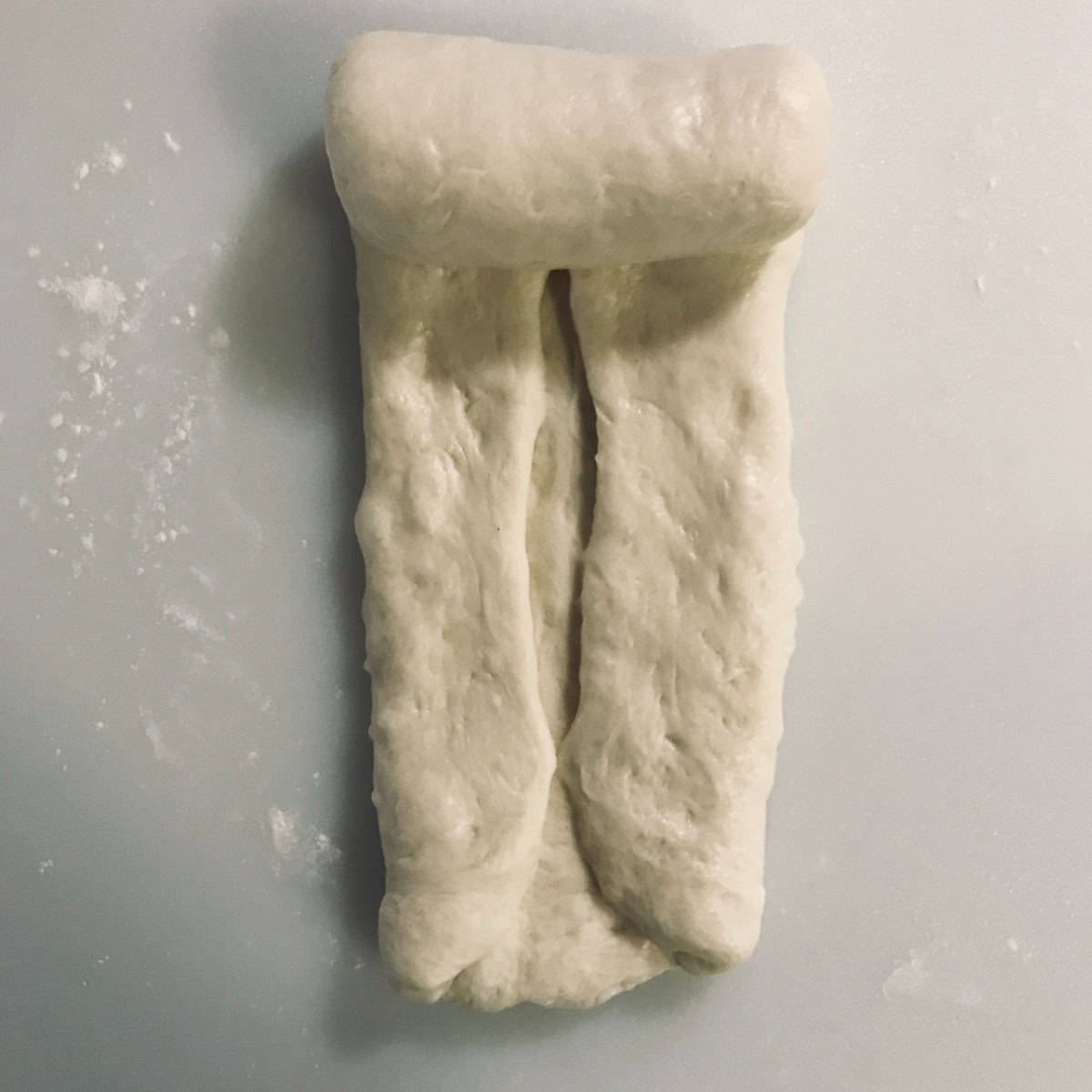
          Starting at one end, roll the dough to the other end
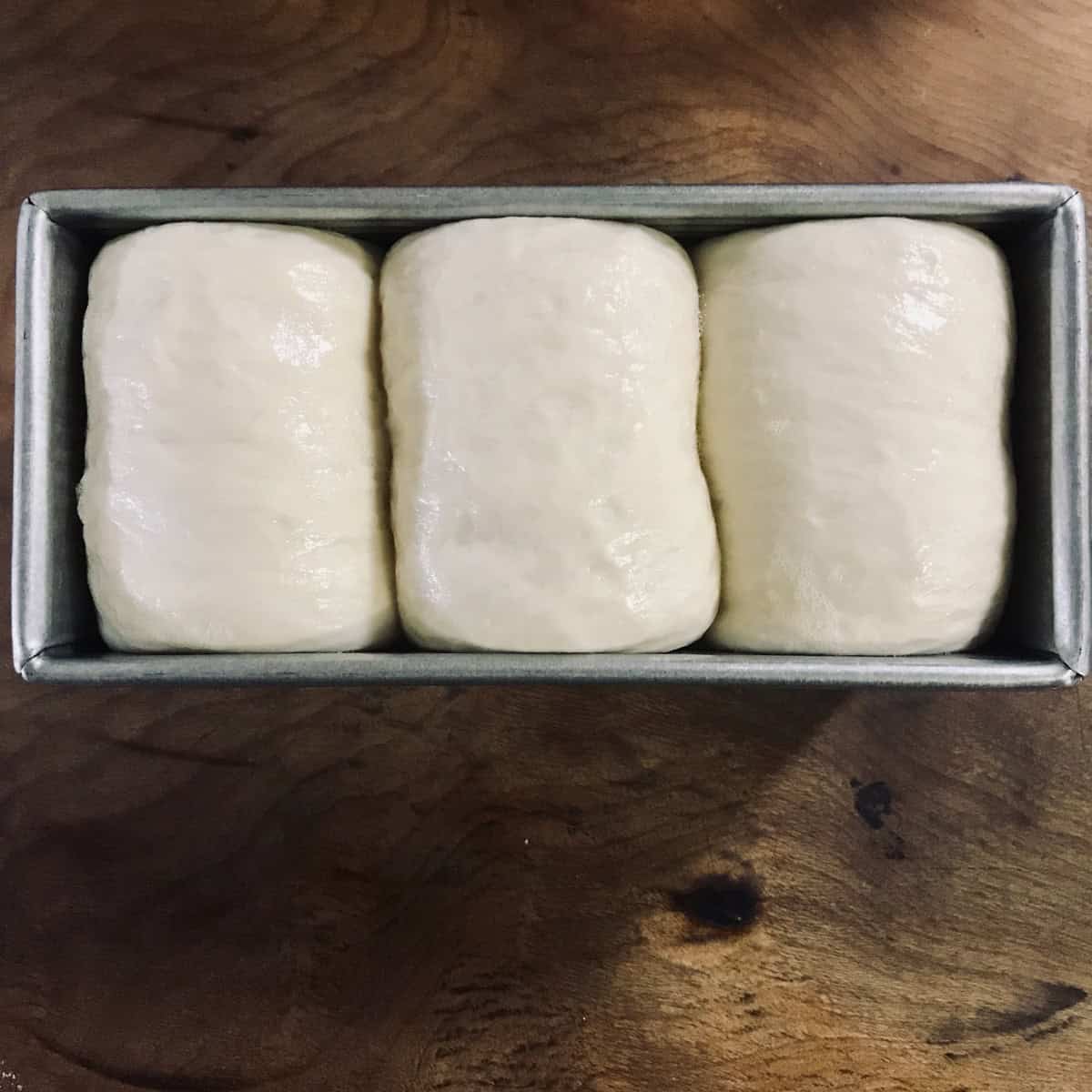
          three rolls in pan with plastic wrap covering, before proofing
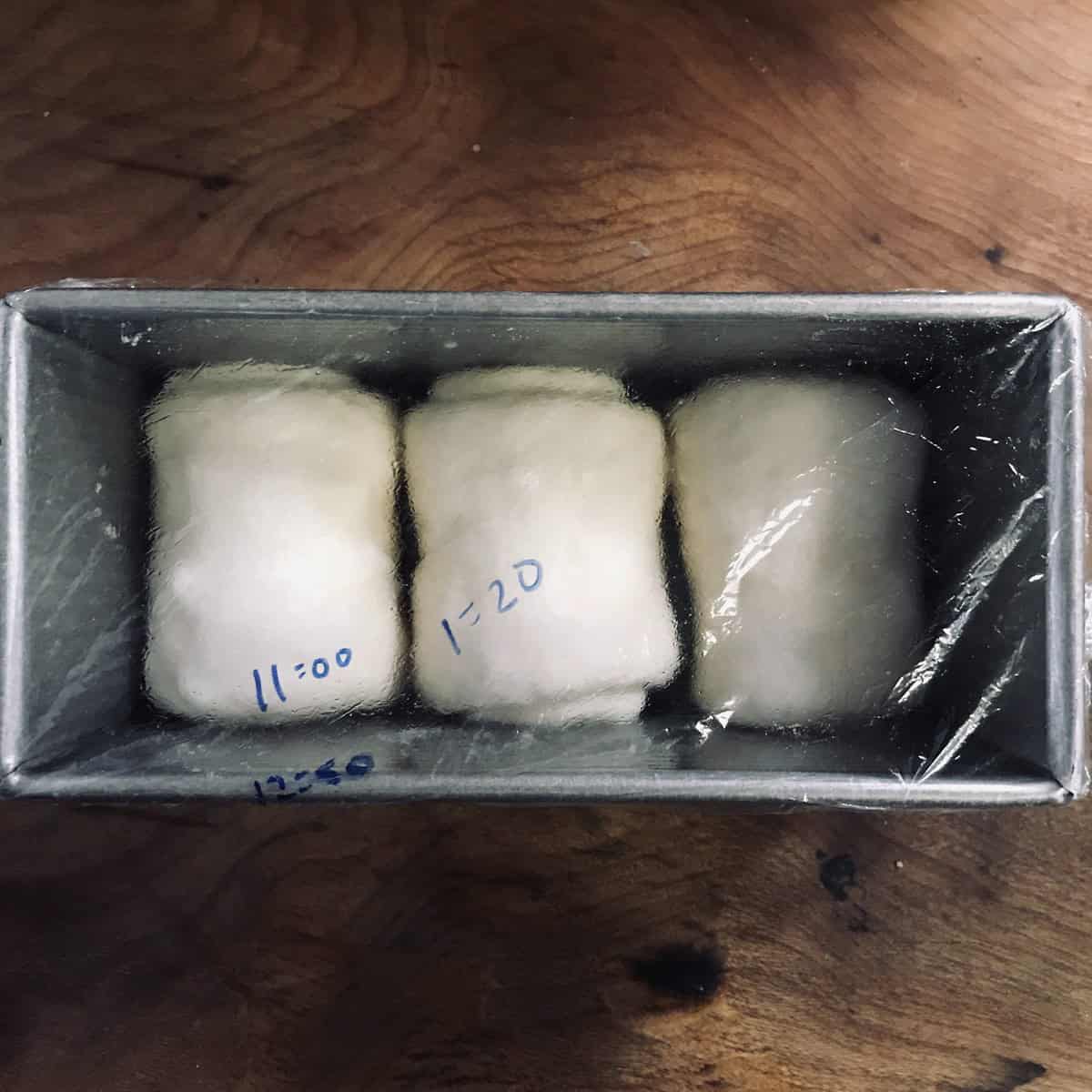
          Place rolls in oiled pan
          three rolls proofed to the to of pan
          Proof until at least doubled. Use poke test to check (see notes on recipe card)
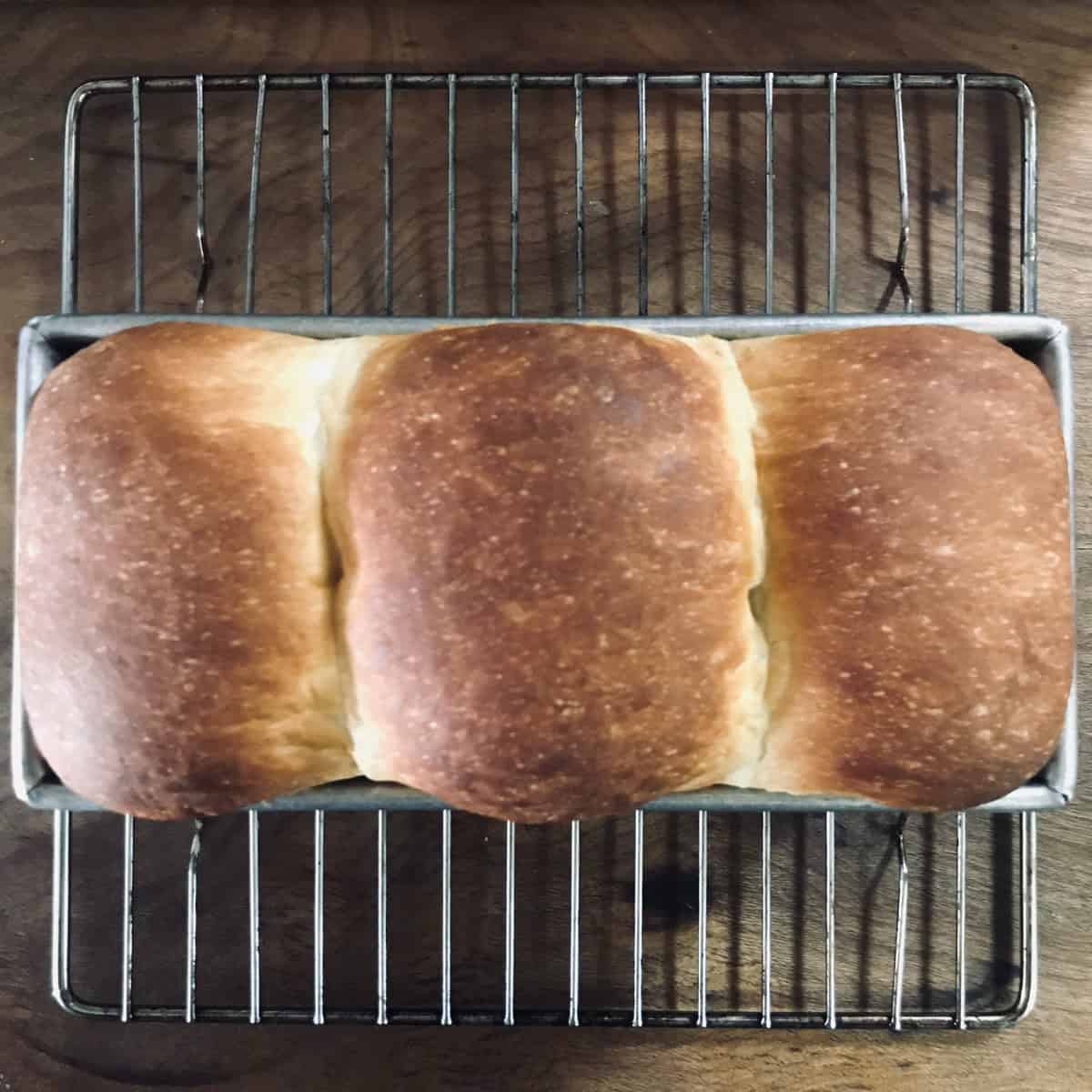
           Baked shokupan milk bread still in pan sitting on wire rack
          Bake at 350 until golden and internal temperature reaches 195°F
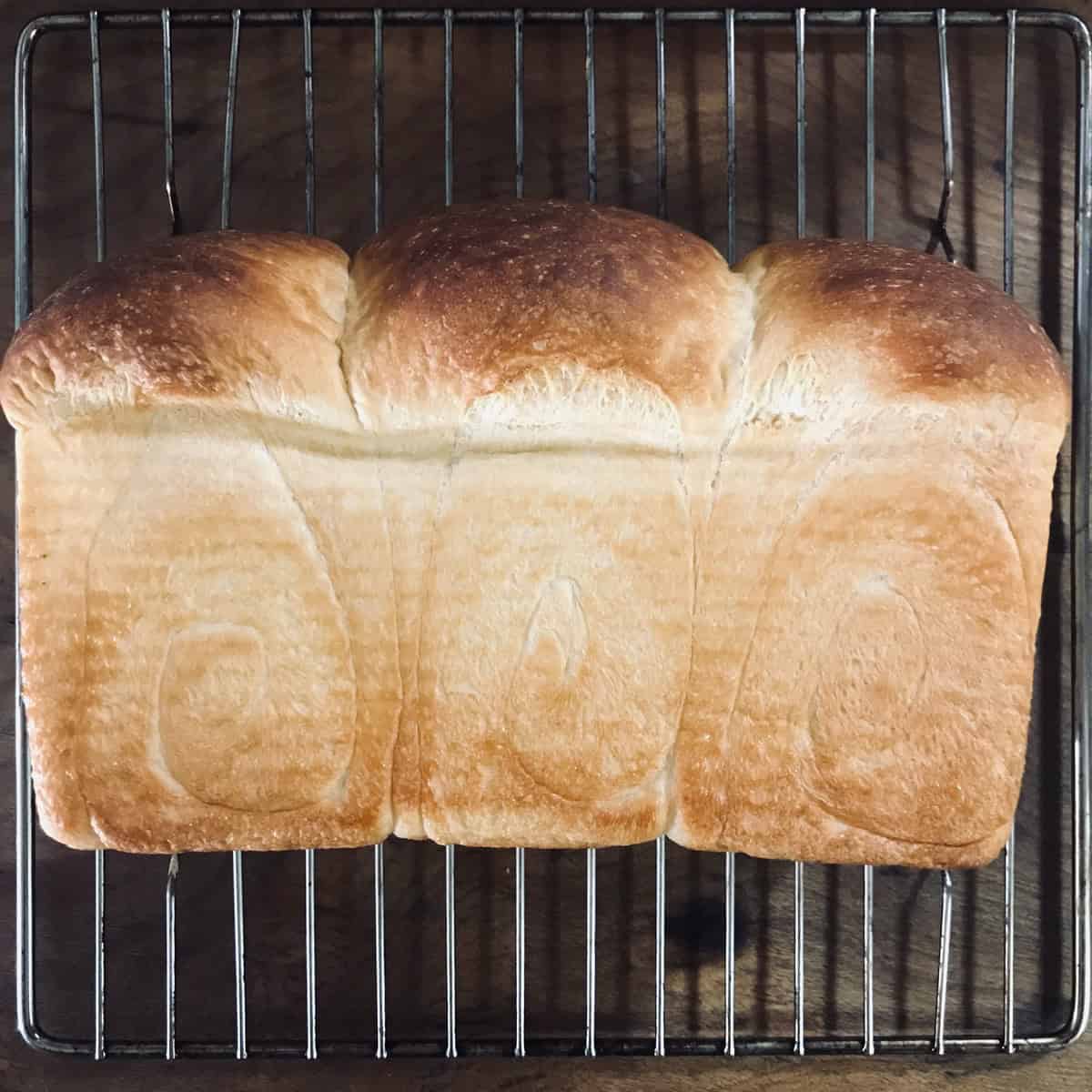
          Baked shokupan milk bread removed from pan and on wire rack
          Immediately remove bread from pan and onto wire rack to cool

          Bread Pans for shokupan

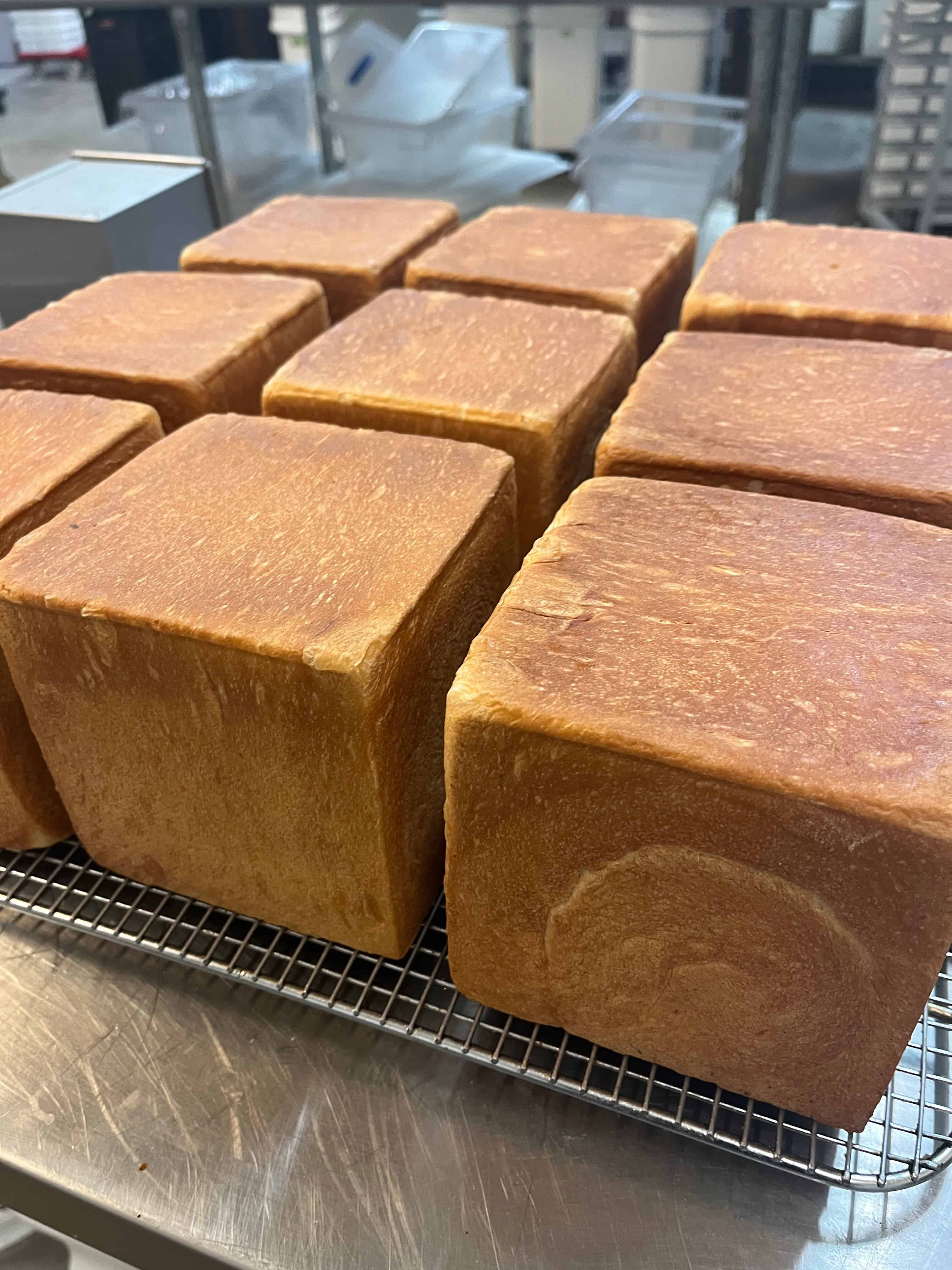
          Shokupan is baked in bread pans wider and deeper than what you typically find in the United States and the loaves are often sold in perfect cubes. Because most people don't have shokupan pans at home, the recipe below is made to fit a standard one pound loaf pan (8.5 x 4.5 x 2.75).

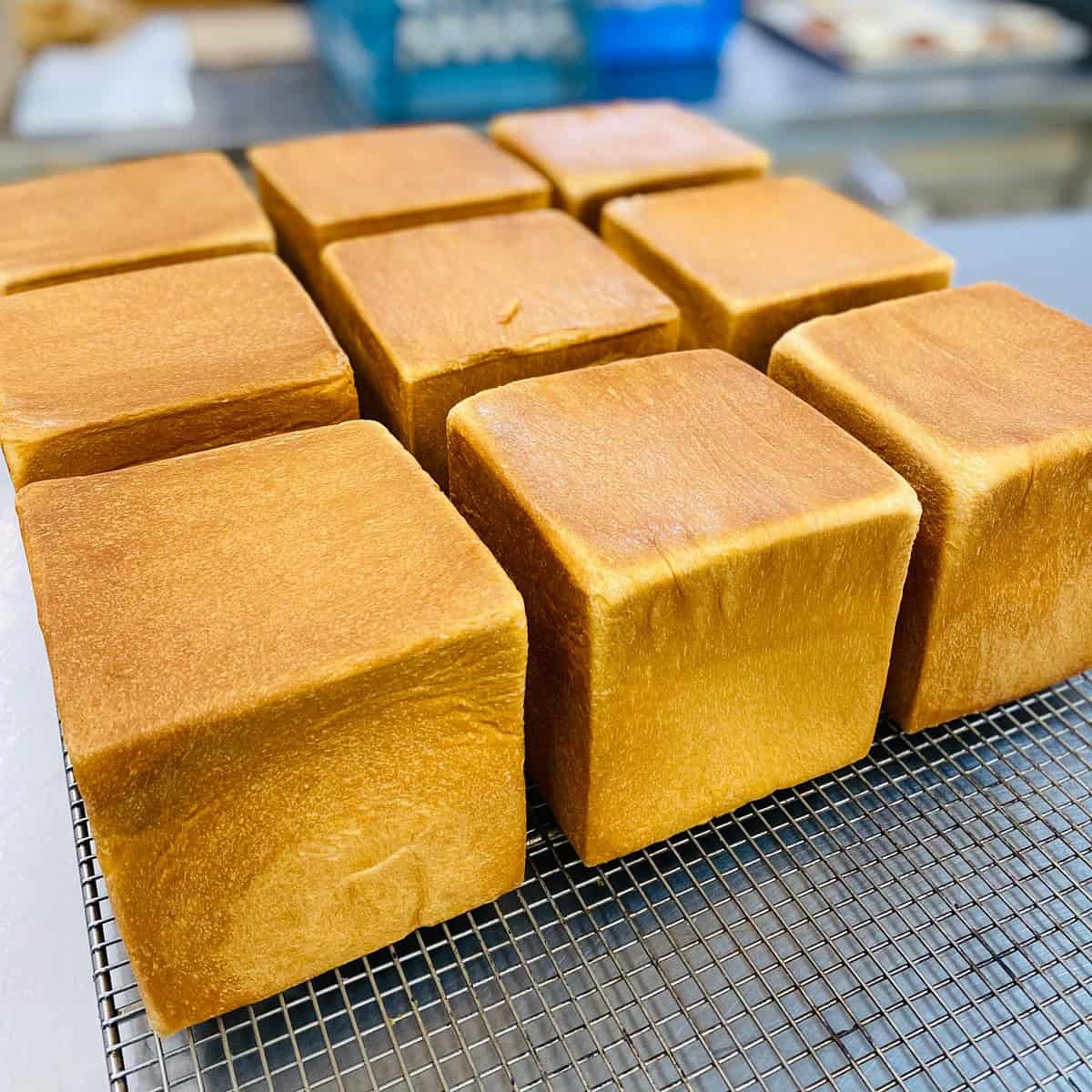
          • If you would like to make shokupan in cube form, like the ones in the photo below, you can purchase Tiger Crown Shokupan Pans (1 Litre size) on Amazon. The dough quantity needed for each pan is 450g - 460g.

          Pay careful attention

          Four points to pay attention to in order to create a well-structured, soft loaf.

          Ingredients weighed out.
          1. Weigh all ingredients
          Dough stretch thin to show "windowpane" test.
          2. Mix until full gluten development, windowpane achieved
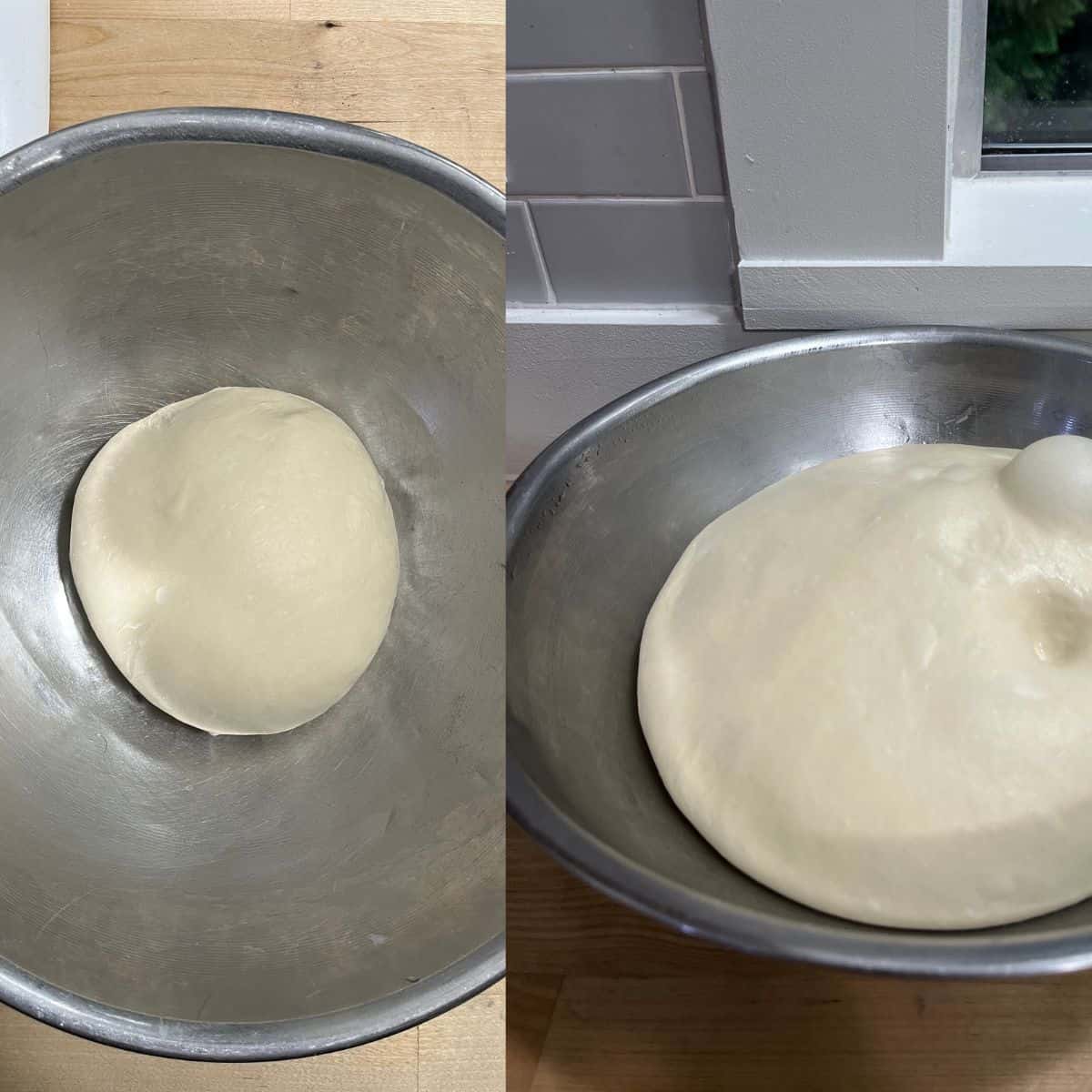
          side-by-side comparison of dough at the beginning and end of bulk fermentation.  End result is tripled in size.
          3. Bulk Fermentation. Allow dough to reach 2.5 -3x size. Use poke test to check
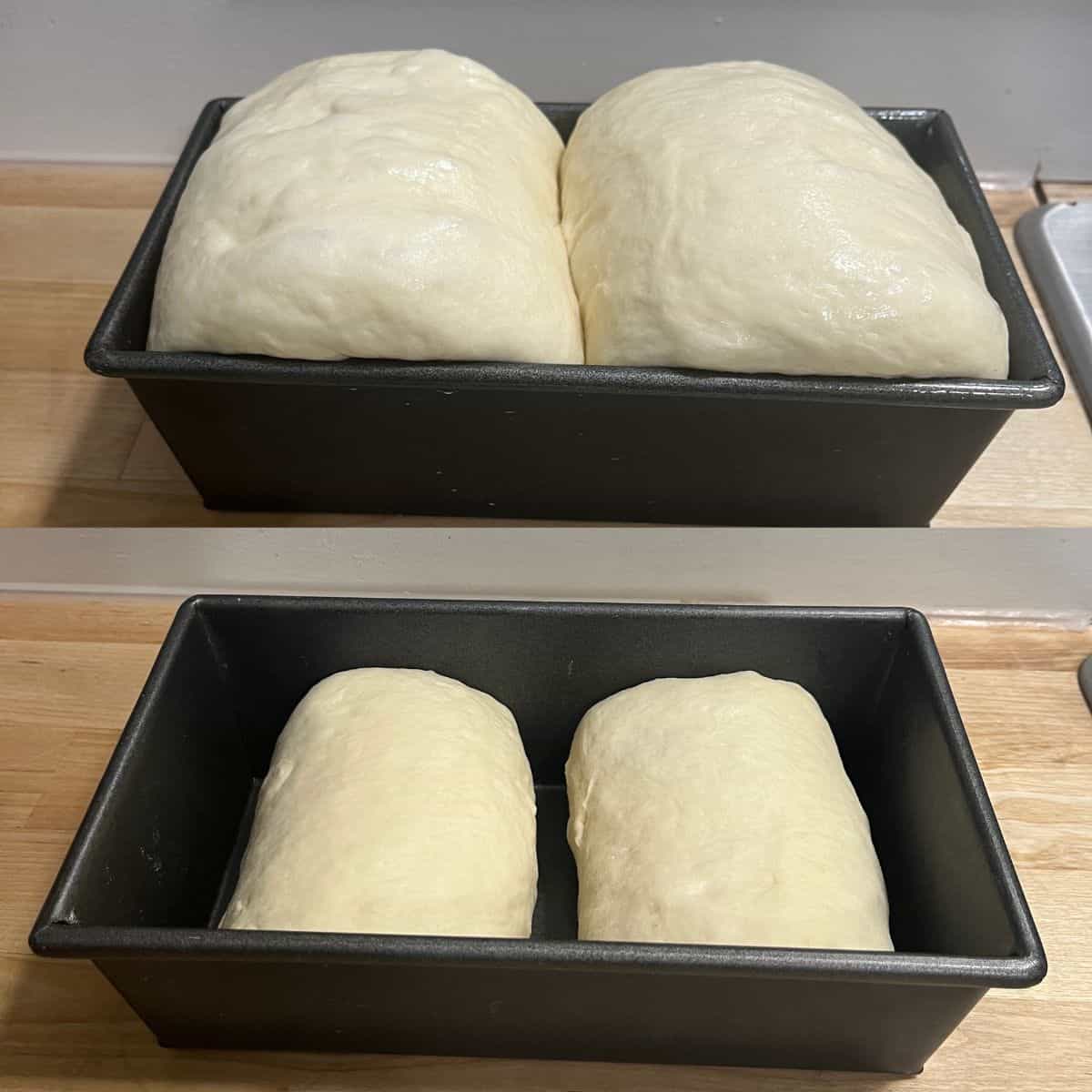
          side-by-side comparison of dough at the beginning and end of bulk fermentation.  End result is doubled in size.
          4. Final Fermentation. Dough should double. Use poke test to check
          1. Using a scale is the simplest way to achieve accurate and consistent results.
          2. Mix until full gluten development is achieved. A well-formed gluten network gives the dough the strength to trap air while rising and when baking. Failing to mix to the proper stage will result in a dense loaf.
          3. Allow dough to bulk ferment (1st rise) until 2.5-3x size. The dough is building flavor and structure during this time. The poke test (see notes on recipe card) can help determine when the dough is sufficiently proofed.
          4. Final fermentation (final proof) - For the 1 lb and 1.5 lb loaves, the dough will mound up past the edge of the pan (see photo). Use the poke test to determine when it's ready to go into the oven (see note on recipe card). For square pan (1 Litre size), close lid just before the top of the dough reaches the height of the pan.
          9 cubes of shokupan milk bread

          Shokupan Japanese Milk Bread

          Because most household loaf pans are 8.5 x 4.5 x 2.5 (classified as "1 lb loaf pan"), I have designed this recipe so you can make shokupan at home without having to buy additional pans. If you would like to make a perfectly square loaf, the post includes information on what pan to purchase, as well as the dough quantity needed.
          This shokupan is a two-day process. Please note that there are instructions for "Day 1" and "Day 2".
          The equipment section only lists specific "specialty" items needed for this recipe. Additional bowls, spoons, cups, spatulas may be required.
          Print Recipe Pin Recipe Add to Collection Go to Collections
          Prep Time 20 minutes mins
          Cook Time 30 minutes mins
          Proof Time 3 hours hrs
          Total Time 3 hours hrs 50 minutes mins
          Course bread, Breakfast, lunch
          Cuisine Japanese
          Servings 1 loaf
          Calories 1550 kcal

          Equipment

          • Kitchen Scale
          • KitchenAid Mixer + Hook Attachment
          • Bench Scraper/Knife To cut dough (regular knife works)
          • Rolling Pin
          • Bread Pan size for this recipe: 8.5 x 4.5 x 2.75 (inches)

          Ingredients


          Yudane (Mix on Day 1)

          • 65 g Bread Flour recommend: Bob's Red Mill Artisan Bread Flour
          • 65 g Water Boiling

          Dry Ingredients

          • 260 g Bread Flour recommend: Bob's Red Mill Artisan Bread Flour
          • 4 g Instant Yeast for active dry or fresh yeast, see note (1) below
          • 36 g Granulated Sugar
          • 5 g Salt

          Liquid Ingredients

          • 195 g Whole Milk

          Fat

          • 20 g Unsalted Butter soft

          Instructions
           

          Day 1. Make Yudane

          • Measure flour for yudane (65g) in a small bowl
          • Bring water to boil in a small pot or kettle. Add 65g boiling water to flour. Stir together with a spoon. Once it's cool enough to handle, knead dough for thirty seconds. Store in a small container, cover with plastic wrap and place in fridge.

          Day 2. Make Shokupan

            Combine dry ingredients

            • In bowl, combine flour (260g), yeast, sugar and salt

            Mix dough

            • Heat milk to room temp using stovetop or microwave. Bring the milk to a temperature that feels neither hot or cold (somewhere near 80℉). Add milk and yudane to KitchenAid bowl. Place dry ingredients on top of milk and butter on top of dry ingredients.
            • Mix on low speed until there are no visible traces of butter or flour. Increase speed to medium/medium-high.
            • After a few minutes, stop mixer and scrape down sides of bowl. Continue to mix on medium/medium-high until the dough is no longer sticking to the sides and bottom of bowl. The dough should be smooth and pass the windowpane test (image #2 under "Pay Careful Attention" section).

            Bulk Ferment (1st rise)

            • Round dough to create a smooth top and place into a lightly oiled bowl. Cover and allow dough to rise to 2.5 - 3x it's original size. This could take 1 to 3 hours depending on the final temperature of the dough and temperature of the room. An hour-and-half is about average for a moderately warm room. Use visual cues and the poke test to determine if the dough is sufficiently proofed(2).

            Divide & Preshape

            • Dust flour onto a clean surface and invert bowl, allowing dough to fall onto dusted area. Square off the dough then cut in half, each piece should weigh around 320g. Pre-shape each piece into a loose ball, cover and rest 15-20 minutes

            Shape (please see "Technique" section for visuals)

            • Flour counter and, working with one dough at a time, flatten each piece into a rectangle.
              Using a rolling pin, roll the dough out until the length is roughly 2x the width
              Fold so the sides meet in the middle
              Starting at one end, roll the dough to the other end
              Pinch the seam to seal
              Place rolls in oiled pan, seam side down

            Final Fermentation (2nd rise)

            • Cover and allow dough to rise to about 2x it's original size. This could take 1 to 3 hours depending on the temperature of the dough and room. An hour-and-half is about average for a moderately warm room. Use visual cues and the poke test to determine if the dough is sufficiently proofed (2). If using a 1 lb loaf pan, the dough should dome up as pictured in image #4 under the "Pay Careful Attention" section.

            Bake

            • About 15 - 20 minutes before your your loaf is ready to go into the oven, turn on oven and heat to 350℉ (oven rack placed second spot from bottom). When the loaf and oven are both ready, place pan directly on oven rack and bake for 25-35 minutes (my loaf took 32 minutes). Careful not to remove from the oven too early or the bread will sink in on itself (internal temperature should read 195-200℉).

            Cooling, Eating and Storing

            • Remove shokupan from pan and allow to cool on wire rack.
              Shokupan is really good when still warm from the oven, especially with a little butter and jam. For sandwiches and toast, it's best to slice on the second day (it's very difficult to cut on day one because it's so soft).
              I like to slice shokupan the day after baking, place in a plastic bag and freeze for future toasts and sandwiches.

            Notes

            1. When using commercial yeast, I always recommend using instant dry.  That said, most people still use active dry yeast and there's no point in buying more yeast if that's what you have in your kitchen.  If using active dry yeast, change the quantity to 5 grams.  Active dry yeast needs to be "activated" - to do so, take about ¼ cup of milk from the recipe and warm it to about 105 degrees Fahrenheit.  Sprinkle yeast on top, give a quick stir and leave it for about 15 minutes.  Add to milk/yudane.  If using fresh yeast, change the quantity to 12g.  Crumble and add to milk.  Proceed with recipe as instructed.
            2. How to tell when fermentation is complete.  A well-proofed dough will look and feel a little like a balloon and still have a nice sheen to it.  To do the poke test, dip your finger in flour and push it into the dough about ½" (halfway up your first knuckle).  Under-proofed dough will resist and the dough will spring back.  Properly proofed dough will hold an indentation but will still be springy.  Over-proofed dough will look dull, will not spring back when poked and may even deflate.  Please Note:  There aren't only these three possibilities, where the dough is either under-proofed, perfectly proofed or over-proofed.  Your dough can be somewhat under or over proofed, and still result in a nice loaf.  The key is to stay in the range of acceptable parameters (don't under or over proof to the extreme) and, over time, learn to determine how far you can push the boundaries.

            Nutrition

            Calories: 1550kcalCarbohydrates: 313gProtein: 17gFat: 24gSaturated Fat: 14gPolyunsaturated Fat: 1gMonounsaturated Fat: 6gTrans Fat: 1gCholesterol: 66mgSodium: 2163mgPotassium: 402mgFiber: 8gSugar: 57gVitamin A: 816IUVitamin C: 16mgCalcium: 737mgIron: 18mg
            Keyword milk bread, mochi mochi, sando, sandwich bread, shokupan, soft, white bread
            Tried this recipe?Let us know how it was!
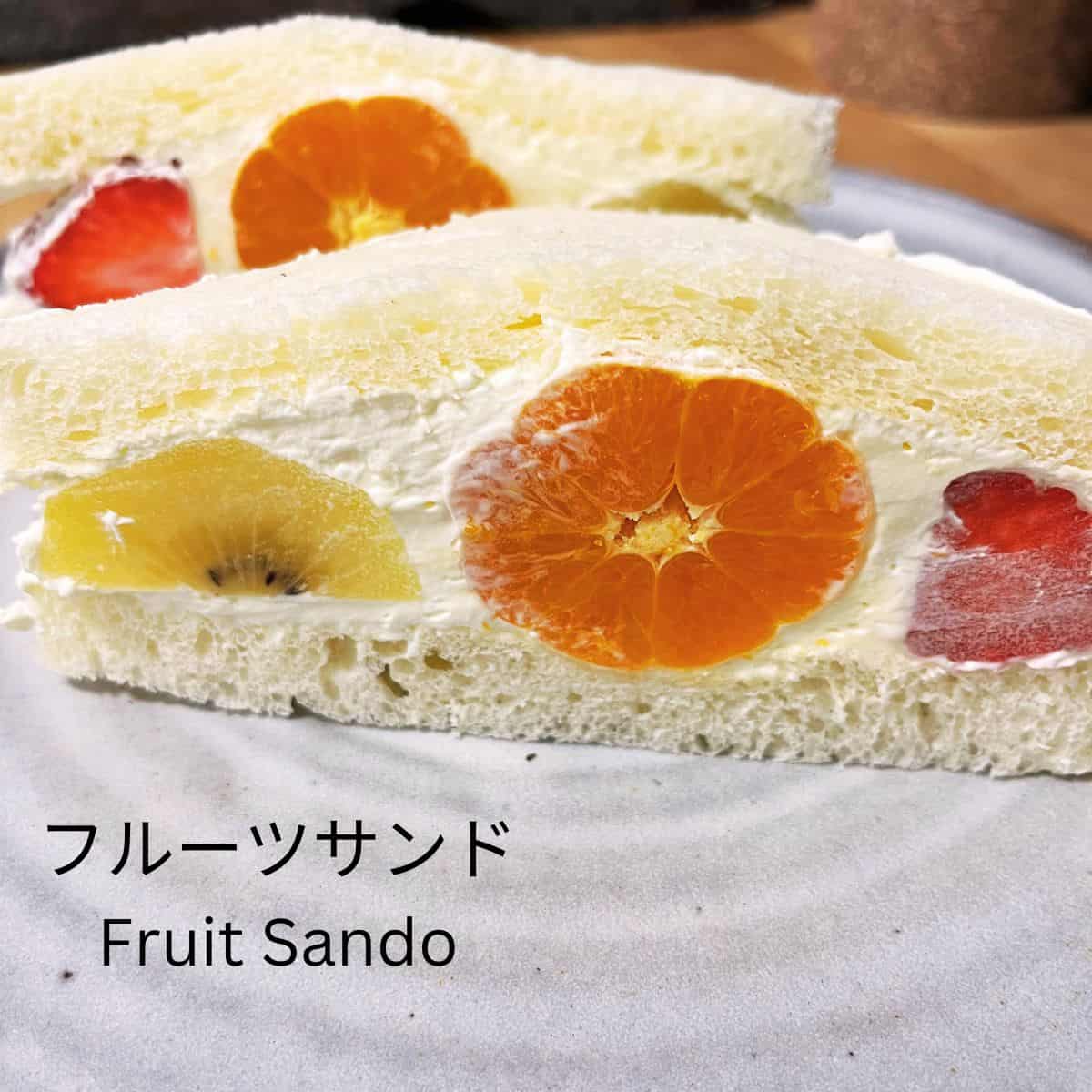
            Orange, kiwi, strawberry and whipped cream sandwiched between two slices of shokupan.

            Credit, sources, shout outs (& sometimes ramblings)

            Very few recipes are true originals. Here is where I share my inspiration and cite my sources.

            During the pandemic, while everyone was learning how to make sourdough bread, I was trying to figure out how to make the shokupan I grew up eating in Japan. There are lots of recipes for shokupan out there, but most contained eggs or a tangzhong (neither of which is used for Japanese shokupan). There are many online recipes in Japanese, but without access to Japanese bread flour, the texture of the bread was just off. Finally, I came across Chopstick Chronicles website, where I learned about yudane. By incorporating a yudane and using King Arthur Artisan Bread Flour in my dough, I was finally able to achieve the texture I was searching for.

            Why should you trust my recipes? You can read about me here.

            Subscribe to get our latest content by email

              Pie Dough Recipe for Flaky Pie Crust

              Sturdy enough to hold a filling, tender enough to cut with a fork and so flaky that shards of crust fall to the plate as you take your first bite. How do you transform the simplest ingredients into a tender, buttery, flaky pie crust? Follow along and I'll show you how.

              close-up shot of chocolate cream pie with flaky crust layers visible.
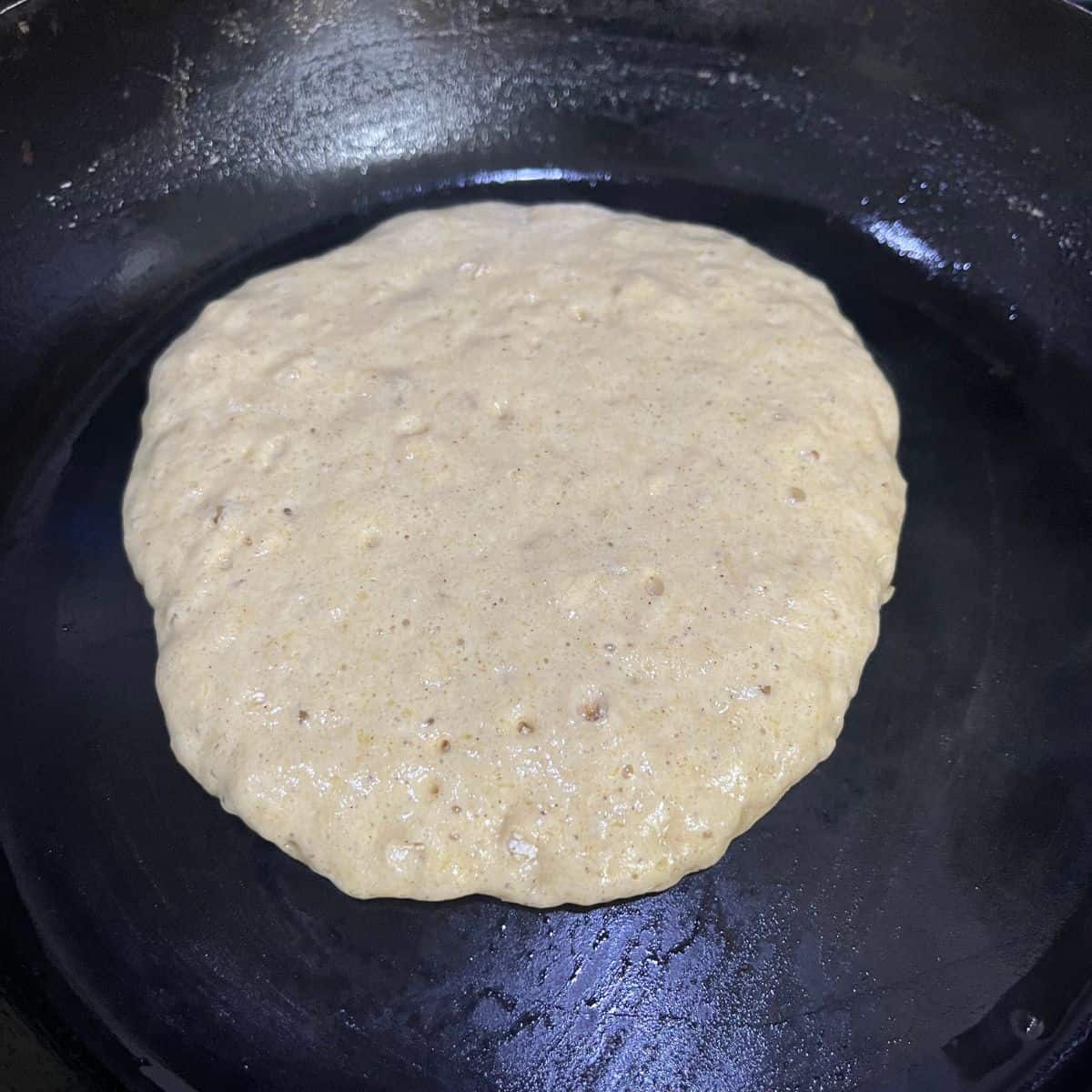
              [feast_advanced_jump_to]

              Introduction

              Pie dough is generally made up of three main ingredients: flour, fat and water. Salt is for flavor and sugar for color/caramelization. Skillfully combine these simple ingredients and you will be rewarded with tender, flaky results.

              In baking and pastry there is a method for just about everything; a set of guidelines that you can apply to almost any recipe that uses the same technique. The method for making pie dough is referred to as the cut-in or rubbing method, because you're quite literally cutting or rubbing cold fat into flour. The idea is to minimize gluten formation by coating fat with flour which shortens the gluten strands (hence the name shortcake and short dough).

              Gluten is formed when liquid is added to flour and the proteins in the flour (gluten and gliadin) link together. Kneading the dough strengthens the bond between these two proteins. Gluten formation is essential in bread baking (which requires the doughs to have strength to rise), but not ideal for pies. In order to achieve a tender, flaky, pie crust it's important to gently handle the dough after the liquid is added to minimize the amount of gluten formed (too much gluten formation = tough dough).

              Baker's Assistant:

              For more in-depth information about topics covered on this page, follow the links:

              • The cut-in/rub-in method

              Mise en place for pie dough

              The following items require advance preparation:

              • Flour - pastry flour or all purpose (better if cold)
              • Fat of choice (butter, lard, shortening or a combination) very cold, but not frozen
              • Water, very cold

              Tip: if it's a warm day, it helps if your equipment is cold as well.

              The method for this recipe will be to make by hand, but the easiest and fastest way to make pie dough is with a KitchenAid mixer + paddle attachment or food processor. Another way is to use a rolling pin - this method is slightly messier but produces excellent results. I'll share this method in another post.

              Ingredient Properties

              • Flour - Pastry flour, due to it's low protein content, produces the flakiest, most tender crust and is my top choice. All purpose flour will also make a good crust.
              • Fat - Butter has the best flavor and contributes to a flaky crust
              • Fat - Lard has no flavor and contributes to a tender crust. Not vegetarian.
              • Fat - Shortening has no flavor and contributes to a tender crust. Vegetarian or vegan
              • For a flaky and tender crust, I prefer to use butter and lard. You can also get good results by using butter + shortening or all butter. All lard or shortening will result in a tender, cookie-like crust with little to no flake.

              Technique - Cut-In/Rubbing Method

              lard and butter on top of flour
              Coat fat with flour.
              lard and butter rubbed into flour to look mealy. keeping the fat cold = flaky crust
              Rub fat into flour until "mealy".
              pie dough just brought together, fairly dry.  not over mixing = flaky crust
              Add water and press dough together. It will be dry but should hold together.
              dough that's been sitting in the fridge for two hours, doesn't look dry anymore
              Wrap dough in plastic and refrigerate. The dough should look like this after resting in fridge.
              rolled out pie dough to ⅛" thick.  specks of butter and lard visible.  visible bits of fat = flakey pie crust
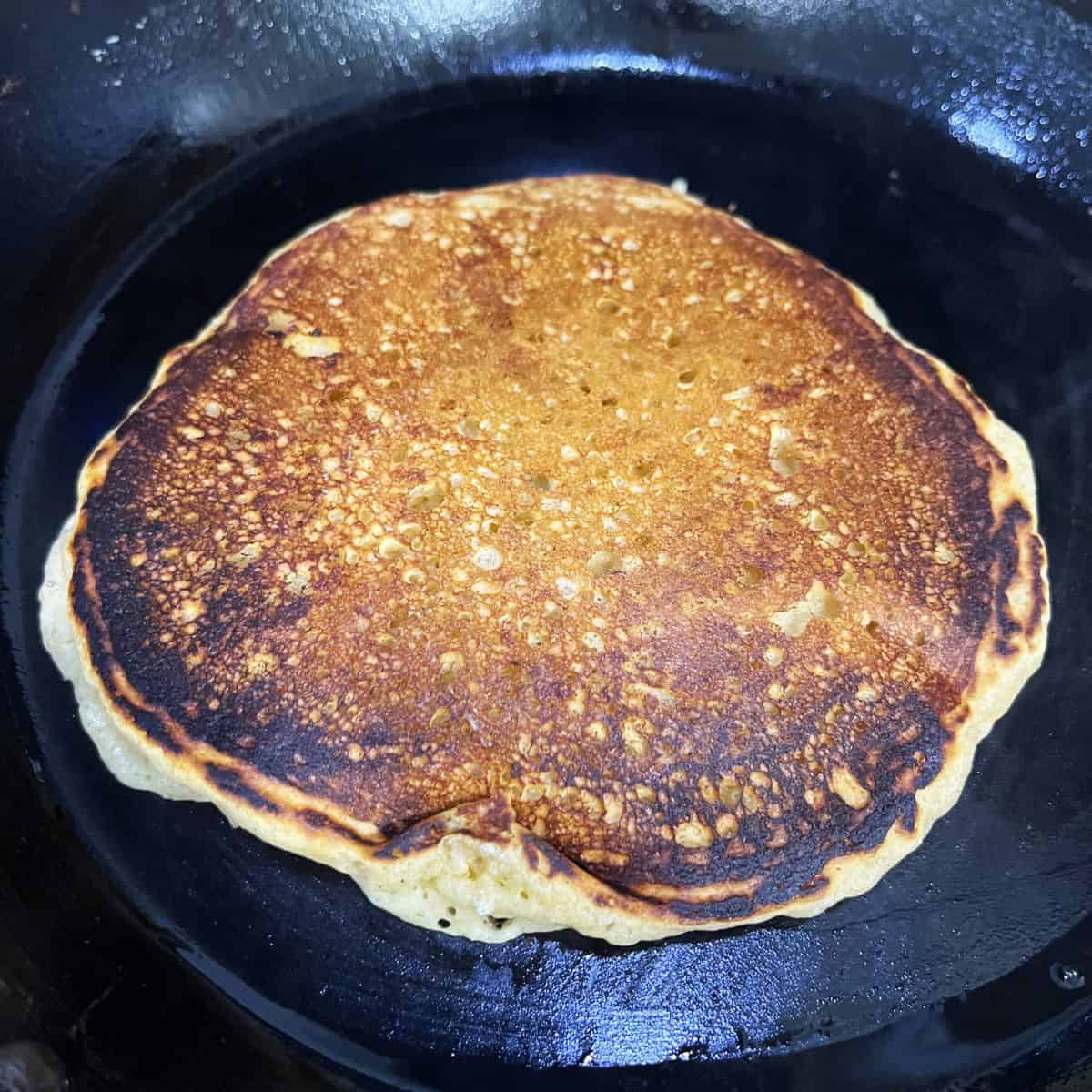
              Roll out pie dough ⅛" thick (notice visible specks of fat).
              pie dough with crimped edges in a cast iron pie pan. visible bits of fat = flaky pie crust
              Place dough in pan.

              This recipe for pie dough uses the cut-in/rub-in method:

              1. Mix together dry ingredients
              2. Cut cold fat into ½ inch cubes
              3. Coat butter with dry and cut/rub into flour until mealy
              4. Add cold water and bring dough together (don't knead)
              5. Flatten into ½" - 1" thick disk, wrap with plastic and place in fridge for minimum of 2 hours.
              6. Roll dough to ⅛" thickness
              7. Place rolled dough in pie pan

              To read more, see The Cut-In/Rubbing Method

              Substitutions

              Substituting ingredients in a recipe (especially a baking recipe) will change the outcome of the end product; not just in flavor but also texture. That said, it is possible to substitute any of the following ingredients:
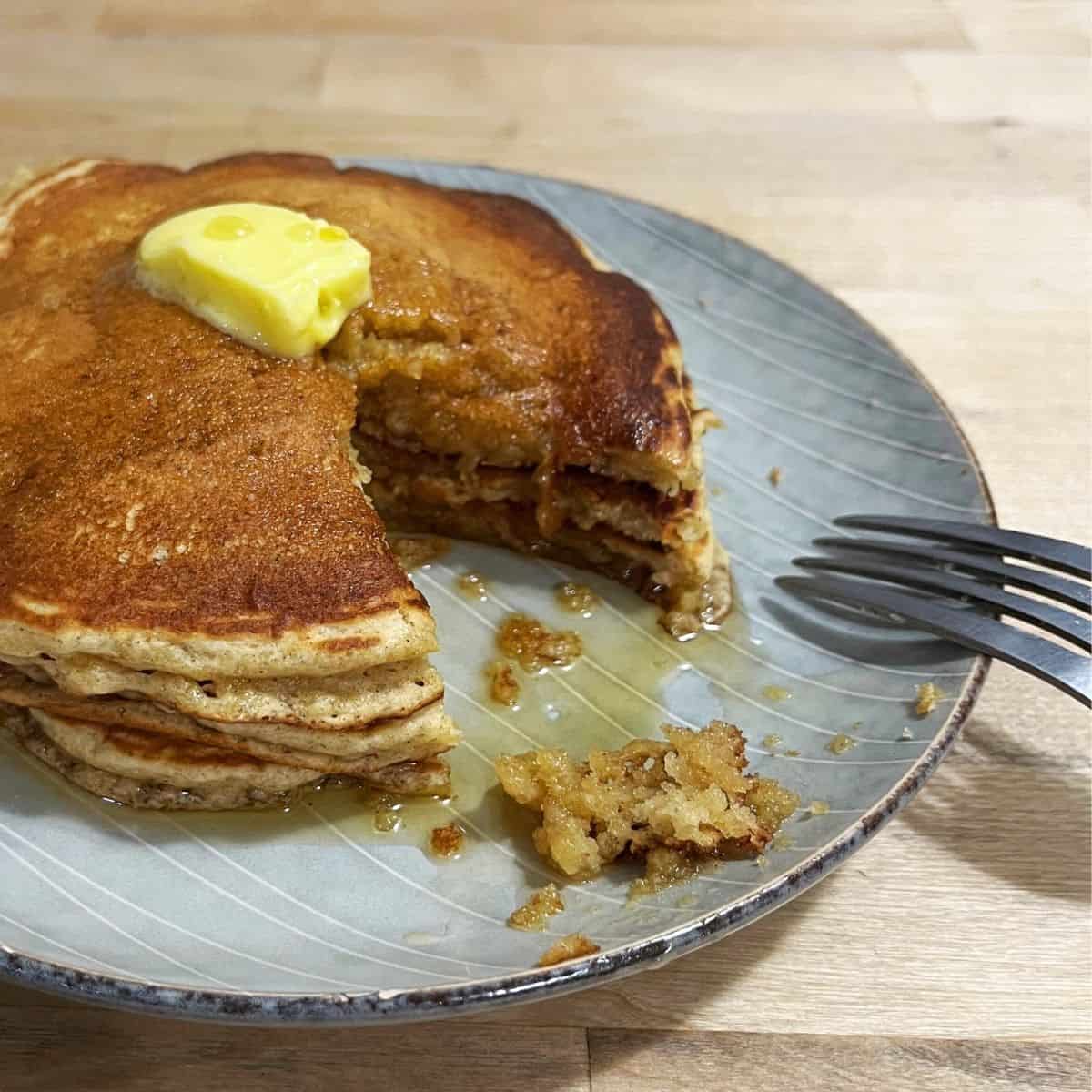
              • Use butter, lard or shortening alone or in any combination as long as the total amount is the same as in the recipe
              • Substitute pastry flour with all-purpose flour at a 1-1 ratio (you my need to add an additional tablespoon or two of water)
              • Omit, decrease or increase sugar as needed
              • If substituting gluten-free flour, you may have to experiment with water amount

              Pie Pans

              A good pie pan gets hot quickly quickly and retains heat which help to create flakiness and browning of the bottom crust.
              • Cast Iron. Cast iron is the best at retaining heat so you're sure to always have a flaky crust with a golden brown bottom.
              • Metal. Heats quickly and produces and even colored golden brown bottom. Not as good as cast iron, but still works very well.
              • Ceramic & glass. Not my favorite, but it will do if that's what you got. Baking can be a little uneven. Bottom isn't as crisp and flaky
              three pies sitting on table - pumpkin pie, pecan pie and double-crusted blueberry pie with flaky pie crusts

              Rolling & Baking

              Rolling

              Resting the dough in the fridge allows the flour to fully hydrate and the gluten to relax, which makes for easier rolling. The images above show the before and after photos of dough that's rested in the fridge.

              Pie dough tends to stick to the counter so use plenty of flour and rotate in between rolls. This also help to keep your dough round. Keep rolling and rotating until you have a disk about ⅛" thick. For reference, that's about two quarters stacked together.

              Baking

              • Bake an unfilled crust or bake a double-crusted pie around 400-425 degrees fahrenheit
              • If a single-crusted pie needs to be baked again after filling, follow the instructions for the recipe that includes the filling
              • I firmly believe you should always fully bake the crust of a single-crusted pie before filling and baking a second time. If you want to know why, you can read my rant below.

              I am honestly amazed at how frequently I see people baking single crust pies without par baking. Like, AMAZED. In my opinion, one of the most crucial steps in obtaining a flaky bottom crust is to par bake it. I'm referring to cooked fruit pies, pecan pies, quiche and other cooked custard pies - anything that doesn't require a top crust. In fact, you can fully bake the crust and it will not burn once the filling is inside. The crusts of the pumpkin and pecan pies in the photo were fully baked prior to filling and baking a second time. As you can see, they're nicely baked and the bottoms were crisp and flaky.

              Prep Ahead

              Planning and working ahead can save you a lot of time and effort in the future. Luckily, pie dough and pie crust is freezer friendly at any stage. Listed below are the points at which you can freeze. Make sure to wrap well before placing your dough or crust into the freezer.

              • After resting in the dough in fridge for two hours (still wrapped in plastic)
              • After rolling it out into a sheet
              • After rolling out and forming in a pan (I recommend using a metal dish)
              • After the pie crust is baked (again, use a metal pan)

              Pie Dough for Flaky Pie Crust

              For instructions on how to bake, follow your pie recipe.
              Print Recipe Pin Recipe Add to Collection Go to Collections
              Prep Time 20 minutes mins
              Resting Time 2 hours hrs
              Total Time 2 hours hrs 20 minutes mins
              Course Dessert
              Cuisine American
              Servings 6 people
              Calories 545 kcal

              Ingredients


              Dry Ingredients

              • 390 g Pastry Flour
              • 15 g Sugar
              • 6 g Salt

              Cut-In

              • 112 g Butter cold from fridge
              • 112 g Lard cold from fridge

              Liquid Ingredients

              • 112 g Water ice cold

              Instructions
               

              Combine Dry

              • Whisk together flour, sugar and salt

              Cut-In Fat

              • Cut cold butter and lard (as best you can) into ½ inch cubes and toss with dry ingredients. Using your fingers, press the pieces of butter and lard along the bowl and between your finger taking care not to melt the fat. Keep rubbing the fat into the flour until you have something that resembles cornmeal with a few pea-sized bits of butter and lard remaining.

              Add liquid

              • With the flour still in the bowl, make a well in the center. Add the cold water and move the flour into the water using a fork. Once the water is evenly distributed and you have a shaggy mass of dough, dump it onto a clean counter and press it together. It will be dry, but should hold together well enough. Wrap in plastic and place in fridge. After two hours, the dough will be ready for rolling out.

              Nutrition

              Serving: 1crustCalories: 545kcalCarbohydrates: 52gProtein: 7gFat: 34gSaturated Fat: 14gPolyunsaturated Fat: 6gMonounsaturated Fat: 12gTrans Fat: 3gCholesterol: 40mgSodium: 511mgPotassium: 74mgFiber: 2gSugar: 3gVitamin A: 466IUCalcium: 15mgIron: 3mg
              Keyword by hand, pie, pie crust, pie dough
              Tried this recipe?Let us know how it was!

              Credit, sources, shout outs (& sometimes ramblings)

              Very few recipes are true originals. Here is where I share my inspiration and cite my sources.

              I've spent a significant amount of time trying to get pie crust right. It's been so long that I'm not even sure how I got here. No matter. As it turns out, most pie dough recipes (whether the author knows it or not) are modifications of the following ratio:

              3 parts flour, 2 parts fat, 1 part water

              Meaning, you could make a pie crust with 300g flour, 200g butter and 100g water (salt and sugar to taste).

              So, in all honesty, another pie crust recipe will not make you a great pie baker. My recipe will not make you a great pie baker. Why? Because all the recipes are variations of the same ratio. What you really want is to master the method. Get the technique down, and you too will be able to achieve a perfect pie crust.

              What Is the Cut-In Method? (And How to Get Flaky Results Every Time)

              If you’ve ever made pie dough, scones, or biscuits, you’ve likely used the cut-in method - even if you didn’t know the name for it.

              The concept is simple: work cold fat into flour prior to adding your liquid ingredients.

              But the results depend entirely on how it’s done.

              When executed properly, this method produces tender, flaky baked goods. When handled incorrectly, it can lead to dense, tough results.


              Quick Answer: What Is the Cut-In Method?

              The cut-in method (also called the rubbing method) is a baking technique where cold fat is worked into flour until the mixture becomes crumbly.

              This process coats the flour with fat, limiting gluten development and creating pockets of steam in the oven, resulting in tender, flaky textures in baked goods like pie crusts, biscuits, and scones.


              [feast_advanced_jump_to]

              Why the Cut-In Method Works

              The purpose of this method is to control gluten formation.

              Gluten develops when liquid is added to flour and the proteins (glutenin and gliadin) begin to link together. Kneading strengthens this network, which is useful in bread - but not ideal for pastry.

              By coating the flour with fat first, you limit how much liquid can hydrate those proteins.

              At the same time, small pieces of fat remain throughout the dough. As the dough bakes, those pieces melt and release steam, creating the flaky layers associated with pie crusts and biscuits.


              What You Can Make Using the Cut-In Method

              • Pie crust
              • Scones
              • Biscuits
              • Streusel

              Basic Steps

              Butter and lard coated with flour
              Coat fat w/flour
              Butter and lard rubbed into flour until texture is mealy.
              Rub together until mealy
              After adding liquid, dough is brought together
              After adding liquid ingredients, bring dough together
              Pie dough rolled out with specks of fat visible
              After chilled & rested, roll to ⅛" thickness
              1. Mix together dry ingredients
              2. Cut cold butter into roughly ½-inch cubes
              3. Coat the fat with flour, then cut or rub it into the flour until the texture becomes mealy
              4. Add cold liquid ingredients and gently bring the dough together

              Key Techniques for Best Results

              Butter and lard cut into flour to create a flaky pie dough.

              Keep Everything Cold

              Temperature control is one of the most important parts of this method.

              • Butter, lard, or shortening should be cold
              • Liquid ingredients should be very cold
              • Even the flour and bowl can be chilled if needed

              The fat should remain solid throughout the process. If it begins to soften or melt, the final texture will suffer.


              Aim for a Mealy Texture

              As you work the fat into the flour, the mixture should resemble coarse cornmeal.

              It’s also helpful to have a few small, pea-sized pieces of fat remaining.

              These larger pieces contribute to flakiness in the final product.


              Handle the Dough Gently

              Once liquid is added, gluten development begins.

              At this stage:

              • bring the dough together
              • avoid kneading
              • use a light hand

              If more structure is needed, flatten and fold the dough a few times - but avoid overworking it.


              Choose the Right Flour

              Lower-protein flours produce more tender results.

              • pastry flour
              • cake flour
              • all-purpose flour (or a blend)

              Adjust Based on the Dough

              Different doughs behave differently:

              • Pie dough tends to be drier
              • Biscuits and scones are typically wetter

              Understanding the consistency you’re aiming for helps guide how much liquid to add and how the dough should feel.


              Tools You Can Use

              The cut-in method can be done with:

              • stand mixer (paddle attachment)
              • food processor
              • pastry blender
              • fork
              • rolling pin
              • hands

              The method matters more than the tool - use the tool that is most efficient for you.


              After Mixing: Rest and Chill

              Once the dough is formed:

              • refrigerate pie dough for at least an hour
              • allow the flour to hydrate
              • let the dough relax

              Chilling also helps solidify the fat again, which improves structure and flakiness.

              Dough should be chilled again before baking.


              Freezing Dough

              Unbaked pie dough, scone dough, and cut biscuit dough can all be frozen.

              👉 Freeze Pie Dough Like a Pro: Smart Make-Ahead Methods for Perfect Crusts


              Baking Temperatures

              These types of doughs are typically baked at higher temperatures:

              • Scones: ~375°F
              • Pie crust: 400 - 425°F
              • Biscuits: 425 - 450°F

              Higher temperatures help create steam quickly, which supports lift and flakiness.


              Common Mistakes

              Butter Is Too Warm

              Cold butter is the key to creating pockets of steam which result in flaky layers. It also prevents excess gluten formation.


              Overworking the Dough

              Too much handling develops gluten, leading to a tougher final product.


              Adding too much liquid

              For a pie crust, add just enough liquid to bring the dough together.


              Not Keeping Things Cold

              Butter has a very low melting point, so to keep the butter cold, everything else also needs to be cold.


              Final Thoughts

              The cut-in method is simple in concept, but method matters.

              Temperature and technique play a significant role in the final result.

              Once you understand the interaction of flour, fat and liquid it becomes much easier to produce consistent, flaky baked goods.


              Pocket Baker Perspective

              In baking and pastry, there is a method for just about everything - a set of guidelines you can apply to any recipe that uses the same technique.

              The goal is never just to follow steps.

              It’s to manage a process.

              Because that’s what ultimately determines whether a dough turns out tender and flaky… or dense and tough.


              What Is the Creaming Method? (And Why It Affects Your Results)

              Introduction

              If you’ve made cookies, quick breads, or buttercream, you’ve likely used the creaming method - even if you didn’t realize it.

              You’ve probably seen instructions like:

              “Cream butter and sugar until light and fluffy.”

              That’s your cue that you’re working with the creaming method.

              And while it’s most commonly associated with cookies, it applies to a wide range of baked goods - typically those higher in fat and sugar, including:

              • cookies
              • tart doughs
              • cakes
              • icings

              It’s one of the more straightforward techniques in baking.

              But understanding a few key principles will help you achieve more consistent texture, structure, and overall results.


              [feast_advanced_jump_to]

              Quick Answer: What Is the Creaming Method?

              The creaming method is a mixing technique where fat and sugar are beaten together to:

              • incorporate air
              • distribute sugar evenly

              This directly affects:

              • texture
              • volume
              • spread
              • consistency

              The creaming method is commonly used in products like cookies, tart doughs, pound cakes, and cream cheese icing.


              Where the Creaming Method Is Used

              The creaming method applies across a range of products that are higher in fat and sugar.

              Common examples include:

              • cookies (drop, spritz and sugar cookies)
              • tart doughs (such as sucrée)
              • muffins
              • cakes (pound cake and some layer cakes)
              • icings (cream cheese icing, American buttercream)

              These products are very different, but they rely on the same principle:

              👉 proper creaming helps create the texture and volume the recipe is designed to have.


              Why the Creaming Method Matters

              butter and sugar creamed together until "light and fluffy"

              When fat and sugar are mixed together:

              • sugar cuts into the fat
              • small air pockets are created
              • those pockets expand during baking

              That’s what creates:

              • lighter texture
              • better volume

              The Ingredients Used in the Creaming Method

              The creaming method usually includes four main components:

              • sugar
              • fat
              • eggs
              • flour

              Sugar

              Granulated sugar is most commonly used because it helps incorporate air into the mixture.

              Other options:

              • superfine sugar → dissolves more easily, finer texture
              • powdered sugar → commonly used in icings or for a more tender cookie

              Fat

              Butter is the most common fat used.

              It should be soft enough to mix - but not warm or melting.

              Other fats may be used, including:

              • vegetable shortening
              • lard

              The result will vary depending on the fat used.

              👉 Oil cannot be used, because it does not trap air the way solid fats do.


              Eggs and Liquids

              Eggs are the most common liquid added.

              They help form an emulsion and bring the mixture together.

              Other liquids - as milk, water, sour cream, juice - may be included, but typically not as a full replacement for eggs.

              👉 Adding eggs gradually helps the mixture stay stable and evenly combined.


              Flour and Other Dry Ingredients

              Lower-protein flours are typically preferred, especially when tenderness matters:

              • pastry flour
              • cake flour
              • all-purpose flour

              Other ingredients may be added for flavor or texture, such as:

              • cocoa powder
              • chopped dried fruit
              • toasted ground nuts

              Once flour is added, mixing should stay minimal.

              👉 This is where overmixing most often affects the final texture.


              Basic Steps of the Creaming Method

              a tray of chocolate chip cookies

              1. Cream the Fat and Sugar

              Start with softened fat and sugar.

              Mix on medium speed until:

              • the mixture looks smoother
              • the color is lighter
              • there are no visible lumps
              • proper volume is achieved

              Stop regularly to scrape the bowl.


              2. Add the Eggs Gradually

              Add eggs in increments.

              Allow each addition to incorporate before adding more.

              Scrape the bowl between additions.

              👉 This helps create a stable emulsion.


              3. Add the Dry Ingredients

              Add the flour all at once (unless the recipe states otherwise).

              Mix on low speed just until combined.

              Scrape the bowl as needed.

              👉 Do not overmix once the flour is added.


              What “Light and Fluffy” Actually Means

              This is one of the most misunderstood instructions in baking.

              You’re looking for:

              • smoother texture
              • lighter color
              • modest increase in volume
              • no visible lumps

              👉 Visual cues matter more than time.


              Key Points That Make the Creaming Method Work

              • cream fat and sugar long enough to build proper volume
              • add eggs slowly to form a stable emulsion
              • scrape the bowl often
              • mix dry ingredients only until combined

              👉 These small habits make the biggest difference.


              Common Problems with the Creaming Method

              Cookies Spread or Produce Tails

              Often caused by:

              • butter that is too soft
              • uneven mixing

              👉 Why Chocolate Chip Cookies Spread Too Much - or Not Enough


              Cakes or Muffins Turn Out Dense

              Often caused by:

              • insufficient creaming
              • poor aeration
              • overmixing after flour is added

              The Mixture Looks Broken After Adding Eggs

              Usually caused by:

              • adding eggs too quickly
              • temperature differences
              • incomplete emulsification

              👉 It often corrects itself once mixing continues properly.


              The Final Product Is Tough

              Usually caused by:

              • overmixing after flour is added

              Once flour is incorporated, mixing should stop as soon as everything is combined.


              How This Connects to Your Results

              The creaming method affects:

              • how cookies spread
              • how tender or soft cakes become
              • how smooth and light icings are

              👉 Cookies troubleshooting: Common Cookie Problems


              FAQ: Creaming Method

              Can I use oil instead of butter?
              No. Oil cannot trap air the way solid fats can.

              What kind of sugar works best?
              Granulated sugar is most common, but superfine and powdered sugar may be used depending on the product.

              Do eggs need to be room temperature?
              They help with emulsification, but are not always critical.

              What kind of flour should I use?
              Lower-protein flours (cake, pastry, all purpose) are typically preferred for tenderness.

              How long should I cream butter and sugar?
              Until the mixture becomes smoother, lighter, and free of lumps - visual cues matter more than time.


              Related Guides

              👉 Why Chocolate Chip Cookies Spread Too Much - or Not Enough
              👉 Cookies troubleshooting: Common Cookie Problems
              👉 Can You Refrigerate Muffin Batter? (What Actually Happens)


              Final Thoughts

              The creaming method is simple - but it’s not insignificant.

              It’s a foundational technique used across many baked goods.

              When you understand how it works, your results become easier to read, easier to troubleshoot, and easier to repeat.


              Pocket Baker Perspective

              In professional kitchens, mixing methods aren’t treated as background instructions - they’re part of the formula.

              When a recipe begins with creaming butter and sugar, followed by adding eggs and then flour, you’re working within a method that applies across many products.

              👉 Understanding it allows you to apply the same principles with confidence, making your baking more efficient and more consistent.

              Big Chewy Chocolate Chip Cookies Bakery Recipe

              Big, chewy chocolate chip cookies that are picture worthy and perfect for any occasion. Freezer-friendly recipe that'll allow you to enjoy warm gooey cookies whenever the craving strikes.

              Chewy chocolate chip cookies on a sheet tray after baking
              [feast_advanced_jump_to]

              Baker's Assistant:

              For more in-depth information about topics covered on this page, follow the links:

              • The Creaming Method

              Mise en place

              Advance preparation/have on hand:

              • butter, soft but not melted
              • eggs, room temperature
              • 2 mid-sized bowls (or 1 bowl and 1 KitchenAid mixing bowl)
              • kitchenaid mixer with paddle attachment or handmixer with beater attachment
              • ice cream scoop (not required, but really useful). I use a 3.25 oz scoop.

              Technique - creaming method

              This recipe for chewy chocolate chip cookies uses the creaming method:

              1. Mix together butter and sugar until light and airy
              2. Eggs are added gradually to form an emulsion
              3. Add dry ingredients and mix until combined

              I highly suggest using a handheld mixer with the beater attachment or a kitchenaid mixer with a paddle attachment. You can mix by hand with a wooden spoon, but it is tiresome, time consuming and doesn't work as well.

              To read more about the creaming method, see The Creaming Method.

              Substitutions/add-ins

              Substitutions

              Substituting ingredients in a recipe (especially a baking recipe) is likely to change the outcome of the end product; not just in flavor but chemically. If you want to change the the sweetness, fat content, type of flour, etc., I encourage you to first follow the instructions as written. After you've successfully made this recipe, you can start to make adjustments based on what you know what you want to change, and your knowledge about the different ingredients and their properties. I have not made vegan or gluten-free versions of this cookie.

              Add-Ins

              Once you've added the dry ingredients and it's about 90% mixed, you can add nuts, coconut, dried fruit, different chocolates, etc. as you like.

              Baker's Assistant: Let Me Upgrade You

              • Use a couverture chocolate like Callebaut, Cacao Barry, or Valrhona coins, feves or chopped chocolate. For layered pockets of chocolate layered throughout the cookie, incorporate chopped chocolate.
              • Top with flaky sea salt or smoked sea salt (I use Maldon which can be purchased from Amazon) before or after baking.
              • Top with additional chocolate before baking
              • Add about a cup of nuts or coconut. Toast it first, it makes a huge difference.
              Cookie dough on a tray topped with chocolate coins and sea salt.

              Resting, baking & cooling

              Resting

              Can these cookies be baked right after mixing? Yes. Are they better after resting a day or two in the fridge? YES (believe it or not, most doughs and batters are!). Resting the dough overnight allows the flour to fully hydrate, creating better structure, texture, and color. If you're desperate for a cookie, bake one to eat now and refrigerate the rest of the dough. Or bake them all the same day if you can't wait—they'll still be delicious.

              The interior of a freshly baked chocolate chip cookie.

              Baking & Cooling

              • Color = caramelization = flavor. Baking these cookies until golden will not take away from the chewy texture.
              • Rotate the baking sheet halfway through to ensure even baking.
              • Transferring the cookies to a cooling rack after baking is unnecessary, but can help them to cool faster.

              Baker's Assistant: Freezing & Storing

              Once your chocolate chip cookie dough is mixed, scoop onto a baking sheet lined with parchment paper, wax paper, aluminum foil or plastic wrap. Wrap the tray with plastic wrap and place in freezer. Once frozen, store in a ziplock bag.

              To bake from frozen, allow cookies to thaw on the counter until thawed (30 min - 1 hr) or in the fridge for a few hours. Bake as instructed in the recipe card.

              Store cookies in an airtight container and the cookies will be good to eat for several days. You can also freeze fully-baked cookies in a ziplock bag or wrapped in plastic wrap. Throw them into a picnic basket or your kid's lunch and they'll be thawed by lunchtime.

              Chocolate Chip Cookies

              For more on how to make these chocolate chip cookies, please read post above. To learn more about the creaming method, follow the link.
              Print Recipe Pin Recipe Add to Collection Go to Collections
              Prep Time 15 minutes mins
              Cook Time 20 minutes mins
              Resting Time 1 day d
              Total Time 1 day d 35 minutes mins
              Course Dessert
              Cuisine American
              Servings 13 Large Cookies
              Calories 514 kcal

              Ingredients


              Cream Together

              • 280 g Butter Soft
              • 280 g Brown Sugar
              • 140 g Granulated Sugar
              • 2 ea Eggs
              • 1 ¾ t Vanilla Extract

              Combine Dry

              • 480 g Ap Flour
              • 1 ¼ t Baking Soda
              • 1 ½ t Baking Powder
              • 1 ½ t Salt

              Add-Ins

              • 225 g Chocolate

              Instructions
               

              Cream

              • Cream together butter, brown sugar and granulated sugar until light and fluffy
              • Add eggs to butter mixture one at a time, mixing well and scraping bowl after each addition. Add vanilla and mix for another minute

              Combine Dry Ingredients

              • While the butter and sugars are creaming, in a separate bowl whisk together flour, baking soda, baking powder and salt

              Add Dry Ingredients to Creamed Ingredients

              • Add dry ingredients to creamed mixture all at once. Mix until the flour is about 90% incorporated. Add chocolate. Mix until well combined. Scrape sides of bowl.

              Rest the dough overnight (or Don't)

              • You can bake the cookie dough right away, but an overnight rest in the fridge does wonders (I explain why in the blog post). If resting, scoop the dough onto sheet tray lined with parchment, foil or wax paper. Wrap with plastic wrap and refrigerate for 1 to 3 days. If you (somehow) still have cookie dough in the fridge after 3 days, you can just pop them in the freezer.

              Bake

              • Preheat oven to 350 degrees Fahrenheit. Place cookies on a sheet tray lined with parchment paper or aluminum foil. For large cookies bake for approximately 14-15 minutes. For half-sized cookies check at about 10-12 minutes. Allow to cool on sheet tray for about five minutes before transferring.

              Nutrition

              Serving: 1cookieCalories: 514kcalCarbohydrates: 69gProtein: 5gFat: 25gSaturated Fat: 15gPolyunsaturated Fat: 1gMonounsaturated Fat: 7gTrans Fat: 1gCholesterol: 48mgSodium: 570mgPotassium: 173mgFiber: 2gSugar: 38gVitamin A: 548IUCalcium: 67mgIron: 3mg
              Keyword chocolate chip cookie, cookie, freeze, not-too-sweet, overnight
              Tried this recipe?Let us know how it was!

              Credit, sources & shout outs

              Very few recipes are true originals. Here is where I share my inspiration and cite my sources.

              Everywhere I've worked, chocolate chip cookies are always the #1 selling cookie and in some cases the #1 selling pastry overall. So, it's beneficial to have a good recipe in your file. I've tested lots of recipes for chocolate chip cookies, I also have recipes from my professional career as a pastry chef. This is the one that checks off all the boxes for me. Crispy, chewy, soft center, not-too-sweet, and a little extra salt for balance.

              My favorite recipe for chewy chocolate chip cookies is an adaptation of Jacques Torres's chocolate chip cookie recipe, which was the best I've ever come across. It was still a little too sweet, and the instructions a bit fussy, so to suit my own taste, I have decreased the amount of sugar & chocolate, increased the amount of salt, use all-purpose flour in place of bread flour + cake flour and changed up the method slightly.

              A nod to Ruth Wakefield, creator of the Tollhouse Crunch Cookie, the first known chocolate chip cookie recipe. Most recipes for the American chocolate chip cookie are the adaptations and recreations of her original.

              « Previous Page

              Footer

              ↑ back to top

              • Privacy Policy
              • Disclaimer
              • Terms & Conditions
              • Accessibility Policy

              • Contact
              • Services
              • Sign Up! for emails and updates

              Copyright © 2024 Foodie Pro on the Feast Plugin